


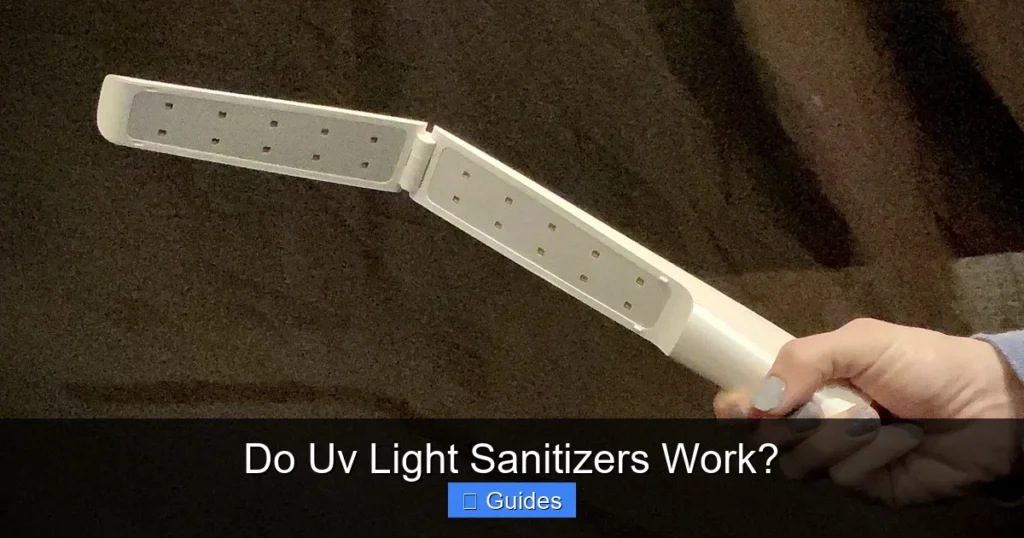
Do UV light sanitizers work? Yes, UV-C light can effectively kill germs, including bacteria and viruses, by damaging their DNA and RNA. However, their effectiveness hinges on proper usage, adequate exposure, and direct line of sight, making them a useful but complementary tool for sanitation, not a substitute for traditional cleaning.
Do UV Light Sanitizers Work? Unpacking the Science of Germ-Killing Light
In our increasingly health-conscious world, it feels like we’re constantly searching for new and better ways to keep ourselves and our surroundings clean. From sanitizing wipes to automatic dispensers, the market is flooded with tools designed to tackle invisible threats. One technology that has captured significant attention, especially in recent years, is the UV light sanitizer. You’ve probably seen them advertised for everything from sanitizing your smartphone to sterilizing baby bottles.
But amidst the buzz and the promises, a crucial question remains: do UV light sanitizers work effectively, or are they just another fleeting trend? It’s a valid inquiry, and understanding the science behind these devices is key to making informed decisions about their utility. Let’s dive deep into the world of ultraviolet light, explore how these sanitizers claim to work, and separate fact from fiction.
Key Takeaways
- UV-C Light is Germicidal: The specific wavelength of ultraviolet light known as UV-C (200-280 nm) can effectively inactivate microorganisms by damaging their genetic material (DNA and RNA), preventing them from reproducing and causing infection.
- Effectiveness is Conditional: The ability of a UV light sanitizer to kill germs depends on several critical factors, including the intensity of the UV-C light, the duration of exposure, the distance between the light and the surface, and ensuring a direct line of sight without shadows.
- Not a Substitute for Cleaning: UV light sanitizers are best used on clean surfaces. Dirt, dust, and organic matter can block UV-C light, creating shadows where germs can survive. They complement, but do not replace, traditional soap, water, and chemical disinfectants.
- Safety is Paramount: UV-C light is harmful to human skin and eyes, causing burns and damage. Always follow manufacturer instructions, never look directly at a UV-C source, and ensure proper enclosures or safety features are in place when using these devices.
- Beware of Marketing Hype: While effective, not all UV light sanitizers are created equal. Be cautious of vague claims and look for devices with clear specifications regarding UV-C output and independent testing when possible.
- No Residual Protection: Unlike chemical disinfectants, UV-C light does not leave any residual antimicrobial effect. Once the light is turned off, the sanitized surface can be recontaminated immediately.
Quick Answers to Common Questions
Do UV light sanitizers kill all germs?
UV-C light is effective against a broad spectrum of microorganisms, including many common bacteria, viruses, and fungi. However, its effectiveness relies on proper exposure, so any germs hidden in shadows or under debris may survive.
Are UV light sanitizers safe for my phone?
Most reputable UV light sanitizers are designed to be safe for electronics like phones, as UV-C light typically doesn’t damage solid materials in the short exposure times used. Always check the device’s compatibility with your specific item and follow manufacturer guidelines.
How long does it take for UV light sanitizers to work?
The time needed for a UV light sanitizer to work varies depending on the device’s intensity, the type of germ, and the desired level of sanitization. Most consumer devices recommend cycles between 3 to 10 minutes.
Can UV light sanitizers prevent me from getting sick?
While UV light sanitizers can reduce germ load on surfaces, they don’t offer residual protection. They are a tool to reduce germ transmission, but they do not replace handwashing, proper hygiene, and other public health measures to prevent illness.
Do UV light sanitizers work through glass or plastic?
No, UV-C light does not penetrate most forms of glass or plastic effectively. These materials will block the germicidal light, preventing it from reaching and sanitizing anything behind them.
📑 Table of Contents
Understanding UV Light: The Science Behind Germicidal Action
To understand if UV light sanitizers work, we first need to grasp what UV light is and how it interacts with microorganisms. UV light is a type of electromagnetic radiation, much like visible light or radio waves, but with shorter wavelengths and higher energy. The UV spectrum is generally divided into three main categories: UVA, UVB, and UVC.
What is UV Light?
You’re likely familiar with UVA and UVB rays because they are the ones that reach Earth from the sun, causing sunburns and skin aging. They are also why we wear sunscreen! However, when we talk about UV light sanitizers, we’re almost exclusively referring to UV-C light. This is the shortest and highest-energy wavelength of UV light (typically between 200 and 280 nanometers), and thankfully, most of the sun’s natural UV-C is absorbed by the Earth’s ozone layer, preventing it from reaching us.
The magic for germ killing lies precisely in this powerful UV-C band. It’s what scientists and manufacturers harness in specialized lamps for disinfection purposes. These lamps don’t produce heat in the same way an oven does; instead, they emit light energy that’s invisible to the human eye but packs a powerful punch against tiny invaders.
How UVC Works to Kill Germs
The core principle behind UV light sanitizers is called “germicidal irradiation.” When microorganisms like bacteria, viruses, and fungi are exposed to the right dosage of UV-C light, their genetic material—DNA in bacteria and viruses, or RNA in some viruses—absorbs the UV-C energy. This absorption causes damage to the molecular structure of the DNA or RNA. Specifically, it forms new bonds between adjacent bases, known as “pyrimidine dimers.”
Imagine the germ’s genetic code as a meticulously crafted instruction manual. UV-C light scrambles pages in that manual, making it impossible for the microorganism to read or copy its own instructions. This means the germ can no longer reproduce, nor can it carry out its vital cellular functions. Essentially, the UV-C light renders the germ “inactive” or “dead,” preventing it from multiplying and causing infection. It’s a highly effective physical disinfection method that doesn’t rely on chemicals.
Types of UV Sanitizers and Their Everyday Applications
The market for UV light sanitizers has exploded, offering a range of devices designed for various applications. From small, personal gadgets to larger industrial systems, UV-C technology is being adapted for diverse sanitation needs.
Compact UV Sanitizer Boxes and Wands
These are likely the most common types of UV light sanitizers you’ll encounter for personal use. They typically come in two main forms:
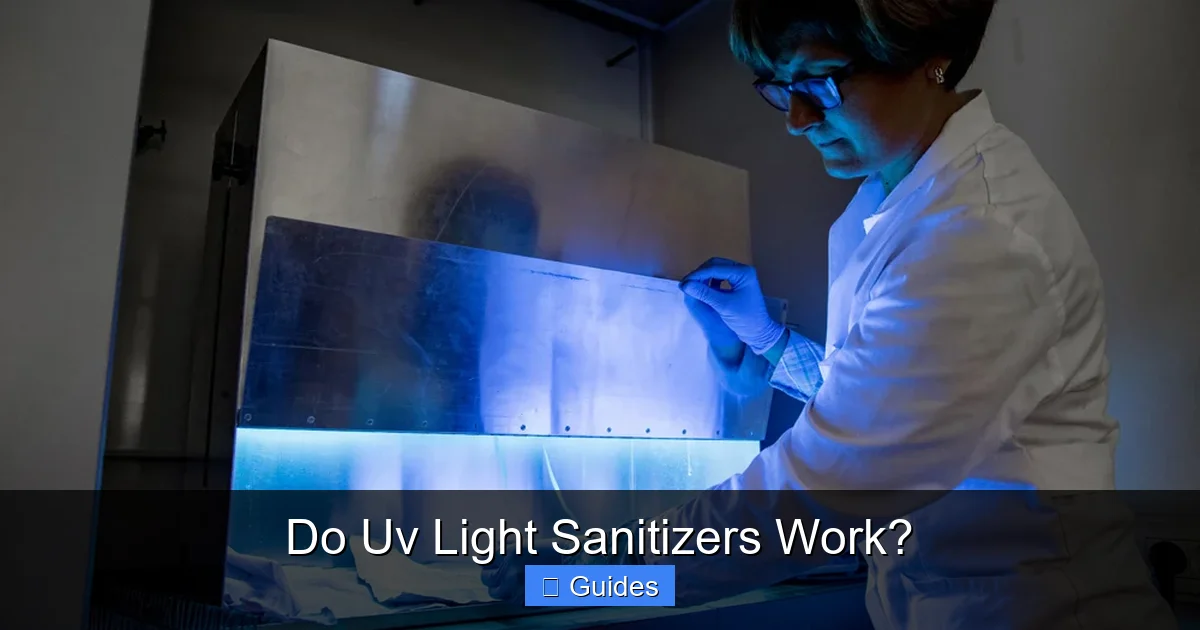
Visual guide about Do Uv Light Sanitizers Work?
Image source: uvlightsupply.com
- UV Sanitizer Boxes/Chambers: These are enclosed units, often resembling small jewelry boxes, designed to sanitize items that fit inside. Think smartphones, keys, wallets, pacifiers, jewelry, or even small tools. The item is placed inside, the lid is closed (often with a safety interlock that turns off the UV light if opened), and the UV-C lamps activate for a set period. Many claim to sanitize items in just a few minutes.
- UV Sanitizer Wands/Handheld Devices: These portable devices allow you to wave a UV-C light source over surfaces. They are marketed for use on keyboards, remote controls, airplane tray tables, or hotel bedding. The user manually moves the wand over the desired area. Because they are open, these often require careful use to ensure user safety and proper sanitization.
These personal UV light sanitizers are popular because they offer a chemical-free way to clean frequently touched items, potentially reducing the spread of germs in daily life. For instance, a phone can harbor more bacteria than a toilet seat, making a UV light sanitizer box an attractive option for regular disinfection.
Larger Scale UV-C Systems
Beyond personal devices, UV-C technology has been a stalwart in larger-scale disinfection for decades, long before its consumer popularity. These applications demonstrate the robust capability of germicidal UV:
- Water Purification: UV-C systems are widely used in municipal water treatment plants, private well systems, and even some home water filters to kill bacteria, viruses, and cysts without adding chemicals to the water.
- Air Purification: Many HVAC systems in hospitals, offices, and even homes incorporate UV-C lamps to sterilize circulating air, reducing airborne pathogens like mold spores, bacteria, and viruses.
- Medical and Laboratory Settings: Hospitals use UV-C robots and fixed ceiling units to disinfect operating rooms and patient areas, especially for hard-to-reach surfaces, complementing chemical cleaning protocols. Labs use UV-C light to sterilize equipment and maintain sterile environments in biosafety cabinets.
- Industrial and Commercial Applications: From food processing plants to public transportation, UV-C is increasingly employed for surface and air disinfection, contributing to safer environments.
These larger systems highlight that UV light sanitizers, when properly engineered and deployed, are indeed powerful tools for disinfection, validated by years of scientific and practical use.
What Makes UV Sanitizers Effective (or Not)? Crucial Factors
While the science of UV-C is sound, the real-world effectiveness of a consumer-grade UV light sanitizer isn’t guaranteed just by its presence. Several critical factors dictate whether the device truly performs its germ-killing duties. This is where understanding the limitations becomes crucial to asking “do UV light sanitizers work?”
Wavelength and Intensity
Not all “UV lights” are created equal. For germicidal action, the light must be in the UV-C spectrum (200-280 nm), with peak effectiveness often around 254 nm. Some cheaper devices might use LEDs that emit UVA or UVB, which have little to no germicidal effect. Always check if a product explicitly states it uses UV-C light.
Beyond the correct wavelength, the intensity of the UV-C light is paramount. A stronger light source delivers more UV-C energy per second. Think of it like a flashlight: a dim light won’t illuminate a dark room as well as a powerful one. Similarly, a low-intensity UV-C lamp might require a much longer exposure time to achieve the same level of disinfection as a high-intensity one, if it can at all.
Exposure Time and Distance
Germs don’t die instantly upon contact with UV-C light. They need a sufficient “dose,” which is a combination of intensity and exposure time. The higher the intensity, the shorter the time needed. The further an object is from the UV-C source, the lower the intensity of the light reaching it. This means:
- Longer exposure times are generally better (within the limits of the device). A quick wave of a UV wand might not be enough.
- Distance matters significantly. UV-C intensity drops off dramatically with distance. A phone placed directly against the lamps in a box will receive a much higher dose than one placed further away. This is a common pitfall with handheld wands—users might hold them too far from the surface.
Line of Sight and Surface Penetration
This is perhaps the single most critical factor: UV-C light can only kill germs it can “see.” It has no ability to penetrate surfaces or turn corners. This means:
- Shadows are sanctuaries: Any crease, cranny, divot, or texture on an object creates tiny shadows where UV-C light cannot reach. Germs hiding in these shadowed areas will survive completely unharmed. This is why UV light sanitizers are less effective for complex items with many crevices, like headphones or intricate toys, unless the device is designed to provide full 360-degree exposure.
- No penetration: UV-C light does not penetrate solid materials like glass, plastic, or fabric. If germs are on the underside of a phone, and the UV light is only shining on the top, those germs will persist. This highlights why UV sanitizer boxes with multiple lamps (top and bottom) and reflective interiors are often more effective than single-source devices.
Cleanliness of the Object
UV-C light is a sanitizer, not a cleaner. This distinction is vital. Dirt, dust, grime, grease, food particles, or even a thin layer of organic matter on a surface will act as a physical barrier, blocking the UV-C light from reaching the germs underneath. Imagine trying to get a sunburn through a thick blanket—it’s impossible! For UV light sanitizers to work optimally, the object being sanitized should first be physically cleaned to remove visible debris and residue.
Failing to understand these factors can lead to a false sense of security. Just because a device emits UV-C light doesn’t mean it’s guaranteeing 100% germ eradication on every item every time. It’s about careful, informed usage.
The Scientific Consensus: What Research Says About UV Sanitizers
So, with all these factors in mind, what does the broader scientific community say about the effectiveness of UV light sanitizers? The answer is nuanced, but generally positive, with caveats.
Evidence for Viruses and Bacteria
Extensive scientific research, particularly in controlled laboratory settings, has consistently shown that UV-C light is highly effective at inactivating a wide range of microorganisms, including:
- Bacteria: Studies have demonstrated UV-C’s ability to kill common bacteria like E. coli, Salmonella, Staphylococcus aureus (including MRSA), and various other pathogens.
- Viruses: Perhaps most relevant recently, UV-C has been shown to inactivate numerous viruses, including coronaviruses (like SARS-CoV-2, the virus that causes COVID-19), influenza viruses, and noroviruses. This is because all these viruses share the fundamental structure of genetic material that UV-C targets.
- Other Microorganisms: Fungi, molds, and even some protozoa can also be inactivated by UV-C exposure.
The evidence is robust for the germicidal properties of UV-C light itself. Where the debate often lies is not whether UV-C works, but whether specific consumer-grade UV light sanitizers deliver enough UV-C dose, consistently and comprehensively, to achieve the claimed levels of sanitization in real-world use.
Limitations and Misconceptions
Despite the scientific backing, it’s crucial to acknowledge the limitations and common misconceptions surrounding UV light sanitizers:
- Not all products are created equal: The market is flooded with devices, some of which may be underpowered, use the wrong wavelength (UVA/UVB instead of UVC), or have inadequate design to ensure proper exposure. Always look for reputable brands and, if possible, products with independent testing or certifications.
- No residual effect: Unlike chemical disinfectants, UV-C light does not leave any antimicrobial residue. Once the light is off, the surface is immediately susceptible to recontamination. This means a UV sanitized phone can get new germs on it the moment you touch it with unwashed hands.
- Not for deep cleaning: As mentioned, UV-C doesn’t penetrate. It won’t clean a dirty surface; it will only sanitize exposed germs. For truly dirty items, manual cleaning with soap and water or a chemical disinfectant is always the first step.
- Exaggerated claims: Be wary of products promising 99.9999% germ kill in mere seconds, especially for complex objects, unless backed by robust, independent data. Real-world conditions are often less ideal than lab settings.
So, do UV light sanitizers work? Yes, the underlying technology certainly does. But the performance of a specific consumer product depends heavily on its design, power, and how carefully it is used.
Safety First: Using UV Sanitizers Responsibly
While effective against germs, UV-C light is also harmful to living tissues, including human skin and eyes. This is why understanding and adhering to safety precautions is non-negotiable when using any UV light sanitizer.
Protecting Yourself from UVC Exposure
Direct exposure to UV-C light can cause:
- Skin damage: Similar to a severe sunburn, UV-C can cause redness, blistering, and accelerated skin aging.
- Eye damage: Even brief exposure can lead to photokeratitis, a painful “sunburn of the eye” that can cause temporary blurry vision and extreme discomfort. Chronic exposure could lead to more serious conditions like cataracts.
Therefore, when using UV light sanitizers:
- Never look directly at a UV-C light source. This is the most important rule.
- Use enclosed devices: UV sanitizer boxes are generally safer as the UV-C light is contained. Ensure the lid completely closes and the device has a safety switch that turns off the light if the lid is opened during operation.
- Exercise extreme caution with wands/open devices: If you use a handheld UV wand, ensure no part of your body (especially eyes or uncovered skin) is exposed to the light. Many experts advise against these for general consumer use due to the high risk of improper exposure. If you must use one, wear appropriate UV-protective eyewear and gloves.
- Keep out of reach of children and pets: Children are naturally curious, and animals don’t understand the danger. Store and operate these devices safely away from them.
- Ensure proper ventilation: Some UV-C lamps can produce ozone, which is an irritant. While most consumer devices are designed to minimize this, good ventilation is always a wise practice.
When to Use UV Sanitizers (and When Not To)
UV light sanitizers are best used for:
- Frequently touched, dry, non-porous items: Phones, keys, credit cards, remote controls, eyewear, small electronics, and plastic toys that can’t be washed easily.
- Complementary sanitization: After cleaning an item, UV-C can add an extra layer of disinfection.
- Specific applications: When recommended by manufacturers for sterilizing specific baby items (like pacifiers or bottle nipples) or personal grooming tools.
Avoid using UV light sanitizers on:
- Items with visible dirt/debris: Clean them first!
- Porous or absorbent materials: Fabrics, sponges, or paper items are unlikely to be effectively sanitized, as the light won’t reach internal fibers.
- Food items: There’s no consensus on UV-C for direct food sanitation, and it might alter food quality.
- Your skin or body: Never use a UV light sanitizer on yourself or another person. They are not medical devices for treating skin conditions or infections.
Combining UV with Traditional Cleaning
The most effective strategy for hygiene is always a multi-pronged approach. UV light sanitizers should be viewed as a valuable addition to your cleaning arsenal, not a standalone solution. Regular handwashing with soap and water, routine cleaning of surfaces with appropriate detergents, and using EPA-approved chemical disinfectants when necessary remain foundational practices.
For example, if you want to sanitize your phone, wipe it down first to remove fingerprints and smudges, and then place it in a UV light sanitizer box. This combination ensures both visible cleanliness and invisible germ inactivation, providing the most comprehensive approach to hygiene.
Conclusion
So, do UV light sanitizers work? The definitive answer is yes, UV-C light is a scientifically proven germicidal agent capable of inactivating a wide range of bacteria, viruses, and other microorganisms by damaging their genetic material. This technology has been successfully used in medical, industrial, and water treatment settings for decades, demonstrating its robust capabilities.
However, the real-world effectiveness of consumer-grade UV light sanitizers isn’t universal. It critically depends on factors like the correct UV-C wavelength and intensity, adequate exposure time, direct line of sight to all surfaces, and the initial cleanliness of the item being sanitized. Shadows, debris, and improper usage can significantly compromise their performance, potentially leaving behind viable germs.
When considering a UV light sanitizer, prioritize safety above all else. Never expose your skin or eyes to UV-C light. Opt for enclosed units with safety features, and always follow manufacturer instructions. Remember that UV light sanitizers are best viewed as a complementary tool in your hygiene routine, working alongside traditional cleaning methods like soap, water, and chemical disinfectants. By understanding both their power and their limitations, you can make an informed decision and utilize UV-C technology responsibly to enhance cleanliness in your daily life.
🎥 Related Video: Do UV sanitizers really work?
📺 12NewsNow
We put a UV sanitizer to the test.
Frequently Asked Questions
What is the difference between UVA, UVB, and UVC light?
UVA, UVB, and UVC are different wavelengths of ultraviolet light. UVA and UVB are what cause sunburns and reach Earth from the sun, while UVC is a shorter, more energetic wavelength that is primarily absorbed by the ozone layer and is specifically used for germicidal purposes in sanitizers.
Can UV light sanitizers damage surfaces or discolor items?
Long-term or intense exposure to UV-C light can potentially degrade certain plastics, fabrics, or finishes over time, causing discoloration or brittleness. However, most consumer UV light sanitizers use short exposure times that are generally safe for common items like phones and keys.
Are there any health risks associated with using UV light sanitizers?
Yes, direct exposure to UV-C light is harmful to human skin and eyes, causing burns and damage. It’s crucial to use enclosed devices with safety features and never look directly at the UV-C source. Always follow the manufacturer’s safety instructions carefully.
Do I still need to clean items if I use a UV light sanitizer?
Absolutely. UV light sanitizers work best on clean surfaces. Dirt, dust, and organic matter can block the UV-C light from reaching germs, making the sanitization less effective. Always clean items physically to remove debris before using a UV light sanitizer.
How can I tell if a UV light sanitizer is actually working?
It’s difficult to visually confirm if a UV light sanitizer is working effectively since germs are invisible. Look for products that clearly state they emit UV-C light (around 254 nm), have good reviews, and ideally, provide independent lab testing results. Ultimately, proper usage according to guidelines is key.
Can UV light sanitizers create “superbugs” or antibiotic-resistant germs?
UV-C light kills germs by damaging their DNA/RNA, making it very difficult for them to develop resistance in the same way they can to antibiotics, which target specific cellular processes. There is no significant evidence that UV-C light contributes to the creation of “superbugs” or antibiotic-resistant strains.
