


Red Light Therapy (RLT) operates entirely outside the ultraviolet (UV) spectrum, meaning it does not emit UV rays. RLT uses specific wavelengths of visible red and near-infrared light to stimulate cellular function without the DNA damage associated with UV radiation. This makes red light therapy a safe and beneficial treatment for skin health, pain relief, and more, distinctly separate from tanning beds or other UV-emitting devices.
Have you ever found yourself wondering about the latest wellness trend, red light therapy? Maybe you’ve seen devices popping up everywhere, from high-end spas to home use, promising a glowing complexion, pain relief, and even better sleep. It sounds almost too good to be true, doesn’t it? As with any new health technology, it’s natural to have questions, and one of the most common and important ones is: “Does red light therapy have UV rays?”
It’s a really smart question to ask, especially when we’re all so aware of the potential dangers of UV exposure. We know that too much sun or time in a tanning bed can lead to sunburn, premature aging, and even skin cancer. So, it’s perfectly understandable to be cautious and want to know if red light therapy poses similar risks. The good news is, by the end of this article, you’ll have a clear and definitive answer, helping you feel confident about exploring the world of red light therapy. Let’s dive in and shine a light on this fascinating treatment!
Key Takeaways
- No UV Rays: Red light therapy devices are specifically engineered to emit only beneficial wavelengths of visible red and near-infrared light, consciously excluding any harmful UV radiation.
- Distinct Wavelengths: Red light and UV light occupy vastly different segments of the electromagnetic spectrum; red light is visible and non-ionizing, while UV light is invisible, potentially ionizing, and can cause cellular and DNA damage.
- Cellular Mechanism: Red light therapy works by stimulating the mitochondria within cells, enhancing ATP production and reducing oxidative stress, which promotes natural healing and regeneration without the damaging effects of UV light.
- Safety Profile: The complete absence of UV rays in red light therapy makes it a safe option for regular use, a stark contrast to UV exposure which carries significant risks like skin cancer and accelerated skin aging.
- Avoid Confusion with Tanning: It’s critical to understand that red light therapy devices are fundamentally different from tanning beds, which predominantly utilize UV lamps to stimulate melanin for cosmetic tanning, often at the risk of skin damage.
- Benefits Without Risk: Users can safely enjoy the wide-ranging therapeutic benefits of red light therapy, including skin rejuvenation, pain relief, and improved muscle recovery, all without the detrimental health effects associated with UV exposure.
- Verify Device Specifications: Always ensure that any red light therapy device you consider explicitly states it is UV-free and provides precise wavelength specifications within the therapeutic red and near-infrared range (typically 630-670nm and 810-850nm).
Quick Answers to Common Questions
Does red light therapy emit UV light?
No, red light therapy devices are specifically designed to emit wavelengths of light that are entirely outside the ultraviolet (UV) spectrum. They only produce visible red and near-infrared light.
Are tanning beds and red light therapy devices the same?
Absolutely not. Tanning beds primarily use UV light to stimulate melanin production for tanning, which can damage skin. Red light therapy devices use non-UV light to stimulate cellular healing and regeneration, without tanning or skin damage.
What types of light does red light therapy use?
Red light therapy primarily uses visible red light (typically 630-700 nanometers) and near-infrared (NIR) light (typically 800-850 nanometers). These are specific, beneficial wavelengths, distinct from UV light.
Can red light therapy cause a sunburn or tanning?
No, because red light therapy does not involve UV radiation, it cannot cause sunburn, tanning, or any other UV-related skin damage. Its effects are purely therapeutic and cellular.
Is red light therapy safe for the skin?
Yes, red light therapy is generally considered safe for the skin. It works to improve skin health, reduce inflammation, and stimulate collagen production without the risks associated with UV light exposure.
📑 Table of Contents
Understanding Light: The Electromagnetic Spectrum
Before we can directly answer, “Does red light therapy have UV rays?”, it helps to understand what light actually is. Light isn’t just what we see; it’s a form of energy that travels in waves, part of something called the electromagnetic spectrum. This spectrum includes a huge range of energy waves, from radio waves (which carry your favorite music) to X-rays (used by doctors to see your bones). Each type of light has a different wavelength, and this wavelength determines how it interacts with our bodies.
Think of it like a rainbow, but much, much bigger. The colors we see, like red, orange, yellow, green, blue, indigo, and violet, make up the “visible light” part of this spectrum. But there are also parts we can’t see, like infrared (just beyond red) and ultraviolet (just beyond violet). Understanding these differences is key to understanding red light therapy and its safety profile.
What is Red Light?
Red light, as its name suggests, is a type of visible light. In red light therapy, devices specifically use wavelengths typically ranging from about 630 to 700 nanometers (nm). Sometimes, red light therapy also incorporates “near-infrared” (NIR) light, which has slightly longer wavelengths (around 800 to 850 nm) and is invisible to the human eye. Both red light and NIR light are considered therapeutic.
These specific wavelengths are special because they can penetrate the skin without causing harm. They reach the cells, where they do their magic, which we’ll talk about more in a moment. Crucially, red light and near-infrared light are both *non-ionizing*. This means they don’t have enough energy to break chemical bonds in your cells or damage your DNA, which is a big deal when it comes to safety.
What is UV Light?
Now, let’s talk about UV light. UV stands for Ultraviolet, and it sits at the opposite end of the visible light spectrum from red light, just beyond violet. UV light has shorter wavelengths than visible light, typically ranging from 100 to 400 nm. Unlike red light, UV light is invisible to the human eye.
UV light is further divided into three main types:
- UVA (320-400 nm): This type penetrates deep into the skin and is primarily responsible for skin aging, wrinkles, and indirectly contributes to skin cancer. Most tanning beds primarily use UVA light.
- UVB (280-320 nm): This is the main culprit behind sunburns. It causes DNA damage in skin cells and is a primary cause of most skin cancers.
- UVC (100-280 nm): This is the most dangerous type of UV light, but thankfully, most of it is absorbed by the Earth’s ozone layer and doesn’t reach us.
The critical difference here is that UV light is *ionizing radiation*. This means it has enough energy to directly damage DNA and other molecules in your cells, leading to mutations that can cause cancer. This is why sunscreen is so important and why we’re so careful about UV exposure.
The Science Behind Red Light Therapy: No UV Involved
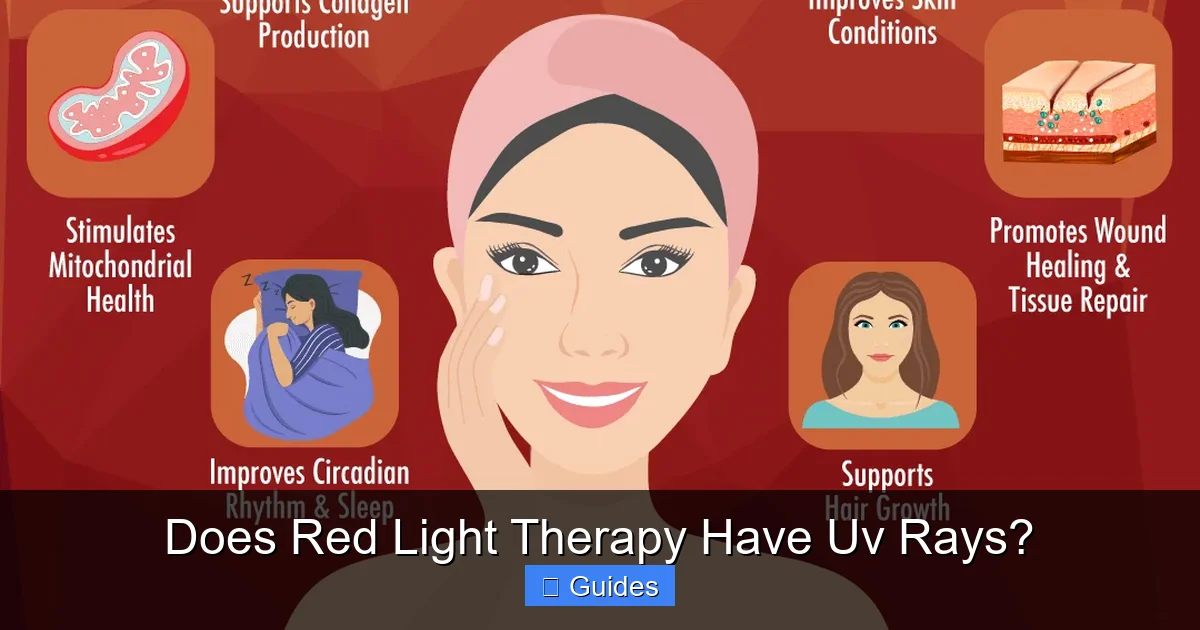
Visual guide about Does Red Light Therapy Have Uv Rays?
Image source: drjockers.com
With our understanding of the electromagnetic spectrum, we can now confidently address the core question: does red light therapy have UV rays? The answer is a resounding *no*. Red light therapy devices are meticulously designed to emit only red and near-infrared light wavelengths, specifically excluding the UV spectrum. They work on a completely different principle than UV-emitting devices like tanning beds.
How Red Light Therapy Works
Instead of damaging your cells, red light therapy works by gently stimulating them. When red and near-infrared light penetrates the skin, it’s absorbed by the mitochondria, often called the “powerhouses” of our cells. Think of mitochondria as tiny engines that produce ATP (adenosine triphosphate), which is the energy currency of your cells.
When mitochondria absorb these specific light wavelengths, it kickstarts a process called photobiomodulation. This process helps your cells produce more ATP, reduces oxidative stress (which is like cellular rust), and boosts cellular repair and regeneration. It’s like giving your cells a gentle energy boost, allowing them to function more efficiently and heal themselves. This is how red light therapy can help with everything from reducing inflammation and pain to improving skin health and speeding up wound healing.
How Red Light Differs from UV Light Biologically
The biological effects of red light and UV light are fundamentally opposite.
- Red Light: Promotes cellular repair, reduces inflammation, enhances collagen production, and improves circulation. It’s a constructive process, building up and healing.
- UV Light: Causes DNA damage, leads to oxidative stress, suppresses the immune system, and can initiate uncontrolled cell growth (cancer). It’s a destructive process, breaking down and harming.
This distinction is crucial. When you use a red light therapy device, you are not exposing your skin to any of the harmful radiation associated with UV light. The therapeutic wavelengths are carefully chosen to ensure only beneficial, non-damaging interactions with your body.
Does Red Light Therapy Have UV Rays? The Definitive Answer
Let’s get straight to the point one more time: does red light therapy have UV rays? Absolutely not. Genuine red light therapy devices are specifically engineered to *filter out* and *not produce* any ultraviolet wavelengths. Their purpose is to deliver therapeutic red and near-infrared light, which are completely separate from UV light on the electromagnetic spectrum.
Many people confuse red light therapy with tanning beds that sometimes emit a red-tinted light, or even with older, full-spectrum lamps that might have contained UV. However, modern, reputable red light therapy devices are designed with precision. They use LEDs (Light Emitting Diodes) that are calibrated to emit very specific, narrow bands of light, typically in the 630-670nm range for red light and 810-850nm for near-infrared light. These ranges are well outside the UV spectrum (100-400nm).
How to Verify Your Device is UV-Free
If you’re still concerned or want to be absolutely sure, here are some practical tips:
- Check Specifications: Always look for detailed product specifications. Reputable manufacturers will clearly state the wavelengths their device emits. If it lists wavelengths solely within the visible red and near-infrared spectrum (e.g., 660nm, 850nm), it does not emit UV rays.
- Look for Certifications: Some devices might carry certifications from relevant bodies, indicating they meet safety standards.
- Reputable Brands: Stick to well-known and trusted brands in the red light therapy space. These companies invest in research and quality control.
- Avoid Multi-Function Devices Without Clear Specs: Be cautious of devices that claim to do “everything” (e.g., tanning, red light, blue light) without clearly delineating how they prevent UV emission during red light modes.
Remember, the goal of red light therapy is health and healing, which is entirely counter to the damaging effects of UV radiation.
Misconceptions and Why They Arise
The confusion surrounding whether red light therapy has UV rays often stems from a few places:
- Visual Similarity: Some tanning beds use red lights for a ‘skin conditioning’ phase, or they might just *appear* red. This can lead people to incorrectly associate any red light with tanning. True red light therapy, however, is not designed for tanning and does not induce melanin production (which causes tanning).
- General “Light Therapy” Category: The broad term “light therapy” encompasses many different treatments, some of which *do* involve UV light (like certain dermatological treatments for psoriasis). It’s crucial to distinguish between these different types of light therapy. Red light therapy is a very specific modality.
- Lack of Understanding: Without understanding the electromagnetic spectrum, it’s easy to lump all light together. Educating yourself about the distinct wavelengths is the best way to clear up these misconceptions about does red light therapy have UV rays.
It’s important to differentiate. A red light therapy session aims to boost cellular health, not to change your skin color through UV exposure.
Safety and Best Practices for Red Light Therapy
Since we’ve established that red light therapy does not have UV rays, it’s largely considered a very safe treatment. However, like any wellness practice, there are best practices to ensure you get the most out of it safely and effectively.
Choosing a Reputable Device
This is your first and most important step.
- Research Manufacturers: Look into the company’s background, customer reviews, and commitment to scientific evidence.
- Check Wavelengths: As mentioned, confirm the device emits wavelengths in the therapeutic red (e.g., 630-670 nm) and/or near-infrared (e.g., 810-850 nm) range.
- Power Output: While not directly related to UV, the power output (irradiance) matters for effectiveness. Higher quality devices will specify this.
- UV-Free Guarantee: Many reputable brands explicitly state their products are UV-free.
Proper Usage and Eye Protection
While red light therapy is safe for most of the body, strong red and NIR light can be intense for the eyes, especially if you have sensitive eyes or pre-existing eye conditions.
- Wear Goggles: Always use the protective eyewear provided with your device, especially if the lights are bright or if you’re treating your face. This prevents discomfort and potential strain, though studies generally show red light is not harmful to the eyes, intense direct exposure can be uncomfortable.
- Follow Instructions: Adhere to the manufacturer’s recommended treatment times and distances. More isn’t always better, especially initially. Start slow and gradually increase exposure as your body adapts.
- Clean Your Device: Keep your device clean according to the manufacturer’s instructions to maintain hygiene.
These steps help ensure a positive and comfortable experience when using red light therapy.
Consulting a Professional
If you have any underlying health conditions, are pregnant, or are taking medications that might make you sensitive to light (photosensitive), it’s always a good idea to chat with your doctor or a dermatologist before starting red light therapy. They can offer personalized advice and ensure it’s a suitable option for you. While red light therapy is generally safe, professional guidance can be invaluable.
Potential Side Effects (Rare and Not UV-Related)
Because red light therapy does not involve UV rays, you won’t experience sunburn, tanning, or DNA damage. Any potential side effects are typically mild and temporary:
- Temporary Redness: Some people might experience slight redness or warmth in the treated area, similar to a mild blush, which usually subsides quickly. This is due to increased blood flow, which is part of the therapeutic process.
- Eye Strain: If protective eyewear isn’t used, some individuals might experience temporary eye strain or discomfort from the brightness.
- Headaches: Very rarely, individuals report mild headaches, especially if they are sensitive to bright lights.
These are very different from the severe risks associated with UV exposure. Understanding that does red light therapy have UV rays is a common concern, knowing these potential mild side effects, which are not harmful, helps paint a complete picture of its safety.
The Future of Light Therapy and Continued Research
The field of photobiomodulation, which includes red light therapy, is continuously expanding. Researchers are exploring new applications and refining our understanding of how these specific wavelengths interact with the body. From neurological conditions to athletic performance, the potential benefits are vast and exciting.
The consistent theme in this research remains the non-invasive, non-thermal, and non-UV nature of red and near-infrared light. As technology advances, devices become more effective, user-friendly, and accessible, solidifying red light therapy’s place as a beneficial and safe wellness tool. The question, “Does red light therapy have UV rays?” is definitively answered by the science that powers these innovations.
Conclusion
Hopefully, this journey through the science of light has cleared up any confusion about red light therapy and UV rays. To reiterate, genuine red light therapy does not have UV rays. It operates on a completely different part of the electromagnetic spectrum, using specific red and near-infrared wavelengths that are beneficial for cellular health, rather than harmful.
By choosing reputable devices and following best practices, you can confidently explore the many potential benefits of red light therapy – from improving skin appearance and reducing pain to boosting recovery and enhancing mood – all without the risks associated with UV exposure. So, next time someone asks, “Does red light therapy have UV rays?”, you can tell them with confidence that it’s a safe, UV-free pathway to wellness. Enjoy your journey to better health with the power of red light!
🎥 Related Video: What Is Red Light Therapy & Does It Work?
📺 AskDoctorJo
The term “Red Light Therapy” can mean many different things. So it’s important to know what type of Red Light Therapy you are …
Frequently Asked Questions
Does red light therapy use the same light as a tanning bed?
No, red light therapy uses very different wavelengths of light than tanning beds. Tanning beds emit harmful UV radiation to darken skin, while red light therapy uses specific, non-UV red and near-infrared light to promote cellular healing and regeneration.
Can I get a tan from red light therapy?
You cannot get a tan from red light therapy. Tanning is caused by exposure to ultraviolet (UV) light, which stimulates melanin production in the skin. Red light therapy devices do not emit UV light, so they do not cause tanning.
Is red light therapy safe for long-term use?
Yes, red light therapy is generally considered safe for long-term and regular use because it does not involve harmful UV radiation. Always follow the manufacturer’s recommended usage guidelines and consult a healthcare professional if you have concerns.
What are the main benefits of red light therapy without UV risks?
Red light therapy offers numerous benefits without UV risks, including improved skin health (reduced wrinkles, increased collagen), pain relief, muscle recovery, reduced inflammation, and better sleep quality. These benefits stem from its cellular stimulating effects.
How can I verify if my red light therapy device is truly UV-free?
To verify your device is UV-free, always check the product specifications for the emitted wavelengths. Reputable devices will clearly state wavelengths within the red and near-infrared spectrum (e.g., 630-670nm, 810-850nm) and often explicitly mention they are UV-free. Look for certifications and purchase from trusted brands.
Why is there confusion between red light therapy and UV light?
The confusion often arises because some tanning beds may use red lights, or people generally categorize all “light therapy” together without understanding the specific wavelengths involved. However, red light therapy specifically uses non-UV wavelengths for therapeutic purposes, which are distinct from the damaging UV light used for tanning.
