


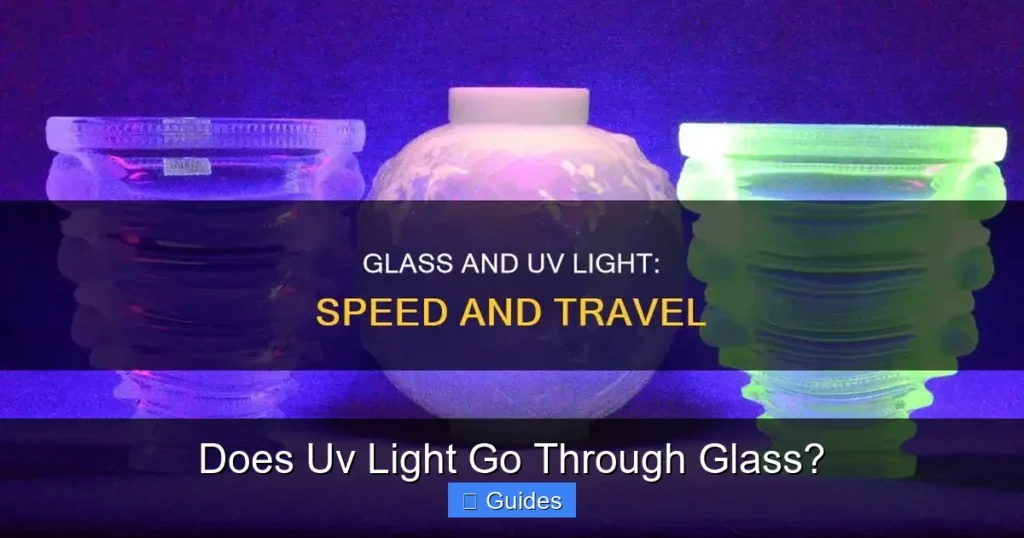
Ever wondered, does UV light go through glass? The answer is nuanced! Standard window glass effectively blocks most UVB rays, which are responsible for sunburn, but it allows a significant portion of UVA rays to pass through. This means that even when you’re indoors, you can still be exposed to harmful UV radiation, contributing to skin aging and increasing the risk of skin damage over time.
Have you ever found yourself sitting by a sunny window, enjoying the warmth, and then wondered, “Does UV light go through glass?” It’s a fantastic question, and one that many people ask, often assuming they’re completely safe from the sun’s rays indoors. The answer, as is often the case with science, isn’t a simple yes or no. It’s more complex and holds some surprising truths that could change how you think about indoor sun exposure.
We all know the importance of sun protection when we’re outdoors – hats, sunscreen, sunglasses are practically essentials. But what about when we’re inside our homes, offices, or cars? Are those glass windows truly a shield against harmful ultraviolet (UV) radiation? While glass certainly offers some protection, it doesn’t block all types of UV light equally. Understanding this distinction is key to protecting your skin and health, regardless of whether you’re catching rays on the beach or simply enjoying the view from your living room.
In this comprehensive guide, we’ll dive deep into the world of UV light and glass. We’ll explore the different types of UV rays, how various kinds of glass interact with them, and what this means for your daily life. By the end, you’ll have a clear understanding of what gets through, what doesn’t, and most importantly, how you can best protect yourself from the silent damage that UV light can inflict, even when you think you’re safe behind glass. So, let’s peel back the layers and uncover the truth about UV light and glass.
Key Takeaways
- UV Spectrum Breakdown: Ultraviolet light is categorized into UVA, UVB, and UVC. While UVC is safely absorbed by the Earth’s ozone layer, both UVA and UVB reach the surface and affect us.
- Standard Glass and UVB: Most common window glass, known as float glass, is highly effective at blocking nearly all UVB rays. This is why you typically don’t get sunburned indoors.
- Standard Glass and UVA: A crucial point is that standard glass allows a significant amount (up to 50-75%) of UVA rays to pass through. UVA rays penetrate deeper into the skin and are primarily responsible for premature aging, wrinkles, and contribute to skin cancer risk.
- Specialized Glass Offers More Protection: Laminated glass (like car windshields), low-emissivity (Low-E) glass, and glass treated with specific UV-blocking films or coatings provide superior protection, blocking most UVA and UVB rays.
- Indoor UV Exposure is Real: Despite the protective barrier of glass, cumulative daily exposure to UVA through windows in homes, offices, and cars can lead to measurable skin damage over time.
- Car Window Differences: Car windshields are typically made of laminated glass, offering excellent UV protection. However, side and rear windows are often tempered glass, which provides less UVA blockage than the windshield.
- Protecting Yourself: Even indoors, consider using broad-spectrum sunscreen, wearing protective clothing, or applying UV-blocking window films to further reduce your exposure to harmful UVA rays.
Quick Answers to Common Questions
Does regular window glass block all UV light?
No, standard window glass effectively blocks most UVB rays, which cause sunburn, but allows a significant portion of UVA rays to pass through.
Can I get a sunburn through a standard glass window?
It’s highly unlikely to get a traditional sunburn (which is caused by UVB rays) through a standard window because the glass blocks almost all UVB radiation.
Are car windshields different from side windows in terms of UV protection?
Yes, car windshields are typically made of laminated glass, which blocks nearly all UVA and UVB. Side and rear windows are usually tempered glass, which blocks UVB but lets most UVA through.
What type of UV light is primarily responsible for skin aging and wrinkles through glass?
UVA rays are the primary culprits for skin aging, wrinkles, and long-term skin damage when exposed through standard glass, as they penetrate deeper and are not fully blocked.
Can UV-blocking window film stop all UV radiation?
High-quality UV-blocking window films can block up to 99% or more of both UVA and UVB radiation, offering excellent protection when applied to existing glass.
📑 Table of Contents
Understanding UV Light: The Electromagnetic Spectrum
Before we tackle the question of “does UV light go through glass?”, it’s helpful to understand exactly what UV light is. Ultraviolet light is a form of electromagnetic radiation, just like visible light, radio waves, and X-rays. What makes it different is its wavelength, which is shorter than visible light, making it invisible to the human eye. Despite its invisibility, UV light carries more energy than visible light, and it’s this energy that can cause damage to living tissue.
What is UV Light?
UV light comes primarily from the sun, although artificial sources like tanning beds and some industrial lights also produce it. It’s located just beyond the violet end of the visible light spectrum, hence the name “ultraviolet.” The key characteristic of UV light that makes it a concern for us is its ability to break chemical bonds in molecules, including DNA in our skin cells. This damage can lead to a range of health issues, from sunburn to premature aging and even skin cancer.
The Three Flavors of UV: UVA, UVB, UVC
Not all UV light is created equal. Scientists categorize UV radiation into three main types based on their wavelength and energy levels:
- UVA (Ultraviolet A): This type has the longest wavelength (320-400 nm) and accounts for about 95% of the UV radiation that reaches the Earth’s surface. UVA rays penetrate the skin more deeply than UVB rays. They are largely responsible for skin aging, wrinkles, and can contribute to the development of skin cancers. Importantly, UVA rays are present relatively consistently throughout the day and year, and they can penetrate clouds and glass.
- UVB (Ultraviolet B): With a medium wavelength (280-320 nm), UVB rays are the primary cause of sunburn. They are also strongly linked to most skin cancers, including melanoma. UVB intensity varies significantly by season, time of day, and altitude, being strongest in summer, midday, and at higher elevations. A significant portion of UVB is absorbed by the ozone layer.
- UVC (Ultraviolet C): These are the shortest and most energetic UV rays (100-280 nm). Thankfully, UVC radiation is almost entirely absorbed by the Earth’s ozone layer and atmosphere before it reaches the surface, so it’s not generally a concern for human health from natural sources. However, artificial UVC sources (like germicidal lamps) are extremely dangerous and require strict protection.
When we talk about whether UV light goes through glass, we are primarily concerned with UVA and UVB, as UVC doesn’t typically reach us.
The Interaction of UV Light with Glass
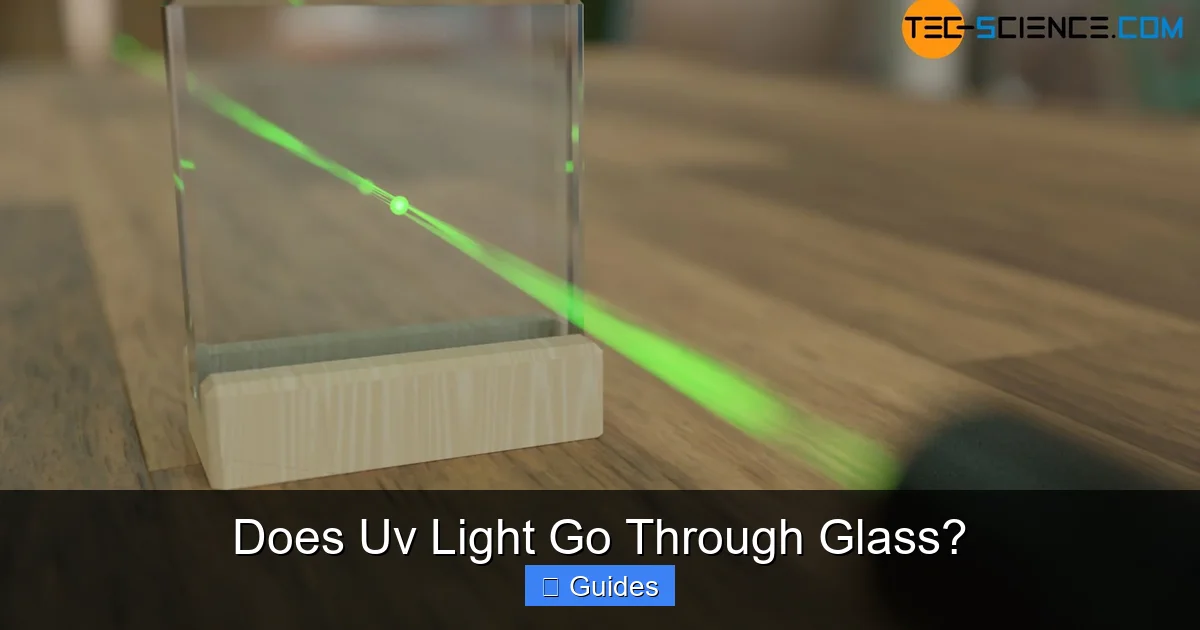
Visual guide about Does Uv Light Go Through Glass?
Image source: tec-science.com
Now that we understand the different types of UV light, let’s get to the core question: does UV light go through glass? The interaction between UV light and glass isn’t a simple “block all” or “let all pass” scenario. It depends heavily on the type of UV ray and the specific composition of the glass.
How Glass Works as a Filter
When light encounters a material like glass, several things can happen:
- Transmission: The light passes through the material.
- Absorption: The material soaks up the light’s energy.
- Reflection: The light bounces off the surface of the material.
Glass acts as a filter, and its effectiveness in blocking UV light is determined by how much UV radiation it absorbs and reflects versus how much it transmits. The key factor here is the glass’s molecular structure and any additives present.
The Role of Chemical Composition
Most common glass, known as “float glass” or “annealed glass,” is primarily made of silica (silicon dioxide), along with soda (sodium carbonate) and lime (calcium carbonate). While this composition is excellent for visible light transmission, its UV blocking properties vary significantly across the UV spectrum.
The crucial difference lies in the wavelengths. Shorter wavelengths (like UVC and most UVB) are more easily absorbed by the silicon-oxygen bonds within the glass structure. Longer wavelengths (like UVA) are less readily absorbed and thus tend to pass through more easily. This is why you rarely get a sunburn through a standard window – the glass is doing a good job of blocking the UVB rays. However, it’s not as effective against UVA.
Types of Glass and Their UV Blocking Properties
The term “glass” covers a wide range of materials, each with different properties. Understanding these differences is vital when considering the question, “does UV light go through glass?”
Standard Window Glass (Float Glass)
This is the most common type of glass found in homes and office buildings. It’s often called float glass because of the manufacturing process where molten glass floats on a bed of molten tin.
- UVB Blocking: Standard float glass is remarkably effective at blocking UVB rays. It typically blocks 97-99% of UVB radiation. This is why you generally don’t get sunburned when sitting behind a window.
- UVA Transmission: Here’s the catch – standard float glass is much less effective at blocking UVA rays. Depending on the thickness and specific composition, it can transmit anywhere from 50% to 75% of UVA radiation. This means that while you’re safe from sunburn, you’re still exposed to the rays that cause skin aging and increase your risk of skin cancer over time.
Laminated Glass: The Car Windshield Hero
Laminated glass is made by bonding two or more layers of glass together with a layer of polyvinyl butyral (PVB) or similar polymer in between. This construction is designed for safety; if the glass breaks, the fragments stick to the inter-layer rather than scattering.
- Excellent UV Blocking: The PVB inter-layer in laminated glass is a fantastic UV absorber. This type of glass typically blocks 99% or more of both UVA and UVB rays. This is why car windshields, which are almost always laminated, offer superior UV protection.
- Common Uses: Car windshields, skylights, some commercial buildings, and hurricane-resistant windows often use laminated glass.
Tempered Glass: Common in Side Windows
Tempered glass is a type of safety glass processed by controlled thermal or chemical treatments to increase its strength compared with normal glass. When broken, it shatters into small, granular chunks instead of jagged shards, reducing injury risk.
- Similar to Float Glass for UV: In terms of UV blocking, tempered glass behaves much like standard float glass. It blocks most UVB but allows a significant portion of UVA to pass through.
- Common Uses: Side and rear windows in cars are typically tempered glass, not laminated. This is a critical distinction, as it means you get less UVA protection from your car’s side windows than from its windshield.
Low-E Glass: Energy Efficiency Meets UV Protection
Low-emissivity (Low-E) glass has a microscopically thin, transparent coating that reflects heat. This makes windows more energy-efficient by keeping heat in during winter and out during summer.
- Enhanced UV Blocking: Many modern Low-E coatings also happen to be effective at blocking a substantial amount of UV radiation, including a good portion of UVA, in addition to UVB. The exact level of UV protection depends on the specific coating used.
- Growing Popularity: Low-E glass is increasingly common in new construction and replacement windows due to its energy-saving benefits and often, its added UV protection.
Specialized UV-Blocking Films and Coatings
Beyond the inherent properties of different glass types, you can also enhance UV protection through aftermarket solutions.
- Window Films: These clear or tinted films can be applied to existing glass and are specifically designed to block a very high percentage (often 99% or more) of both UVA and UVB rays. They are a popular choice for homes, offices, and cars.
- UV-Resistant Coatings: Some glass manufacturers apply special coatings during production that are designed to absorb or reflect UV radiation. These can be found in high-performance windows and even some sunglasses.
Practical Implications: Indoors vs. Outdoors
Knowing that the answer to “does UV light go through glass?” is often “yes, some of it,” has significant practical implications for our daily lives and health.
Home and Office Exposure
Think about how much time you spend near windows at home or at work. If you’re near a standard window, you’re getting exposed to UVA rays.
- Skin Aging: Dermatologists often notice that people who work near a window, or even those who drive frequently, show more signs of sun damage (wrinkles, age spots, uneven pigmentation) on the side of their face or body consistently exposed to the window.
- Skin Cancer Risk: While UVB is the primary cause of sunburn and most skin cancers, UVA also plays a significant role in increasing skin cancer risk, including melanoma. Cumulative UVA exposure, even at low levels, can contribute to DNA damage over time.
- Fading Furnishings: It’s not just your skin. If you have furniture, carpets, or artwork near a window, you’ve likely noticed them fading over time. This is largely due to UVA radiation penetrating the glass.
Car Interior Exposure
Driving is another major source of indoor UV exposure.
- Windshield Protection: As mentioned, your car’s windshield is laminated glass and offers excellent protection against both UVA and UVB.
- Side and Rear Window Exposure: However, the side and rear windows are usually tempered glass. This means while you won’t get a classic sunburn on your arm from a drive, you are still receiving significant UVA exposure. Studies have shown higher rates of skin cancer on the left side of the body (in countries where people drive on the right side of the road) due to chronic exposure through the driver’s side window.
- Practical Tip: Consider getting UV-blocking window film professionally installed on your car’s side windows. Many films block over 99% of UV rays without significantly darkening the windows.
Greenhouses and UV Transmission
Greenhouses are designed to let in sunlight for plants, and standard greenhouse glass or polycarbonate panels will allow UVA to pass through. While some plants benefit from certain UV exposure, excessive amounts can be harmful to both plants and people working inside. Specialized UV-filtering panels can be used to control the spectrum reaching the plants and workers.
Museum Glass and Artwork Protection
Museums and art galleries are acutely aware of the damaging effects of UV light on delicate artwork and artifacts. They often use specialized UV-filtering glass in display cases and windows to block nearly all UV radiation, preventing fading and degradation of valuable pieces. This is a great example of how understanding “does UV light go through glass?” leads to practical solutions for preservation.
Protecting Yourself: Beyond Basic Glass
Given that some UV light, particularly UVA, can indeed penetrate standard glass, what steps can you take to further protect yourself and your loved ones? Being aware is the first step, and fortunately, there are many simple and effective strategies.
Sunscreen: Your Everyday Ally
Don’t reserve sunscreen just for beach days!
- Daily Application: A broad-spectrum sunscreen with an SPF of 30 or higher applied daily, even when you’re mostly indoors but near windows, is highly recommended. Pay attention to exposed areas like your face, neck, hands, and arms.
- Broad-Spectrum Matters: Ensure your sunscreen is “broad-spectrum,” meaning it protects against both UVA and UVB rays. This is especially important for indoor protection against UVA.
UV-Protective Clothing
While not always practical indoors, if you spend a lot of time near a sunny window, especially in a car, consider clothing with UPF (Ultraviolet Protection Factor) ratings.
- Long Sleeves and Pants: Regular clothing offers some protection, but UPF-rated clothing is specifically designed to block UV rays.
- Driving Gloves: For frequent drivers, UV-protective driving gloves can be a simple way to protect the hands, which are very susceptible to sun damage.
Window Films and Curtains
These are excellent solutions for enhancing the UV protection of existing glass.
- Professional Window Films: As discussed, these can block up to 99.9% of both UVA and UVB rays. They are durable, often come with warranties, and many are clear, so they don’t impact visibility or aesthetics.
- DIY Window Films: There are also consumer-friendly films you can apply yourself, though professional installation often yields better results.
- Blinds and Curtains: While not as effective as specialized films, drawing blinds or closing curtains (especially those made of thicker, opaque fabrics) during peak sun hours can significantly reduce your UV exposure through windows.
Regular Skin Checks
No matter how diligent you are with protection, it’s always wise to regularly check your skin for any new or changing moles or lesions. Early detection is key for successful treatment of skin cancer. If you have concerns, consult a dermatologist.
New Innovations and Future of UV Protection in Glass
The field of glass technology and UV protection is continually evolving. Researchers and manufacturers are always looking for better ways to block harmful UV rays while maintaining other desirable properties of glass, such as clarity, energy efficiency, and strength.
Smart Glass Technologies
“Smart glass” or “switchable glass” can change its light transmission properties on demand, allowing users to control privacy, glare, and even heat. While early versions focused more on visible light and heat, newer smart glass technologies are being developed with enhanced UV-blocking capabilities. Imagine glass that automatically darkens or intensifies its UV filter based on the sun’s intensity, providing optimal protection without conscious effort.
Advanced Coatings
The development of advanced coatings is a significant area of research. These aren’t just the simple films we apply today. Future coatings might involve nanoparticles or other innovative materials that can selectively filter specific wavelengths of light. This could lead to glass that is exceptionally clear for visible light but acts as an impenetrable barrier to all types of UV radiation. Such coatings could be integrated during the manufacturing process, making UV-protective glass the new standard.
Integrating UV Protection and Energy Efficiency
The trend is towards multi-functional glass. Consumers and builders want glass that not only blocks UV light but also improves thermal insulation, reduces glare, enhances privacy, and even generates solar power. Future glass products will likely integrate these features seamlessly, offering comprehensive performance benefits from a single window pane. The question of “does UV light go through glass?” will increasingly be answered with “no, not if it’s modern, high-performance glass.”
Conclusion
So, does UV light go through glass? The concise answer is: yes, UVA light goes through standard glass, while most UVB light is blocked. This crucial distinction means that even when you’re indoors, enjoying the sunlight through a window, you’re not entirely immune to the sun’s harmful effects. While you might avoid the immediate burn of UVB, the silent, cumulative damage from UVA rays can still contribute to premature skin aging, wrinkles, and an increased risk of skin cancer over time.
Understanding the differences between types of UV light and the varying protective qualities of different glass types is empowering. Whether it’s the laminated safety glass of your car’s windshield offering superior protection, or the standard float glass in your home letting through more UVA than you’d expect, knowledge is your best defense. By making informed choices about window films, protective clothing, and daily sunscreen use, you can significantly reduce your exposure and safeguard your skin health, even when you’re technically “inside.” Stay informed, stay protected, and enjoy the light responsibly!
🎥 Related Video: Glass is Solid… So Why Is It Clear?
📺 Be Smart
Thank you to CuriosityStream for supporting PBS! For more information, go to https://curiositystream.com/smart and USE code …
Frequently Asked Questions
Does staying indoors completely protect me from sun damage?
No, staying indoors does not offer complete protection from sun damage. While standard glass blocks most sunburn-causing UVB rays, a significant amount of UVA rays, which contribute to skin aging and cancer risk, can still penetrate through windows.
What is the difference between UVA and UVB rays concerning glass?
The key difference is their wavelength and how glass interacts with them. Standard glass blocks most UVB rays (shorter wavelength, cause sunburn), but it allows most UVA rays (longer wavelength, cause aging and long-term damage) to pass through.
Do tinted windows in cars offer full UV protection?
Not necessarily. While some tints can offer additional UV protection, many are primarily for privacy or heat reduction and may not block all harmful UVA rays. For full UV protection, look for specific UV-blocking films or factory-tinted glass with high UV ratings.
Can sunglasses protect my eyes from UV light coming through a window?
Yes, if your sunglasses are rated to block 99-100% of UVA and UVB rays, they can protect your eyes from any UV light that passes through a window, just as they would outdoors.
Why do my curtains and furniture fade if the window blocks UV light?
Curtains and furniture fade primarily due to exposure to UVA rays and visible light, both of which can pass through standard window glass. While UVB is largely blocked, the continuous exposure to UVA contributes significantly to material degradation and color fading over time.
Is there a type of glass that blocks all UV light?
While no glass blocks 100% of all UV light, specialized options like laminated glass with a strong PVB interlayer, or glass treated with high-performance UV-blocking films or coatings, can block upwards of 99.9% of both UVA and UVB radiation.
