


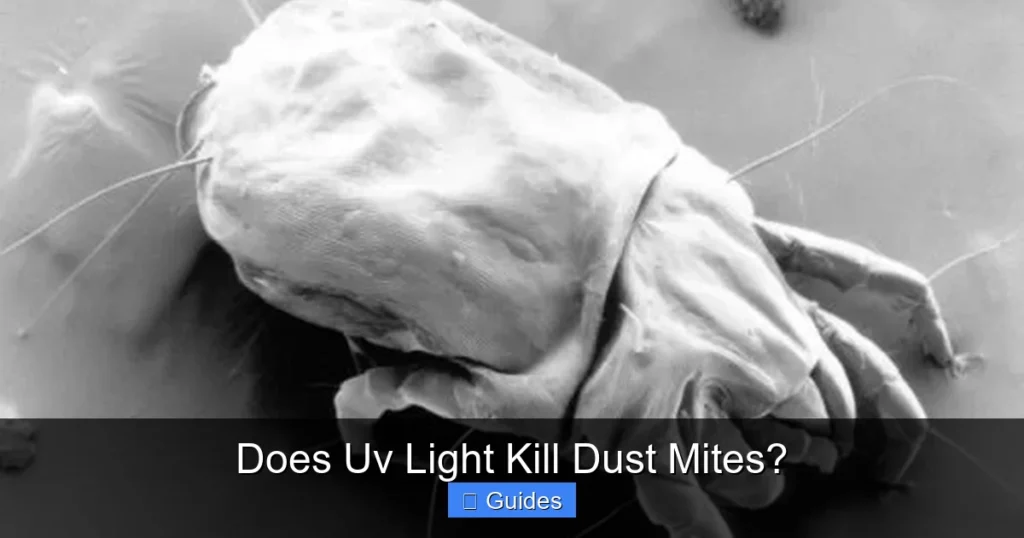
While UV light, specifically UV-C, *can* damage or sterilize dust mites, its effectiveness in a typical home setting is often limited and not a standalone solution. It requires direct, prolonged exposure to be impactful, and its ability to penetrate fabrics deeply or reach hidden mites is poor. For truly effective dust mite control, a combination of traditional cleaning methods, humidity management, and allergen-proof covers remains superior and safer.
Ever feel that itch or sniffle, especially in your own home? Chances are, you might be sharing your living space with some tiny, unwelcome guests: dust mites. These microscopic critters are a common trigger for allergies and asthma, making many of us eager to find effective ways to get rid of them. In our quest for a cleaner, healthier home, new technologies often pop up, promising miraculous solutions. One such solution that frequently comes up is UV light.
You’ve probably seen handheld UV wands or vacuum cleaners with UV lamps built-in, advertised as powerful mite-killers. It sounds almost futuristic, doesn’t it? Just zap those tiny pests away! But before you invest in the latest gadget, let’s take a closer look and ask the big question: Does UV light kill dust mites, or is it too good to be true? We’re going to dive deep into the science, explore what UV light actually does, and uncover the real effectiveness (or lack thereof) when it comes to tackling those pesky dust mites.
Getting rid of dust mites isn’t just about hygiene; it’s about improving your quality of life if you or someone in your family suffers from allergies. So, let’s separate fact from fiction and figure out the best way to create a dust mite-free sanctuary. By the end of this article, you’ll have a clear understanding of UV light’s role in dust mite control and, more importantly, a practical guide to truly making your home a healthier place.
Key Takeaways
- Limited Effectiveness: While laboratory studies show UV-C light can damage or sterilize dust mites, its practical application in homes is highly limited due to the need for direct and prolonged exposure.
- Penetration Problems: UV light cannot penetrate deeply into mattresses, carpets, or upholstery, meaning it only affects surface-level mites and leaves the vast majority untouched.
- Safety Concerns: UV-C light is harmful to human and pet skin and eyes, requiring strict safety precautions that make widespread household use impractical and dangerous.
- Dosage and Time are Crucial: Achieving a significant impact on dust mites with UV light requires specific wavelengths, high intensity, and extended exposure times that consumer-grade devices often cannot provide.
- Doesn’t Address Allergens: Even if UV light kills mites, it doesn’t remove their carcasses or fecal matter, which are the primary triggers for allergies, making cleaning still essential.
- Superior Alternatives Exist: Effective dust mite control relies on environmental management (humidity, temperature), regular hot washing, HEPA vacuuming, and allergen-proof bedding.
- Beware of Marketing Claims: Many products make exaggerated claims about UV light’s efficacy against dust mites; always prioritize proven, science-backed methods.
Quick Answers to Common Questions
Can UV light penetrate deep into mattresses to kill dust mites?
No, UV light, especially UV-C, has very poor penetration capabilities. It can only affect mites on the immediate surface of a mattress or other fabric, leaving the vast majority of mites living deeper within the fibers untouched.
Is it safe to use UV light devices in my home for dust mite control?
UV-C light is harmful to human and animal skin and eyes. Using UV-C devices requires strict safety precautions, like leaving the room and wearing protective gear, which makes widespread household use impractical and potentially dangerous without proper training.
Do UV vacuums effectively kill all dust mites?
UV vacuums may kill or sterilize some surface-level dust mites if the UV light is intense enough and held for sufficient duration. However, they cannot reach mites deep within carpets or upholstery, and they still rely on physical vacuuming to remove allergens.
Does UV light remove dust mite allergens?
No, UV light does not remove dust mite allergens. Even if it kills mites, their carcasses and fecal matter (which contain the allergenic proteins) remain. Physical cleaning methods like vacuuming and washing are necessary to remove these allergens.
What is a more effective method than UV light for killing dust mites?
More effective methods include washing bedding in hot water (130°F/54°C), using allergen-proof mattress and pillow covers, controlling indoor humidity below 50%, and vacuuming with a HEPA-filtered vacuum cleaner.
📑 Table of Contents
Understanding Dust Mites: The Unseen House Guests
Before we jump into the UV light discussion, it’s crucial to understand who we’re dealing with. Dust mites are more than just a nuisance; they’re a significant health concern for millions worldwide.
What Exactly Are Dust Mites?
Imagine tiny, eight-legged creatures, related to spiders and ticks, that are so small you can’t see them without a microscope. That’s a dust mite! Their scientific name is Dermatophagoides pteronyssinus and Dermatophagoides farinae, but you can just call them dust mites. They absolutely thrive in warm, humid environments, making your cozy home, particularly your bedroom, their favorite hangout spot.
- Habitat: Dust mites love mattresses, pillows, bedding, upholstered furniture, carpets, and curtains. Basically, anywhere human skin flakes gather.
- Food Source: Their primary diet consists of shed human and pet skin cells. Yes, those microscopic flakes we shed daily are a feast for them.
- Size: They are about 0.2-0.3 millimeters long, roughly the size of a grain of salt, making them invisible to the naked eye.
Why Are They a Problem?
Dust mites themselves don’t bite or sting, so you won’t feel them directly. The real issue lies with their waste products. Dust mite droppings and decaying body parts contain proteins that are powerful allergens. When these microscopic particles become airborne and are inhaled, they can trigger a range of allergic reactions in sensitive individuals.
- Allergies: Symptoms can include sneezing, runny nose, itchy watery eyes, nasal congestion, itchy nose or throat, and postnasal drip.
- Asthma Triggers: For people with asthma, dust mite allergens can trigger asthma attacks, leading to coughing, wheezing, chest tightness, and shortness of breath.
- Eczema Flare-ups: Dust mite exposure can also exacerbate skin conditions like eczema.
Given these impacts, it’s clear why finding effective ways to control dust mites is so important for a healthy home environment.
The Science Behind UV Light: How Does It Work?
Ultraviolet (UV) light is a form of electromagnetic radiation, just like visible light, radio waves, or X-rays. What makes UV light special, especially in the context of killing microorganisms, is its wavelength.
Visual guide about Does Uv Light Kill Dust Mites?
Image source: dustmitebuster.com
Types of UV Light
UV light is categorized into three main types based on wavelength:
- UVA (315-400 nm): This is the least harmful and makes up the majority of UV radiation that reaches the Earth’s surface. It’s associated with skin aging.
- UVB (280-315 nm): More energetic than UVA, UVB causes sunburn and plays a key role in skin cancer development.
- UVC (100-280 nm): This is the most energetic and harmful type of UV light. Fortunately, the Earth’s ozone layer blocks almost all UVC radiation from reaching us naturally. However, UVC can be artificially produced in lamps for germicidal purposes.
How UV-C Damages Microorganisms
When we talk about using UV light for sterilization or killing germs, we are almost always referring to UV-C light. This specific wavelength is incredibly effective at disrupting the DNA and RNA of microorganisms like bacteria, viruses, and, yes, even mites. Here’s how it works:
UV-C photons are absorbed by the genetic material (DNA/RNA) of a cell. This absorption causes damage, specifically forming “dimers” (bonds between adjacent bases) that prevent the DNA from properly replicating. When a microorganism’s DNA is damaged to this extent, it can no longer reproduce, essentially rendering it harmless or “inactive.” In sufficient doses, this damage is lethal.
UV-C for Sterilization (Applications)
Because of its potent germicidal properties, UV-C light has been used for decades in various sterilization applications:
- Hospital Sterilization: Used to disinfect surfaces, medical instruments, and air in operating rooms.
- Water Purification: Employed to kill bacteria and viruses in drinking water and wastewater treatment plants.
- Air Purification: Integrated into HVAC systems to kill airborne pathogens.
- Surface Disinfection: Growing in popularity for quick disinfection of high-touch surfaces in public and commercial settings.
The effectiveness of UV-C in these controlled environments leads many to wonder if it could also be a magic bullet for household pests like dust mites. So, let’s finally address the burning question: does UV light kill dust mites?
Does UV Light Kill Dust Mites? The Truth Revealed
Now for the main event! The short answer is: yes, in specific, controlled conditions, UV-C light can kill or at least severely damage dust mites. However, the reality of using it effectively in a home environment is much more complex and fraught with limitations.
Direct Exposure Is Key
For UV-C light to be effective against any microorganism, including dust mites, it needs direct exposure. This means the UV-C rays must physically hit the mite. Any obstruction – a speck of dust, a single fiber of fabric, or even another mite – can block the light and protect the mite underneath. This is a critical point that often gets overlooked in marketing.
Dust mites don’t live on the very surface of your mattress; they burrow deep into the fibers, feeding on skin flakes that have settled within. A handheld UV wand or even a UV-equipped vacuum cleaner can only deliver UV-C light to the topmost layer of your bedding or carpet. The mites lurking a few millimeters down remain completely unaffected.
Research and Evidence
Laboratory studies have indeed shown that high doses of UV-C light can kill dust mites. These studies typically involve placing mites on a petri dish and exposing them directly to powerful UV-C lamps for a specific duration. Under these ideal conditions, the UV light effectively damages their DNA, leading to death or an inability to reproduce. Some studies even suggest that UV-C can sterilize mites, meaning they won’t be able to lay eggs, even if they don’t die immediately.
However, translating these lab results to your living room is challenging. The intensity and duration of UV exposure required in a lab are often far greater than what typical consumer-grade UV devices can deliver, especially when applied to uneven, porous surfaces like mattresses or carpets.
The “Kill” vs. “Damage” Debate
It’s important to distinguish between “killing” and “damaging” or “sterilizing.” Even if UV light doesn’t immediately kill a dust mite, it might damage its reproductive system, preventing it from laying eggs. This could theoretically reduce the dust mite population over time. However, this still requires significant, direct exposure, which, as discussed, is difficult to achieve in practical settings.
Moreover, simply killing or sterilizing mites doesn’t solve the core allergy problem. The allergenic proteins are found in the mites’ fecal matter and their decaying bodies. So, even if UV light kills dust mites, their allergens remain, continuing to trigger symptoms until physically removed through cleaning.
Effectiveness on Eggs and Feces
What about dust mite eggs? UV-C light’s effect on eggs is less certain and generally considered minimal. Eggs are often protected within the fabric or by their outer shell, making them resistant to UV penetration. And as for their fecal matter, UV light has no effect on these protein-based allergens; they must be physically removed.
So, while the answer to “does UV light kill dust mites?” is technically yes under precise conditions, its real-world efficacy as a standalone or primary dust mite control method is very limited.
The Challenges and Limitations of Using UV Light for Dust Mite Control
Given the scientific principles, it becomes clear why relying solely on UV light for comprehensive dust mite control is problematic. Several practical challenges stand in the way.
Surface vs. Deep Penetration
This is arguably the biggest limitation. UV-C light has very poor penetration capabilities. Think of it like sunlight hitting a thick blanket – the light only touches the surface. Dust mites, as we know, don’t live exclusively on the very surface of your mattress or carpet. They burrow deep into the fibers, often several centimeters down, where skin flakes accumulate and humidity is higher.
A handheld UV device or a UV-equipped vacuum cleaner can only sanitize the absolute top layer. The vast majority of dust mites living deeper within your bedding, carpet, or upholstery will be completely unaffected, happily continuing to munch on skin flakes and produce allergens.
Dosage and Exposure Time
For UV-C light to effectively kill or sterilize microorganisms, they need to be exposed to a sufficient dose for a specific duration. This “dose” is a combination of the UV light’s intensity and the exposure time. Consumer-grade UV devices often have relatively low-intensity bulbs and are typically passed over surfaces quickly.
To achieve a meaningful impact on dust mites, you would need to hold a powerful UV-C lamp directly over a single spot for several minutes, if not longer. Imagine doing that for your entire mattress, every inch of your carpet, or all your upholstered furniture! It’s simply not practical or feasible for an average household.
Safety Concerns for Humans and Pets
This is a critical factor that often goes unmentioned in product advertisements. UV-C light, precisely because it is so effective at damaging DNA, is extremely harmful to human and animal cells. Direct exposure can cause:
- Skin Damage: Severe sunburn, skin aging, and an increased risk of skin cancer.
- Eye Damage: Painful eye inflammation (photokeratitis), similar to a corneal flash burn, and long-term damage to the retina.
This means that any effective UV-C treatment would require you (and your pets) to leave the room for the entire duration of the treatment, and only return after ensuring the UV source is off. This makes using handheld devices or even some automated UV cleaners a serious safety risk if not handled with extreme care and appropriate protective gear (UV-blocking glasses, skin coverings).
Device Efficacy and Claims
The market is flooded with products claiming to use UV light to kill dust mites and sanitize your home. While some may have a genuine UV-C lamp, their overall design might not be optimized for dust mite control. Many are underpowered, or their UV light is shielded in a way that further limits its effectiveness on anything beyond the immediate surface.
It’s crucial to be skeptical of exaggerated marketing claims. Always look for independent scientific testing that validates a device’s specific claims, rather than just relying on generic statements about UV light’s germicidal properties.
Practical Strategies for Effective Dust Mite Control (Beyond UV Light)
So, if UV light isn’t the silver bullet, what truly works? The good news is there are many proven, safe, and effective strategies you can implement right now to significantly reduce dust mite populations and their allergens in your home.
Environmental Control
Dust mites thrive in specific environmental conditions. By changing these, you make your home a much less hospitable place for them.
- Manage Humidity: Dust mites absorb moisture from the air, so keeping indoor humidity below 50% is crucial. Use a dehumidifier, especially in bedrooms and basements. Air conditioning can also help.
- Maintain Temperature: While less impactful than humidity, keeping your home cooler (below 70°F or 21°C) can also deter mites.
Cleaning Routines
Regular, thorough cleaning is paramount to remove mites, their eggs, and their allergenic waste products.
- Wash Bedding Regularly: Wash sheets, pillowcases, and blankets weekly in hot water (at least 130°F or 54°C). This temperature kills dust mites and washes away allergens. If you can’t use hot water, tumble dry on a hot setting for at least 15 minutes.
- Vacuum with a HEPA Filter: Use a vacuum cleaner equipped with a High-Efficiency Particulate Air (HEPA) filter. This traps tiny dust mite allergens and prevents them from being recirculated into the air. Vacuum carpets, rugs, and upholstered furniture at least once a week.
- Dust with a Damp Cloth: Dry dusting can just spread allergens around. Use a damp cloth or electrostatic cloth to capture dust and mites effectively.
- Clean Curtains and Blinds: Wash curtains periodically or vacuum blinds.
Allergen-Proof Covers
This is one of the most effective strategies for the bedroom, where mites are most abundant.
- Mattress and Pillow Covers: Encase your mattress and pillows in allergen-proof (sometimes called “mite-proof”) covers. These are tightly woven fabrics that prevent dust mites from getting in or out, effectively trapping them and blocking their allergens from reaching you.
Reduce Clutter and Fabric Surfaces
Less “stuff” means fewer places for dust mites to hide.
- Minimize Carpeting: If possible, replace carpets with hard-surface flooring (hardwood, tile, linoleum), especially in bedrooms.
- Choose Washable Decor: Opt for washable rugs, curtains, and throw blankets rather than items that are difficult to clean.
- Clear Clutter: Remove unnecessary items that collect dust, such as stacks of magazines, knick-knacks, and stuffed animals (unless they can be frequently washed).
Professional Treatments (When Needed)
For severe infestations or persistent allergies, professional help might be an option.
- Carpet Cleaning: Professional steam cleaning can kill dust mites in carpets, but it’s crucial to ensure the carpet dries thoroughly and quickly to prevent mold growth.
- Pest Control: Some pest control services offer treatments specifically aimed at reducing dust mites, though these often involve chemicals and should be considered carefully.
When to Consider UV Light (Limited Applications)
While not a primary solution, UV light might have very niche, supplemental uses:
- Small, Specific Items: For surface sanitizing very specific, small, non-porous items that can be directly exposed and where you can ensure safety (e.g., cell phones, remote controls, keys, where other cleaning methods might not be ideal). But even then, alcohol wipes are often simpler and more effective.
- Air Purifiers with UV-C: Some air purifiers incorporate UV-C lamps to kill airborne bacteria and viruses. While they might inactivate some airborne mite allergens, they won’t address the mites living in your furniture.
Remember, these are supplementary and do not replace the fundamental methods of humidity control and thorough physical cleaning.
Conclusion
When it comes to the question, does UV light kill dust mites? the answer is nuanced. Yes, scientifically, UV-C light has the power to damage or kill dust mites and other microorganisms under ideal, controlled laboratory conditions. It disrupts their DNA, making them unable to reproduce or survive. However, the leap from laboratory effectiveness to practical, safe, and comprehensive dust mite control in your home is a significant one.
The reality is that consumer-grade UV devices face critical limitations. They struggle with penetrating fabrics deeply enough to reach the vast majority of mites, often lack the necessary intensity and exposure time, and, most importantly, pose significant safety risks to human and pet health if not handled with extreme caution. Furthermore, even if UV light manages to kill some mites, it doesn’t remove the allergenic proteins from their carcasses or fecal matter, which are the primary triggers for allergies and asthma.
Instead of relying on potentially ineffective and risky UV solutions, focus your efforts on a combination of tried-and-true methods. Controlling humidity, regularly washing bedding in hot water, using allergen-proof covers on mattresses and pillows, and vacuuming with a HEPA filter are your strongest allies in the fight against dust mites. These strategies are not only more effective but also safer and more sustainable for creating a healthier, allergen-reduced home environment.
So, save your money on those “miracle” UV wands and invest your time in consistent, proven cleaning practices. Your nose, your lungs, and your overall well-being will thank you for it!
🎥 Related Video: UV light kills viruses. Why isn't it everywhere?
📺 Vox
The promise and pitfalls of using light to stop germs. Subscribe to our channel! http://goo.gl/0bsAjO When you think of disinfecting …
Frequently Asked Questions
Does UV light permanently eliminate dust mites from a home?
No, UV light does not permanently eliminate dust mites. Its limited penetration and safety concerns make it unsuitable for comprehensive, whole-home treatment. Dust mites are pervasive, and ongoing control measures are always necessary.
Are there any health risks associated with using UV light for dust mites?
Yes, direct exposure to UV-C light can cause severe skin burns, premature skin aging, and damage to the eyes, including painful inflammation and potential long-term vision issues. It should never be used without extreme caution and protective measures.
How long does UV light need to be exposed to kill dust mites?
Laboratory studies suggest that significant exposure time, often several minutes, to a high-intensity UV-C light source is needed to kill or sterilize dust mites. This level of exposure is impractical and unsafe for widespread home use.
Can UV light destroy dust mite eggs?
The effectiveness of UV light on dust mite eggs is generally considered minimal. Eggs are often protected within fabric fibers or by their outer shell, making them more resistant to UV penetration and damage compared to adult mites.
What type of UV light is used for germicidal purposes against dust mites?
UV-C light is the specific type of ultraviolet radiation used for germicidal purposes because of its short, high-energy wavelength that effectively damages the DNA of microorganisms. UVA and UVB light are not effective for killing dust mites.
Should I consider a UV air purifier for dust mite allergies?
While UV air purifiers can kill some airborne bacteria and viruses, they are not a primary solution for dust mite allergies. Dust mite allergens are heavier and tend to settle quickly on surfaces, and the UV light in purifiers won’t impact mites living in your bedding or carpets.
