


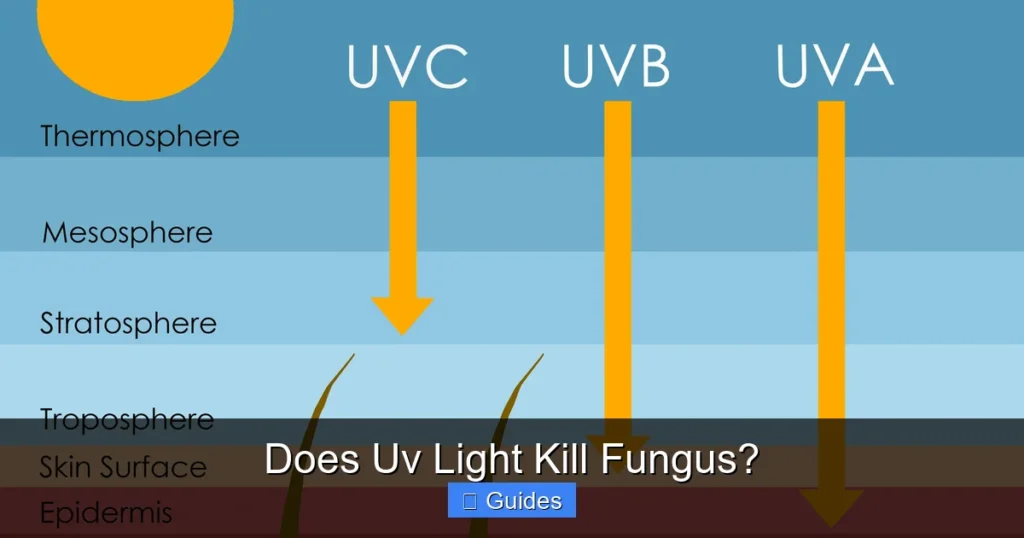
Yes, UV light, specifically UV-C, can effectively kill fungus by damaging its DNA and preventing reproduction. However, its effectiveness depends on direct exposure, intensity, and duration. While great for air purification and surface sanitization, it’s not a standalone solution for visible, entrenched mold and must be used with strict safety precautions.
Fungus, that unwelcome guest in our homes, basements, and even on our skin, is a persistent problem for many. It thrives in damp, dark environments, quietly spreading its spores and causing a host of issues, from musty odors and property damage to potential health concerns. When confronted with this microscopic menace, it’s natural to look for effective solutions that go beyond simple scrubbing. One method that often comes up in conversation is the use of UV light.
You’ve likely heard of UV light being used to sterilize hospital equipment or purify water, but can this invisible ray of energy actually kill fungus? The short answer is yes, it can, but like many scientific solutions, it’s not a simple flick-of-a-switch fix. Understanding how UV light works, its limitations, and how to use it safely is key to truly leveraging its power against fungal invaders.
In this comprehensive guide, we’re going to dive deep into the world of UV light and fungus. We’ll explore the science behind UV-C radiation, discuss its effectiveness against different types of fungi, examine practical applications for home and commercial use, and, crucially, highlight the essential safety precautions you need to take. By the end, you’ll have a clear understanding of whether UV light is the right tool for your fungus problem and how to use it wisely.
Key Takeaways
- UV-C Light is Fungicidal: Specifically, UV-C radiation has the necessary energy to damage the DNA and RNA of fungal cells, rendering them unable to reproduce and effectively “killing” them.
- Direct Exposure is Crucial: For UV light to be effective against fungus, the fungal spores or colonies must be directly exposed to the UV-C rays. It cannot penetrate opaque surfaces or shadows.
- Dosage Matters: The effectiveness of UV-C light depends on the intensity of the lamp and the duration of exposure. Higher intensity and longer exposure times lead to greater fungicidal action.
- Not a Standalone Solution for Visible Mold: While UV-C can kill active fungal growth, it does not remove visible mold stains or the underlying structural damage. Physical removal and addressing moisture sources are paramount for established infestations.
- Practical Applications: UV-C light is commonly used in HVAC systems for air purification, in surface sanitizing wands or boxes for small items, and in hospitals for sterilization, helping to reduce airborne fungal spores and surface contamination.
- Safety is Paramount: UV-C light is harmful to human skin and eyes, causing burns and eye damage. Always use appropriate personal protective equipment (PPE) like UV-blocking glasses and gloves, and ensure no skin is exposed during operation.
- Complementary Tool: UV light is best viewed as a complementary tool in fungus control, working alongside traditional methods like humidity control, ventilation, and physical cleaning to maintain a fungus-free environment.
Quick Answers to Common Questions
Does UV light kill all types of fungus?
UV-C light is broadly effective against a wide range of fungal species, including common molds and yeasts, by damaging their genetic material. However, some species might require higher doses or longer exposure times.
Can UV light remove existing mold stains?
No, UV light kills the active fungal cells but does not physically remove existing mold stains or dead spores. Physical cleaning and scrubbing are still necessary to eliminate visible mold and its residue.
Is it safe to use UV light devices in my home?
Only with extreme caution. Direct exposure to UV-C light is harmful to human skin and eyes, causing burns and eye damage. Devices like HVAC UV-C lamps are usually enclosed, but handheld wands require strict adherence to safety guidelines, including protective eyewear and avoiding skin exposure.
How long does UV light need to be exposed to kill fungus?
The exposure time needed depends on the UV-C lamp’s intensity and the type of fungus. Generally, a sufficient “dosage” (intensity multiplied by time) is required, which can range from seconds for high-intensity professional units to several minutes for consumer-grade devices over a specific area.
Can UV light prevent mold from returning?
UV light can help prevent mold by killing airborne spores and inhibiting growth on surfaces that are regularly exposed, like within HVAC ducts. However, it will not prevent mold from returning if the underlying moisture problem (e.g., a leak or high humidity) is not addressed.
📑 Table of Contents
- Understanding Fungus: The Unseen Invader
- The Science Behind UV Light and Fungus
- How Effective is UV Light Against Fungus? The Nuances
- Practical Applications of UV Light for Fungus Control
- Safety First: Using UV Light Responsibly
- Is UV Light the Best Solution? When to Use It (and When Not To)
- Conclusion
Understanding Fungus: The Unseen Invader
Before we talk about killing fungus, let’s get a clearer picture of what we’re up against. Fungus isn’t just one thing; it’s a vast kingdom of organisms that includes molds, yeasts, and mushrooms. For most people, when they think of fungus problems in their homes, they’re typically referring to mold.
What Exactly is Fungus (Mold)?
Molds are microscopic fungi that grow in multicellular filaments called hyphae. They reproduce by producing tiny spores that float through the air, looking for a suitable place to land and grow. These spores are everywhere, both indoors and outdoors, but they only become a problem when they find moisture, warmth, and a food source (like drywall, wood, fabric, or even dust) to settle on.
Where Does Fungus Thrive?
Fungus loves damp, dark, and poorly ventilated areas. Think about common problem spots:
- Basements and Crawl Spaces: Often damp and cool, perfect for mold.
- Bathrooms: High humidity from showers creates an ideal environment.
- Kitchens: Leaks under sinks or around appliances can hide mold growth.
- Attics: Poor ventilation combined with roof leaks can lead to issues.
- Window Sills: Condensation provides consistent moisture.
Even seemingly clean areas can harbor fungus if conditions are right, as spores are constantly present in the air.
Why Is Fungus a Problem?
Beyond being unsightly and producing a musty odor, fungus can pose several problems:
- Health Issues: For sensitive individuals, mold spores can trigger allergic reactions (sneezing, runny nose, skin rash), asthma attacks, and respiratory issues. Some molds produce mycotoxins, which can be harmful if inhaled or ingested over time.
- Property Damage: Fungus can slowly but surely eat away at organic materials in your home, leading to structural damage to wood, drywall, and insulation.
- Unpleasant Odors: The distinct musty smell of mold is often the first sign of its presence.
Clearly, controlling fungus is important for both health and home maintenance.
The Science Behind UV Light and Fungus
Now, let’s get into the nitty-gritty of how UV light interacts with fungal organisms. Not all UV light is created equal when it comes to germ-killing power.
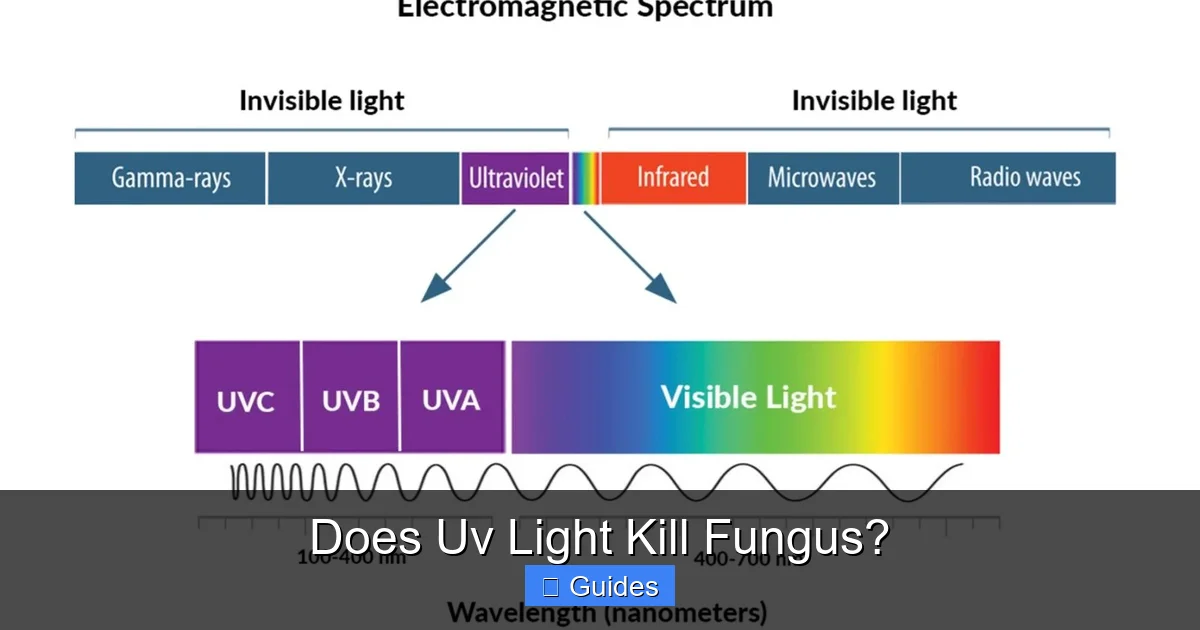
Visual guide about Does Uv Light Kill Fungus?
Image source: nei.nih.gov
What is UV Light?
Ultraviolet (UV) light is a form of electromagnetic radiation, just like visible light, radio waves, and X-rays. It sits just beyond the violet end of the visible light spectrum. UV light is categorized into three main types based on its wavelength:
- UV-A (315-400 nm): Longest wavelength, most of the UV light that reaches Earth from the sun. It causes skin aging and contributes to tanning.
- UV-B (280-315 nm): Shorter wavelength, responsible for sunburns and contributes to skin cancer. Some of it reaches Earth.
- UV-C (100-280 nm): The shortest and most energetic UV wavelength. Fortunately, the Earth’s ozone layer blocks almost all natural UV-C from reaching the surface, which is good because it’s incredibly harmful to living organisms.
Why UV-C is the Fungus Killer
When people talk about using UV light to kill germs, they are almost always referring to UV-C light. This is the “germicidal” spectrum of UV light, and here’s why it’s so effective against fungus:
UV-C light works by damaging the fundamental building blocks of life: DNA (deoxyribonucleic acid) and RNA (ribonucleic acid). When UV-C photons penetrate the cell wall of a fungal spore or hyphae, they are absorbed by the DNA and RNA molecules. This absorption causes a rearrangement of the genetic material, forming what are called “thymine dimers.” These dimers disrupt the normal replication and transcription processes of the cell.
Think of it like this: the fungus’s genetic instructions get scrambled. When the fungus tries to reproduce or carry out its normal cellular functions, it can’t read the damaged code. This effectively renders the fungus inactive, unable to grow, reproduce, or cause infection. In essence, it “kills” the fungus by inactivating it at a genetic level.
How Effective is UV Light Against Fungus? The Nuances
While UV-C light is scientifically proven to kill fungus, its real-world effectiveness depends on several critical factors. It’s not a magic bullet that will instantly eradicate every speck of mold in your home.
Factors Influencing Effectiveness:
- Direct Exposure (Line of Sight): This is perhaps the most important factor. UV-C light only works where it can physically hit. It cannot bend around corners, penetrate shadows, or pass through opaque materials like wood, drywall, or even thick dust. If mold is growing inside a wall cavity, under carpet, or behind furniture, a UV light in the room won’t reach it.
- Dosage (Intensity x Time): The amount of UV-C energy delivered to the fungus is crucial. This is a product of the lamp’s intensity (how strong it is) and the duration of exposure. A weak lamp with short exposure won’t do much. Professional-grade systems use high-intensity lamps with calculated exposure times to ensure thorough disinfection.
- Distance: The intensity of UV-C light diminishes rapidly with distance from the source. The closer the fungus is to the UV-C lamp, the more effective the treatment will be.
- Type of Fungus: While UV-C is broadly effective, some fungal species may be slightly more resistant than others, requiring higher dosages. Generally, spores are harder to kill than active mycelial growth because spores often have thicker cell walls.
- Surface Type: Porous surfaces like unfinished wood or fabric can offer hiding spots for spores, making it harder for UV-C to reach all of them. Smooth, non-porous surfaces are easier to treat.
Limitations to Consider:
Even with optimal conditions, UV light has inherent limitations when battling fungus:
- Doesn’t Remove Spores or Stains: UV-C kills the fungus by making it inactive, but it doesn’t physically remove the dead spores or the visible staining. Dead mold can still trigger allergic reactions, and the stains remain unsightly. Physical cleaning is always necessary for visible growth.
- No Residual Effect: Once the UV-C light is turned off, its fungicidal effect immediately stops. It doesn’t leave behind any protective residue like some chemical fungicides. New spores can settle and grow if the moisture problem isn’t fixed.
- Doesn’t Address the Root Cause: UV light is a treatment for the symptom (the fungus), not the cause (excess moisture). If you use UV light but don’t fix the leak, reduce humidity, or improve ventilation, the fungus will almost certainly return.
Practical Applications of UV Light for Fungus Control
Despite its limitations, UV-C light has valuable applications in controlling fungus, especially when used as part of a broader strategy. Here’s where it shines:
1. Air Purification Systems
One of the most common and effective uses of UV-C for fungus control is in air purification.
- HVAC Systems: Many homeowners install UV-C lamps inside their HVAC (heating, ventilation, and air conditioning) ducts. As air circulates through the system, it passes over the UV-C light, which can kill airborne fungal spores, bacteria, and viruses before they are distributed throughout the house. This also helps keep the coils and drain pan of the HVAC unit free from mold growth, which can improve efficiency and reduce maintenance.
- Portable Air Purifiers: Some portable air purifiers incorporate UV-C lamps in addition to HEPA filters. These units draw air in, filter out particles, and then expose the air to UV-C light to kill remaining microscopic organisms before releasing clean air.
These systems are excellent for reducing the concentration of fungal spores in the air, which can be a significant benefit for allergy sufferers and overall indoor air quality.
2. Surface Sanitization
UV-C can be used for surface sanitization, particularly for smaller items or specific areas.
- UV Wands: Handheld UV-C wands are available for sanitizing small surfaces like countertops, remote controls, keyboards, or even shoes (to help with athlete’s foot fungus). You need to pass the wand slowly and consistently over the surface to ensure adequate exposure.
- UV Sanitizing Boxes/Bags: These enclosed units are designed for sanitizing items like cell phones, keys, baby bottles, or even small tools. The contained environment ensures direct exposure and allows for safer operation.
- Lab and Hospital Sterilization: In professional settings, high-intensity UV-C lamps are used in cabinets or rooms to sterilize equipment and surfaces, providing a high level of disinfection against a broad spectrum of pathogens, including various fungi.
3. Water Treatment (Indirectly)
While less common for direct fungus removal in homes, UV-C is widely used in water treatment facilities to disinfect water by killing bacteria, viruses, and some protozoa and fungi. For specific situations, like well water contaminated with certain fungal elements, a UV water purifier could be part of a solution, but it’s not a primary home remedy for visible mold.
Safety First: Using UV Light Responsibly
This cannot be stressed enough: UV-C light is extremely powerful and dangerous to living tissue. Because it’s so effective at damaging fungal DNA, it will also damage your DNA and the DNA of your pets and plants. Never expose your skin or eyes to direct UV-C light.
Potential Hazards of UV-C Exposure:
- Eye Damage: Even brief exposure can cause “photokeratitis,” essentially a severe sunburn of the cornea, leading to intense pain, blurred vision, and a gritty feeling in the eyes. This is often referred to as “welder’s flash” and can have long-term consequences.
- Skin Damage: Direct exposure to UV-C light will cause painful sunburn-like lesions, blistering, and accelerated skin aging. Repeated exposure increases the risk of skin cancer.
- Ozone Production: Some older or cheaper UV-C lamps (especially those that operate below 200nm) can produce ozone (O3) as a byproduct. Ozone is a potent lung irritant and a pollutant, even in small amounts. Always choose “ozone-free” UV-C lamps or ensure adequate ventilation.
Essential Safety Precautions:
- Never Look Directly at the Lamp: This is the golden rule. If you’re working with a UV-C lamp, always avert your gaze.
- Wear Proper Eye Protection: Use UV-blocking goggles specifically designed for UV-C protection. Regular sunglasses are often not sufficient.
- Protect Your Skin: Wear long sleeves, long pants, and gloves to cover all exposed skin.
- Clear the Area: Ensure no people, pets, or plants are in the room or directly exposed area when a high-intensity UV-C lamp is operating. Many professional UV-C devices have timers and motion sensors to prevent accidental exposure.
- Ventilate: If using a device that might produce ozone, or even as a general precaution, ensure the area is well-ventilated after use.
- Follow Manufacturer’s Instructions: Always read and adhere to the safety guidelines provided by the manufacturer of your UV-C device.
- Consider Professional Installation: For HVAC UV-C systems, professional installation is highly recommended to ensure proper placement and safe operation.
Is UV Light the Best Solution? When to Use It (and When Not To)
So, does UV light kill fungus effectively? Yes, it absolutely can, under the right conditions. But is it the best solution for your specific fungus problem? Let’s clarify its role.
When UV Light is a Great Tool:
- Airborne Spore Control: As part of an HVAC system or portable air purifier, UV-C is excellent for reducing the concentration of fungal spores in the air, improving air quality and potentially preventing new growth.
- Preventative Maintenance: Using UV-C in damp prone areas, *before* visible mold appears, can help prevent initial fungal colonization on surfaces that are hard to reach or clean regularly (e.g., inside AC ducts).
- Surface Sanitization: For small, non-porous items or specific surface areas that have been thoroughly cleaned, UV wands or boxes can provide an extra layer of disinfection.
- Supplemental Treatment: After physically removing visible mold and addressing the moisture source, using UV light can help kill any remaining invisible spores in the air or on treated surfaces, acting as a secondary measure.
When UV Light is Not Enough (or Not Recommended):
- Visible Mold Growth: If you see visible mold, UV light alone is insufficient. The first step is always physical removal of the mold (scrubbing with appropriate cleaners) and addressing the underlying moisture problem. Dead mold is still an allergen and needs to be removed.
- Deep Penetration Required: UV light cannot penetrate into porous materials (like wood, drywall, insulation) or within wall cavities. It won’t kill mold that’s hidden from direct light.
- Large Scale Infestations: For extensive mold growth, particularly after water damage, UV light is not a substitute for professional mold remediation. Professionals use specialized equipment and techniques to contain, remove, and properly dispose of moldy materials.
- As the Sole Solution: Relying solely on UV light without fixing leaks, reducing humidity, and ensuring proper ventilation is a recipe for recurrent fungus problems.
Think of UV light as a powerful ally in the fight against fungus, but not the lone warrior. It’s a fantastic tool for air purification, surface sanitization, and preventative measures, especially when combined with good humidity control, ventilation, and diligent cleaning practices. For existing, visible mold, however, physical removal and moisture control must always come first. By understanding its strengths and limitations, you can effectively integrate UV light into your strategy for a healthier, fungus-free environment.
Conclusion
The question “Does UV light kill fungus?” can be answered with a resounding “Yes,” especially when referring to germicidal UV-C light. This powerful electromagnetic radiation works by damaging the DNA of fungal cells, rendering them unable to reproduce and causing their demise. From reducing airborne spores in HVAC systems to sanitizing surfaces in hospitals, UV-C light offers a significant advantage in controlling fungal growth.
However, its effectiveness is deeply tied to critical factors like direct exposure, intensity, and duration. It’s crucial to remember that UV light is a tool with specific capabilities and important limitations. It won’t remove visible mold stains, penetrate hidden areas, or solve the root cause of moisture that allows fungus to flourish. For established infestations, physical removal and addressing humidity issues remain the gold standard.
Most importantly, the use of UV-C light demands strict adherence to safety protocols. Its power to disrupt life extends to human skin and eyes, necessitating protective gear and careful operation. When used correctly and responsibly, as a complementary measure alongside traditional cleaning and moisture control, UV light can be an invaluable part of your arsenal in maintaining a healthy, fungus-free living space. So, arm yourself with knowledge, take precautions, and let UV light work its magic where it truly counts.
🎥 Related Video: Does UV light kill mold?
📺 Matt Kelly
This video is from my mold Facebook group: https://www.facebook.com/groups/toxicmoldanswers To test your home and body for …
Frequently Asked Questions
What is the difference between UV-A, UV-B, and UV-C light for fungus?
UV light is categorized into UV-A, UV-B, and UV-C based on wavelength. Only UV-C light has the shortest wavelength and highest energy required to effectively damage the DNA and RNA of fungal cells, making it the germicidal spectrum for killing fungus. UV-A and UV-B are less effective for this purpose.
Will a sunlamp or tanning bed kill fungus?
No, sunlamps and tanning beds primarily emit UV-A and some UV-B light, which are not effective germicidal wavelengths against fungus. Furthermore, exposing yourself to these devices for fungal treatment is unsafe and can cause skin damage and eye harm without any significant benefit.
Can I use a UV light to clean my bathroom of mold?
While a UV-C wand could potentially kill mold spores on surfaces in a bathroom, it’s not a primary cleaning method. Visible mold still needs to be physically scrubbed away, and the underlying moisture issue addressed. Use UV-C only as a supplemental step, with extreme caution to protect your eyes and skin.
Do UV air purifiers actually kill mold spores?
Yes, UV air purifiers, especially those with powerful UV-C lamps, can effectively kill airborne mold spores as they pass through the device. This helps reduce the overall concentration of spores in the indoor air, contributing to better air quality and potentially preventing new mold growth.
Does UV light penetrate surfaces to kill hidden fungus?
No, UV light, particularly UV-C, does not penetrate opaque surfaces like drywall, wood, or fabric. It only works on surfaces that are directly exposed to its light. Any fungus growing inside walls, under carpets, or behind objects will not be affected by a UV light shining nearby.
Is it necessary to remove dead fungus after UV treatment?
Yes, even if UV light has inactivated the fungus, the dead fungal material can still be allergenic or irritating to sensitive individuals. For health reasons and aesthetic purposes, it’s always recommended to physically clean and remove all visible traces of fungus after any treatment.
