


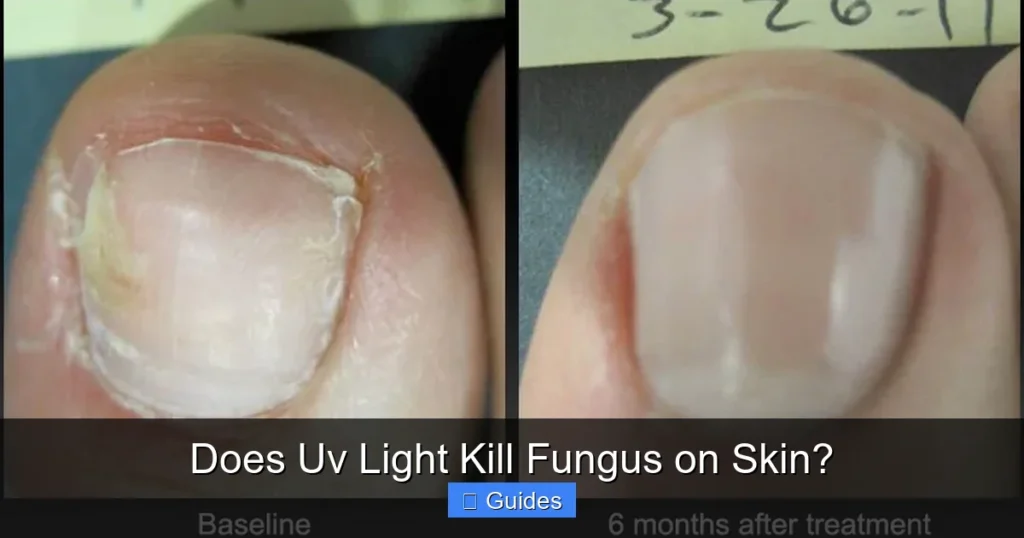
Many people wonder if UV light kills fungus on skin, but the truth is complicated and crucial for your health. While specific UV wavelengths, particularly UV-C, can indeed destroy fungal cells in controlled laboratory environments or on surfaces, directly using UV light on your skin to treat fungal infections is highly discouraged and dangerous. This approach poses significant risks, including severe skin damage, premature aging, and an increased risk of skin cancer, without reliably curing the infection. Always prioritize medically proven antifungal treatments for safe and effective results.
Have you ever found yourself battling an itchy, red patch on your skin and wondered, “Does UV light kill fungus on skin?” It’s a question many people ponder, especially with the widespread use of UV light for sterilization in other contexts. The idea of a simple, quick fix using sunlight or a UV lamp might sound appealing. After all, sunlight feels good, and UV light is known for its germ-killing properties, right?
While it’s true that UV light has powerful antimicrobial capabilities, the relationship between UV light and fungus on your skin is far more complex than a simple “yes” or “no.” The thought of using UV light to zap away an annoying fungal infection can be tempting, but it’s essential to understand the science, the risks, and the safe alternatives before considering such a method. Let’s dive deep into this topic to separate fact from fiction and ensure you’re making the best choices for your skin’s health.
Understanding Skin Fungus: Uninvited Guests on Your Skin
Before we explore whether UV light can kill fungus on skin, let’s briefly understand what these pesky invaders are. Skin fungus, also known as dermatophytes, are microscopic organisms that thrive in warm, moist environments. They feed on keratin, a protein found in your skin, hair, and nails. Common types of fungal infections include:
- Athlete’s Foot (Tinea Pedis): Often found between toes, causing itching, burning, and peeling.
- Ringworm (Tinea Corporis): Not actually a worm, but a circular, red, scaly rash on the body.
- Jock Itch (Tinea Cruris): Affects the groin area, causing an itchy, red rash.
- Nail Fungus (Onychomycosis): Leads to discolored, brittle, and thickened nails.
- Yeast Infections (Candida): Can occur in skin folds, causing red, itchy rashes.
These infections are contagious and can spread through direct contact or by sharing contaminated items like towels or shoes. They can be incredibly uncomfortable and, if left untreated, sometimes lead to more severe skin issues.
The Science of UV Light: A Double-Edged Sword
To answer the question “Does UV light kill fungus on skin?”, we first need to understand what UV light is and how it interacts with living organisms. Ultraviolet (UV) light is a type of electromagnetic radiation that comes from the sun and artificial sources like tanning beds and germicidal lamps. It’s categorized into three main types based on wavelength:
UV-A (Long-Wave UV)
This is the most common type of UV light we encounter, making up about 95% of the UV radiation reaching Earth. UV-A penetrates deeply into the skin and is primarily responsible for skin aging (wrinkles, age spots) and contributes to skin cancer. It has very limited germicidal properties.
UV-B (Medium-Wave UV)
UV-B is the primary cause of sunburn and also contributes significantly to skin cancer. It’s more potent than UV-A in terms of skin damage and has some modest germicidal effects, but not at levels safe for human skin.
UV-C (Short-Wave UV)
This is the most energetic and dangerous type of UV light. Fortunately, the Earth’s ozone layer blocks almost all UV-C from reaching the surface. UV-C is known for its potent germicidal properties; it effectively destroys the DNA of bacteria, viruses, and fungi, preventing them from reproducing. This is why UV-C lamps are used in hospitals and water purification systems for sterilization. However, UV-C is incredibly damaging to human skin and eyes.
Does UV Light Kill Fungus on Skin? The Truth About Efficacy
The short answer is: Yes, UV light *can* kill fungus, but not safely or effectively on human skin.
Lab vs. Living Skin: A Crucial Distinction
In a controlled laboratory setting, particularly with strong UV-C radiation, fungus can be killed. UV-C light disrupts the DNA and RNA of fungal cells, rendering them unable to reproduce and eventually leading to their death. This is why UV-C is effective for sterilizing surfaces, air, and water. You might see UV sanitizers for phones or other objects, and they work well for those purposes.
However, applying this principle directly to living human skin is where the danger arises. The dosage of UV light required to penetrate the skin and kill fungal cells effectively is far greater than what healthy skin can tolerate. Fungal infections often reside not just on the very surface, but sometimes deeper within the epidermis or even under the nail plate in the case of nail fungus. To reach and eradicate these deeper infections, an even higher, more damaging dose of UV would be necessary.
Sunlight and Tanning Beds: Not a Solution
Some people might think that extended sun exposure or using a tanning bed could help treat skin fungus. Unfortunately, this is a dangerous misconception. The UV light from the sun (primarily UV-A and UV-B) or tanning beds simply isn’t potent enough to effectively kill most fungal infections at a safe exposure level. What it *will* do is damage your skin, leading to:
- Sunburn and blistering
- Accelerated skin aging (wrinkles, sunspots)
- Increased risk of all types of skin cancer, including melanoma
- Weakening of the skin’s immune response, potentially making the infection worse or harder to heal
So, while you might feel a temporary drying effect, you’re doing much more harm than good by trying to use sunlight or a tanning bed to tackle fungus.
The Real Dangers: Why You Should NEVER Use UV Light for Skin Fungus
The risks associated with using UV light directly on your skin to kill fungus are severe and far outweigh any perceived benefit. It’s not just about a little redness; these are serious health concerns.
Skin Damage and Burns
Even moderate exposure to UV light, especially UV-B, can cause sunburn. The intensity of UV light needed to kill fungus would almost certainly result in severe burns, blistering, and significant pain. These burns can lead to scarring and permanent skin discoloration.
Increased Skin Cancer Risk
This is perhaps the most critical danger. All forms of UV radiation, particularly UV-A and UV-B, are carcinogens. Repeated or intense exposure significantly increases your risk of developing:
- Basal Cell Carcinoma: The most common type of skin cancer.
- Squamous Cell Carcinoma: The second most common, potentially more aggressive.
- Melanoma: The most dangerous and life-threatening form of skin cancer.
Attempting to treat a fungal infection with UV light would expose your skin to levels of radiation that dramatically elevate your lifetime risk of these cancers.
Premature Skin Aging
UV-A radiation, in particular, breaks down collagen and elastin fibers in your skin, leading to premature aging. This manifests as wrinkles, fine lines, age spots, and a leathery skin texture. While cosmetic concerns might seem secondary to a fungal infection, they are a direct and unavoidable consequence of inappropriate UV exposure.
Eye Damage
Your eyes are extremely vulnerable to UV radiation. Exposure can lead to:
- Photokeratitis (Snow Blindness): A painful sunburn of the cornea.
- Cataracts: Clouding of the eye’s lens, leading to impaired vision.
- Pterygium: A growth on the surface of the eye.
- Macular Degeneration: Damage to the retina, potentially leading to blindness.
Even indirect exposure or reflections can cause significant eye damage.
Ineffectiveness for Underlying Infections
As mentioned, many fungal infections, especially those affecting nails or deeper skin layers, are simply too deep for topical UV light to reach effectively without destroying the surrounding healthy tissue. You’d be damaging your skin without actually curing the infection.
Safer and Proven Treatments for Skin Fungus
The good news is that you don’t need to resort to dangerous methods like UV light. There are many safe, effective, and readily available treatments for skin fungus.
Over-the-Counter (OTC) Antifungals
For most common, mild fungal infections like athlete’s foot or ringworm, OTC creams, sprays, and powders can be very effective. Look for active ingredients such as:
- Clotrimazole
- Miconazole
- Terbinafine
- Tolnaftate
Follow the product instructions carefully, typically applying for several weeks, even after symptoms clear, to ensure the fungus is completely eradicated. Consistent application is key!
Prescription Antifungals
If OTC treatments aren’t working or if the infection is widespread, severe, or affects areas like your nails or scalp, your doctor can prescribe stronger medications. These might include:
- Topical Prescription Creams: With higher concentrations or different active ingredients.
- Oral Antifungal Medications: Pills like fluconazole, terbinafine, or itraconazole are taken for more severe or persistent infections. These work systemically throughout your body to fight the fungus but require monitoring due to potential side effects.
Good Hygiene Practices
Prevention and supporting treatment are crucial. Simple habits can make a big difference:
- Keep your skin clean and dry, especially in skin folds, between toes, and in the groin area.
- Change socks and underwear daily, opting for breathable materials like cotton.
- Wear sandals or flip-flops in public showers, locker rooms, and pool areas.
- Avoid sharing towels, clothing, or shoes.
- Wash exercise clothes and towels regularly.
When to See a Doctor
It’s always best to consult a healthcare professional if:
- Your fungal infection doesn’t improve with OTC treatments within a few weeks.
- The rash is spreading rapidly or is very painful.
- You have diabetes or a weakened immune system, as fungal infections can be more serious for you.
- You suspect nail fungus or scalp fungus, as these often require prescription treatment.
Conclusion: Play It Safe, Not Sorry
The question “Does UV light kill fungus on skin?” might spark curiosity, but the answer is clear: While UV light, especially UV-C, possesses powerful germicidal properties in controlled environments, using it directly on your skin to treat fungal infections is a dangerous and misguided approach. The immense risks of severe burns, accelerated skin aging, irreversible eye damage, and a dramatically increased risk of skin cancer far outweigh any theoretical benefit.
Your skin is your body’s largest organ, and it deserves careful protection. Instead of risking your health with unproven and harmful methods, rely on the numerous safe and effective antifungal treatments available. Always consult with a doctor or dermatologist to get an accurate diagnosis and a personalized treatment plan for any persistent skin concern. Your long-term health and well-being should always be the priority.
Key Takeaways
- UV-C Can Kill Fungus in Labs: In controlled laboratory settings, strong UV-C light has germicidal properties and can effectively kill fungal spores and cells on inanimate surfaces by damaging their DNA.
- Not Safe for Direct Skin Application: The amount of UV light (especially UV-C) required to kill fungus effectively is extremely harmful to human skin, causing DNA damage to skin cells, sunburn, and increasing skin cancer risk.
- Sunlight (UV-A/B) is Ineffective and Harmful: Regular sunlight, composed of UV-A and UV-B, is generally not strong enough to eradicate fungal infections on the skin and will instead lead to sunburn, accelerated aging, and skin cancer.
- Risks Outweigh Any Potential Benefits: Attempting to treat skin fungus with UV light exposes you to serious health hazards, including severe burns, irreversible eye damage, and a heightened risk of developing various forms of skin cancer.
- Fungus Often Deep-Seated: Many common fungal infections, like athlete’s foot or nail fungus, reside beneath the superficial layer of the skin or nail, making topical UV light application ineffective at reaching the infection source.
- Proven Antifungal Treatments Exist: Safe and effective treatments, including over-the-counter creams, powders, and prescription oral medications, are readily available and recommended by healthcare professionals.
- Always Consult a Doctor: For any persistent or concerning skin condition suspected to be fungal, it’s crucial to seek a diagnosis and treatment plan from a qualified healthcare provider.
Quick Answers to Common Questions
Is UV-C light safe for skin?
No, UV-C light is highly dangerous for human skin and eyes. It is extremely damaging to living cells and is primarily used for sterilizing inanimate surfaces, not for direct human exposure.
Can tanning beds kill fungus?
No, tanning beds primarily emit UV-A and some UV-B radiation, which are not strong enough to effectively kill fungal infections on the skin. Instead, they pose significant risks of skin damage, premature aging, and skin cancer.
How long does it take for UV light to kill fungus?
In a controlled lab setting, UV-C can kill fungus within seconds to minutes, depending on the intensity and proximity. However, attempting to replicate this on human skin would require exposure levels that would cause severe, immediate damage to skin cells.
What are the signs of skin fungus getting worse?
Signs that a skin fungus is getting worse include rapid spreading of the rash, increased redness, itching, burning, pain, the development of blisters or cracks in the skin, or if the infection becomes warm to the touch and swollen, possibly indicating a secondary bacterial infection.
Can UV light devices for nails kill nail fungus?
While some nail salons use UV lights for curing gel polish, these are typically UV-A and are not designed or effective for killing nail fungus. The UV light needed to kill nail fungus would be extremely damaging to the surrounding skin and the nail bed itself, and current medical consensus points to topical or oral antifungal medications as the effective treatment.
🎥 Related Video: UV Light vs Germs Under Microscope
📺 CloseIntel
Frequently Asked Questions
Is sunlight good for skin fungus?
While sunlight might temporarily dry out an affected area, it is not an effective or safe treatment for skin fungus. The UV radiation in sunlight (UV-A and UV-B) is not strong enough to eradicate fungal infections and primarily causes skin damage, premature aging, and significantly increases your risk of skin cancer.
Can I use a UV sterilizer meant for objects on my skin?
Absolutely not. UV sterilizers designed for objects, especially those emitting UV-C, produce radiation levels that are extremely harmful to human tissue. Using such a device on your skin would cause severe burns, eye damage, and increase your risk of skin cancer, without safely treating the fungal infection.
Why do some people think UV light helps skin conditions?
Some people might mistakenly believe UV light helps because specific medical UV therapies (like phototherapy for psoriasis or eczema) exist. However, these are highly controlled treatments using specific UV wavelengths (often narrow-band UV-B or excimer lasers) administered by medical professionals in precise doses to treat inflammatory conditions, not fungal infections, and with careful monitoring for side effects.
What’s the best way to prevent fungal infections?
The best prevention strategies include keeping your skin clean and dry, especially in skin folds and between toes. Wear breathable fabrics like cotton, change socks and underwear daily, and use sandals in public showers or locker rooms. Avoid sharing personal items like towels or shoes.
Are there any instances where UV light is used medically for skin?
Yes, UV light is used medically for certain non-fungal skin conditions like psoriasis, eczema, and vitiligo. This treatment, called phototherapy, uses specific, carefully controlled doses of UV-A or UV-B light under strict medical supervision to modulate the immune system and reduce inflammation. It is never used for fungal infections due to efficacy and safety concerns.
How do I know if I have a fungal infection?
Common signs of a fungal infection include red, itchy, scaly rashes, often with distinct borders (like ringworm). You might also notice peeling skin (athlete’s foot), discolored or thickened nails (nail fungus), or persistent itching and discomfort. For an accurate diagnosis and appropriate treatment, it’s always best to consult a doctor.
