


Yes, UV light, specifically UV-C, is highly effective at killing viruses by damaging their genetic material. This powerful disinfection method is used in various settings, from hospitals to water treatment, but it requires careful handling due to safety concerns for humans. Understanding how UV-C works and its limitations is key to using it safely and effectively.
Does Uv Light Kill Viruses?
Have you ever wondered about the invisible forces around us, working to keep us safe or, conversely, posing a threat? One such fascinating force is ultraviolet (UV) light. We encounter UV light every day from the sun, but did you know there’s a specific type of UV light that holds immense power in the fight against tiny invaders like viruses? It’s a question many of us have pondered, especially with a heightened awareness of hygiene and germ transmission.
The simple answer is a resounding “yes,” but like most things in science, the full story is a bit more nuanced and incredibly interesting. Not all UV light is created equal when it comes to disinfection, and understanding the differences is key to appreciating its potential and, crucially, its limitations. Let’s embark on a journey to demystify UV light and explore how this invisible spectrum of energy acts as a potent weapon against viruses.
Understanding UV Light: More Than Just Sunshine
Before we dive into how UV light kills viruses, let’s first understand what UV light actually is. Ultraviolet light is a form of electromagnetic radiation, just like visible light, radio waves, or X-rays. What makes it different is its wavelength, which is shorter than visible light and longer than X-rays. The sun is our primary natural source of UV light, but it’s also produced artificially by special lamps.
Scientists categorize UV light into three main types based on their wavelengths:
- UVA (320-400 nm): This is the longest wavelength UV light and makes up about 95% of the UV radiation reaching the Earth’s surface. It’s responsible for tanning and contributes to skin aging and wrinkling. UVA passes easily through glass and is not effectively germicidal.
- UVB (280-320 nm): A smaller portion of sunlight, UVB is what causes sunburns and plays a significant role in skin cancer development. While it has some germicidal properties, it’s not the primary type used for disinfection.
- UVC (100-280 nm): This is the “germicidal” superstar. Luckily, the Earth’s ozone layer absorbs all UVC light from the sun, so we don’t naturally encounter it. However, artificial UVC lamps can generate this powerful wavelength, making it incredibly effective at killing viruses, bacteria, and other microorganisms.
When people talk about UV light killing viruses, they are almost always referring to UV-C light. Its unique properties make it a powerful tool in our arsenal against pathogens.
Key Takeaways
- UV-C Light is Germicidal: Out of the three types of UV light (UVA, UVB, UVC), UV-C is the most effective at killing viruses and other microorganisms because it directly damages their DNA and RNA, preventing replication.
- Mechanism of Action: UV-C energy breaks the molecular bonds within the genetic material (DNA or RNA) of viruses, rendering them inactive and unable to infect or reproduce.
- Professional vs. Home Use: While UV-C is widely used in professional settings like hospitals and water treatment plants for effective disinfection, personal UV devices for home use require extreme caution due to potential harm to skin and eyes.
- Safety is Paramount: Direct exposure to conventional UV-C light is dangerous for humans and animals, causing skin burns and eye damage. Proper shielding and safety protocols are crucial for its application.
- Limitations Exist: UV-C light only disinfects surfaces it directly shines on. It cannot penetrate shadowed areas, dust, or organic matter, which can shield viruses from its effects.
- Emerging Far-UVC Technology: Far-UVC is a promising new form of UV-C that appears to be safe for human skin and eyes while still being effective against viruses, potentially revolutionizing continuous disinfection in occupied spaces.
- Not a Substitute for Cleaning: UV-C disinfection works best on clean surfaces. It complements, but does not replace, traditional cleaning methods like soap and water or chemical disinfectants.
Quick Answers to Common Questions
Does UV light kill all types of viruses?
UV-C light is effective against a broad spectrum of viruses by damaging their genetic material, including coronaviruses, influenza viruses, and many others. However, the specific dose and exposure time required can vary for different viral types.
Can I use a UV lamp to disinfect my hands?
No, absolutely not. Exposing your skin to UV-C light, even for a short period, can cause severe burns and increase the risk of skin cancer. Always avoid direct skin contact with UV-C lamps.
Is it safe to look at a UV-C lamp?
No, never look directly at a UV-C lamp. UV-C light can cause painful eye damage, including photokeratitis (a “sunburn of the eye”), and potentially contribute to long-term issues like cataracts.
How long does UV-C light need to be exposed to kill viruses?
The exposure time needed depends on the intensity of the UV-C lamp and the specific virus being targeted. Higher intensity and longer exposure times generally lead to more effective viral inactivation. Professional systems are designed to deliver sufficient dosage.
Do personal UV sanitizers for phones or wands really work?
While some personal UV sanitizers can be effective under ideal conditions, many consumer-grade devices may not have sufficient power or proper shielding to guarantee complete disinfection or user safety. Always research reputable brands and follow safety guidelines carefully.
📑 Table of Contents
How Does UV-C Light Kill Viruses? The Science Behind the Destruction
The magic of UV-C light lies in its ability to directly attack the very blueprint of life for viruses and other microbes. Viruses are essentially tiny packets of genetic material (either DNA or RNA) wrapped in a protein shell. They can’t reproduce on their own; they need to hijack host cells to make copies of themselves. UV-C light stops this process dead in its tracks.
Targeting Genetic Material
When a virus is exposed to UV-C light, the high-energy photons emitted by the UV-C lamp are absorbed by the viral genetic material. This absorption causes a specific kind of damage: it creates new chemical bonds between adjacent molecules within the DNA or RNA strand. Think of it like a tiny wrench twisting the ladder-like structure of DNA, creating kinks and breaks.
Inactivating Replication
These kinks and breaks are critical because they prevent the virus from replicating. The damaged genetic material can no longer be accurately read or copied by the host cell’s machinery. Without the ability to replicate, the virus cannot spread and infect other cells, effectively rendering it inactive and harmless. It’s like taking away the instruction manual for building new viruses; the factory simply can’t operate. This process is called “viral inactivation” rather than “killing” in the traditional sense, as viruses aren’t technically alive in the same way bacteria or cells are. However, for practical purposes, it achieves the desired outcome: the virus can no longer cause disease.
The effectiveness of UV-C in killing viruses depends on several factors, including the intensity of the UV-C light, the duration of exposure, and the specific type of virus. Different viruses have varying sensitivities to UV-C, but generally, prolonged and intense exposure leads to greater inactivation.
Different Types of UV-C for Disinfection
Visual guide about Does Uv Light Kill Viruses?
Image source: airoasis.com
While all UV-C light shares the same germicidal properties, there are different approaches and technologies being developed to harness its power for disinfection.
Conventional Germicidal UV-C (gUVC)
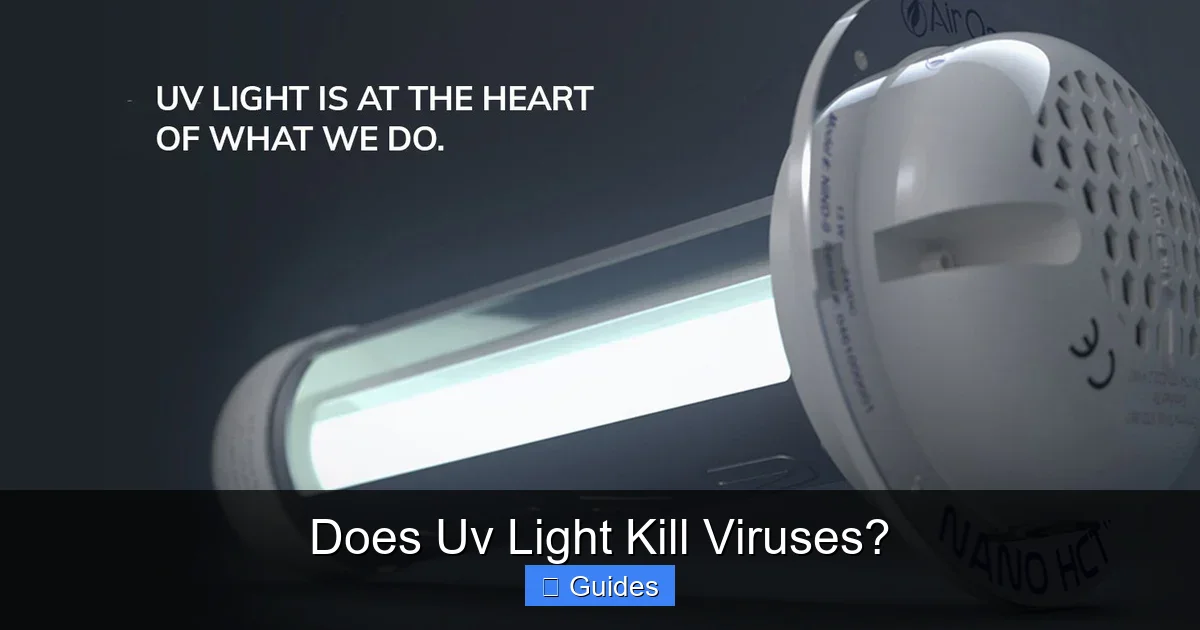
This is the most common form of UV-C disinfection. It typically uses low-pressure mercury lamps that emit UVC at a wavelength of 254 nanometers (nm). This wavelength is extremely effective at inactivating a broad spectrum of pathogens, including many types of viruses, bacteria, and molds.
Applications of Conventional UV-C:
- Hospital Sterilization: Often used in operating rooms, patient rooms, and isolation units to supplement manual cleaning, particularly for hard-to-reach surfaces or after discharge of infectious patients.
- Water Treatment: UV-C systems are widely used to disinfect drinking water, wastewater, and ballast water on ships, eliminating pathogens without adding chemicals.
- Air Purification: Integrated into HVAC systems, UV-C coils can disinfect circulating air, reducing airborne transmission of viruses and bacteria in public buildings, offices, and homes.
- Surface Disinfection Robots: Autonomous robots equipped with UV-C lamps are deployed in hospitals and other large facilities to quickly and efficiently disinfect large areas.
Far-UVC Light: A Game-Changer on the Horizon?
A more recent and exciting development is “Far-UVC” light, which operates at slightly shorter wavelengths, typically around 222 nm. What makes Far-UVC particularly promising is its potential to kill viruses and bacteria effectively while being safe for human exposure.
How Far-UVC Differs:
The key difference lies in how Far-UVC interacts with human tissue. At 222 nm, the light cannot penetrate the outer, dead layer of human skin (stratum corneum) or the tear fluid layer of the eye. This means it doesn’t reach the living cells underneath, preventing cellular damage that conventional UV-C would cause. However, viruses and bacteria are much smaller than human cells, so Far-UVC can still penetrate and damage their genetic material, rendering them harmless.
Potential Future Applications of Far-UVC:
- Continuous Disinfection in Occupied Spaces: Imagine airports, schools, offices, or public transport systems where Far-UVC lights are continuously disinfecting the air and surfaces, significantly reducing pathogen transmission without harming people.
- Surgical Suites: Providing constant disinfection during operations to minimize infection risks.
- Food Processing Facilities: Enhancing food safety by reducing microbial contamination on surfaces and in the air.
While research into Far-UVC is ongoing and promising, it’s not yet widely available for general public use, and further studies are needed to confirm long-term safety and efficacy.
Practical Applications of UV-C Disinfection in Everyday Life
UV-C technology, particularly conventional germicidal UV-C, has found its way into many aspects of our lives, often without us even realizing it. From large-scale industrial uses to smaller home devices, its power to kill viruses is being harnessed for public health.
Healthcare Settings
Hospitals, clinics, and laboratories were among the first to adopt UV-C disinfection due to the critical need for sterile environments.
- Room Disinfection: After a patient leaves an isolation room, UV-C robots or portable units are often brought in to “zap” all surfaces, reaching areas that might be missed by manual cleaning.
- Equipment Sterilization: Delicate medical instruments that cannot withstand high heat or harsh chemicals can be sterilized using UV-C light.
- Air Handling Systems: UV-C lamps are installed in HVAC ducts to kill airborne pathogens as air circulates, improving indoor air quality and reducing the spread of infections.
Water and Wastewater Treatment
UV-C is a crucial component of modern water treatment.
- Drinking Water: Many municipalities use UV-C to disinfect drinking water after filtration, providing an effective barrier against waterborne viruses and bacteria like Giardia and Cryptosporidium, often replacing or supplementing chlorine.
- Wastewater: Before treated wastewater is discharged back into the environment, UV-C helps ensure that residual pathogens are inactivated, protecting ecosystems and public health.
- Swimming Pools and Spas: UV-C systems can reduce the need for harsh chemicals in pools by inactivating microorganisms, making the water safer and more pleasant for swimmers.
Commercial and Public Spaces
As awareness of germ transmission grows, UV-C is increasingly found in various commercial environments.
- Food Industry: Used to sterilize surfaces, equipment, and even packaging materials in food processing plants, extending shelf life and preventing foodborne illnesses.
- Laboratories: Essential for sterilizing lab benches, equipment, and biosafety cabinets to prevent contamination during experiments.
- Mass Transit: Some transit systems are experimenting with UV-C light in subway cars, buses, and stations to disinfect surfaces, especially during off-peak hours.
Home and Personal Use Devices
A surge in interest for personal protection has led to many smaller, consumer-oriented UV-C products.
- Smartphone Sanitizers: Many devices claim to sanitize your phone by exposing it to UV-C light in a small enclosed chamber.
- Toothbrush Sanitizers: Small units designed to sanitize toothbrushes after use.
- UV Wands: Handheld devices marketed for disinfecting small surfaces like keyboards, doorknobs, or packages.
It’s crucial to exercise extreme caution with these personal devices and understand their limitations and safety risks, which we’ll discuss next.
Safety Considerations and Limitations of UV-C
While UV-C light is incredibly powerful in killing viruses, it comes with significant safety concerns and limitations that absolutely must be understood. It’s a double-edged sword: highly effective but potentially hazardous.
Dangers of Direct Exposure
The very mechanism that allows UV-C to damage viral DNA also applies to human cells. Direct exposure to conventional UV-C light can cause serious harm:
- Skin Damage: It can cause painful “UV burns” similar to severe sunburn, leading to redness, blistering, and long-term skin damage, including an increased risk of skin cancer.
- Eye Damage: Even brief exposure can lead to photokeratitis, a painful inflammation of the cornea, often described as a “sunburn of the eye.” This can cause blurred vision, pain, and sensitivity to light. Repeated exposure can lead to more severe damage like cataracts.
Because of these risks, conventional UV-C systems are designed to operate only when people are not present, or they incorporate extensive shielding and safety interlocks. Never look directly at a UV-C lamp or expose unprotected skin to it.
Effectiveness Limitations
UV-C light isn’t a magic bullet that solves all disinfection challenges. It has several inherent limitations:
- Line of Sight: UV-C light only disinfects what it directly shines on. It cannot penetrate objects, shadows, or even thick layers of dust. If a virus is hiding under a piece of paper, behind a computer monitor, or in a shadowed corner, the UV-C light won’t reach it, and therefore won’t kill it. This makes it challenging to ensure complete disinfection of complex surfaces.
- Surface Cleanliness: Organic matter like dirt, dust, and bodily fluids can block UV-C light, creating a shield for viruses. For UV-C to be most effective, surfaces generally need to be pre-cleaned. This is why UV-C is often a *supplement* to traditional cleaning methods, not a replacement.
- Dosage and Exposure Time: For effective inactivation, viruses need a specific “dose” of UV-C, which is a combination of intensity and exposure time. A low-powered lamp or very brief exposure might not deliver enough energy to fully inactivate all viruses.
- Material Degradation: Prolonged exposure to UV-C can degrade certain materials, especially plastics, causing them to become brittle, discolored, or weakened over time. This is why UV-C is typically used in controlled environments and not for general, continuous exposure to household items.
Choosing Safe and Effective Devices
With the proliferation of consumer UV-C devices, it’s vital to be a discerning buyer. Many small, inexpensive UV wands or boxes may not deliver enough UV-C intensity to be truly effective against viruses, or they may not have adequate safety features to prevent accidental exposure. Always look for certifications and clear safety warnings, and prioritize devices that fully enclose the UV-C source to prevent accidental exposure. Better yet, consult with experts or rely on established, industrial-grade solutions for critical disinfection needs.
The Future of UV Technology in Virus Control
The ongoing advancements in UV technology hold immense promise for enhancing public health and safety, especially in our collective efforts to control the spread of viruses.
Smarter and Safer Systems
The development of Far-UVC is a significant leap forward, offering the potential for continuous, active disinfection in occupied public spaces. Imagine an airport with overhead Far-UVC lighting that constantly purifies the air and surfaces, significantly reducing the risk of viral transmission without anyone having to leave the area. This could transform how we manage infection control in hospitals, schools, offices, and even public transportation.
Integration with Smart Technology
Future UV disinfection systems will likely be integrated with smart technologies. Think of sensors that detect occupancy and automatically activate UV-C cycles when a room is empty, or advanced robotics that map and disinfect spaces with precision, ensuring comprehensive coverage. AI could even analyze airflow patterns to strategically place UV-C air purifiers for maximum effectiveness.
Targeted and Efficient Solutions
Research continues to explore specific wavelengths and pulse durations of UV light that might be more effective against certain types of viruses or require lower energy consumption. This could lead to more targeted and energy-efficient disinfection solutions, making UV technology even more sustainable and widely adoptable.
Beyond Disinfection: Medical Applications
Beyond surface and air disinfection, UV light also has promising medical applications. For example, some treatments for skin conditions like psoriasis use specific types of UV light (phototherapy). While not directly killing viruses in this context, the research into UV’s interaction with biological systems is constantly expanding.
Ultimately, UV light, particularly the UV-C spectrum, is a powerful and proven tool in the fight against viruses. When used correctly and safely, it offers a chemical-free, effective method for inactivation. As technology evolves and our understanding deepens, UV solutions will undoubtedly play an even larger role in creating healthier, safer environments for everyone. It’s an exciting time to watch this invisible force continue to make a visible difference.
🎥 Related Video: UV light kills viruses. Why isn't it everywhere?
📺 Vox
The promise and pitfalls of using light to stop germs. Subscribe to our channel! http://goo.gl/0bsAjO When you think of disinfecting …
Frequently Asked Questions
What is the most effective type of UV light for killing viruses?
The most effective type of UV light for killing viruses is UV-C light. This specific wavelength range (100-280 nanometers) directly damages the genetic material (DNA or RNA) of viruses, rendering them unable to replicate and cause infection.
Is UV light disinfection safe for use in homes?
Conventional UV-C light is generally not safe for direct use in occupied homes due to its harmful effects on human skin and eyes. While some enclosed UV-C devices exist for specific items, whole-room disinfection should only be attempted with professional, automated systems that ensure no human exposure.
Can UV light penetrate surfaces to kill viruses?
No, UV light, especially UV-C, cannot penetrate solid surfaces or even significant layers of dust, dirt, or organic matter. It only disinfects the surfaces that it directly illuminates, meaning any shadowed areas or hidden pathogens will not be affected.
Does UV light remove dust or dirt?
No, UV light is a disinfectant, not a cleaning agent. It will inactivate microorganisms, but it does not remove physical dust, dirt, or other debris. For UV-C to be most effective, surfaces should ideally be cleaned of organic matter first.
What is Far-UVC light and how is it different?
Far-UVC light is a newer category of UV-C, typically around 222 nm, that shows promise for being safe for human skin and eyes while still effectively killing viruses and bacteria. Its shorter wavelength means it cannot penetrate the outer dead layer of skin or tear fluid in the eyes, preventing harm to living human cells.
Does the sun’s UV light kill viruses?
Yes, the UV light from the sun (primarily UVA and UVB, as UVC is blocked by the ozone layer) can kill viruses, but it’s much less efficient than artificial UV-C lamps. The intensity and duration of natural sunlight exposure needed to inactivate viruses are often impractical for effective disinfection.
