


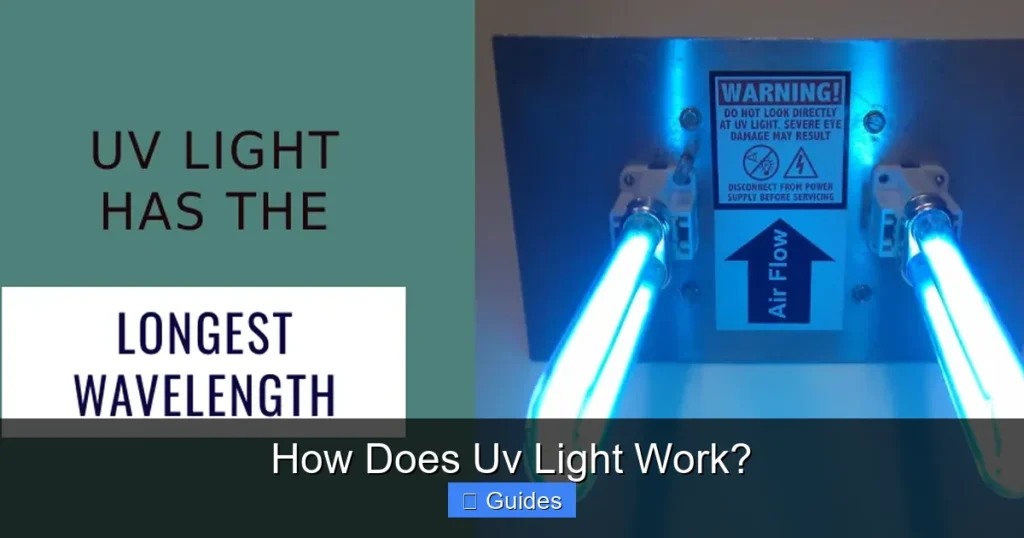
UV light is a fascinating part of the electromagnetic spectrum, invisible to our eyes but packed with energy. It works by exciting molecules, causing chemical changes that can lead to everything from tanning our skin to destroying harmful germs. Understanding its different types and how they interact with matter reveals its immense power and versatility in countless everyday applications.
How Does Uv Light Work?
Have you ever wondered what exactly makes the sun’s rays feel warm, or how a special lamp can sanitize a surface without harsh chemicals? The answer often lies with an invisible force known as Ultraviolet (UV) light. It’s all around us, in sunlight, and increasingly in technologies designed to keep us safe and healthy. But what is this mysterious light, and more importantly, how does UV light work its magic?
It’s not just a simple on-off switch. The way UV light works involves intricate interactions at the molecular level, affecting everything from our skin cells to the DNA of harmful microorganisms. Understanding this powerful part of the electromagnetic spectrum can shed light on why a sunny day feels good, why you need sunscreen, and how hospitals fight superbugs.
In this guide, we’re going to pull back the curtain on UV light. We’ll explore its different types, dive into the fascinating science of how it interacts with matter, and uncover the incredible ways we harness its power in our daily lives. So, get ready to explore the unseen world of UV and discover the science behind its amazing capabilities!
Key Takeaways
- UV Light is Part of the Electromagnetic Spectrum: It sits between visible light and X-rays, carrying more energy than visible light but less than X-rays, making it capable of influencing molecular structures.
- Three Main Types of UV Light Exist: UVA (longest wavelength, causes tanning and aging), UVB (mid-range, causes sunburn and Vitamin D production), and UVC (shortest, most energetic, germicidal, largely blocked by Earth’s atmosphere).
- UV Works by Exciting Electrons: When UV photons hit molecules, their energy is absorbed by electrons, moving them to higher energy states or even breaking chemical bonds, leading to various biological and chemical effects.
- DNA Damage is a Key Mechanism: Both UVB and UVC can damage DNA by forming abnormal bonds, which is how they kill microbes but also harm human cells, contributing to skin cancer and aging.
- Germicidal UVC is Highly Effective for Sterilization: By scrambling the DNA and RNA of bacteria, viruses, and fungi, UVC radiation renders them unable to reproduce or cause infection, making it vital for disinfection.
- UV Light Has Diverse Practical Applications: From purifying water and air, curing resins and inks, authenticating documents, and even helping with medical treatments, its unique properties are harnessed in many industries.
- Protection from UV is Crucial: While beneficial in moderation (e.g., Vitamin D), excessive UV exposure, especially from UVA and UVB, can cause significant damage to skin and eyes, necessitating protective measures like sunscreen and proper eyewear.
Quick Answers to Common Questions
What are the three main types of UV light?
The three main types of UV light are UVA, UVB, and UVC, categorized by their wavelength and energy levels, each with distinct effects on living organisms and materials.
How does UV light kill germs?
UV light, specifically UVC, kills germs by damaging their DNA and RNA. This damage prevents microbes like bacteria and viruses from replicating and carrying out essential cellular functions, effectively inactivating them.
Can UV light penetrate glass?
Yes, most types of UV light, especially UVA, can penetrate standard window glass. However, much of the UVB light is blocked by glass, and UVC light is typically blocked completely.
Is UV light always harmful?
No, UV light is not always harmful. While excessive exposure is detrimental, moderate UVB exposure is essential for Vitamin D synthesis in humans, and controlled UV light is used beneficially in medical treatments and sterilization.
What does “broad-spectrum” sunscreen mean?
“Broad-spectrum” sunscreen means it provides protection against both UVA and UVB rays. UVA contributes to aging, while UVB causes sunburn and contributes to skin cancer, so broad-spectrum protection is crucial.
📑 Table of Contents
1. The Unseen Spectrum: What Exactly is UV Light?
Before we can understand how UV light works, let’s get a grip on what it actually is. UV light is a form of electromagnetic radiation, just like radio waves, microwaves, visible light, X-rays, and gamma rays. These all travel in waves and form a continuous spectrum, differentiated by their wavelength and frequency.
The Electromagnetic Spectrum’s Unseen Side
Think of a rainbow – that’s the visible light spectrum. UV light sits just beyond the violet end of that rainbow, meaning its waves are shorter and carry more energy than visible light. Because its wavelength is shorter, our eyes can’t detect it, making it “ultraviolet” – beyond violet. This higher energy content is key to understanding its powerful effects.
Wavelengths are measured in nanometers (nm). Visible light ranges from roughly 400 nm (violet) to 700 nm (red). UV light, on the other hand, typically falls within the 10 nm to 400 nm range. This seemingly small difference in wavelength translates to a big difference in how it interacts with the world around us.
Different Flavors of UV: UVA, UVB, and UVC
Not all UV light is created equal. Scientists divide UV radiation into three main categories based on wavelength, and each has distinct properties and effects.
- UVA (315 – 400 nm): This is the longest wavelength UV light, accounting for about 95% of the UV radiation that reaches the Earth’s surface. UVA penetrates deeply into the skin, contributing to skin aging, wrinkles, and indirectly to some skin cancers. It’s often associated with tanning and is less intense than UVB, but its effects accumulate over time. Think of UVA as the “aging ray.”
- UVB (280 – 315 nm): Shorter and more energetic than UVA, UVB is the primary cause of sunburn. While most UVB is absorbed by the ozone layer, a significant portion still reaches us. It plays a crucial role in Vitamin D synthesis in the skin but is also a major contributor to skin cancer development. Think of UVB as the “burning ray.”
- UVC (100 – 280 nm): This is the shortest and most energetic type of UV radiation. Fortunately, UVC is almost entirely absorbed by the Earth’s ozone layer and atmosphere, so it doesn’t reach us from the sun. However, artificial UVC sources are incredibly powerful for germicidal applications due to their ability to destroy DNA. Think of UVC as the “killing ray.”
Understanding these distinctions is fundamental to grasping how UV light works in various contexts, from natural sun exposure to specialized technologies.
2. The Science Behind UV Light’s Power: How it Works on a Molecular Level
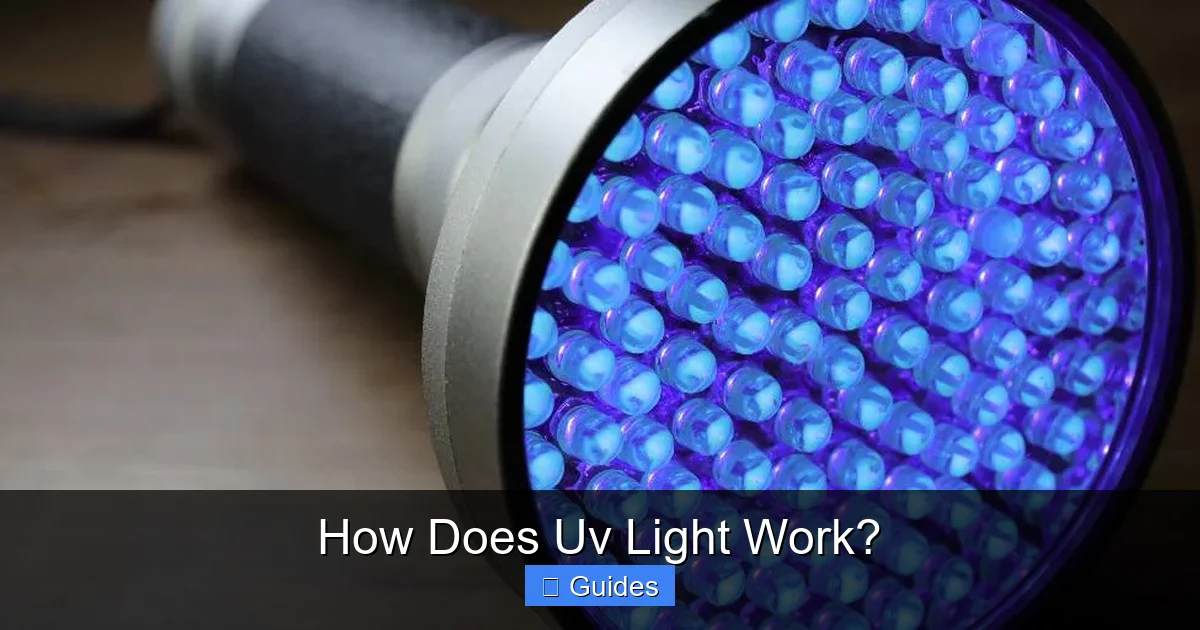
Visual guide about How Does Uv Light Work?
Image source: cdn.shortpixel.ai
The true power of UV light lies in its ability to interact with matter at a microscopic level. It’s not just “light” in the way we usually think of it; it’s a stream of energy packets called photons.
When Photons Meet Molecules
When a UV photon strikes an atom or molecule, it transfers its energy to that atom or molecule. Unlike lower-energy visible light, UV photons carry enough energy to actually excite electrons within the molecules. Imagine an electron orbiting the nucleus of an atom. When it absorbs a UV photon, it gets a burst of energy, jumping to a higher energy level. This change in energy state is the starting point for many of UV’s effects.
For some molecules, especially organic ones like those found in living cells, the energy transferred by a UV photon can be so great that it breaks chemical bonds. This is a crucial aspect of how UV light works, leading to significant structural changes within the molecule.
The Dance of Electrons and Bonds
This energy transfer and bond-breaking capability are what give UV light its unique properties.
* Excitation: Electrons move to higher energy orbitals. This can lead to the emission of light at a longer wavelength (fluorescence), which is why some materials glow under a blacklight (a UVA lamp).
* Photochemical Reactions: The excited electrons or broken bonds can initiate new chemical reactions. For example, in our skin, UV light triggers melanin production (tanning) and Vitamin D synthesis.
* Photodamage: In biological molecules like DNA, the energy from UV can cause specific types of damage. Instead of just exciting an electron, it can create abnormal bonds between adjacent molecules, distorting their structure. This is particularly relevant for UVB and UVC.
The key takeaway here is that UV light isn’t just warming things up; it’s actively changing the chemical structure of molecules it encounters. This fundamental interaction explains its diverse applications and effects.
3. How UV Light Interacts with Living Organisms
Now that we know UV light can alter molecules, let’s explore its profound impact on living things. This is where the concepts of DNA damage, sterilization, and even Vitamin D production come into play.
UV and DNA: A Double-Edged Sword
One of the most significant ways UV light works, especially UVB and UVC, is by damaging DNA (Deoxyribonucleic Acid) and RNA (Ribonucleic Acid). DNA is the blueprint of life, carrying genetic instructions for all living organisms.
When UV photons hit DNA, they can cause two adjacent pyrimidine bases (thymine or cytosine) to bond together abnormally, forming what are called “pyrimidine dimers.” Imagine two bricks in a wall suddenly fusing together, creating a bulge. This distortion in the DNA helix makes it impossible for the cell’s machinery to accurately read or replicate the genetic code.
* In Humans: While our cells have repair mechanisms, prolonged or intense exposure overwhelms them. This unrepaired DNA damage can lead to mutations, which are the primary cause of skin cancers (melanoma, basal cell carcinoma, squamous cell carcinoma) and contribute to premature skin aging. This is why limiting direct sun exposure and using sunscreen are vital.
* In Microbes: For bacteria, viruses, and other microorganisms, this DNA damage is often lethal. Their simpler cellular structures and limited repair capabilities make them highly susceptible.
Destroying Microbes: The Germicidal Power
The ability of UVC light to damage DNA and RNA makes it an incredibly effective germicidal agent. This is the core principle behind how UVC light works in disinfection. When UVC radiation passes through the cell walls of bacteria, viruses, and spores, it penetrates their genetic material. The formation of pyrimidine dimers disrupts their ability to perform vital functions:
* Replication: They cannot copy their DNA, preventing them from multiplying.
* Transcription: They cannot read their genetic code to produce essential proteins.
Essentially, UVC renders them inactive and unable to reproduce, effectively killing them or neutralizing their ability to cause infection. This makes UVC light a powerful tool for sterilizing surfaces, air, and water without chemicals.
The Sun’s Gift: Vitamin D Production
While the DNA-damaging effects of UV are concerning, there’s a beneficial side too. Specifically, UVB light plays a crucial role in the production of Vitamin D in our skin. When UVB photons strike the skin, they convert a cholesterol precursor (7-dehydrocholesterol) into pre-vitamin D3, which then metabolizes into active Vitamin D3.
Vitamin D is essential for bone health, immune function, and overall well-being. A moderate amount of sun exposure (typically 10-30 minutes several times a week, depending on skin type and location) can be sufficient for Vitamin D synthesis. However, balancing this benefit with the risks of excessive UV exposure is key.
4. Real-World Applications of UV Light
The unique properties of how UV light works have led to its integration into countless technologies and industries. From purifying our water to curing our nail polish, UV light is a silent workhorse.
Keeping Things Clean: Disinfection and Sterilization
One of the most impactful applications of UV light, specifically UVC, is in disinfection. Its ability to destroy the DNA of microorganisms makes it invaluable.
* Water Purification: Many municipalities and homes use UVC lamps to treat drinking water. Water flows past the UVC lamp, and the radiation inactivates any bacteria, viruses, or protozoa present, making the water safe to drink without adding chemicals like chlorine. This is a clean, effective way for how UV light works in water treatment.
* Air Purification: UVC lamps are integrated into HVAC systems and air purifiers to kill airborne pathogens as air circulates. This is particularly useful in hospitals, laboratories, and schools to reduce the spread of infectious diseases.
* Surface Sterilization: Hospitals, dental offices, and laboratories use UVC light to sterilize equipment and surfaces. Portable UVC wands and robots are also gaining popularity for quick disinfection in various environments, illustrating how UV light works to enhance hygiene.
* Food and Beverage Industry: UVC is used to sanitize processing equipment, packaging, and even the food itself (e.g., fruit and vegetable surfaces) to extend shelf life and prevent contamination.
The Beauty and the Burn: Tanning Beds
UVA and, to a lesser extent, UVB are used in tanning beds to stimulate melanin production in the skin, resulting in a tan. While many find a tan aesthetically pleasing, it’s actually the skin’s defense mechanism against UV radiation. The energy from UVA photons causes melanin to oxidize and darken, while UVB stimulates melanocytes to produce more melanin. Despite the cosmetic appeal, tanning beds carry significant health risks due to intense UV exposure.
Industrial Marvels: Curing and Authenticity Checks
Beyond biology, the photochemical reactions induced by UV light are harnessed in various industrial processes.
* UV Curing: Many adhesives, coatings, and inks contain photoinitiators that rapidly polymerize and harden when exposed to UV light (often UVA). This “UV curing” is used in everything from dental fillings and nail polish (gel nails) to manufacturing electronics and printing. It’s faster, more energy-efficient, and produces fewer volatile organic compounds than traditional drying methods.
* Forensics and Authentication: Blacklights (UVA lamps) are crucial tools for forensic scientists. They can reveal latent fingerprints, bodily fluids, counterfeit currency, and altered documents because many substances fluoresce (glow) under UV light. This non-destructive method shows how UV light works to expose hidden details.
* Medical Phototherapy: Controlled exposure to specific wavelengths of UV light, particularly UVB, is used to treat certain skin conditions like psoriasis, eczema, and vitiligo. These treatments leverage UV’s ability to modulate immune responses and reduce inflammation, under strict medical supervision.
5. Risks and Safety Precautions: Protecting Yourself from UV Light
While UV light offers incredible benefits, its powerful nature also means it poses significant risks to human health if not managed properly. Understanding how UV light works includes recognizing its potential for harm and taking protective measures.
Protecting Your Skin: The ABCs of Sunscreen
Excessive exposure to UVA and UVB radiation is the leading cause of skin damage, premature aging, and skin cancer.
* Sunburn: Primarily caused by UVB, sunburn is an inflammatory reaction to damaged skin cells.
* Premature Aging: UVA penetrates deep into the skin, damaging collagen and elastin fibers, leading to wrinkles, fine lines, and sagging.
* Skin Cancer: Both UVA and UVB contribute to DNA damage that can lead to melanoma, basal cell carcinoma, and squamous cell carcinoma.
To protect your skin:
- Seek Shade: Especially between 10 a.m. and 4 p.m. when UV intensity is highest.
- Wear Protective Clothing: Long-sleeved shirts, pants, and wide-brimmed hats offer excellent protection. Look for clothing with a UPF (Ultraviolet Protection Factor) rating.
- Use Broad-Spectrum Sunscreen: Choose a sunscreen with an SPF (Sun Protection Factor) of 30 or higher. “Broad-spectrum” means it protects against both UVA and UVB rays. Apply generously 15-30 minutes before sun exposure and reapply every two hours, or more often if swimming or sweating.
Guarding Your Eyes: Sunglasses and Beyond
Your eyes are also highly vulnerable to UV damage. Short-term exposure can cause photokeratitis (a painful “sunburn of the eye”), while chronic exposure can lead to cataracts, macular degeneration, and even cancers of the eye or eyelids.
To protect your eyes:
- Wear UV-Blocking Sunglasses: Choose sunglasses that block 99-100% of both UVA and UVB rays. Look for labels like “UV400” or “100% UV protection.” This is crucial for how UV light works on your eyes.
- Wear a Hat: A wide-brimmed hat provides additional shade for your eyes and face.
Safe Handling of Artificial UV Sources
When dealing with artificial UV-emitting devices, especially UVC, extreme caution is necessary. UVC is powerful enough to cause severe burns to the skin and eyes in seconds, even with brief direct exposure.
* Never Look Directly at a UVC Lamp: Always wear appropriate UV-protective eyewear (e.g., full-face shields or goggles designed for UVC).
* Avoid Skin Exposure: Use gloves and protective clothing when operating or near UVC devices.
* Follow Manufacturer Guidelines: Always adhere to safety instructions for any UV-emitting device, whether it’s a germicidal lamp, a nail curing light, or a forensic blacklight.
* Ventilation: Some UVC lamps can produce ozone, which is a respiratory irritant. Ensure adequate ventilation in areas where they are used.
Understanding how UV light works to cause damage is the first step in ensuring you can safely enjoy its benefits and protect yourself from its risks.
Conclusion
UV light is far more than just sunlight; it’s a powerful and versatile component of the electromagnetic spectrum with a profound impact on our world. From the subtle changes it induces in our skin to the dramatic destruction of microbial pathogens, the science of how UV light works is a testament to its energy and unique molecular interactions.
We’ve journeyed through its different types – UVA, UVB, and the potent UVC – and explored how each interacts with biological systems and inanimate matter. From contributing to life-sustaining Vitamin D production to providing indispensable tools for disinfection, industrial curing, and forensic investigation, UV light plays a pivotal role in modern society.
However, with great power comes great responsibility. The very energy that makes UV light so effective also makes it a potential hazard to our health. By understanding these risks and diligently practicing protective measures, we can continue to harness the incredible capabilities of UV light while safeguarding ourselves and our loved ones. So next time you step into the sun or see a UV sanitizer at work, you’ll know exactly how this invisible marvel truly operates.
🎥 Related Video: UV light kills viruses. Why isn't it everywhere?
📺 Vox
The promise and pitfalls of using light to stop germs. Subscribe to our channel! http://goo.gl/0bsAjO When you think of disinfecting …
Frequently Asked Questions
What is the primary difference between UVA and UVB light?
The primary difference lies in their wavelengths and penetration depth. UVA has a longer wavelength, penetrates deeper into the skin, and is mainly responsible for aging and tanning. UVB has a shorter wavelength, causes sunburn, and is crucial for Vitamin D synthesis, but also a major contributor to skin cancer.
Why don’t we get UVC from the sun?
We don’t get UVC from the sun because Earth’s atmosphere, particularly the ozone layer, absorbs almost all of it. UVC is the most energetic and shortest wavelength of UV light, making it extremely damaging, which is why its natural blocking by the atmosphere is vital for life on Earth.
How is UV light used in water purification?
In water purification, UVC lamps are used to disinfect water by inactivating microorganisms. As water flows past the UVC lamp, the radiation damages the DNA and RNA of bacteria, viruses, and other pathogens, rendering them unable to reproduce or cause illness.
Can a blacklight (UV light) damage your eyes?
Yes, while typical blacklights (UVA lamps) are less immediately harmful than more intense UV sources like UVC, prolonged or direct exposure can still contribute to eye damage over time, including cataracts. It’s always best to avoid staring directly into any UV light source.
Does UV light work instantly for disinfection?
UV light works very quickly for disinfection, often inactivating microbes in seconds to minutes, depending on the intensity of the lamp and the exposure time. However, it only disinfects surfaces or air directly exposed to the light; it cannot penetrate shadows or solid objects.
Is UV light effective against all types of germs?
UV light, particularly UVC, is highly effective against a broad spectrum of microorganisms, including most bacteria, viruses, and fungi. While different microbes have varying sensitivities, UVC effectively damages the genetic material of most known pathogens, preventing them from reproducing and causing infection.
