


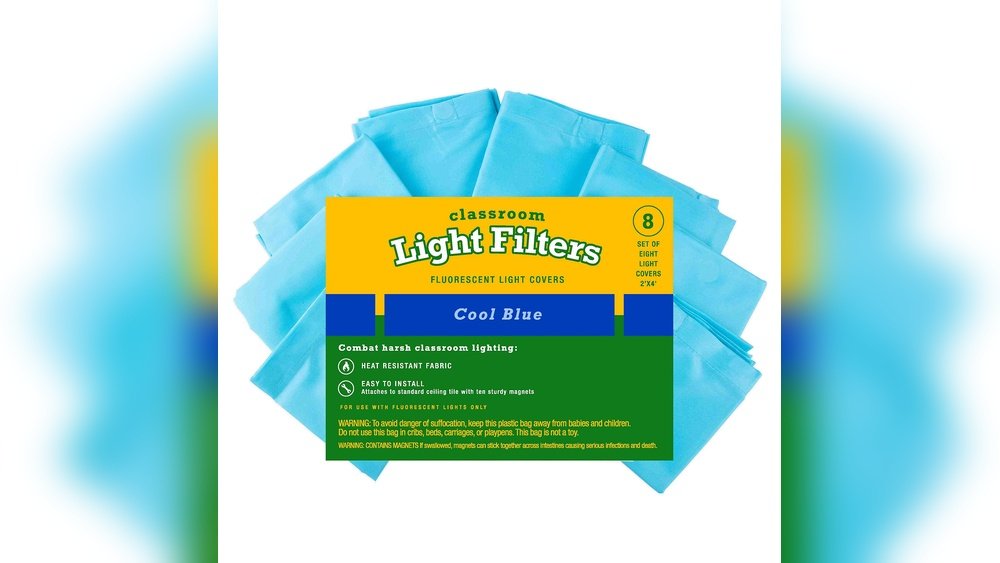
Are you worried about your light covers melting or cracking from high heat? Choosing the right heat-resistant light covers is key to keeping your lights safe and your space looking great.
But with so many options out there, how do you know which one is best for your needs? You’ll discover simple tips to pick covers that protect your lights and last longer. Keep reading to find out how to make a smart choice that saves you time and money.

Credit: www.educationalinsights.com
Types Of Heat-resistant Materials
Heat-resistant light covers come in various materials. Each type offers unique benefits for safety and durability. Choosing the right material depends on your needs and environment. Understanding the common types helps you make a smart choice.
Glass Covers
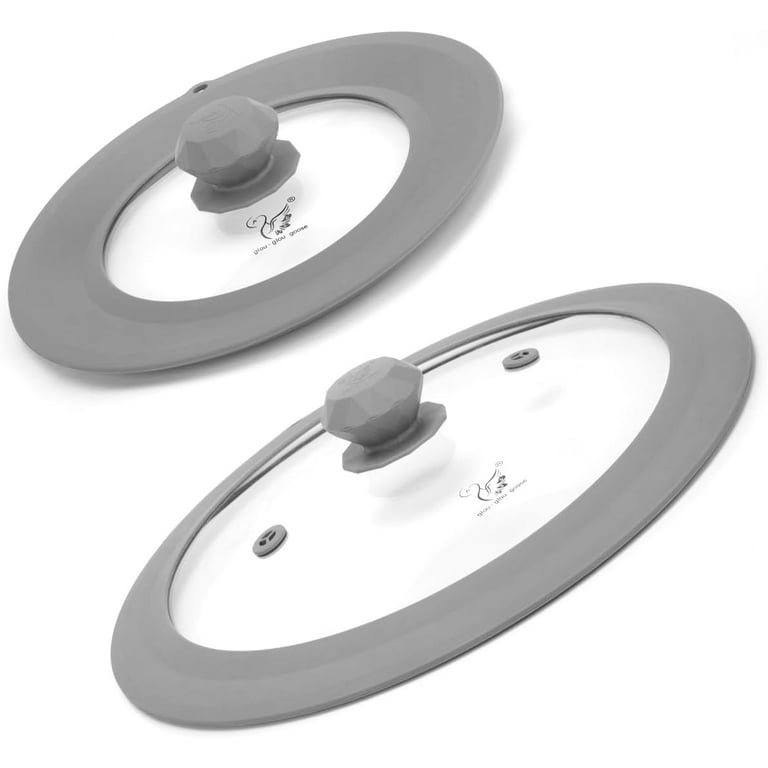
Glass covers resist heat well and look clear and clean. They handle high temperatures without melting or warping. Glass is easy to clean and does not change color over time. These covers protect bulbs while allowing bright light to pass through.
Silicone Covers
Silicone covers are flexible and soft to touch. They tolerate heat and can bend without breaking. Silicone works well in places where covers might get bumped or moved. They also resist dust and moisture, making them low-maintenance.
Metal Covers
Metal covers are strong and last a long time. They reflect heat away from the bulb, keeping the light cool. Metals like aluminum or stainless steel do not burn or melt easily. These covers add a sleek, modern look to lighting fixtures.
Ceramic Covers
Ceramic covers handle very high heat without damage. They stay cool on the outside, protecting nearby objects. Ceramics do not corrode or lose shape with heat exposure. They suit industrial or outdoor lighting setups well.
Credit: www.walmart.com
Key Factors To Consider
Choosing the right heat-resistant light cover is important for safety and durability. The cover must handle the heat from the bulb without melting or cracking. It should fit well and match the type of bulb you use. Safety certifications also matter to ensure the product meets standards. Below are key factors to consider for the best choice.
Heat Tolerance Levels
Check the maximum temperature the cover can handle. Different bulbs produce different heat amounts. A cover with high heat tolerance lasts longer and stays safe. Avoid covers with low heat ratings for strong bulbs.
Size And Shape Compatibility
Pick a cover that fits your light fixture perfectly. The size and shape must match the bulb and fixture design. A wrong fit can cause heat buildup or falling hazards. Measure the bulb and fixture before buying.
Light Bulb Type
Know the type of bulb you use: LED, incandescent, or halogen. Some covers work better with certain bulbs. For example, LED bulbs produce less heat and may need less heat resistance. Match the cover to your bulb type for best results.
Safety Certifications
Look for covers with safety marks like UL or CE. These certifications show the product meets safety rules. Certified covers reduce risks of fire or damage. Never use covers without trusted safety approvals.
Design And Aesthetic Options
Design and aesthetic options play a key role in choosing heat-resistant light covers. The right design can enhance your space’s look. It also ensures the cover fits your style and needs. This section explores color choices, surface finishes, and customizable features.
Color Choices
Color affects the light’s mood and room atmosphere. Choose from neutral shades like white, black, or gray for a classic look. Bright colors add energy and highlight the light fixture. Some covers come in translucent tones to soften the light.
Consider the room’s color scheme. Match or contrast the cover with walls and furniture. This small detail can change the entire space feel.
Surface Finishes
Surface finishes change the cover’s texture and appearance. Matte finishes reduce glare and create a smooth look. Glossy finishes reflect light and add shine. Textured finishes add depth and interest to the design.
Pick a finish that suits the room’s style. For example, matte fits modern rooms. Glossy works well in classic spaces.
Customizable Features
Customizable options let you tailor the cover to your needs. Some covers allow size adjustments to fit unusual fixtures. Others offer removable parts for easy cleaning or changing styles.
Custom engraving or patterns can add a personal touch. This turns a simple cover into a unique decor piece. Choose features that improve both function and look.
Installation And Maintenance Tips
Installing heat-resistant light covers correctly helps keep your lights safe and working well. Regular maintenance extends their life and keeps them looking good. Simple steps during installation and care can prevent damage and save money.
Proper Mounting Techniques
Choose the right size cover for your light. Fit the cover securely without forcing it. Use screws or clips designed for your cover type. Avoid gaps where heat or dust can enter. Make sure the cover does not touch the bulb. This prevents heat buildup and fire risk.
Cleaning Guidelines
Turn off lights before cleaning. Use a soft cloth or sponge with mild soap. Avoid harsh chemicals that can damage the cover. Clean covers regularly to remove dust and grime. Dry covers fully before reinstalling to prevent moisture damage.
Longevity And Durability
Inspect covers often for cracks or discoloration. Replace covers that are damaged or worn out. Use covers made from strong, heat-resistant materials. Proper care helps covers last longer and stay safe. Keeping covers clean and secure improves their durability.
Cost And Budget Considerations
Choosing heat-resistant light covers means balancing cost and quality. It is important to find covers that fit your budget without sacrificing safety or durability. This section explores how to consider price, value, and where to find the best options.
Price Ranges
Heat-resistant light covers come in many price ranges. Basic models can cost as little as $10. Mid-range covers usually fall between $20 and $50. High-end covers with special materials or designs may exceed $50. Knowing your budget helps narrow down choices quickly.
Value Vs. Quality
Cheap covers might save money but may wear out fast. High-quality covers last longer and resist heat better. Spending a bit more often means fewer replacements. Look for covers made from strong materials like tempered glass or silicone. Good value means balancing cost with durability and safety.
Where To Buy
Heat-resistant covers are available at hardware stores, lighting shops, and online retailers. Physical stores let you see and touch the product before buying. Online stores offer more variety and often better prices. Read reviews to ensure the seller is reliable. Check return policies in case the cover does not fit or meet expectations.
Credit: www.amazon.com
Frequently Asked Questions
What Materials Are Best For Heat-resistant Light Covers?
Glass, silicone, and certain plastics like polycarbonate are ideal for heat resistance. These materials can withstand high temperatures without warping or melting, ensuring safety and durability in lighting fixtures.
How Do I Measure For A Heat-resistant Light Cover?
Measure the diameter and depth of your light fixture accurately. This ensures the cover fits snugly, providing optimal protection and heat dissipation without interfering with light output.
Can Heat-resistant Covers Improve Light Fixture Safety?
Yes, they prevent overheating and reduce fire risks. Heat-resistant covers protect bulbs and surrounding materials from excessive heat, enhancing overall safety in residential and commercial lighting setups.
Are Heat-resistant Light Covers Suitable For Outdoor Use?
Many heat-resistant covers are designed for outdoor use. They withstand temperature fluctuations and weather conditions, protecting lights from damage and maintaining performance in harsh environments.
Conclusion
Choosing the right heat-resistant light covers keeps your space safe and bright. Think about the material, size, and heat rating before buying. Good covers protect bulbs and last longer. They help avoid fire risks and damage. Simple steps lead to better lighting and safety.
Take your time to pick covers that fit your needs well. Safe lights make your home more comfortable and worry-free.
