


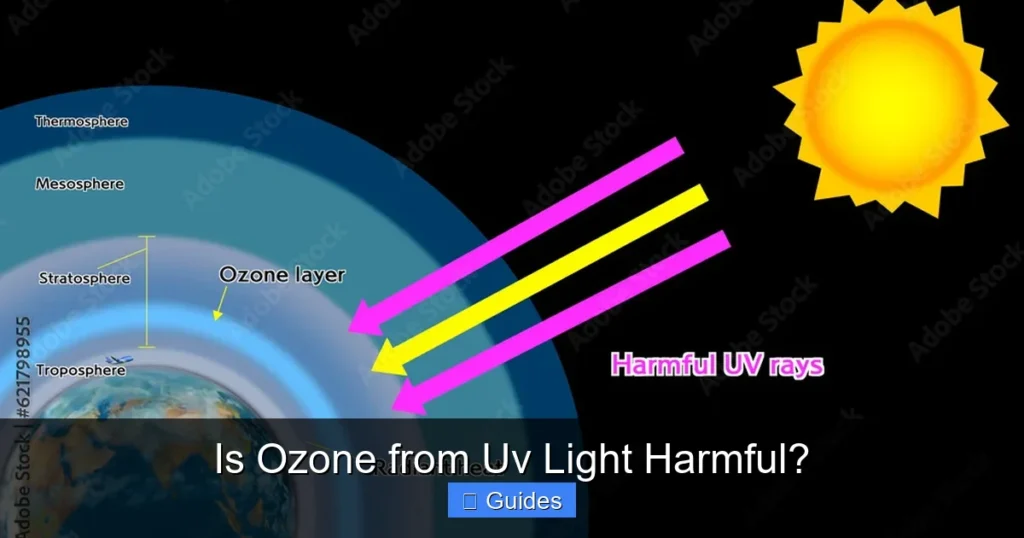
Ozone produced by UV light can be surprisingly harmful, especially when generated indoors by certain devices. While stratospheric ozone protects us from solar radiation, ground-level ozone, including that created by UV purifiers or lamps, is a potent lung irritant that poses significant health risks, from respiratory issues to aggravated asthma. Understanding its dangers and avoiding unnecessary exposure is crucial for your health and the air quality in your home.
Have you ever walked into a room and smelled that distinct “clean” or “after a lightning storm” scent, perhaps after running an air purifier or a specialized UV lamp? Many people associate this smell with freshness or sanitization, believing it signifies a purified environment. But what if that familiar aroma is actually a warning sign? We’re talking about ozone, a gas that, depending on where it is and how much there is, can be either a life-saver or a silent threat.
Our planet relies on ozone high in the atmosphere to shield us from the sun’s most damaging ultraviolet (UV) rays. This “good” ozone is vital for life on Earth. However, ozone found closer to the ground, especially indoors, is a completely different story. It’s a powerful oxidant and a known air pollutant that can have serious implications for our health. The crucial question many are asking, especially with the rise of various air treatment devices, is: “Is ozone from UV light harmful?” Let’s dive deep into the science, clear up common misconceptions, and equip you with the knowledge to protect yourself and your loved ones.
It’s true that UV light can produce ozone, but not all UV light does, and the distinction is incredibly important. Understanding this process, recognizing the dangers, and knowing how to avoid harmful exposure is key to maintaining a healthy indoor environment. So, let’s embark on this journey to separate fact from fiction and learn how to truly breathe easy.
Key Takeaways
- Ozone’s Dual Role: Naturally occurring stratospheric ozone, high in the atmosphere, is beneficial as it shields Earth from harmful UV radiation. However, ground-level ozone, whether from pollution or created by indoor devices, is a toxic air pollutant that is harmful to breathe.
- UV Light and Ozone Production: Not all UV light creates ozone, but specific types, particularly UV-C light at wavelengths around 185 nanometers, react with oxygen in the air (O2) to produce ozone (O3). Many “germicidal” UV lamps and older air purifiers operate at this wavelength.
- Significant Health Risks: Exposure to ground-level ozone, even at seemingly low concentrations, can irritate the lungs and throat, trigger asthma attacks, worsen bronchitis and emphysema, and cause permanent lung damage with prolonged exposure. It’s especially dangerous for children, the elderly, and individuals with respiratory conditions.
- No Safe Indoor Level: The U.S. Environmental Protection Agency (EPA) and other health organizations emphasize that there is no safe level of ozone to breathe, especially indoors where it can accumulate to harmful concentrations without proper ventilation.
- Beware Misleading Claims: Some manufacturers falsely market ozone generators and ozone-producing UV devices as “air purifiers” or claim ozone makes air smell “clean” or “fresh.” These claims are misleading; ozone is a toxic gas, not a cleaning agent for breathable air.
- Prioritize “Ozone-Free” Devices: When considering air purifiers or UV lamps, always choose models explicitly labeled “ozone-free” that use different UV wavelengths (like 254 nm UV-C, which does not produce ozone) or other air purification technologies that do not generate ozone.
- Ensure Proper Ventilation: If you must use a device that might produce ozone, ensure the area is extremely well-ventilated, or use it only in unoccupied spaces where the ozone can dissipate completely before re-entry. However, it’s generally best to avoid such devices for indoor air quality.
Quick Answers to Common Questions
Question 1?
Can UV air purifiers produce ozone?
Answer 1
Yes, some UV air purifiers, specifically those using UV-C lamps that emit light at 185 nanometers (nm), can produce ozone as a byproduct by reacting with oxygen in the air. However, UV-C lamps at 254 nm, also used for germicidal purposes, do not produce ozone.
Question 2?
Is there a safe level of ozone to breathe indoors?
Answer 2
No, according to the U.S. Environmental Protection Agency (EPA) and other health organizations, there is no safe level of ozone to breathe, especially in indoor environments where it can accumulate to harmful concentrations.
Question 3?
How can I tell if a device is producing ozone?
Answer 3
The most common indicator is a distinct, sharp, often described as “clean,” “metallic,” or “after a lightning storm” smell. If a device has a UV lamp, check its specifications for the UV-C wavelength; 185 nm indicates ozone production, while 254 nm is ozone-free.
Question 4?
What’s the difference between good and bad ozone?
Answer 4
“Good” ozone is in the stratosphere, forming the ozone layer that protects Earth from harmful UV radiation. “Bad” ozone is at ground level, where it acts as a toxic air pollutant, harming human respiratory health and contributing to smog.
Question 5?
Does outdoor ozone pollution affect indoor air quality?
Answer 5
Yes, outdoor ground-level ozone can infiltrate homes, especially on days with high outdoor ozone concentrations, contributing to indoor air pollution. Good sealing and filtration can help mitigate this, but it’s a factor in overall indoor air quality.
📑 Table of Contents
- What is Ozone and How is it Formed by UV Light?
- The Dual Nature of Ozone: A Tale of Two Altitudes
- Ozone Generators and UV Devices: Unveiling the Hidden Danger
- Understanding the Health Risks: Why Ozone is Harmful to You
- Practical Steps to Mitigate Ozone Exposure in Your Home
- Regulations and Expert Recommendations
- Conclusion
What is Ozone and How is it Formed by UV Light?
Ozone, scientifically known as O3, is a molecule composed of three oxygen atoms. Unlike the oxygen we breathe, which is O2 (two oxygen atoms), ozone is a much less stable and highly reactive gas. Its reactivity is what makes it both useful in some industrial applications and incredibly dangerous when inhaled.
Ozone’s Chemical Identity (O3)
At its core, ozone is a powerful oxidizing agent. This means it readily reacts with other molecules by “stealing” electrons, a process that can break down contaminants but also severely damage biological tissues. This reactivity is why it’s often marketed for its ability to neutralize odors or kill germs. However, this same characteristic is what makes it so detrimental to living organisms, including humans, animals, and plants.
Natural vs. Man-Made Formation
Ozone forms naturally in a couple of ways. High in the stratosphere, solar UV radiation splits O2 molecules into individual oxygen atoms, which then quickly combine with other O2 molecules to form O3. This is our protective ozone layer. Closer to the ground, ozone is primarily formed as a pollutant when sunlight reacts with certain chemicals (like nitrogen oxides and volatile organic compounds) emitted from cars, power plants, and industrial sources. This ground-level ozone is the main component of smog.
Man-made ozone can also be generated deliberately or as a byproduct of certain technologies. High-voltage electrical discharges (like those in photocopy machines or some air purifiers) and certain types of UV light can produce it.
The Role of UV-C Light in Ozone Production
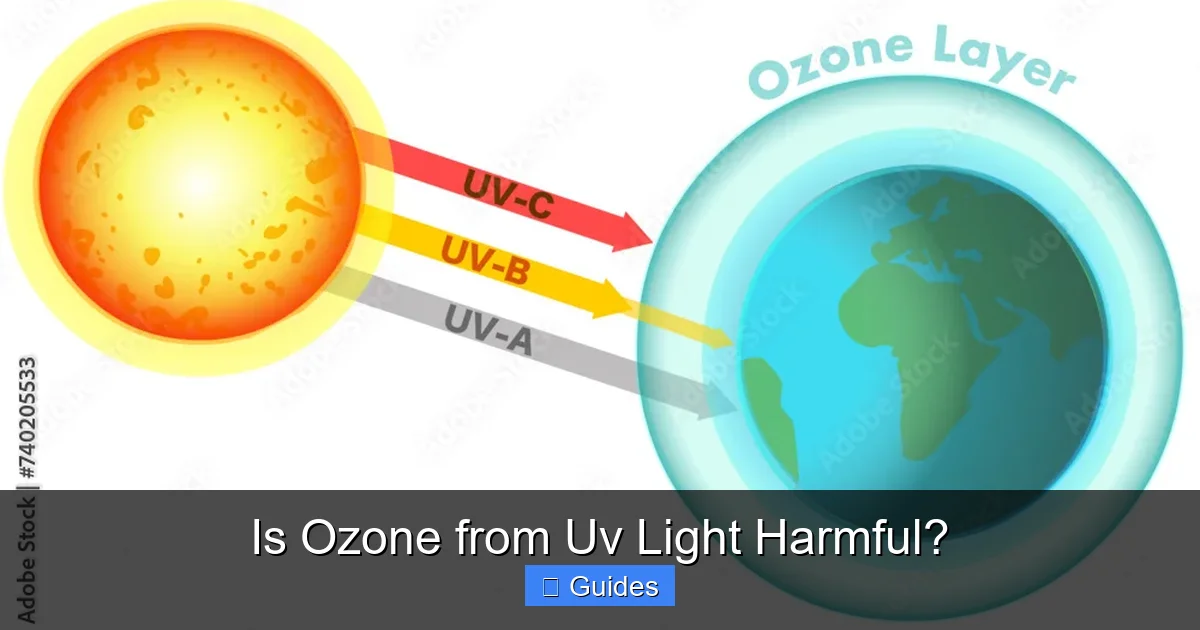
This is where the direct link between UV light and ozone formation becomes clear. Ultraviolet light is categorized into different wavelengths: UV-A, UV-B, and UV-C. While UV-A and UV-B are what mostly reach Earth’s surface from the sun, UV-C is almost entirely absorbed by the atmosphere.
However, some artificial UV lamps are designed to emit UV-C light. Specifically, germicidal UV-C lamps that produce light at a wavelength of around 185 nanometers (nm) are known to generate ozone. How? When these 185 nm UV-C photons strike oxygen (O2) molecules in the air, they have enough energy to break the O2 bond, splitting it into two individual oxygen atoms (O). These free oxygen atoms are highly unstable and quickly attach to other intact O2 molecules to form O3, or ozone.
It’s important to note that UV-C lamps operating at a wavelength of 254 nm, which are also commonly used for germicidal purposes, do *not* produce ozone. This is a critical distinction when choosing UV-based air purification or sterilization products. If a UV device is generating ozone, it’s typically operating at that ozone-producing 185 nm wavelength.
The Dual Nature of Ozone: A Tale of Two Altitudes
Visual guide about Is Ozone from Uv Light Harmful?
Image source: as2.ftcdn.net
The concept of ozone can be confusing because it has two very different roles depending on its location. It’s often referred to as “good up high, bad nearby.” Understanding this distinction is crucial to answering the question, “is ozone from UV light harmful?”
The Protective Ozone Layer (Stratospheric Ozone)
High above us, in the stratosphere (about 10 to 30 miles above Earth’s surface), lies the ozone layer. This natural blanket of O3 molecules plays an indispensable role in protecting life on our planet. It absorbs most of the sun’s harmful ultraviolet-B (UV-B) and all of the UV-C radiation before it reaches the surface. Without this protective shield, exposure to these potent UV rays would significantly increase rates of skin cancer, cataracts, and damage to plant life and marine ecosystems. This stratospheric ozone is naturally occurring and forms through a cycle involving solar UV light and oxygen. It’s a critical component of our atmospheric defense system.
The Harmful Ground-Level Ozone
In stark contrast to its beneficial role high above, ozone at ground level is a major air pollutant and a significant health concern. This “bad” ozone is not emitted directly but forms through complex chemical reactions involving sunlight and precursor pollutants like nitrogen oxides (NOx) and volatile organic compounds (VOCs). These precursors come from vehicle exhaust, industrial emissions, and chemical solvents.
When these pollutants react in the presence of sunlight, they create ground-level ozone, which is the primary component of smog. Even though some UV light is involved in its formation outdoors, the key takeaway here is that ground-level ozone, regardless of its origin (be it from outdoor pollution or indoor UV devices), is toxic and detrimental to human health. The very same reactivity that allows ozone to break down pollutants in the upper atmosphere makes it damaging to the delicate tissues of our lungs and respiratory system.
Ozone Generators and UV Devices: Unveiling the Hidden Danger
In the quest for cleaner air, many consumers encounter devices that, often unknowingly, produce ozone. It’s important to distinguish between marketing claims and scientific facts, especially when the question is, “is ozone from UV light harmful?”
Common Devices That Produce Ozone
Many devices marketed for air purification, deodorization, or sanitization can generate ozone.
- Ozone Generators: These devices are explicitly designed to produce high levels of ozone. They are often marketed for “shock treatments” to remove severe odors (e.g., smoke, mold) in unoccupied spaces. However, their use in occupied spaces is dangerous.
- Some UV Air Purifiers: As discussed, certain UV lamps, specifically those emitting UV-C light at around 185 nm, will produce ozone as a byproduct. If an air purifier claims to use UV light for “sterilization” or “oxidization” and doesn’t explicitly state “ozone-free,” it’s worth investigating its wavelength.
- Ionic Air Purifiers (older models): Some ionic air purifiers, especially older or cheaper models, can produce ozone as a byproduct of the ionization process used to charge particles.
- Electrostatic Precipitators: Similar to ionizers, some devices that use high voltage to charge particles can inadvertently generate ozone.
Misconceptions and Misleading Marketing
A significant problem is the misleading marketing surrounding ozone. Manufacturers often exploit the word “ozone” by associating it with “cleanliness” or “freshness.” They may claim that ozone effectively removes odors, kills bacteria, viruses, and mold, and purifies the air. While ozone *is* a strong oxidizing agent that can react with these substances, the concentration required to be effective at sanitization is typically far higher than what is safe for human exposure.
Furthermore, the smell often described as “clean” or “fresh” (like after a thunderstorm or near a photocopier) is the smell of ozone itself. This isn’t the smell of clean air; it’s the smell of a reactive, toxic gas. The idea that ozone cleans the air you breathe is a dangerous misconception that can lead to health problems. The EPA explicitly states that “there is no evidence that ozone, when used at concentrations that do not exceed public health standards, is effective in controlling indoor air pollution.”
“Ozone-Free” vs. Ozone-Producing Devices
When shopping for air quality devices, prioritize those explicitly labeled “ozone-free.”
- Ozone-Free UV-C: Many modern UV-C air purifiers and sanitizers use lamps that emit UV-C light at 254 nm. This wavelength is effective at germicidal action (damaging DNA of microorganisms) but does *not* produce ozone. Always check the product specifications.
- HEPA/Activated Carbon Filters: These are proven, safe methods of air purification. HEPA filters trap particles, and activated carbon filters absorb gases and odors, all without producing harmful byproducts like ozone.
If a product’s description is vague or boasts about a “fresh scent,” proceed with caution. Ask direct questions about ozone output before making a purchase. Remember, when considering if ozone from UV light is harmful, it’s always better to err on the side of caution and avoid devices that generate it.
Understanding the Health Risks: Why Ozone is Harmful to You
Despite misleading claims, the scientific consensus is clear: breathing ozone, particularly ground-level ozone or ozone generated by indoor devices, is harmful to human health. It’s not just an irritant; it’s a potent lung oxidant.
Immediate Respiratory Effects
Even short-term exposure to ozone can cause a range of immediate symptoms. Because ozone is highly reactive, it directly attacks the tissues of the lungs and airways.
- Throat Irritation and Coughing: A common first sign, often described as a tickle in the throat or a persistent cough.
- Chest Pain and Shortness of Breath: Ozone can make deep breaths painful and lead to a feeling of being unable to get enough air. This is because it causes inflammation in the airways, making them constrict.
- Lung Inflammation and Damage: Ozone acts like a “sunburn” on the inside of your lungs. It can inflame and damage the lining of the lungs, similar to how a cut or abrasion affects the skin. This damage can reduce lung function.
These symptoms can occur at relatively low concentrations, well below what many ozone generators can produce.
Aggravated Chronic Conditions
For individuals already suffering from respiratory conditions, ozone exposure can be particularly dangerous.
- Asthma Attacks: Ozone is a known trigger for asthma attacks. It makes the airways more sensitive and inflamed, leading to wheezing, coughing, and difficulty breathing.
- Bronchitis and Emphysema: People with chronic obstructive pulmonary disease (COPD), including chronic bronchitis and emphysema, are highly vulnerable. Ozone can worsen their symptoms, leading to more frequent flare-ups and potentially irreversible lung damage.
- Increased Susceptibility to Infections: By damaging the delicate lining of the lungs, ozone can compromise the respiratory system’s natural defenses, making individuals more susceptible to respiratory infections like colds and flu.
The question of “is ozone from UV light harmful?” is unequivocally answered with a “yes” when it comes to respiratory health, especially for those with existing conditions.
Vulnerable Populations
While ozone is harmful to everyone, certain groups are more susceptible to its negative effects:
- Children: Their lungs are still developing, they breathe more air per pound of body weight, and they spend more time outdoors and are more active, leading to greater exposure.
- The Elderly: Older adults often have pre-existing heart or lung conditions that make them more vulnerable.
- Individuals with Lung Diseases: Asthmatics, those with COPD, or other chronic lung conditions are at high risk.
- Outdoor Workers and Active Individuals: People who work or exercise vigorously outdoors during periods of high ground-level ozone are at increased risk due to deeper and more rapid breathing.
Long-Term Consequences
Repeated exposure to ozone over many years can lead to more severe and lasting health problems. Studies have linked chronic ozone exposure to:
- Permanent Lung Damage: Ozone can accelerate the aging of lung tissue and lead to a permanent reduction in lung function.
- Development of Asthma: In children, long-term exposure to high levels of ozone may contribute to the development of asthma.
- Increased Risk of Premature Death: Particularly for those with pre-existing heart or lung conditions, long-term exposure to ground-level ozone can contribute to premature mortality.
So, when considering if ozone from UV light is harmful, remember that even seemingly low, continuous exposure can accumulate into significant health issues over time.
Practical Steps to Mitigate Ozone Exposure in Your Home
Knowing that ozone from UV light is harmful, especially when generated indoors, empowers you to take action. Here’s how you can reduce your exposure and maintain healthier indoor air quality.
Choosing Safe Air Purification Technologies
The first and most important step is to be discerning about the devices you bring into your home.
- Opt for “Ozone-Free” Labels: If you are considering an air purifier or a UV lamp, look for explicit labeling that states “ozone-free.” For UV-C devices, ensure they specify a wavelength of 254 nm, which does not produce ozone, rather than 185 nm.
- Certified Filters: HEPA (High-Efficiency Particulate Air) filters are excellent for removing airborne particles like dust, pollen, pet dander, and mold spores. Activated carbon filters are effective at absorbing gases, odors, and some volatile organic compounds (VOCs). Look for purifiers that combine these technologies.
- Avoid Ozone Generators: Steer clear of devices marketed as “ozone generators” or those making vague claims about “oxidizing” or “freshening” the air without specifying their technology. Many reputable organizations, including the EPA and American Lung Association, advise against using ozone generators in occupied spaces.
When in doubt, research the specific device model and consult independent reviews or scientific studies rather than relying solely on manufacturer claims.
Enhancing Ventilation
Good ventilation is critical for diluting and removing any indoor pollutants, including trace amounts of ozone that might seep in from outdoors or be inadvertently produced by other sources.
- Open Windows and Doors: On days with good outdoor air quality (check local air quality indexes), opening windows and doors can significantly improve indoor air circulation.
- Use Exhaust Fans: Kitchen and bathroom exhaust fans are designed to pull air out of your home, which helps reduce concentrations of pollutants.
- HVAC Systems with Fresh Air Intake: Ensure your heating, ventilation, and air conditioning (HVAC) system is properly maintained and consider if it has a fresh air intake feature to bring in filtered outdoor air.
Device Placement and Usage
If you must use a device that might produce some ozone (though ideally, you wouldn’t for regular indoor use), careful placement and usage are essential.
- Unoccupied Spaces Only: Ozone generators or any ozone-producing devices should *only* be used in unoccupied spaces. After treatment, ventilate the area thoroughly before re-entry.
- Follow Manufacturer Guidelines: If you have a device that produces ozone (e.g., for specific industrial uses or odor remediation), follow all safety warnings and guidelines, including recommendations for personal protective equipment and ventilation.
Monitoring Air Quality
For those particularly concerned about indoor air quality, consider investing in a home air quality monitor.
- Multi-Sensor Monitors: Some advanced monitors can detect various pollutants, including particulate matter (PM2.5), VOCs, and carbon dioxide. While direct ozone sensors are less common in consumer devices, monitoring other pollutants can provide a general sense of your indoor air quality.
- Outdoor Air Quality Alerts: Pay attention to local weather reports and air quality alerts, especially for ground-level ozone. On “Code Orange” or “Red” air quality days, it’s best to keep windows closed and run your HVAC system with a good filter.
By implementing these practical steps, you can significantly reduce your risk of exposure to harmful ozone and ensure your home remains a safe haven for breathing.
Regulations and Expert Recommendations
The dangers of ground-level ozone, including ozone from UV light, are well-recognized by public health authorities and regulatory bodies worldwide. Their stance is clear: ozone is a lung irritant, and there is no safe level to breathe.
EPA Stance on Ozone Generators
The U.S. Environmental Protection Agency (EPA) has consistently issued strong warnings against the use of ozone generators in occupied spaces. The EPA states: “Results of some controlled studies show that concentrations of ozone considerably higher than these public health standards are needed to effectively remove indoor air contaminants. For many pollutants, the reaction with ozone may take hours or days, and the products of the reactions can be more toxic or irritating than the ozone itself.” They unequivocally advise against using ozone-generating devices for air purification in homes or businesses. They also note that “available scientific evidence shows that at concentrations that do not exceed public health standards, ozone is ineffective in controlling indoor air pollution.”
Industry Standards and Certifications
Reputable air purifier certification programs, like those from the California Air Resources Board (CARB) or organizations that adhere to UL (Underwriters Laboratories) standards, often have strict requirements regarding ozone emissions. CARB, for instance, has regulations that limit ozone emissions from indoor air cleaning devices. When purchasing an air purifier, looking for certifications like CARB-compliant or UL listing for “ozone-free” can provide peace of mind.
Public Health Warnings
Organizations such as the American Lung Association and the Centers for Disease Control and Prevention (CDC) echo the EPA’s concerns. They highlight ground-level ozone as a serious threat to respiratory health and advise against the use of devices that intentionally or unintentionally produce it for indoor air treatment. Their public education campaigns often emphasize that “clean air” doesn’t have a smell, and a distinct odor like that of ozone is a warning sign, not a sign of purity.
These strong warnings and regulations underscore the scientific consensus: while ozone in the stratosphere is essential, ozone near the ground, whether generated by pollution or by devices, is a harmful pollutant. So, when asking “is ozone from UV light harmful?”, the answer is a resounding yes, and experts widely agree on the need to avoid it in our breathing spaces.
Conclusion
We’ve embarked on a journey to understand the complex nature of ozone, distinguishing between its life-saving role in the upper atmosphere and its hazardous presence at ground level. The question “is ozone from UV light harmful?” has been thoroughly explored, revealing that certain types of UV light, specifically 185 nm UV-C, can indeed produce ozone, creating a hidden danger in our homes.
It’s clear that ground-level ozone, whether from outdoor pollution or indoor devices, is a potent lung irritant with serious health implications, ranging from immediate respiratory discomfort to long-term lung damage. Children, the elderly, and individuals with pre-existing conditions are particularly vulnerable. The misleading marketing that often surrounds ozone-generating devices only complicates matters, making it crucial for consumers to be informed and vigilant.
By choosing “ozone-free” air purification technologies, enhancing ventilation, and paying attention to expert recommendations from bodies like the EPA, you can significantly mitigate the risk of ozone exposure. Prioritizing your health means understanding that a “fresh” or “clean” smell from an air purifier might actually be a sign of a toxic gas. Empower yourself with knowledge, make informed choices, and ensure the air you breathe in your home is genuinely clean and safe, free from the harm of ozone.
🎥 Related Video: Ozone and UV light
📺 MYEP Science
Ozone is something most of us have heard of, but it is an example of a complicated gas. It can be a very good thing, the ozone …
Frequently Asked Questions
Is all UV light capable of producing ozone?
No, only specific wavelengths of UV light, primarily UV-C at around 185 nanometers, have enough energy to break oxygen molecules apart, leading to ozone formation. UV-C at 254 nanometers, commonly used for germicidal applications, does not produce ozone.
Can ozone remove viruses and bacteria from the air?
While ozone is a strong oxidizer and can react with microorganisms, the concentrations required to effectively kill viruses and bacteria are far higher than what is safe for human exposure. Using ozone for this purpose in occupied spaces is dangerous and ineffective at safe levels.
Do “ozone-free” UV lamps truly produce no ozone?
Reputable “ozone-free” UV lamps, typically those emitting UV-C at 254 nm, are designed not to produce ozone. Always look for certifications from organizations like CARB (California Air Resources Board) or UL (Underwriters Laboratories) that verify their ozone-free claims.
What symptoms might indicate ozone exposure?
Symptoms of ozone exposure can include throat irritation, coughing, chest pain, shortness of breath, and discomfort when taking deep breaths. These symptoms can worsen for individuals with asthma or other respiratory conditions.
Are plants effective at neutralizing indoor ozone?
Some studies suggest that certain indoor plants can absorb small amounts of ozone from the air. However, their capacity is generally too limited to significantly reduce ozone levels to safe concentrations, especially compared to the output of ozone-generating devices or high outdoor pollution.
How long does ozone persist in indoor air after a device is turned off?
Ozone is an unstable molecule and naturally breaks down over time, converting back into oxygen. The rate of breakdown depends on factors like temperature, humidity, and the presence of reactive surfaces, but it can persist for several hours in enclosed, unventilated spaces.
