


Is the Sun UV light? Absolutely! The Sun emits various forms of electromagnetic radiation, including ultraviolet (UV) light, which is invisible to the human eye but has significant impacts on our health and environment. Understanding the nature of Sun UV light is crucial for harnessing its benefits like Vitamin D production while effectively protecting ourselves from its harmful effects, such as sunburn, premature aging, and skin cancer. This article explores everything you need to know about the Sun’s UV rays and how to stay safe.
Have you ever stopped to think about what “light” really is? We often just think of the bright, warm glow that makes our days vibrant and helps plants grow. But the truth is, the light from the Sun is so much more complex than what meets the eye. It’s a vast spectrum of energy, much of which remains invisible to us. And within this invisible spectrum lies a powerful component that impacts our lives daily: ultraviolet, or UV, light.
The question “Is the Sun UV Light?” is a common one, and it delves into the very nature of our primary star and its interaction with Earth. Understanding this isn’t just a scientific curiosity; it’s fundamental to our health, our daily routines, and how we protect ourselves from the elements. While the Sun gives us life-sustaining warmth and light, it also bathes us in rays that, without proper care, can have serious health consequences. So, let’s peel back the layers and uncover the fascinating truth about the Sun and its UV emissions.
In this comprehensive guide, we’re going to explore what UV light is, why the Sun emits it, and critically, how it affects us. We’ll break down the different types of UV rays, discuss their benefits and dangers, and provide practical, easy-to-follow advice on how to enjoy the Sun safely. Get ready to illuminate your understanding of the invisible forces at play every time you step outside!
Key Takeaways
- Yes, the Sun Emits UV Light: The Sun is a primary source of ultraviolet (UV) radiation, which is part of the electromagnetic spectrum, distinct from visible light.
- Three Types of UV: The Sun emits UVA, UVB, and UVC rays. While UVC is mostly absorbed by the Earth’s ozone layer, UVA and UVB penetrate to the surface and affect human health.
- Dual Impact on Health: Sun UV light is essential for Vitamin D synthesis in the body, which is crucial for bone health and immunity. However, excessive exposure leads to sunburn, premature skin aging, eye damage, and significantly increases the risk of skin cancer.
- The Ozone Layer is Key: The Earth’s stratospheric ozone layer acts as a vital shield, absorbing most of the harmful UVC rays and a significant portion of UVB rays, preventing them from reaching us.
- Protection is Crucial: Effective protection from Sun UV light includes regular use of broad-spectrum sunscreen (SPF 30+), wearing UV-protective clothing, seeking shade, especially during peak UV hours, and wearing sunglasses that block 99-100% of UVA and UVB rays.
- UV Index as a Guide: The UV Index is a useful tool that predicts the intensity of Sun UV light, helping individuals make informed decisions about sun protection on any given day.
Quick Answers to Common Questions
Is Sun UV Light visible to the human eye?
No, Sun UV light is part of the electromagnetic spectrum that is invisible to the human eye. We can only see visible light, which ranges from red to violet.
Which type of Sun UV light causes sunburn?
UVB rays from the Sun are the primary cause of sunburn, although UVA rays can also contribute to the burning process.
Does the ozone layer protect us from all Sun UV light?
The ozone layer effectively absorbs almost all UVC rays and a significant portion of UVB rays, but a substantial amount of UVA and some UVB rays still reach the Earth’s surface.
Can Sun UV Light penetrate clouds?
Yes, up to 80% of Sun UV light can penetrate light cloud cover, meaning you are still at risk of UV exposure on overcast days.
What is the minimum SPF recommended for daily use?
Experts recommend using a broad-spectrum sunscreen with an SPF of 30 or higher for daily use to protect against Sun UV light.
📑 Table of Contents
- Understanding the Electromagnetic Spectrum: Where UV Fits In
- Is the Sun UV Light? Unpacking the Truth
- The Impact of Sun UV Light on Your Health
- Protecting Yourself from Harmful Sun UV Light
- Common Myths and Misconceptions About Sun UV Light
- The UV Index Explained: Your Daily Sun Safety Tool
- Conclusion
Understanding the Electromagnetic Spectrum: Where UV Fits In
To truly grasp whether the Sun emits UV light, we first need to understand what light itself is. It’s not just the visible light we perceive; it’s a vast range of energy known as the electromagnetic (EM) spectrum. Think of it like a giant cosmic rainbow, but one that extends far beyond the colors we can see.
What is Light?
Light, in scientific terms, is electromagnetic radiation. It travels in waves and carries energy. The key characteristic that differentiates one type of light from another is its wavelength and frequency. Imagine ripples on a pond: some waves are long and slow, while others are short and fast. Different wavelengths correspond to different types of electromagnetic radiation. Our eyes are only capable of seeing a tiny fraction of this spectrum, which we call “visible light.” This includes all the colors from red to violet that make up a rainbow.
The Full Spectrum of Light from the Sun
The Sun is a natural nuclear fusion reactor, and it emits energy across almost the entire electromagnetic spectrum. This includes:
- Radio waves: The longest wavelengths, used for communication.
- Microwaves: Used in ovens and radar.
- Infrared (IR) radiation: This is what we feel as heat.
- Visible light: The colors we see, from red to violet.
- Ultraviolet (UV) radiation: Shorter wavelengths than violet light, invisible to us.
- X-rays: Even shorter wavelengths, used in medical imaging.
- Gamma rays: The shortest, most energetic wavelengths, often from cosmic sources.
When we ask, “Is the Sun UV light?”, the answer is that the Sun emits many forms of light, and UV is definitely one of them. It’s an energetic part of the spectrum that holds unique properties and significant interactions with our planet and its inhabitants.
Zooming In on UV Light
Ultraviolet light gets its name because its wavelength is shorter than that of violet light, which is the shortest wavelength of visible light. UV light carries more energy than visible light or infrared radiation. This higher energy is what gives UV light its distinct characteristics and its ability to cause chemical reactions, like tanning or sunburn, in our skin. It’s also why UV light can be used for sterilization and even some medical treatments, but also why it requires caution. The fact that the Sun is a natural producer of this energetic radiation is a central point in understanding its effects.
Is the Sun UV Light? Unpacking the Truth
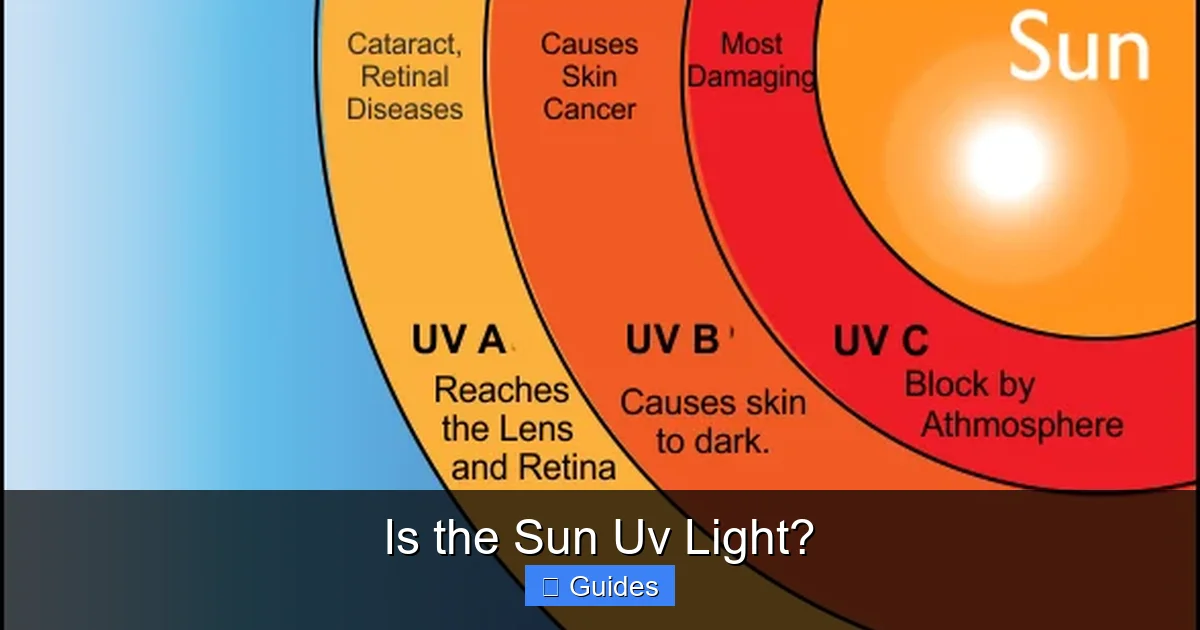
Visual guide about Is the Sun Uv Light?
Image source: blogmedia.testbook.com
So, let’s address the core question head-on: Is the Sun UV light? Yes, unequivocally. The Sun is a powerful natural source of ultraviolet radiation. While we can’t see it, UV light reaches Earth’s surface every day, influencing everything from our health to the degradation of outdoor materials.
The Sun Emits More Than Just Visible Light
Many people associate sunlight only with the warmth and brightness they perceive. However, the Sun’s output is far more diverse. From the Sun’s core, through its atmosphere, and across the vastness of space, a continuous stream of electromagnetic radiation travels. This includes not just the friendly visible light that guides our day, but also the invisible, energetic UV rays. It’s essential to recognize that “sunlight” isn’t a single entity but a mix of different energies, and UV light from the Sun is a crucial component of this mix.
Types of UV Rays from the Sun (UVA, UVB, and UVC)
Not all Sun UV light is created equal. Scientists categorize ultraviolet radiation into three main types based on their wavelength:
- UVA (Ultraviolet A): These are the longest UV wavelengths (320-400 nm) and account for about 95% of the UV radiation that reaches the Earth’s surface. UVA rays penetrate deeply into the skin, contributing to premature aging (wrinkles, age spots), and are believed to play a significant role in skin cancer development. They are present with relatively consistent intensity throughout the day and year, and can even penetrate clouds and glass.
- UVB (Ultraviolet B): These rays have medium wavelengths (280-320 nm) and are the primary cause of sunburn. UVB rays penetrate the epidermis (outer layer of skin) and are strongly linked to skin cancer. Their intensity varies significantly by season, time of day, and geographical location, being strongest in the summer months between 10 a.m. and 4 p.m.
- UVC (Ultraviolet C): These are the shortest and most energetic UV wavelengths (100-280 nm). Thankfully, UVC radiation from the Sun is almost entirely absorbed by the Earth’s ozone layer and atmosphere before it can reach the surface. This is fortunate because UVC rays are extremely harmful to living organisms.
Understanding these different types helps us appreciate the specific risks and benefits associated with Sun UV light.
The Earth’s Protective Shield: The Ozone Layer
A critical factor in why we don’t experience the full brunt of the Sun’s UV light is our planet’s natural defense system: the ozone layer. This layer, located in the stratosphere, acts like a giant sunscreen for Earth. It’s primarily responsible for absorbing nearly all UVC rays and a significant portion of UVB rays before they reach the ground. Without the ozone layer, life as we know it would likely not exist on land, as the high energy of these rays would be devastating. While the ozone layer does a fantastic job, it’s not perfect, and significant amounts of UVA and UVB still get through, necessitating our own protective measures.
The Impact of Sun UV Light on Your Health
The fact that the Sun is UV light means it carries a double-edged sword for our health. On one side, it’s essential for vital bodily functions. On the other, it poses significant risks if we’re not careful.
The Good Side: Vitamin D Production
One of the most well-known benefits of Sun UV light exposure is its role in Vitamin D synthesis. When UVB rays hit your skin, they trigger a chemical reaction that converts a cholesterol precursor into Vitamin D. Vitamin D is crucial for:
- Bone Health: It helps your body absorb calcium and phosphorus, essential for strong bones.
- Immune System: It supports immune function, helping your body fight off infections.
- Mood Regulation: Some studies suggest a link between Vitamin D levels and mood, with deficiencies sometimes associated with depression.
A small amount of daily unprotected Sun exposure (around 10-15 minutes, depending on skin type, location, and time of day) is generally sufficient for most people to produce adequate Vitamin D. However, it’s a delicate balance, as prolonged exposure quickly shifts from beneficial to harmful.
The Bad Side: Skin Damage
Unfortunately, the negative impacts of excessive Sun UV light exposure are numerous and well-documented:
- Sunburn: This is the most immediate and common reaction. Sunburn is essentially a burn to the skin caused primarily by UVB rays, leading to redness, pain, blistering, and peeling. Repeated sunburns, especially in childhood, significantly increase the risk of skin cancer later in life.
- Premature Aging (Photoaging): Chronic exposure to UVA rays, in particular, breaks down collagen and elastin fibers in the skin. This leads to wrinkles, fine lines, sagging skin, and age spots, making skin appear older than its chronological age.
- Skin Cancer: This is the most serious consequence. Sun UV light is a major carcinogen. The three main types of skin cancer are basal cell carcinoma, squamous cell carcinoma, and melanoma (the most dangerous form). DNA damage caused by UV radiation can lead to uncontrolled cell growth, resulting in these cancers.
It’s clear that while the Sun is UV light and brings benefits, its harmful effects cannot be ignored.
The Ugly Side: Eye Damage
Your eyes are also highly vulnerable to Sun UV light. Prolonged or intense exposure can lead to:
- Photokeratitis (Sunburn of the Eye): Often called “snow blindness,” this is a painful inflammation of the cornea caused by intense, short-term UV exposure.
- Cataracts: A clouding of the eye’s lens, leading to impaired vision. Chronic UV exposure significantly increases the risk of developing cataracts.
- Pterygium: A growth on the white part of the eye that can extend to the cornea and obstruct vision.
- Macular Degeneration: While less direct, some research suggests a link between long-term UV exposure and increased risk of age-related macular degeneration, a leading cause of vision loss.
Protecting your eyes is just as important as protecting your skin.
Immune System Effects
Beyond skin and eyes, Sun UV light can also suppress the immune system. Exposure to UV rays can reduce the effectiveness of the body’s immune responses, making individuals more susceptible to infections and potentially hindering the body’s ability to fight off skin cancers once they develop.
Protecting Yourself from Harmful Sun UV Light
Given that the Sun is UV light and has significant impacts, learning to protect yourself effectively is paramount. It’s not about avoiding the Sun entirely, but rather enjoying it safely and smartly.
Sunscreen: Your First Line of Defense
Sunscreen is a vital tool in your sun protection arsenal. But not all sunscreens are created equal:
- Broad-Spectrum: Always choose a sunscreen labeled “broad-spectrum.” This means it protects against both UVA and UVB rays.
- SPF 30 or Higher: The Skin Protection Factor (SPF) measures protection against UVB rays. An SPF of 30 blocks about 97% of UVB rays, while SPF 50 blocks about 98%. No sunscreen blocks 100%, so higher SPFs offer only marginal additional protection.
- Water Resistant: If you’re swimming or sweating, opt for water-resistant sunscreen, but remember to reapply more frequently.
- Application: Apply generously at least 15-30 minutes before going outside and reapply every two hours, or more often after swimming or sweating. Don’t forget often-missed spots like ears, neck, tops of feet, and scalp (if hair is thin).
Using sunscreen regularly and correctly is one of the most effective ways to mitigate the risks associated with Sun UV light.
Protective Clothing and Accessories
Clothing can offer excellent protection, often better than sunscreen alone:
- Long Sleeves and Pants: Opt for lightweight, long-sleeved shirts and long pants made from tightly woven fabrics. Some clothing now comes with a Ultraviolet Protection Factor (UPF) rating, similar to SPF for skin. Look for UPF 30 or higher.
- Wide-Brimmed Hats: A hat with a brim all around (at least 3 inches wide) is crucial. It protects your scalp, ears, face, and neck from direct Sun UV light. A baseball cap, while better than nothing, only protects your face.
These physical barriers are incredibly effective at blocking UV rays.
Seeking Shade and Timing Your Exposure
One of the simplest ways to reduce your exposure to Sun UV light is to seek shade, especially when the Sun’s rays are strongest:
- Peak Hours: The Sun’s UV intensity is generally highest between 10 a.m. and 4 p.m. Try to schedule outdoor activities outside these hours if possible.
- Natural and Artificial Shade: Use trees, umbrellas, canopies, or even buildings to find shelter from direct sunlight. Remember that UV rays can reflect off surfaces like water, sand, and snow, so you’re never entirely safe from Sun UV light, even in the shade.
Being mindful of the time of day and your surroundings can significantly reduce your UV dose.
Eye Protection: Don’t Forget Your Shades!
Protecting your eyes from the Sun’s UV light is just as important as protecting your skin.
- UV-Blocking Sunglasses: Choose sunglasses that block 99% or 100% of both UVA and UVB rays. Look for labels like “UV400” or “100% UV protection.”
- Wrap-Around Style: For maximum protection, consider wrap-around sunglasses that block light from entering the sides.
Always wear your sunglasses outdoors, even on cloudy days, as UV rays can penetrate clouds.
Common Myths and Misconceptions About Sun UV Light
Despite widespread awareness campaigns, several myths about Sun UV light persist. Clearing these up is crucial for effective protection.
“I only need sunscreen on sunny days.”
Myth Busted: This is a dangerous misconception. UV radiation from the Sun can penetrate clouds. Up to 80% of UV rays can still pass through light cloud cover. So, whether it’s bright and sunny or overcast, your skin and eyes are still exposed to Sun UV light, and protection is necessary.
“Dark skin means I don’t need protection.”
Myth Busted: While individuals with darker skin tones have more melanin, which offers some natural protection against sunburn, they are absolutely not immune to the damaging effects of Sun UV light. People of all skin types can get sunburned, develop premature aging, and are at risk of skin cancer. Melanoma in people with darker skin tones is often diagnosed at a later, more dangerous stage because the myth of immunity can lead to less vigilance and later detection.
“Windows block all UV.”
Myth Busted: Standard window glass blocks most UVB rays, but it does *not* block all UVA rays. This means that if you spend a lot of time near a window (e.g., driving, sitting by an office window), you are still exposed to UVA, which contributes to skin aging and cancer. For prolonged exposure, special UV-protective films can be applied to windows, or broad-spectrum sunscreen should still be used.
“Tanning beds are safer than the Sun.”
Myth Busted: This is unequivocally false and a very dangerous myth. Tanning beds primarily emit UVA rays (and sometimes some UVB), often at intensities much higher than natural sunlight. This high exposure to concentrated UVA rays significantly increases the risk of skin cancer, including melanoma, as well as premature aging. There is no such thing as a “safe tan” from a tanning bed; any tan is a sign of skin damage.
The UV Index Explained: Your Daily Sun Safety Tool
Knowing that the Sun is UV light is the first step; understanding its daily intensity is the next. The UV Index is a powerful, simple tool developed by the World Health Organization (WHO) and other international agencies to help people gauge the strength of UV radiation on a given day.
What is the UV Index?
The UV Index is an international standard measurement of the strength of sunburn-producing UV radiation at a particular place and time. It ranges from 0 (low) to 11+ (extreme), with higher numbers indicating greater risk of Sun UV light exposure and the need for more protective measures.
How to Use the UV Index
You can usually find the UV Index in local weather forecasts, on weather apps, or on governmental health websites. Here’s a general guide:
- Low (0-2): Minimal danger. Wear sunglasses if outdoors for extended periods.
- Moderate (3-5): Moderate risk. Seek shade during midday hours, cover up, wear a hat, sunglasses, and use SPF 30+ sunscreen.
- High (6-7): High risk. Same precautions as moderate, but be extra diligent. Reduce time in the Sun between 10 a.m. and 4 p.m.
- Very High (8-10): Very high risk. Unprotected skin will be damaged and can burn quickly. Apply sunscreen every two hours, wear protective clothing, seek shade, and avoid the Sun during peak hours.
- Extreme (11+): Extreme risk. Take all precautions; unprotected skin will burn in minutes. Consider rescheduling outdoor activities to early morning or late afternoon.
By checking the UV Index daily, you can make informed decisions about how to protect yourself and your loved ones from the Sun’s UV light. It’s a simple habit that can make a big difference in your long-term health.
Conclusion
So, is the Sun UV light? Absolutely. The Sun is a magnificent source of energy, providing the visible light and warmth essential for life on Earth. But it also generously bathes us in invisible ultraviolet (UV) radiation, which carries both benefits and risks. While a touch of Sun UV light helps our bodies produce vital Vitamin D, too much can lead to sunburn, premature skin aging, debilitating eye conditions, and significantly increase our risk of skin cancer.
Understanding the different types of UV rays (UVA, UVB, UVC) and how our planet’s ozone layer protects us is the first step toward smart sun safety. The next step is adopting a proactive approach to protection. This means making broad-spectrum sunscreen your daily companion, embracing stylish UV-protective clothing and wide-brimmed hats, always donning your UV-blocking sunglasses, and remembering to seek shade during the Sun’s peak hours.
Don’t let myths mislead you into unsafe practices. Regardless of the weather, your skin tone, or whether you’re indoors near a window, Sun UV light is present, and its effects are cumulative. By paying attention to tools like the UV Index and consistently applying these simple protective measures, you can continue to enjoy the beauty and benefits of the Sun without jeopardizing your health. Be sun-smart, stay safe, and live well under its glorious rays!
🎥 Related Video: Applying SPF under LED-UV Light | Dr. Medispa
📺 Dr. Somji Skin
Wearing sunscreen is important for a variety of reasons ‼️ The primary reason is to protect your skin from the harmful effects of …
Frequently Asked Questions
Does Sun UV light always feel hot?
No, Sun UV light itself doesn’t directly feel hot. The warmth you feel from the Sun comes primarily from infrared (IR) radiation. You can still be exposed to harmful UV rays and get a sunburn even on a cool or cloudy day.
Can I get enough Vitamin D without unprotected Sun exposure?
While Sun UV light is a natural source of Vitamin D, you can also obtain it through diet (fatty fish, fortified foods) and supplements. Many doctors recommend supplements, especially for those who consistently use sun protection or have limited Sun exposure.
Is Sun UV light stronger at higher altitudes?
Yes, Sun UV light intensity increases with altitude because there is less atmosphere to absorb the UV radiation. For every 1,000 meters (approx. 3,280 feet) in elevation, UV levels increase by 10% to 12%.
Do car windows block Sun UV light?
Standard car windows typically block most UVB rays, but they do not fully block UVA rays. This means prolonged time in a car can still expose you to UVA, which contributes to skin aging and increases the risk of skin cancer.
What does “broad-spectrum” mean for sunscreen?
“Broad-spectrum” on a sunscreen label means it provides protection against both UVA and UVB rays. UVA rays contribute to skin aging and cancer, while UVB rays are the primary cause of sunburn.
Can Sun UV light affect my hair?
Yes, Sun UV light can damage your hair. It can break down the protein structure of hair, leading to dryness, brittleness, faded color, and split ends. Using hair products with UV filters or wearing a hat can help protect your hair.
