


Yes, UV light is bad for your eyes and can cause significant damage over time. Both short bursts and prolonged exposure to UV radiation can lead to painful temporary conditions like photokeratitis and increase the risk of serious long-term issues such as cataracts and macular degeneration. Understanding the risks and implementing simple protective measures, like wearing proper UV-blocking sunglasses, is crucial for preserving your eye health.
Think about the sun. We love it for its warmth, for those bright, beautiful days, and for helping us feel good. But just like too much sun can harm your skin, the very same UV light that gives us a golden tan (or a painful sunburn!) can also be incredibly bad for your eyes. You might wonder, “Is UV light bad for my eyes, really?” The simple answer is a resounding yes, and understanding why and how to protect your precious peepers is one of the best things you can do for your long-term health.
It’s easy to take our vision for granted until something goes wrong. Every day, our eyes are exposed to a constant barrage of environmental factors, with ultraviolet (UV) radiation being one of the most significant yet often overlooked threats. Many of us know to wear sunscreen, but how many consistently remember to protect their eyes from the sun’s harmful rays? Let’s dive deep into what UV light is, how it impacts your eyes, and, most importantly, what simple, effective steps you can take to keep them safe.
This isn’t about scaring you; it’s about empowering you with knowledge. By the end of this article, you’ll have a clear understanding of why UV light is bad for your eyes and actionable tips to safeguard your sight for years to come. So, grab a comfy seat, maybe a glass of water, and let’s unravel the truth about UV light and your eye health.
Key Takeaways
- UV Light Poses Serious Eye Risks: Exposure to ultraviolet (UV) radiation can lead to both immediate and long-term damage to your eyes, including painful conditions like “sunburn of the eye” (photokeratitis) and chronic issues like cataracts and macular degeneration.
- Not All UV Light is the Same: There are three types of UV rays—UVA, UVB, and UVC. While UVC is mostly blocked by the ozone layer, UVA and UVB rays reach Earth’s surface and are responsible for most UV-related eye damage.
- Protection is Non-Negotiable Year-Round: UV rays are present every day, not just on sunny summer days. They can penetrate clouds, reflect off surfaces like snow and water, and cause harm even in cooler weather, making year-round protection essential.
- Choose 100% UV Protection: When buying sunglasses, look for labels that explicitly state “100% UV protection” or “UV400.” Darker lenses don’t automatically mean better protection; it’s the UV coating that matters.
- Beyond Sunglasses: A wide-brimmed hat adds an extra layer of protection, reducing UV exposure to your eyes and the delicate skin around them. Some contact lenses also offer UV blocking benefits, but should not replace sunglasses.
- Children and High-Risk Individuals Need Extra Care: Children’s eyes are more susceptible to UV damage due to larger pupils and clearer lenses. People at higher altitudes, near reflective surfaces, or with certain medical conditions also require enhanced protective measures.
Quick Answers to Common Questions
Can UV light cause permanent eye damage?
Yes, prolonged and unprotected exposure to UV light can cause permanent eye damage, including increasing the risk of cataracts, macular degeneration, and growths on the eye like pterygium.
Do I need UV protection on cloudy days?
Absolutely! UV rays can penetrate clouds. Up to 80% of UV radiation can still reach your eyes on an overcast day, so UV protection is essential regardless of cloud cover.
Are all sunglasses good enough for UV protection?
No, not all sunglasses offer adequate UV protection. You must look for sunglasses labeled “100% UV protection” or “UV400” to ensure they block both UVA and UVB rays effectively.
Can indoor lights harm my eyes with UV?
Generally, no. Most modern indoor lighting, including LED and fluorescent lights, emit negligible to no harmful levels of UV radiation. Your main concern for UV eye protection should be outdoor sun exposure.
Is UV protection important for children’s eyes?
Yes, UV protection is extremely important for children’s eyes. Their eyes are more susceptible to UV damage due to larger pupils and clearer lenses, making lifelong protection crucial for preventing future eye conditions.
📑 Table of Contents
Understanding UV Light: The Invisible Threat
Before we talk about how UV light is bad for your eyes, let’s clarify what UV light actually is. Ultraviolet (UV) light is a type of electromagnetic radiation that comes from the sun and some artificial sources, like tanning beds. It’s invisible to the human eye because its wavelength is shorter than that of visible light. While it makes up only a small portion of the sun’s rays, it carries enough energy to cause damage to living cells.
The Different Types of UV Rays
Not all UV rays are created equal, and knowing the difference helps us understand their impact on our eyes.
- UVA Rays: These rays have the longest wavelengths and account for about 95% of the UV radiation that reaches the Earth’s surface. UVA rays can penetrate deeply into the skin and eyes. They are thought to play a major role in aging the skin and also contribute to certain types of eye damage.
- UVB Rays: Shorter than UVA rays, UVB rays are often considered the most damaging. They are the primary cause of sunburn and directly contribute to the risk of skin cancer. For the eyes, UVB rays are linked to several serious conditions, including cataracts and photokeratitis.
- UVC Rays: These are the most energetic and harmful of all UV rays. Thankfully, almost all UVC rays are absorbed by the Earth’s ozone layer before they reach us. So, while UVC light is bad for your eyes, it’s generally not a concern from natural sunlight, though it can be a hazard from artificial sources like germicidal lamps.
Both UVA and UVB rays can be incredibly damaging, making it clear why UV light is bad for your eyes if not properly managed.
Common Sources of UV Exposure
The sun is, without a doubt, the primary source of UV radiation. However, it’s not the only one.
- Natural Sunlight: This is the biggest offender. The amount of UV radiation from the sun varies depending on the time of day, time of year, altitude, and geographical location.
- Reflective Surfaces: Did you know UV rays can bounce off surfaces? Snow can reflect up to 80% of UV radiation, sand about 25%, and even water reflects a significant amount. This means you can get a double dose of UV exposure.
- Tanning Beds: These emit high levels of UV radiation, primarily UVA, but often some UVB as well. They are extremely dangerous for both your skin and your eyes without proper protection.
- Artificial Light Sources: Certain specialized lamps, like welding torches, some halogen lights, and germicidal UV lamps (used for sterilization), can emit strong UV radiation. Never look directly at these sources without appropriate eye protection.
Understanding where these rays come from is the first step in knowing how to protect yourself because UV light is bad for your eyes from all these sources.
How UV Light Harms Your Eyes: Short-Term and Long-Term Effects
The human eye is remarkably complex, but it’s also incredibly vulnerable to the energy carried by UV radiation. When we say UV light is bad for your eyes, we’re talking about a range of potential harms, from immediate discomfort to gradual, irreversible vision loss.
Acute Damage: Photokeratitis (Sunburn of the Eye)
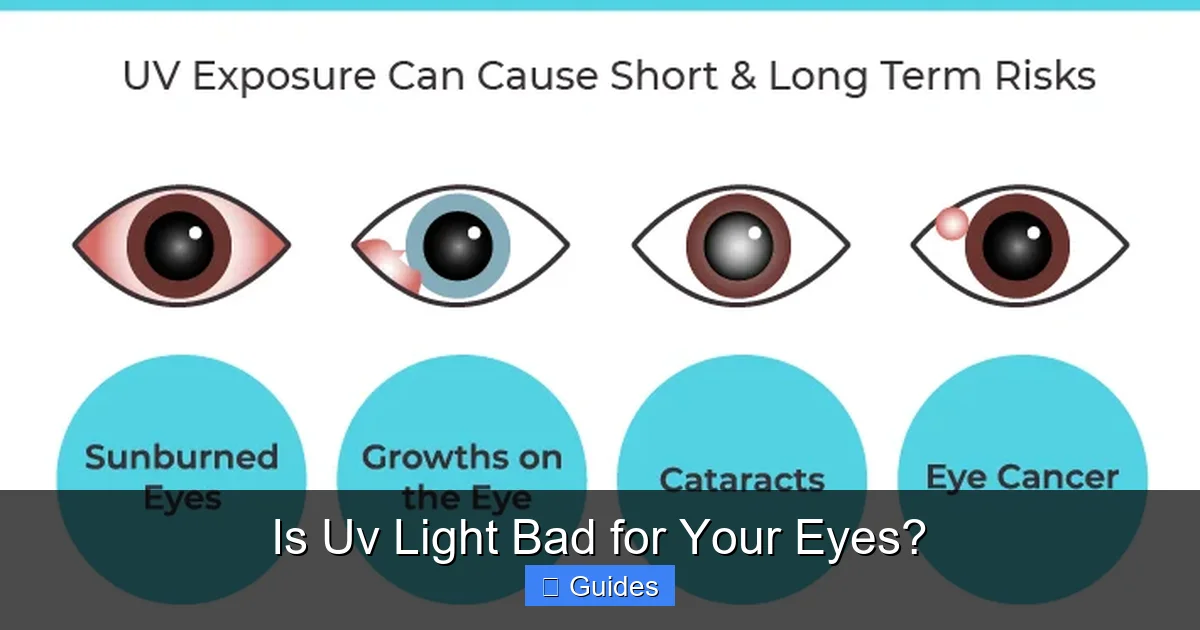
Have you ever experienced a “sunburn” on your skin? Well, your eyes can get one too! This painful condition is called photokeratitis or snow blindness. It’s typically caused by intense, short-term exposure to UVB rays.
Symptoms of Photokeratitis:
Visual guide about Is Uv Light Bad for Your Eyes?
Image source: eyesnow.us
- Severe eye pain, often described as a gritty feeling or having sand in your eyes.
- Redness and tearing.
- Extreme sensitivity to light (photophobia).
- Blurred vision.
- Swelling of the eyelids.
This condition usually resolves within 24-48 hours, but it’s incredibly uncomfortable and can feel quite alarming. It’s a stark reminder that UV light is bad for your eyes, even in a single, unprotected incident. Common causes include looking at a solar eclipse without proper filters, spending too much time on water or snow without sunglasses, or exposure to welding arcs.
Long-Term Damage: Cataracts
Cataracts are one of the leading causes of blindness worldwide. A cataract is a clouding of the eye’s natural lens, which sits behind the iris and pupil. It works like a camera lens, focusing light onto the retina to produce clear images. When a cataract forms, it makes vision blurry, hazy, or less colorful.
The UV-Cataract Connection:
Extensive research strongly links prolonged exposure to UVB radiation to the development of cortical cataracts, which affect the outer layer of the lens. While cataracts are a natural part of aging, chronic UV exposure significantly accelerates their formation. This means people who spend a lot of time outdoors without proper eye protection are at a much higher risk of developing cataracts earlier in life.
If you need surgery for cataracts, it’s a relatively common and safe procedure, but it’s far better to prevent them if possible. This underscores how UV light is bad for your eyes over many years.
Long-Term Damage: Macular Degeneration
Age-related Macular Degeneration (AMD) is a condition that causes damage to the macula, the central part of the retina responsible for sharp, detailed vision needed for tasks like reading and driving. AMD leads to blurred central vision or blind spots.
The UV-AMD Link:
While the exact relationship between UV exposure and AMD is still being studied, many experts believe that long-term, cumulative exposure to both UVA and UVB rays contributes to the development and progression of AMD. UV radiation can cause oxidative damage to the cells in the retina, potentially paving the way for AMD. This is another serious reason why UV light is bad for your eyes, impacting your ability to see fine details.
Other Eye Concerns Related to UV Exposure
Beyond these major concerns, UV light can also contribute to other uncomfortable and sometimes vision-threatening conditions:
- Pinguecula and Pterygium: These are growths on the conjunctiva, the clear membrane covering the white part of your eye. A pinguecula is a yellowish patch or bump, while a pterygium (often called “surfer’s eye”) is a fleshy growth that can extend onto the cornea and interfere with vision. Both are strongly linked to chronic UV exposure and irritation.
- Eyelid Skin Cancer: The delicate skin around your eyes is highly susceptible to skin cancer, including basal cell carcinoma and squamous cell carcinoma. This area often gets overlooked when applying sunscreen, yet it’s constantly exposed to UV radiation.
Clearly, when considering “is UV light bad for your eyes,” the evidence points to a resounding yes, with a multitude of potential harms.
Who is Most at Risk from UV Light?
While everyone is susceptible to the harmful effects of UV radiation, some individuals and situations elevate the risk. Understanding these factors can help you be more proactive about eye protection.
Location and Altitude
Closer to the Equator: The sun’s rays are most direct near the equator, meaning higher UV intensity. If you live or vacation in tropical regions, your UV exposure will be greater.
High Altitudes: UV radiation increases by about 10% for every 1,000 meters (approx. 3,280 feet) in altitude. This is because there’s less atmosphere to filter the rays. Skiers and mountain climbers, for example, are at significantly higher risk.
Time of Day and Year
Midday Sun: The sun’s UV rays are strongest between 10 AM and 4 PM, especially during the late spring and summer months. This is when you need to be extra vigilant about protecting your eyes.
Year-Round Risk: Don’t be fooled by cloudy days or cooler temperatures. Up to 80% of UV rays can penetrate clouds. UV rays also reflect off snow, water, and pavement, meaning you’re still at risk even on overcast winter days. This emphasizes that UV light is bad for your eyes throughout the year, not just in summer.
Specific Occupations and Hobbies
Certain activities put people at a higher risk due to prolonged or intense UV exposure:
- Outdoor Workers: Construction workers, farmers, lifeguards, and landscapers spend extended periods under direct sunlight.
- Water and Snow Sports Enthusiasts: Surfers, boaters, skiers, and snowboarders face increased exposure due to direct sun and reflection off water or snow.
- Pilots and Flight Attendants: At higher altitudes, UV radiation is stronger, even through aircraft windows.
- Welders: Without proper eye shields, the UV emitted by welding arcs can cause severe photokeratitis.
Medications and Eye Conditions
Some medications can increase your sensitivity to UV light, making your eyes more vulnerable:
- Certain Antibiotics: (e.g., tetracyclines)
- Diuretics: (medications that increase urination)
- Oral Contraceptives: Some can cause photosensitivity.
- Psoralen Drugs: Used for psoriasis treatment.
If you have certain eye conditions or have had specific eye surgeries (like cataract surgery without a UV-blocking intraocular lens), your eyes might be more vulnerable. Always discuss UV protection with your eye care professional, especially if you fall into any of these high-risk categories. Because UV light is bad for your eyes, it’s vital to be aware of these increased risks.
Protecting Your Eyes from UV Light: Simple Yet Essential Steps
Now that we’ve firmly established that UV light is bad for your eyes, let’s talk about the good news: protection is easy and highly effective! Incorporating a few simple habits into your daily routine can make a huge difference in safeguarding your vision for years to come.
Choosing the Right Sunglasses
This is your first and best line of defense. But not all sunglasses are created equal.
- Look for 100% UV Protection: This is the absolute most important feature. The label should explicitly state “100% UV protection against both UVA and UVB” or “UV400.” UV400 means the lenses block all light rays with wavelengths up to 400 nanometers, which covers all UVA and UVB rays.
- Size Matters: Larger lenses and wrap-around styles offer more coverage, blocking UV rays from entering the sides of your eyes.
- Don’t Be Fooled by Darkness: A darker lens doesn’t necessarily mean better UV protection. Some very dark lenses without proper UV coating can actually be *worse* because they cause your pupil to dilate, allowing more harmful UV rays to enter your eye. Always check for the UV protection label, not just the tint.
- Polarized Lenses: While polarization doesn’t directly offer UV protection, it reduces glare from reflective surfaces like water, snow, and roads. This can significantly improve visual comfort and clarity, especially for drivers, anglers, and skiers. Many polarized lenses also offer 100% UV protection, making them a great choice.
- Lens Materials: Polycarbonate and Trivex lenses are naturally UV protective, in addition to being impact-resistant.
Remember, quality UV eye protection is an investment in your health. You don’t need to spend a fortune, but always prioritize the “100% UV protection” label.
Beyond Sunglasses: Hats and Contact Lenses
While sunglasses are paramount, other items can provide additional protection.
- Wide-Brimmed Hats: A hat with a brim all the way around can block about 50% of UV radiation from reaching your eyes and eyelids. Worn together with sunglasses, a hat offers an excellent double layer of defense. This is especially helpful during peak UV hours.
- UV-Blocking Contact Lenses: Many contact lenses now offer UV protection. While these are a great bonus, they only cover the cornea and iris. They do not protect the entire eye or the delicate skin around it from UV exposure. Therefore, even if your contacts have UV protection, you still need to wear UV-blocking sunglasses for comprehensive protection.
Indoor UV Exposure and Digital Devices
While the sun is the main culprit, some indoor sources can also emit UV radiation, though generally at much lower, less harmful levels.
- Fluorescent Lights: Some older fluorescent bulbs emit small amounts of UV, but modern bulbs are designed to minimize this.
- LED Lights: Generally considered safe, emitting very little to no UV radiation.
- Digital Screens: Your computer, tablet, and smartphone screens emit blue light, not UV light. While blue light can cause digital eye strain, it’s not the same as UV radiation. There’s no scientific evidence that blue light from digital screens causes direct UV-like damage to the eyes. Many eye care professionals still recommend taking breaks and using specific filters for comfort.
The biggest threat from UV light is outdoors, so focus your protective efforts there.
When to See an Eye Doctor
Regular eye exams are crucial for overall eye health. Your eye doctor can detect early signs of UV damage, such as cataracts or growths, even before you notice symptoms. If you experience any persistent eye pain, redness, blurred vision, or light sensitivity, especially after prolonged sun exposure, seek immediate professional medical attention. They can properly diagnose and treat conditions like photokeratitis and monitor for long-term damage.
Debunking Myths About UV Eye Protection
There are a few common misconceptions that can lead people to unknowingly put their eyes at risk. Let’s clear these up to ensure you’re truly protected.
Myth 1: Darker Lenses Mean Better Protection
This is perhaps the most common and dangerous myth. Many people assume that if sunglasses make everything look very dark, they must be blocking a lot of UV rays. As we discussed, this is false. The darkness of the tint has nothing to do with the UV protection level. A light-colored lens with a proper UV coating offers 100% protection, while a very dark lens without that coating provides virtually none. In fact, dark lenses without UV protection are worse because they cause your pupils to dilate, letting *more* harmful UV light into your eyes. Always check for the “100% UV protection” or “UV400” label.
Myth 2: You Only Need Sunglasses on Sunny Days
This is another big misunderstanding. UV rays are present every single day of the year, regardless of whether it’s bright and sunny or heavily overcast. Clouds can block visible light, but they don’t block all UV radiation; up to 80% can penetrate cloud cover. Moreover, UV rays reflect off surfaces like snow (80%), water, and even pavement. This means that a cloudy day at the beach or a bright winter day on the slopes can deliver a significant dose of UV to your eyes. Remember, UV light is bad for your eyes year-round, so make sunglasses a daily habit, just like applying sunscreen.
Myth 3: Kids Don’t Need Eye Protection
This myth is particularly concerning because children’s eyes are actually *more* susceptible to UV damage than adult eyes. Children’s pupils are typically larger, and their eye lenses are clearer, allowing more UV radiation to penetrate to the retina. The damage from UV exposure accumulates over a lifetime, so protecting children’s eyes from an early age is critical for preventing future eye problems like cataracts and AMD. Make sure your children wear 100% UV-blocking sunglasses and wide-brimmed hats whenever they’re outdoors. Teach them that UV light is bad for your eyes, just as it is for their skin.
Myth 4: Expensive Sunglasses Are Always Better
While high-end sunglasses often come with great lenses, frame quality, and style, a higher price tag doesn’t automatically guarantee superior UV protection. You can find perfectly effective 100% UV-blocking sunglasses at very affordable prices. Again, the key is to look for the “100% UV protection” or “UV400” label, not the brand name or price tag. Focus on the protection, then consider style and fit.
Conclusion: Prioritize Your Eye Health Against UV
Hopefully, by now, you have a much clearer answer to the question, “Is UV light bad for your eyes?” The answer is an unequivocal yes, and the potential consequences, from painful immediate damage to gradual vision loss, are significant. But the good news is that protecting your eyes from this invisible threat is straightforward and highly effective.
Making a habit of wearing 100% UV-blocking sunglasses and a wide-brimmed hat whenever you step outdoors, regardless of the weather or time of year, is one of the easiest yet most impactful things you can do for your long-term eye health. Teach your children these same habits, and encourage your friends and family to do the same.
Your eyes are precious windows to the world. Let’s commit to protecting them from the harmful effects of UV light so you can continue to see clearly and enjoy life’s beautiful moments for many years to come. Don’t wait until damage occurs; take proactive steps today to shield your eyes from the sun’s potent rays.
🎥 Related Video: WARNING: Risks of UV Light to Your Eyes
📺 Doctor Ilan Cohen
Did you know that UV light can seriously harm your eyes? Click for More Information: ➡️ www.coheneyeinstitute.com …
Frequently Asked Questions
What is photokeratitis?
Photokeratitis is essentially a sunburn of the eye’s surface (cornea and conjunctiva). It’s caused by intense, short-term exposure to UV rays, leading to symptoms like severe pain, redness, light sensitivity, and blurry vision. It typically heals within 24-48 hours but is very uncomfortable.
How can I tell if my sunglasses offer 100% UV protection?
The only reliable way to tell is to check the label or packaging. Look for phrases like “100% UV protection against UVA and UVB” or “UV400.” The darkness of the lens color does not indicate UV protection level.
Do UV-blocking contact lenses replace sunglasses?
No, while UV-blocking contact lenses offer an excellent layer of protection for your cornea and iris, they do not cover the entire eye or the delicate skin around it. You should still wear 100% UV-blocking sunglasses for comprehensive protection.
Is it true that reflections can increase UV exposure?
Yes, absolutely. Surfaces like snow can reflect up to 80% of UV rays, sand about 25%, and water a significant amount. This means you can get a double dose of UV exposure from above and below, increasing your risk of eye damage.
At what times of day is UV radiation strongest?
UV radiation is generally strongest between 10 AM and 4 PM, especially during late spring and summer months. However, it’s present throughout daylight hours year-round, so consistent protection is always recommended.
What are the long-term effects of not protecting my eyes from UV light?
Not protecting your eyes from UV light over many years significantly increases your risk of developing serious long-term conditions. These include cataracts (clouding of the eye’s lens), age-related macular degeneration (damage to central vision), and growths on the eye like pinguecula and pterygium.
