


Many enjoy gel manicures for their lasting shine, but concerns about UV light for nails safety are common. While UV lamps emit a form of radiation, current research suggests the risk of skin damage from typical salon exposure is relatively low for most people. However, taking simple precautions like using sunscreen or protective gloves can further minimize any potential risk and ensure your nail beauty routine remains safe and enjoyable.
Stepping into a nail salon for a fresh gel manicure is a little ritual many of us cherish. The promise of chip-free, glossy nails that last for weeks is undeniably appealing. But as you slide your hands into that sleek, futuristic-looking device, a common question often pops into mind: Is UV light for nails safe?
It’s a valid concern, and one that has sparked a lot of discussion among beauty enthusiasts, dermatologists, and health experts alike. We’ve all heard about the dangers of UV radiation from the sun, so it’s natural to wonder about the concentrated light exposure our hands get during a gel polish session. This article aims to cut through the confusion, offering you a clear, science-backed understanding of the safety of UV light for nails, along with practical tips to ensure your beauty routine is as healthy as it is beautiful.
Let’s dive deep into understanding what these nail lamps do, what the real risks are, and how you can confidently enjoy your beautiful gel manicures without unnecessary worry. Our goal is to empower you with knowledge, so you can make informed choices about your nail care.
Key Takeaways
- Low Risk with Precautions: While UV light for nails does emit UV radiation, the overall risk of skin cancer from typical gel manicure exposure is considered low, especially with proper safety measures.
- UV and LED Lamps Emit UV: Both traditional UV lamps and “LED” lamps used for curing gel polish primarily emit UV-A radiation, which can contribute to skin aging and, to a lesser extent, skin cancer.
- Protect Your Skin: The most effective way to reduce risk is to apply broad-spectrum sunscreen to your hands 20 minutes before a gel manicure or wear fingerless UV protective gloves.
- Frequency Matters: Infrequent gel manicures (e.g., every few weeks) pose minimal risk. Very frequent exposure might warrant extra vigilance with protective measures.
- No Direct Link to Melanoma: Currently, there is no definitive epidemiological evidence directly linking salon UV nail lamp use to an increased risk of melanoma, the most serious form of skin cancer.
- Maintain Overall Nail Health: Beyond UV exposure, ensuring proper gel application and removal techniques is crucial for maintaining the health and integrity of your natural nails.
Quick Answers to Common Questions
Are LED nail lamps safer than traditional UV nail lamps?
Both LED and traditional UV nail lamps emit UV-A radiation, which is what cures gel polish. LED lamps often cure faster, meaning less exposure time, but neither is entirely “UV-free.”
Do I really need sunscreen for my hands during a gel manicure?
Applying a broad-spectrum sunscreen with SPF 30+ to your hands 20 minutes before a gel manicure is a highly recommended and effective way to protect against UV exposure and potential photoaging.
Can UV light for nails cause skin cancer?
While UV radiation is a known carcinogen, the amount of exposure from typical gel manicures is considered low. Current research has not established a definitive epidemiological link between salon UV nail lamps and an increased risk of melanoma.
How often is it safe to get a gel manicure with UV light?
For most individuals, getting gel manicures every few weeks (e.g., every 2-3 weeks) with proper hand protection poses minimal risk. Very frequent use over many years might warrant extra vigilance with protective measures.
What are the main risks associated with UV light for nails?
The primary concern is accelerated photoaging of the hands (wrinkles, sunspots) due to UV-A exposure. The risk of skin cancer from typical usage is considered low, especially when protective measures are taken.
📑 Table of Contents
Understanding UV Light and Nail Lamps
Before we can talk about safety, it’s essential to understand what UV light is and how it’s used in nail salons. When you get a gel manicure, the polish isn’t just drying; it’s undergoing a chemical process called “curing” or “polymerization.” This process requires specific wavelengths of light, which are provided by special nail lamps.
What is UV Light?
Ultraviolet (UV) light is a form of electromagnetic radiation. It’s invisible to the human eye and is part of the natural light spectrum that comes from the sun. UV light is categorized into three main types based on wavelength:
- UV-A (320-400 nm): This accounts for about 95% of the UV radiation that reaches the Earth’s surface. It penetrates the skin more deeply than UV-B and is primarily associated with skin aging (wrinkles, age spots) and, to a lesser extent, skin cancer. Most nail lamps emit primarily UV-A.
- UV-B (290-320 nm): This is the primary cause of sunburn and contributes significantly to the risk of skin cancer. While present in sunlight, most nail lamps emit very little, if any, UV-B.
- UV-C (100-290 nm): This is largely absorbed by the Earth’s ozone layer and does not reach the surface. It’s often used in germicidal lamps for sterilization.
When we talk about UV light for nails, we are primarily referring to UV-A radiation.
UV vs. LED Lamps: Is There a Difference in UV Light for Nails?
This is where much of the confusion lies! Many people believe that “LED” nail lamps are entirely different from “UV” nail lamps and are therefore “UV-free.” This is a common misconception.
- Traditional UV Lamps: These lamps typically use fluorescent bulbs that emit a broad spectrum of UV-A light to cure gel polishes. The bulbs usually need to be replaced periodically (e.g., every 6 months).
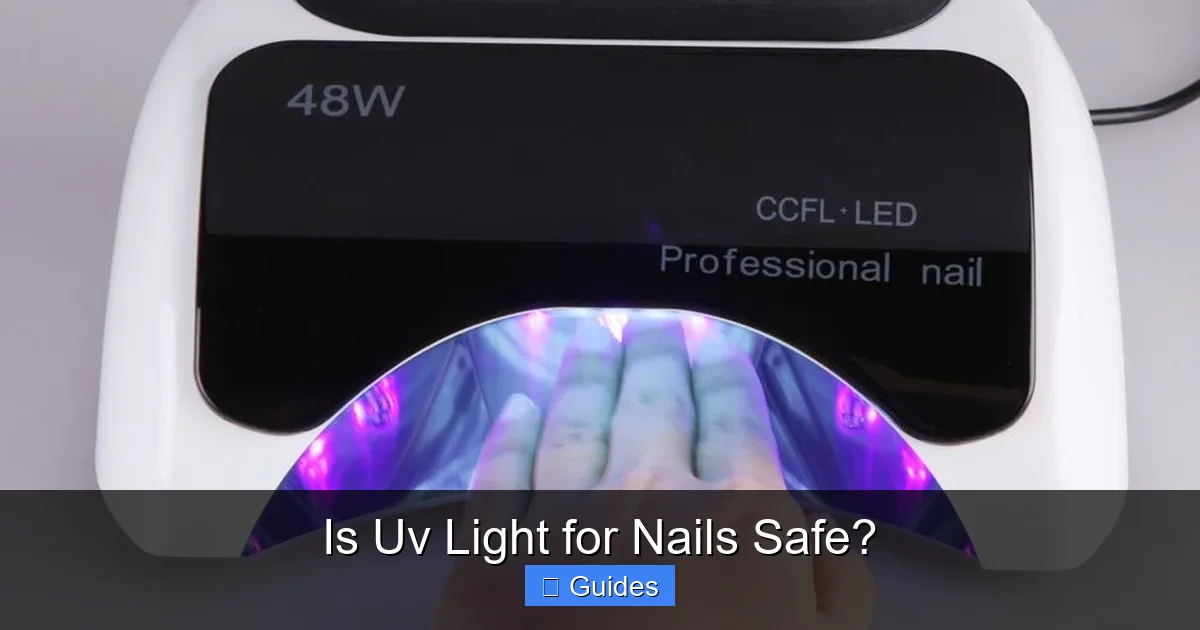
- LED Lamps: These lamps use light-emitting diodes (LEDs) and are often marketed as “LED lights.” However, these LEDs still emit light in the UV-A spectrum, specifically tailored to cure “LED-compatible” gel polishes. They typically cure polish faster than traditional UV lamps and their bulbs last much longer.
The key takeaway here is that both types of lamps used for gel manicures emit UV-A radiation, which is what causes the gel to harden. The difference lies mainly in the specific wavelengths emitted, the efficiency of the curing process, and the lifespan of the bulbs, not in the complete absence of UV light. So, when you’re getting a gel manicure, your hands are exposed to UV light for nails regardless of whether the salon calls it a UV or LED lamp.
The Concerns: Skin Cancer and Premature Aging
The primary concern associated with UV light for nails is its potential to contribute to skin damage, including premature aging and an increased risk of skin cancer. Let’s break down these concerns.
Visual guide about Is Uv Light for Nails Safe?
Image source: i.pinimg.com
Understanding UV Radiation and Skin Damage
UV-A radiation, while less likely to cause immediate sunburn than UV-B, penetrates deeper into the skin. This deep penetration can damage collagen fibers, leading to a loss of skin elasticity and the formation of wrinkles and age spots over time. This is what we refer to as photoaging or premature aging.
Additionally, UV radiation can damage the DNA in skin cells. When DNA damage accumulates, it can lead to uncontrolled cell growth, which is the hallmark of skin cancer. The three main types of skin cancer are:
- Basal Cell Carcinoma (BCC): The most common type, usually appearing on sun-exposed areas.
- Squamous Cell Carcinoma (SCC): The second most common, also often on sun-exposed skin.
- Melanoma: The least common but most dangerous type, which can spread to other parts of the body if not caught early.
Given that UV exposure is a known risk factor for all types of skin cancer, it’s natural to question the safety of repeated exposure to UV light for nails.
The Evidence: Studies and Expert Opinions
So, what does the science say about the safety of UV light for nails? Here’s a summary of current research and expert consensus:
- Low Energy Output: Studies have shown that the UV exposure from nail lamps is significantly lower than that from a tanning bed or even prolonged sun exposure. The total UV dose received during a typical gel manicure session (often 8-10 minutes spread across multiple curing cycles) is relatively small.
- Cumulative Exposure: While the individual exposure is low, the concern arises with cumulative exposure over many years and frequent visits. Some studies have estimated that a regular gel manicure habit could be equivalent to getting an extra 2.7 minutes of mid-day sun exposure on your hands each day you get a manicure. Others suggest it’s closer to the UV exposure you’d get walking outside for a few minutes.
- Melanoma Link Not Established: Crucially, there is currently no definitive epidemiological evidence (large-scale studies of populations) directly linking UV nail lamp use to an increased risk of melanoma. While a few case reports have described melanoma development on the hands of individuals who regularly received gel manicures, these are isolated incidents and do not establish a causal link. Many dermatologists believe the risk for melanoma from nail lamps is negligible for the vast majority of people.
- Focus on Photoaging: Most dermatologists agree that the primary concern with UV light for nails is accelerated photoaging (wrinkles, sunspots) on the hands, rather than a significant increase in skin cancer risk, especially for those who get gel manicures infrequently.
Leading dermatological organizations, such as the American Academy of Dermatology, acknowledge the presence of UV radiation but generally advise protective measures rather than outright avoidance for most individuals, due to the relatively low cumulative dose.
The Risk Assessment: How Significant Is It?
To truly understand the safety of UV light for nails, it helps to put the exposure into perspective. We are constantly exposed to UV radiation from the sun in our daily lives, and nail lamps contribute a very small fraction to that overall exposure.
Comparing Nail Lamp Exposure to Sunlight
Think about a typical day: walking to your car, running errands, sitting near a window. All these activities involve some level of UV exposure. A gel manicure session’s UV dose is often compared to the amount of UV you’d receive during a short walk outdoors on a sunny day. It’s far less than the exposure from deliberately tanning, either outdoors or in a tanning bed.
However, it’s important to remember that sun exposure is usually to a broader area of the body, whereas nail lamp exposure is concentrated on the hands. Also, the hands are an area often overlooked for sun protection in daily life, yet they are susceptible to aging and skin cancer.
Factors Influencing Risk
While the overall risk from UV light for nails is low, certain factors can influence an individual’s specific risk:
- Frequency of Manicures: Someone who gets gel manicures every two weeks for years will have a higher cumulative exposure than someone who gets them a few times a year.
- Type of Lamp: While both UV and LED lamps emit UV-A, the exact intensity and spectrum can vary between different models and brands. Newer LED lamps often cure faster, meaning less time under the light per session.
- Skin Type and Sensitivity: Individuals with very fair skin, a history of sunburns, or a personal or family history of skin cancer may be more susceptible to UV damage and might want to be extra cautious.
- Pre-existing Conditions: People with photosensitivity disorders or those taking certain medications that increase sun sensitivity should consult their doctor before regular gel manicures.
- Lamp Maintenance: Old, inefficient bulbs in traditional UV lamps might require longer curing times, inadvertently increasing exposure. Reputable salons usually maintain their equipment well.
For the average person receiving occasional gel manicures, the risk remains minimal, but awareness of these factors allows for personalized choices.
Practical Safety Measures for UV Nail Light Use
The good news is that if you love your gel manicures, there are very simple and effective steps you can take to minimize any potential risk from UV light for nails. These precautions are easy to incorporate into your salon routine.
Protective Gloves and Sunscreen
These are your two best friends when it comes to protecting your hands during a gel manicure:
- Fingerless UV Protection Gloves: These gloves are specifically designed to block UV radiation while leaving your fingertips exposed for the manicure. They are widely available online and at beauty supply stores. They are an excellent, reusable option. Simply put them on before your hands go under the lamp.
- Broad-Spectrum Sunscreen: Apply a broad-spectrum sunscreen with an SPF of 30 or higher to your hands approximately 20 minutes before your manicure appointment. This allows the sunscreen to fully absorb and become effective. Don’t forget the backs of your hands, fingers, and around your nails.
Practical Tip: Keep a small tube of sunscreen or a pair of UV protection gloves in your purse specifically for your nail appointments. Make it a habit!
Limiting Exposure and Smart Salon Choices
Beyond direct protection, you can also make choices that reduce your overall exposure:
- Consider Frequency: If you’re concerned, perhaps don’t get gel manicures every single time you visit the salon. Alternate with regular polish or try dip powder (SNS), which typically doesn’t require UV light for curing.
- Ask About Lamp Types: While both UV and LED lamps emit UV-A, LED lamps generally cure faster, meaning less overall time under the light. You can ask your technician what type of lamp they use.
- Check for Curing Time: Ensure the technician isn’t over-curing your nails. Follow the manufacturer’s recommended curing times for the specific gel polish being used.
- Maintain Nail Health: Proper application and removal of gel polish are crucial for nail health. Poor removal can cause damage, thinning, and weakening of your natural nails, which are separate issues from UV exposure but equally important for healthy hands.
Maintaining Overall Nail Health
While UV light for nails is the focus, remember that overall nail health involves more than just radiation exposure. Here are some extra tips:
- Hydrate Your Cuticles: Regularly apply cuticle oil or hand cream to keep your cuticles and nails hydrated, especially after a gel manicure.
- Avoid Picking/Peeling: Never peel or pick off your gel polish, as this can severely damage the top layers of your natural nail. Always have it professionally removed or follow proper at-home removal techniques (usually involving acetone wraps).
- Take Breaks: Occasionally give your nails a break from gel polish to breathe and recover, if you feel they are becoming brittle or thin.
- Report Concerns: If you notice any unusual changes in your nails or the skin around them, consult a dermatologist.
Alternative Options and What to Look For
If you’re still uncomfortable with the idea of UV light for nails, even with precautions, or if you have specific health conditions, there are excellent alternatives available. Moreover, choosing the right salon can make a big difference in your overall experience and safety.
Exploring Non-UV/LED Polish Options
- Traditional Nail Polish: The classic choice! While it doesn’t last as long, it’s completely UV-free and allows for frequent color changes.
- Dip Powder (SNS/NexGen): This method involves dipping nails into a pigmented powder and then applying a sealant. It’s durable, usually chip-free for weeks, and typically does not require UV light for curing.
- Non-UV Gel Polish: Some brands offer “no-light” gel polishes that air dry like regular polish but offer a slightly more durable, gel-like finish. While not as long-lasting as salon-cured gels, they are a good compromise.
- Nail Wraps/Stickers: These pre-designed adhesives offer a quick, easy, and completely UV-free way to get decorative nails.
Each of these options has its pros and cons in terms of longevity, appearance, and application process, so you can choose what best fits your lifestyle and preferences.
Choosing a Reputable Salon and Technician
Your salon choice plays a significant role in your safety and nail health. Here’s what to look for:
- Cleanliness: The salon should be visibly clean, with technicians sanitizing tools and work areas between clients. Sterilized instruments are paramount to prevent infections.
- Licensed Technicians: Ensure the technicians are licensed and trained. This indicates they understand proper application and removal techniques.
- Professional Products: Reputable salons use professional-grade polishes and equipment. Don’t hesitate to ask about the brands they use.
- Knowledgeable Staff: A good technician should be able to answer your questions about the products they use, including whether their lamps emit UV light and any safety precautions they recommend.
- Open to Protection: A salon that is welcoming of you wearing protective gloves or applying sunscreen is a good sign. They should prioritize your comfort and safety.
Don’t be afraid to ask questions or observe the salon’s practices before committing to a service. Your health and safety are paramount.
Conclusion: Balancing Beauty and Safety
The question “Is UV light for nails safe?” is a complex one, but the current scientific consensus offers a reassuring perspective. While UV light for nails does expose your skin to UV-A radiation, the overall risk for skin cancer from typical salon use is considered low for most people. The primary concern is generally accelerated skin aging on the hands, which can be easily mitigated.
The key to enjoying your beautiful gel manicures without worry lies in awareness and prevention. By understanding that both “UV” and “LED” lamps emit UV-A, and by consistently using simple protective measures like broad-spectrum sunscreen or fingerless UV gloves, you can significantly reduce any potential risks. Think of it as part of your beauty routine, just like moisturizing or protecting your hair.
Ultimately, the decision to get a gel manicure is a personal one. Armed with this information, you can make an informed choice that balances your desire for stunning, long-lasting nails with your commitment to maintaining healthy skin. So go ahead, enjoy that glossy finish, knowing you’ve taken the steps to keep your hands safe and beautiful.
🎥 Related Video: Yes, UV nail dryers can increase your cancer risk, but only if you use them regularly
📺 WCNC
UV nail polish dryers are pretty standard in most nail salons, they’re used to speed-dry regular manicures and they are required to …
Frequently Asked Questions
Do all gel polishes require UV light to cure?
Yes, nearly all professional salon-grade gel polishes, whether cured by a “UV lamp” or an “LED lamp,” require specific wavelengths of UV light for the chemical curing process to occur and harden the polish. Some at-home “gel-like” polishes are air-dried but don’t offer the same durability.
What type of UV light is emitted by nail lamps?
Nail lamps primarily emit UV-A radiation. This type of UV light penetrates deeper into the skin and is associated with skin aging and, to a lesser extent, skin cancer, unlike UV-B which is more directly linked to sunburn.
Is the UV exposure from nail lamps comparable to a tanning bed?
No, the UV exposure from nail lamps is significantly lower than that from a tanning bed. Tanning beds are designed to deliver a much higher and broader spectrum of UV radiation to larger areas of the body, making them far more dangerous.
Can UV light for nails damage my actual nails or cuticles?
While the UV light itself doesn’t directly damage the nail plate or cuticles in the same way it affects skin, improper application or, more commonly, incorrect removal of gel polish can lead to nail thinning, brittleness, or damage to the nail bed and cuticles.
Are there any long-term studies on the safety of UV nail lamps?
Long-term epidemiological studies directly linking salon UV nail lamp use to skin cancer are challenging to conduct and are still evolving. However, the existing research, mostly based on extrapolating known UV effects, suggests the risk is low, especially with the use of protective measures.
What if I have sensitive skin or a history of skin cancer?
If you have very sensitive skin, a history of skin cancer, or are taking medications that increase photosensitivity, it’s best to consult with your dermatologist before getting regular gel manicures. They can provide personalized advice and recommend the safest approach for your specific health profile, possibly suggesting alternative nail treatments.
