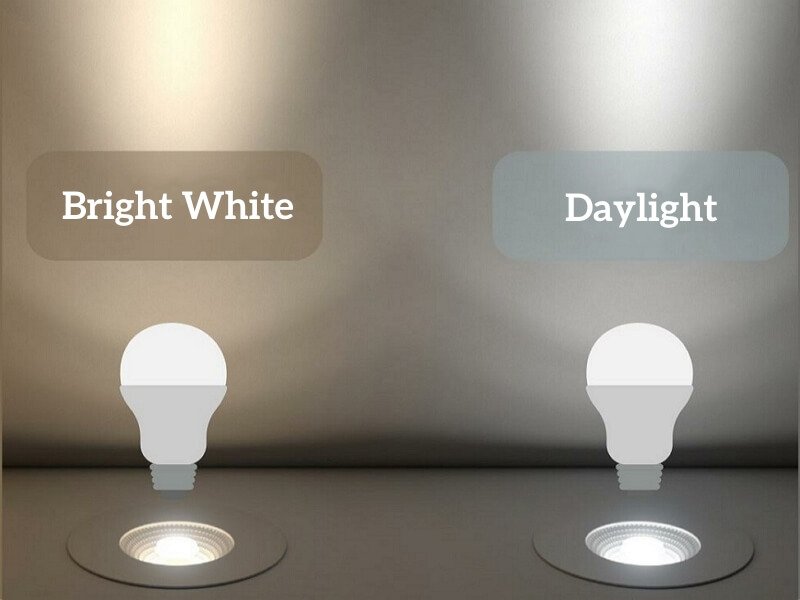
Daylight bulbs look bright white with a cool, slightly blue tint, about 5000–6500K.
If you have ever searched What Color Is Daylight Bulb, you want a clear, simple answer you can trust. I work with lighting every day, from home offices to photo sets, and I’ll break it down for you. This guide explains What Color Is Daylight Bulb, how it affects your space, and how to pick the best one for your eyes, mood, and tasks.
 daylight bulb?”
style=”max-width: 100%; height: auto; border: 2px solid black; border-radius: 10px; display: block; margin: 0 auto;”
loading=”lazy”
/>
What color temperature is a daylight bulb?
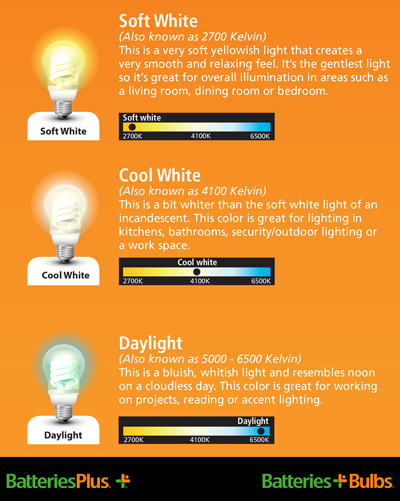
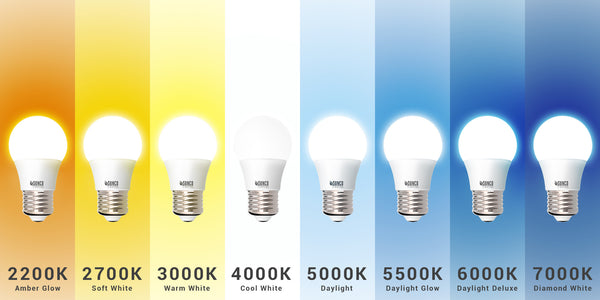
Color temperature is how “warm” or “cool” light looks. It is measured in Kelvin (K). Daylight bulbs are usually 5000K to 6500K. That means a bright white that leans cool and crisp.
Midday sun at the equator is close to 5500K to 6000K. Cloudy daylight can tilt toward 6500K and feel a bit bluer. So when people ask What Color Is Daylight Bulb, think of the clean light you see outside at noon.
I often choose 5000K for workspaces and 6500K for tasks that need high contrast. What Color Is Daylight Bulb depends on the Kelvin rating on the box, so always check that number.
:max_bytes(150000):strip_icc()/SPR-soft-white-vs-daylight-bulbs-7152760-17f48efdc5c14e78b8707e0decce21c9.jpg)
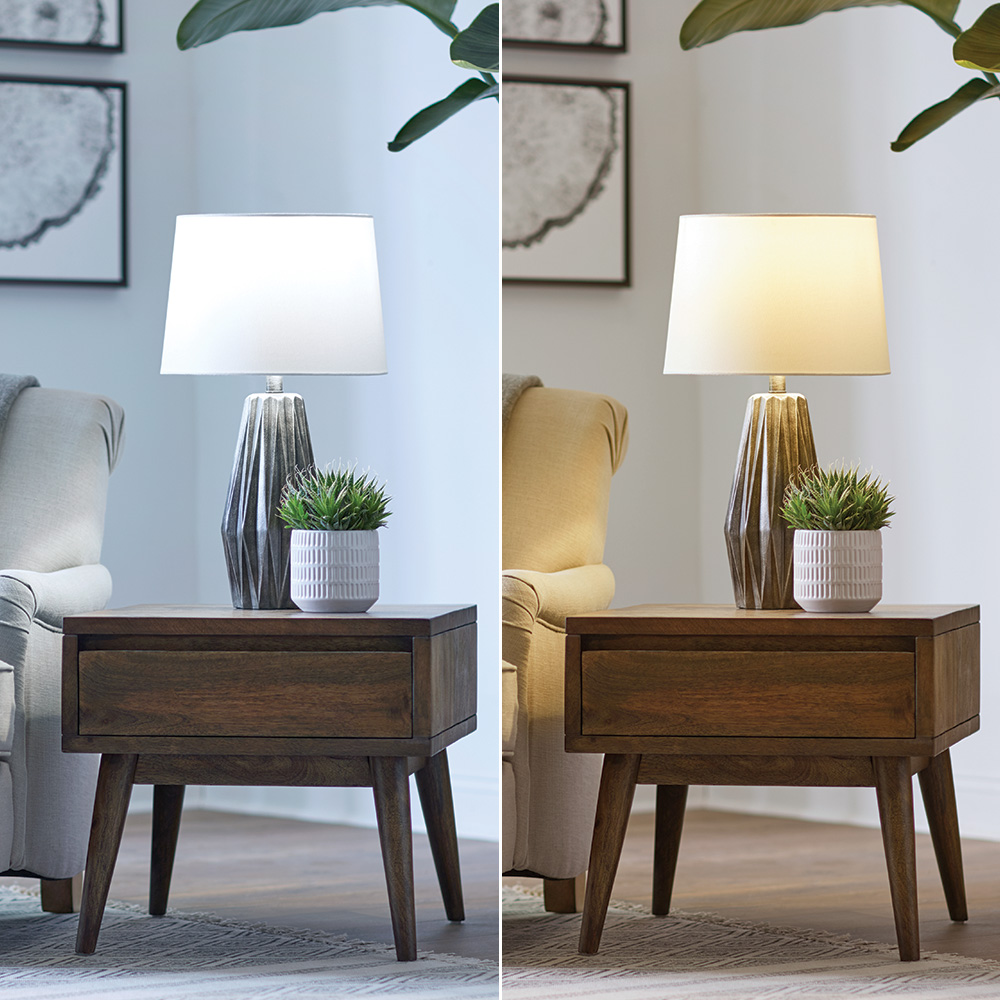
Daylight vs warm white vs cool white
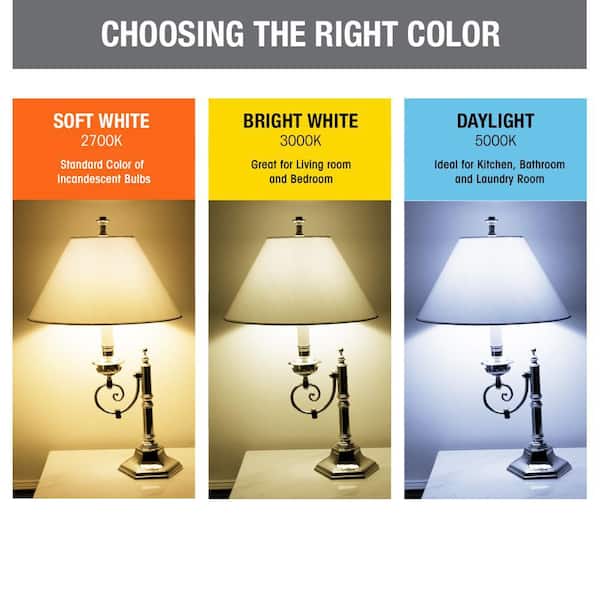
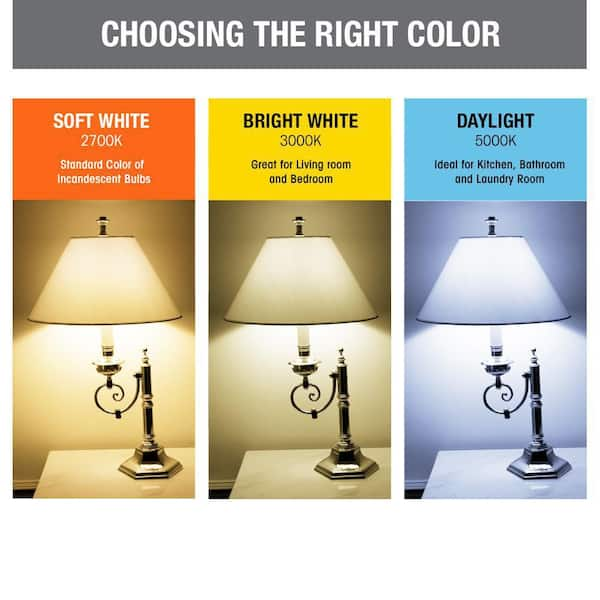
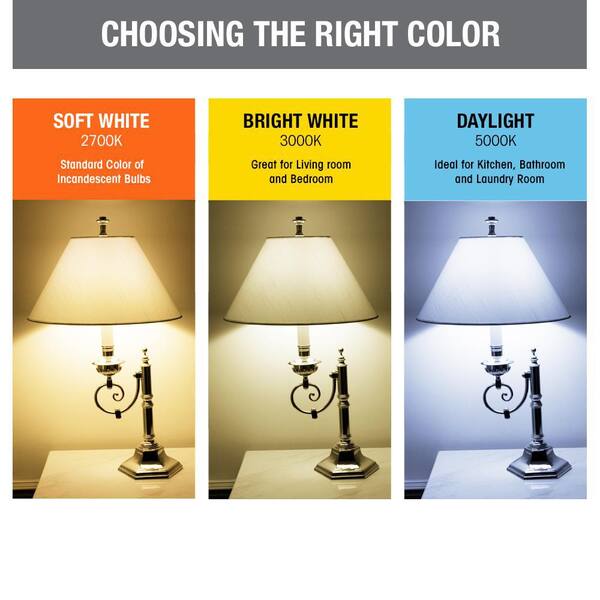
Warm white sits around 2700K to 3000K. It looks golden and cozy. Cool white is about 3500K to 4100K. It looks neutral to slightly cool. Daylight is 5000K to 6500K. It looks bright white with a touch of blue.
Use these quick guides:
- Warm white: great for living rooms, bedrooms, and dining areas. Soft, calm vibe.
- Cool white: good for hallways and general work spaces. Clean, no yellow cast.
- Daylight: best for tasks, reading, makeup, crafts, garages, and offices. High clarity.
If you still wonder What Color Is Daylight Bulb compared with warm light, think steel vs candle. Daylight is steel-bright; warm is candle-soft.
Why color rendering matters with daylight bulbs
Color Rendering Index (CRI) shows how true colors look under a light source. A CRI of 80 is common, but 90+ looks more natural. With daylight bulbs, a CRI of 90+ helps skin tones, paint, food, and fabrics look right.
There are also newer metrics like TM‑30 that rate fidelity and saturation. You may not see them on every box, but they help pros. In my projects, a high-CRI daylight bulb makes art and makeup match what you see outdoors. When people ask What Color Is Daylight Bulb, I also ask, “What is the CRI?” Both matter a lot.

Choosing the right daylight bulb for each room
Match the bulb to the job, not just the color. For most homes, 5000K daylight gives sharp detail without feeling icy. Go to 6500K for garages, craft benches, and inspection tasks.
Room ideas:
- Kitchen: 5000K, high CRI for real food colors.
- Bathroom vanity: 5000K to 5600K, CRI 90+ for makeup accuracy.
- Home office: 5000K for focus; add a warm lamp for breaks.
- Laundry or garage: 5000K to 6500K for contrast and safety.
- Bedroom: use warm bulbs for night, but a 5000K task lamp for reading.
Check lumens, not watts. For a desk lamp, aim for 800–1100 lumens. For a ceiling fixture in a small room, 1500–3000 lumens. When friends ask What Color Is Daylight Bulb for a home office, I say 5000K at 90+ CRI with 1500+ lumens is a strong start.
Health, mood, and circadian rhythm with daylight bulbs
Daylight bulbs have more blue energy than warm bulbs. This blue can boost alertness in the day. Studies show bright, blue-rich light can help you feel awake and focused.
At night, that same blue can delay melatonin. Keep evening light warm and dim if you can. Use daylight bulbs in the morning and daytime. If you work late, switch to warmer light. That is how I balance What Color Is Daylight Bulb with sleep health at home.

Photography, video, and design uses
Photo and video often set white balance near 5500K for a “daylight” look. Daylight bulbs help match studio lights with window light. You get clean whites and stable color in your shots.
For less color shift on camera, target CRI 95+ or high TM‑30 scores. Also watch for low flicker and high frequency drivers. I use 5000K to 5600K bulbs for product photos and edit under the same light. If you wonder What Color Is Daylight Bulb for photos, 5500K is the classic pick.
Common myths and mistakes about daylight bulbs
- Myth: Daylight is harsh. Reality: Good fixtures and diffusers make it soft and even.
- Mistake: Calling any white bulb “daylight.” Check the Kelvin on the box.
- Myth: If it is daylight color, colors will look perfect. You still need high CRI.
- Mistake: Using daylight everywhere. Warm light can be better for rest and mood.
- Mistake: Mixing color temps in one room. It can make paint and skin look odd.
I learned this the hard way when a client mixed 3000K and 6500K in a small studio. Skin tones looked strange on camera. Once we matched 5000K high-CRI bulbs, the scene clicked. What Color Is Daylight Bulb was only part of the fix; CRI and matching fixtures mattered too.
How to read labels and buy the right bulb
Look beyond “daylight” on the front. Flip the box and check:
- Kelvin (K): target 5000K to 6500K for daylight.
- Lumens: brightness level. Pick by room size and task.
- CRI or high-fidelity metrics: aim for 90+ if color matters.
- Beam angle: wide for rooms, narrow for spots.
- Dimmable: only if your switch and bulb are both dimmable.
- Base type and shape: A19, BR30, GU10, etc.
- Flicker and driver quality: low flicker for comfort.
- Ratings and listings: Energy Star, damp/wet location if needed.
Simple buying steps:
- Choose the task and room.
- Pick daylight Kelvin: 5000K or 6500K.
- Set brightness by lumens.
- Choose 90+ CRI for true color.
- Confirm dimming and base.
- Buy one bulb first and test the look.
These steps settle the What Color Is Daylight Bulb debate fast and save returns.
Maintenance, dimming, and smart controls
Some daylight LEDs can flicker on old dimmers. Use a compatible dimmer or a smart bulb. If you see buzzing or strobe, swap the dimmer or the bulb.
Smart bulbs with tunable white let you shift from 2700K at night to 5000K by day. I set morning scenes to daylight for focus, then warm down at dusk. If you use voice or app control, label scenes clearly, like “Desk Daylight 5000K.” That way, What Color Is Daylight Bulb becomes part of your daily routine with one tap.
Frequently Asked Questions of What Color Is Daylight Bulb
Is daylight the same as natural sunlight?
Not exactly. Sunlight changes all day, but daylight bulbs stay at a set Kelvin. Most daylight bulbs sit around 5000K to 6500K.
Is 5000K or 6500K better?
Both are “daylight.” 5000K feels clean and neutral; 6500K feels cooler and bluer. Pick 5000K for homes and 6500K for detail tasks.
Does CRI matter if I buy daylight color?
Yes. Color temperature controls the look, but CRI controls how true colors appear. Aim for 90+ CRI for makeup, art, and photos.
Will daylight bulbs keep me awake at night?
They can if used late and bright. Use warm, dim light in the evening, and save daylight bulbs for daytime focus.
Are daylight bulbs good for plants?
Some help, but they are not the same as grow lights. Plants need the right spectrum and intensity, which grow lights provide.
Can I mix warm and daylight bulbs?
You can, but it often looks uneven. Try to match Kelvin in one space, or use zones for different tasks.
What lumens do I need with daylight bulbs?
For a desk lamp, 800–1100 lumens is common. For a small room fixture, 1500–3000 lumens works well.
Conclusion
Daylight bulbs are bright white with a cool edge, usually 5000K to 6500K. They boost clarity, help colors look true, and support focus when used at the right time of day. Match Kelvin, pick high CRI, and size the lumens to the job.
Try one daylight bulb where you work or craft and see the difference. Then tune the rest of your space with smart scenes or matched bulbs. Ready for more helpful lighting tips? Subscribe, share your questions in the comments, and make your next room shine.