


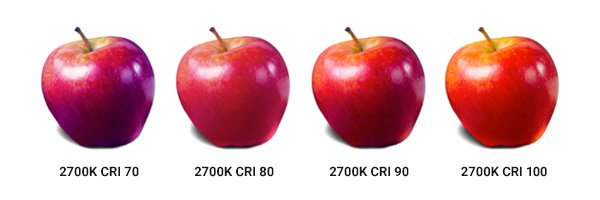
CRI is a score that shows how true colors look under LED lights.
If you have ever asked yourself What Is CRI in LED Lights, you’re in the right place. I help people pick lighting that makes skin, art, food, and homes look their best. In this guide, I break down the science in clear steps. You will learn how CRI works, how to choose the right value, and how to avoid common traps.

What Is CRI in LED Lights?
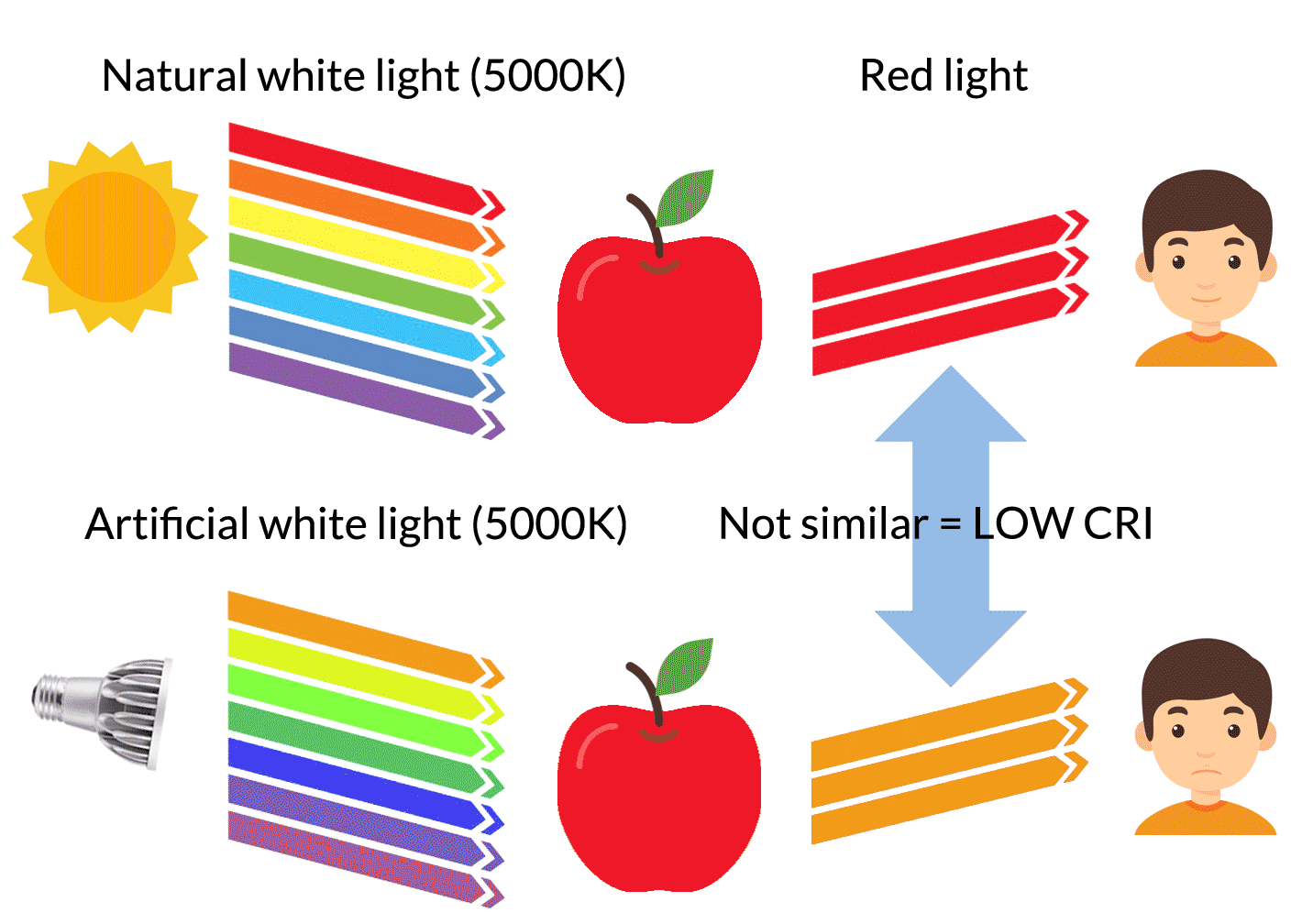
CRI stands for Color Rendering Index. It shows how well a light source shows colors compared to a known standard. The scale runs from 0 to 100. A score of 100 is perfect. It means colors look the same as they would under natural light or a reference lamp.
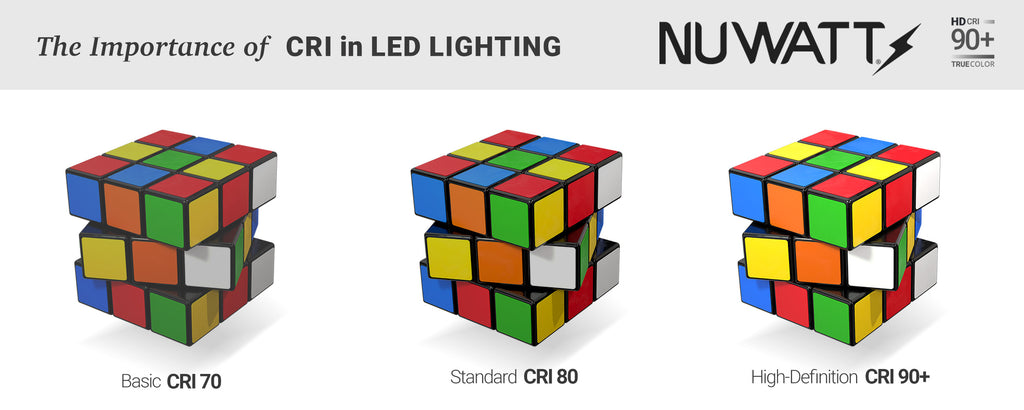
Most LED products list CRI. Many are 80 CRI. High-end lamps boast 90 CRI or 95 CRI. Higher CRI gives richer reds, better skin, and more true tones. If you want a simple way to remember What Is CRI in LED Lights: it is a color truth score for your bulbs.
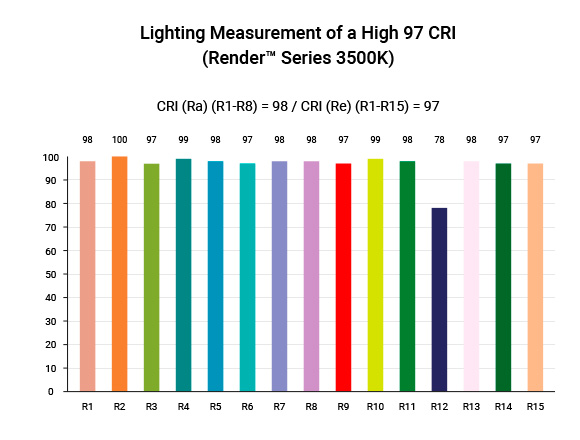
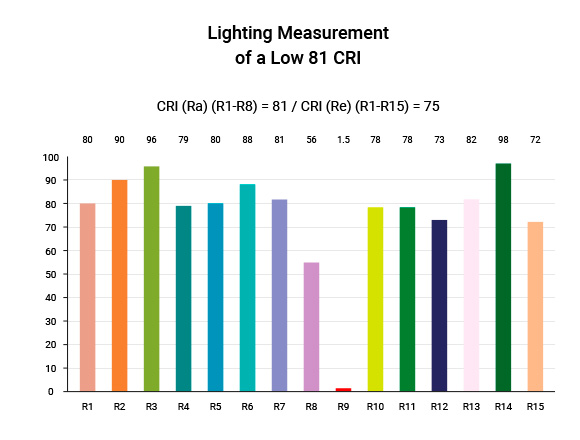
You may also hear about R9. That is a key part of CRI. R9 tracks deep red. Deep red affects skin, wood, meat, and warm fabric. A high CRI without R9 can still look flat. Aim for R9 above 50 if color matters.
I stress this point when clients ask What Is CRI in LED Lights for home use. It is not only a number. It is how your room feels and how your food and art pop.
How CRI Is Measured
The classic CRI method uses test colors. It checks how a light shows eight soft color samples. These are called R1 to R8. The average of these is Ra, the CRI you see on the box. It uses a match to a reference at the same color temp. Warm light uses a hot filament model. Cool light uses a daylight model.
There are also extra samples, R9 to R14. These include deep red, strong yellow, and skin tones. Many cheap lamps skip these. That is why two bulbs with the same CRI can still look different. The shape of the LED spectrum matters a lot.
If you wonder What Is CRI in LED Lights in strict terms, it is the Ra average of the first eight samples. But pros also ask for R9. It is the red that most people see on faces and food.
CRI vs Other Color Metrics
CRI is common. But it is not the only tool.
- TM-30: This is a newer method. It gives two scores. Rf shows color truth. Rg shows color strength. Rf near 100 and Rg near 100 is a safe bet. TM-30 also gives a color vector graphic. It shows where hues shift.
- TLCI: Used for TV and film. It rates how colors look on camera. It can be more useful than CRI for video.
- CQS: A method that tries to fix gaps in CRI. It uses more samples. It is less used than TM-30 now.
When a client asks What Is CRI in LED Lights compared to TM-30, I say this: CRI is a quick check. TM-30 gives deeper insight. If you shoot video, add TLCI to your spec.
Why CRI Matters in Real Life
This is where the number meets life.
- Home: 90+ CRI makes skin look warm and kind. It also helps you match clothes.
- Kitchen: High CRI makes greens bright and meat look fresh. R9 shines here.
- Bath and vanity: 90+ CRI with good R9 helps with makeup and shave tasks.
- Art and craft: 95 CRI helps you see fine color shifts. It makes paint work easier.
- Retail: Good CRI boosts product appeal and trust. Reds and blues look real.
- Photo and video: High CRI and good red are key for natural skin tones.
So, What Is CRI in LED Lights for you? It is a simple way to choose light that flatters your space and your life.
Choosing the Right CRI for Your Space
Use this quick map.
- Living rooms and bedrooms: 90 CRI or higher. Look for R9 above 50.
- Kitchen and dining: 90–95 CRI. R9 above 70 is great for food.
- Bath and vanity: 90–95 CRI. Neutral color temp helps too.
- Home office: 90 CRI with calm, neutral light to reduce eye strain.
- Art studio or gallery: 95+ CRI. If you can, check TM-30 Rf and Rg as well.
- Retail and showrooms: 90–95 CRI with strong R9 to make products pop.
If you want to explain What Is CRI in LED Lights to a friend, tell them to start with 90 CRI for any space where people and colors matter.
CRI and LED Specs That Work Together
CRI does not stand alone. It works with other specs.
- CCT (color temp): Measured in Kelvin. Warm white (2700–3000K) is cozy. Neutral (3500–4000K) is clear. Daylight (5000–6500K) is crisp. Always pick CRI and CCT as a pair.
- Lumens: This is light output. High CRI can cost a little output. Expect 5–15% less lumens per watt at 95 CRI vs 80 CRI.
- R9: Aim for 50+ if you care about food, skin, wood, or red brick.
- Duv: This shows if light is greenish or pinkish. A value near zero looks clean.
- Flicker: Not part of CRI, but it affects comfort. Look for low flicker.
- Binning and shift: LEDs can change over time. Good brands control this.
Clients often ask What Is CRI in LED Lights if the lamp drops lumens. The answer is yes, sometimes. Better color can cost some efficiency. It is a fair trade in many spaces.

How to Read Spec Sheets Like a Pro
Here is how I scan a data sheet in a store or PDF.
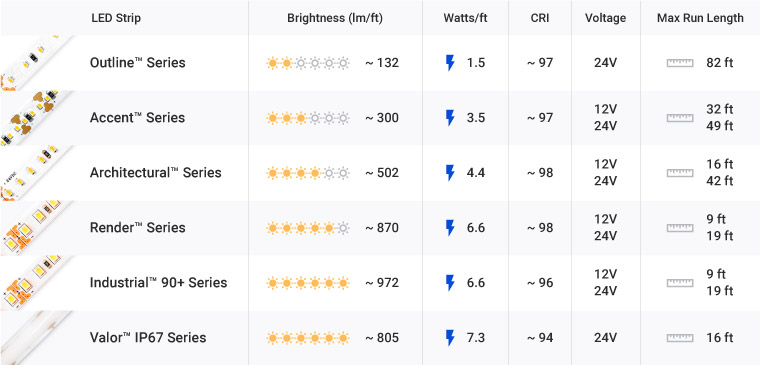
- CRI: Look for 90+ CRI. Check if it says “min 90” or “typ 90.” Min is safer.
- R9 value: Many brands list it. If not, ask. R9 above 50 is a strong sign.
- TM-30: If shown, aim for Rf 90+ and Rg near 100.
- CCT and Duv: Make sure the color temp fits your room. Duv near zero is best.
- Warranty: Good brands back high CRI for years. Check the fine print.
When buyers ask What Is CRI in LED Lights on a label, I tell them to find R9 and any TM-30 chart. That is where the truth lives.
Easy Ways to Test CRI at Home
You can get far with simple checks.
- Skin test: Hold your hand under the light. Does it look pale or gray? If yes, R9 may be low.
- Fruit test: Place a red apple and a green lime. Do both look vivid and clean?
- Fabric test: Check navy, black, and deep red shirts. Poor CRI makes them look dull.
- Paper test: White paper should not look green or pink.
- App or tool: Phone apps can help, but a real meter is best. A ColorChecker card is great if you shoot photos.
If you still wonder What Is CRI in LED Lights in practice, this small kit will show you fast.
Common Myths and Mistakes
Let’s clear up a few points.
- CRI 100 is not always the goal. Many good LEDs sit at 95 and look great.
- High CRI does not mean warm light. CRI and color temp are different.
- High lumens do not fix poor CRI. Bright dull is still dull.
- A single CRI number can hide weak reds. Ask for R9 data.
- Daylight bulbs are not always better for homes. They can look harsh in warm rooms.
These tips help explain What Is CRI in LED Lights and why one number is not the whole story.
Cost, Efficiency, and Trade-Offs
High CRI LEDs used to cost a lot. Prices are better now. You may still pay a small premium. You may also lose a bit of efficacy. For homes and shops, the gains in color are worth it.
In my tests, 95 CRI bulbs often give 5–10% less lumens per watt than 80 CRI. But faces look better. Wood and art look rich. That is value you see each day.
If a client says What Is CRI in LED Lights in terms of cost, I say this: it is the cheapest way to make a room look premium without new paint or decor.
Real-World Stories and Lessons Learned
Kitchen upgrade: I swapped 80 CRI downlights for 95 CRI in a small condo. The red sauce and basil looked fresh. White quartz lost its dull cast. The owner thought I changed the paint. I did not.
Photo desk: A designer fought with color match on prints. We moved from 80 CRI, 5000K to 95 CRI, 4000K with high R9. Her blues and skin tones matched the screen at last.
Retail floor: A shoe store had returns due to color mismatch. We used 90 CRI with R9 60 and a clean Duv. The product looked true. Returns dropped. Staff said, “This is how the shoes should look.”
Each time, the heart of the fix was the same question: What Is CRI in LED Lights, and how can we choose it well?
Buying Checklist You Can Use Today
Bring this list to the store or keep it in your phone.
- Target CRI: 90+ for most rooms, 95 for art and food.
- R9: 50+ is good, 70+ is great.
- CCT: 2700–3000K for cozy rooms, 3500–4000K for work areas.
- TM-30: Rf 90+ and Rg near 100 if you can find it.
- Duv: Near zero to avoid green or pink cast.
- Flicker: Low flicker for comfort.
- Brand: Pick a brand with a real spec sheet and a solid warranty.
If you ever blank on What Is CRI in LED Lights while shopping, this checklist will guide you back.
Frequently Asked Questions of What Is CRI in LED Lights
What is a good CRI for home lighting?
Aim for 90 or higher. It makes skin, food, and decor look more natural and warm.
Is 80 CRI good enough?
It can work for halls or storage. For living areas and kitchens, 90+ CRI looks much better.
Does high CRI use more energy?
Often slightly more. Expect 5–15% lower lumens per watt at very high CRI, but color quality improves.
What about R9? Why does it matter?
R9 tracks deep red. It is key for skin tones, wood, and food. Ask for R9 above 50.
Is CRI the same as color temperature?
No. CRI is color accuracy. Color temperature is the warm or cool feel of the light.
How does TM-30 compare to CRI?
TM-30 gives more detail with Rf and Rg. CRI is simpler and common, but TM-30 offers deeper insight.
Can I check CRI without a meter?
Yes. Use skin, fruit, and fabric tests. If colors look dull or gray, the red content may be low.
Conclusion
CRI helps you choose light that honors color and life. Think of it as a truth score for how your world looks at night. Start with 90+ CRI, check R9, and match color temp to your room. That alone can change how your space feels each day.
Take one room and try a high CRI lamp this week. See how faces, wood, and food respond. If this guide helped, share it, subscribe for more lighting tips, or drop a question in the comments.
