


A flush mount is a fixture that sits level with a surface for a clean look.
If you’ve ever wondered what Is Flush Mount and why it’s so popular in lighting, cabinetry, and home tech, you’re in the right place. I work with designers, electricians, and homeowners to choose and install these fixtures every week. In this guide, I’ll break down what Is Flush Mount in plain language, show real examples, and share practical tips you can use today.

What Is Flush Mount? A Clear Definition
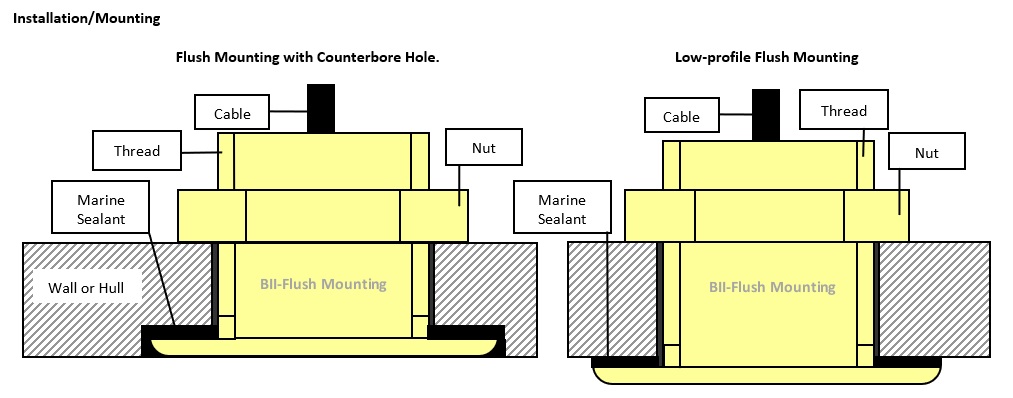
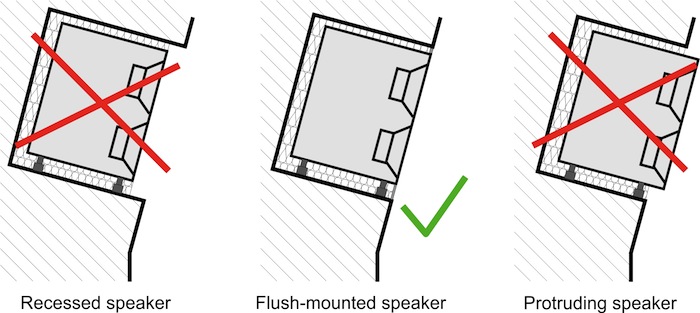
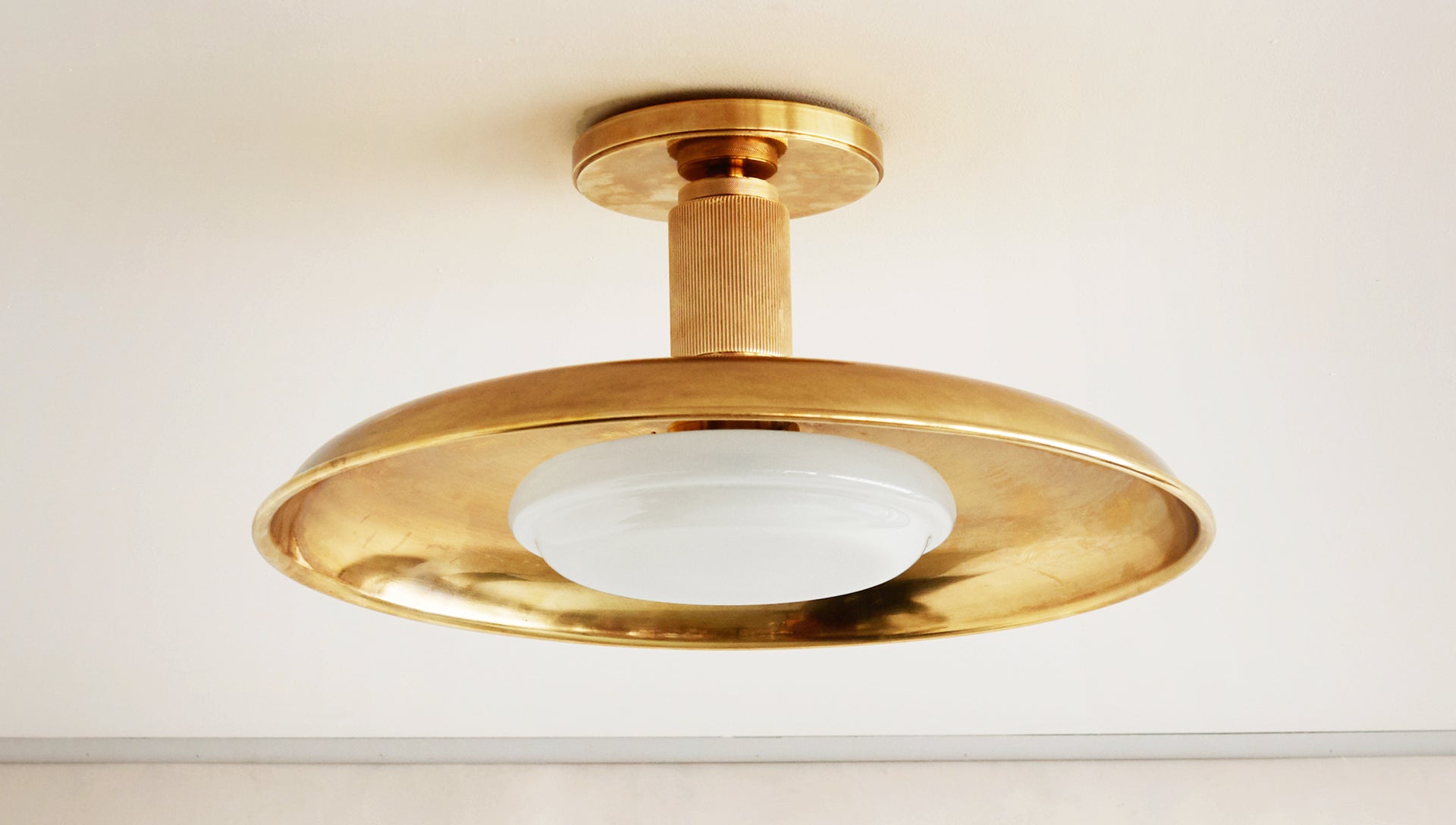
A flush mount is a way to install an object so it sits level with the surface. There is no gap or visible stand-off. In home lighting, it means the light hugs the ceiling. In cabinets, hardware sits flush with the door. In AV setups, TVs or speakers sit close to the wall.
When people ask What Is Flush Mount, they often mean ceiling lights. A flush mount ceiling light is ideal for rooms with low ceilings. It gives a neat, modern look, and spreads light evenly. It’s also easy to clean and safe in busy spaces.
In other fields, What Is Flush Mount has a wider meaning. Electricians use flush mount for wall plates that sit flat. Carpenters use flush hinges set into a shallow cut. Solar installers use flush mount racks that follow the roof line.
Flush Mount vs Semi-Flush vs Recessed
It helps to compare styles before you buy.
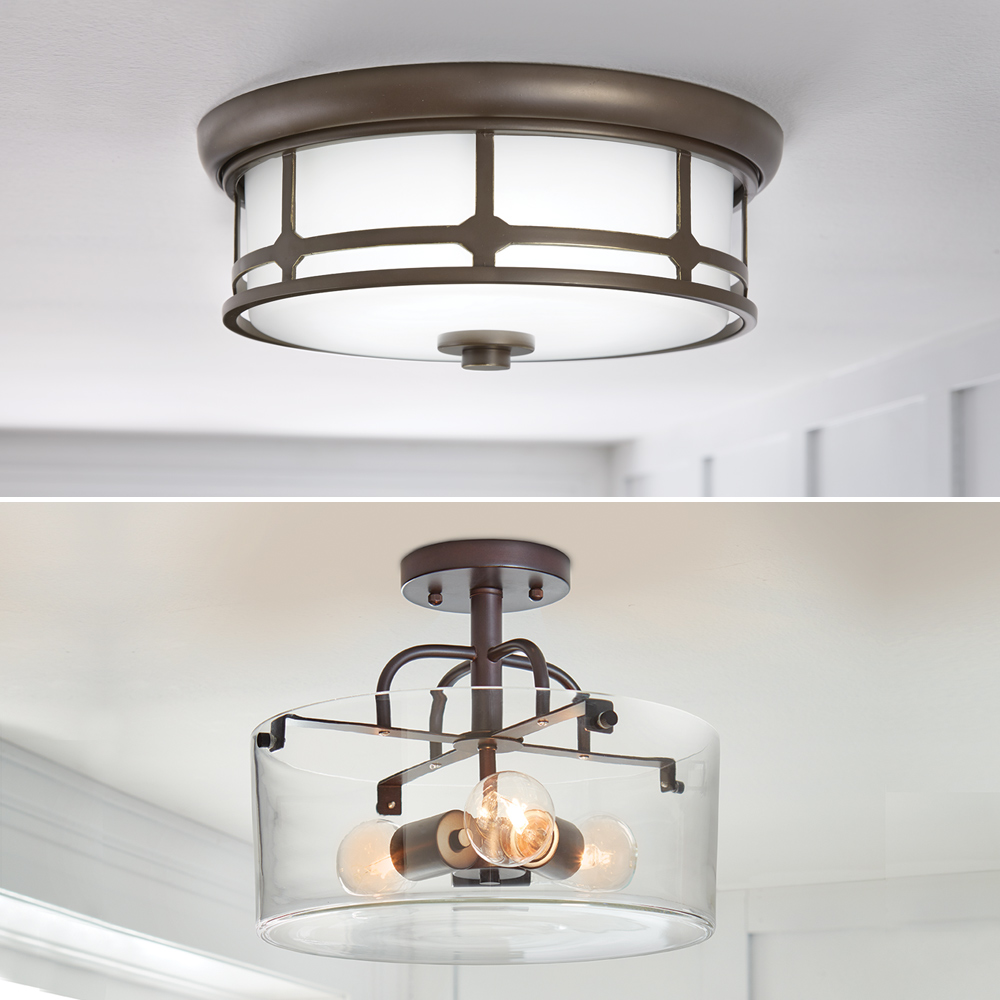
- Flush mount: The fixture base touches the ceiling. Best for 7.5 to 8-foot ceilings. Great for hallways, closets, and small bedrooms.
- Semi-flush: The fixture drops a few inches on a short stem. It looks airy and gives nicer shadows. Works well for 8 to 9-foot ceilings.
- Recessed: The housing sits inside the ceiling cavity. It looks minimal. It needs clearance above the drywall and careful layout.
When clients ask What Is Flush Mount compared to semi-flush, I say think “close vs almost close.” Recessed is a different category. It’s inside the ceiling, not on it.

Common Types and Where They’re Used
What Is Flush Mount in real life? Here are the most common places you’ll see it.
- Ceiling lights: Disk lights, drum shades, low-profile LEDs. Good for apartments, basements, and entryways.
- Bathroom and damp areas: Damp-rated flush mounts handle steam. Use wet-rated near showers or outdoors.
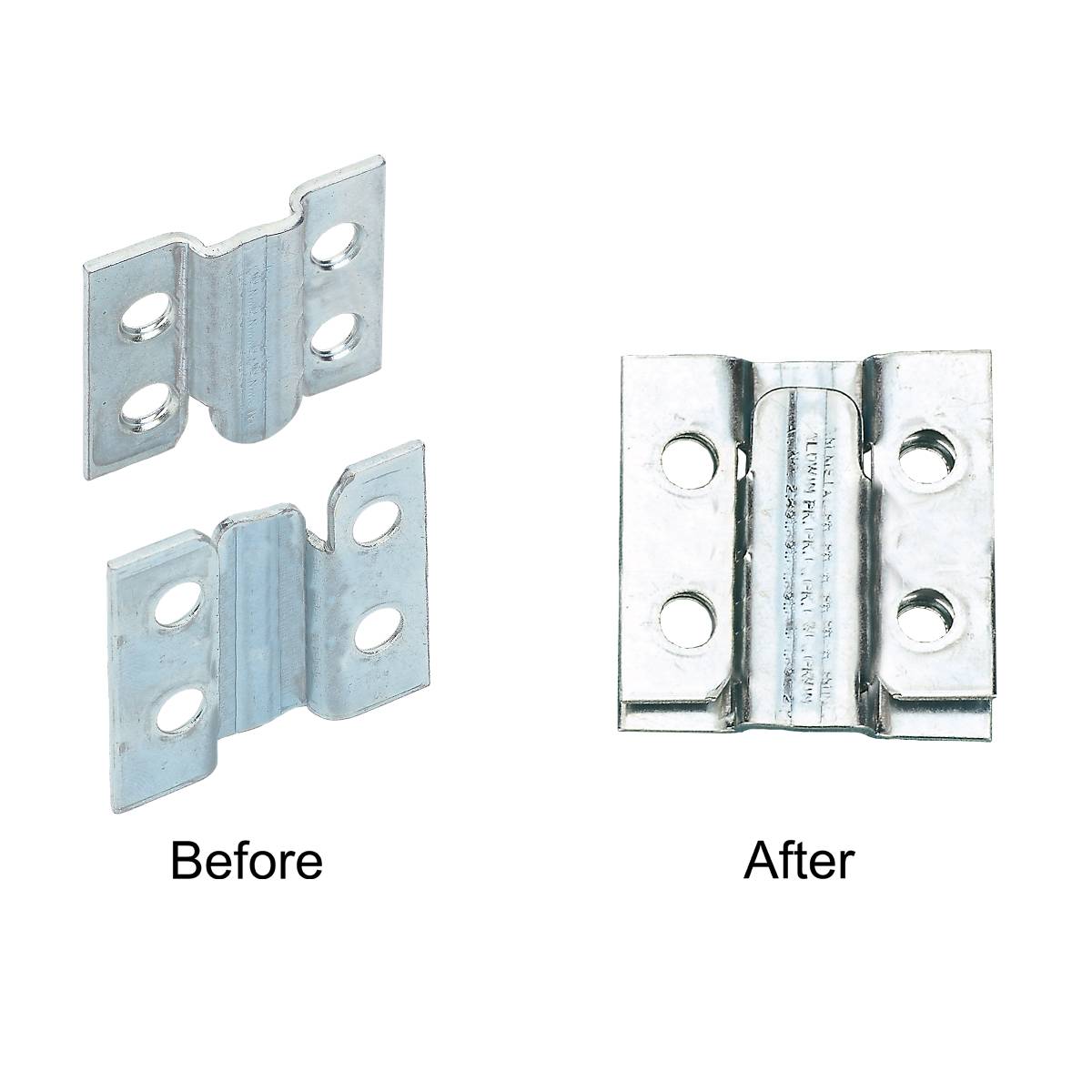
- Cabinets and furniture: Flush pulls and hinges keep surfaces clean and snag-free.
- Electrical and smart homes: Flush wall plates and sensors blend into walls.
- AV and decor: Low-profile TV mounts, sound panels, and wall art mounts sit close to the wall.
- Solar and roofing: Flush-mounted panels follow the roof for wind resistance and a low-key look.
What Is Flush Mount often starts as a style choice, but it also helps with safety and clearances. Kids won’t bump tall fixtures, and door swings stay free.
Benefits and Limitations
Understanding What Is Flush Mount means knowing the trade-offs.
Benefits:
- Clean look: Lines are simple and tidy. It suits modern and classic styles.
- Space savvy: Perfect for low ceilings and tight spots.
- Even light: Many fixtures spread light across the room.
- Easy care: Fewer nooks and less dust.
Limitations:
- Less drama: It won’t give the look of a pendant or chandelier.
- Airflow: It can trap heat near the ceiling if the design is sealed.
- Light spread: Some cheap models create hot spots or glare.
- Access: Integrated LEDs need full fixture replacement if the driver fails.
If you’re asking What Is Flush Mount best for, think practical spaces first. Then add accent lights for mood.

How to Choose a Flush Mount Light
Let’s pick the right fixture without guesswork.
Room size and lumens:
- Measure the room (length x width). That gives square feet.
- Multiply by a target range:
- 5 to 10 lumens per square foot for hallways and bedrooms
- 20 to 30 for kitchens and laundry
- 10 to 20 for living rooms and offices
- Example: 10 x 12 room = 120 sq ft. At 15 lumens per sq ft, aim for 1,800 lumens.
Color and quality:
- Color temperature: 2700K warm, 3000K soft white, 4000K neutral, 5000K daylight.
- CRI: 90+ shows colors better in kitchens and baths.
Ceiling height:
- 7.5–8 feet: Go flush mount.
- 8–9 feet: Consider semi-flush for a nicer spread.
Ratings and safety:
- Damp-rated for baths and covered porches.
- Wet-rated for exposed outdoor areas.
- Look for UL or ETL listing.
- If it’s heavy, use a proper rated box.
Compatibility:
- Dimmable LEDs pair with the right dimmer model.
- Check warranty length. Five years is common for quality LEDs.
Style and finish:
- Match hardware and paint tones. Brushed nickel, matte black, and brass are safe bets.
- For low ceilings, a simple disk looks great.
What Is Flush Mount lighting at its best? It balances brightness, size, and style with your room’s job.
Installation Basics and Safety
If you plan a DIY install, work safe and steady.
Tools:
- Non-contact voltage tester, screwdriver, wire strippers, ladder, and a helper
Steps:
- Turn off the breaker. Test the wires with your voltage tester.
- Remove the old fixture. Confirm the electrical box is secure and rated for the load.
- Mount the bracket. Use all screws. Keep it snug and level.
- Connect wires: black to black (hot), white to white (neutral), green/bare to ground.
- Tuck wires, attach the base, then the shade. Install bulbs if needed.
- Turn power on and test the dimmer.
Safety notes:
- For ceiling fans, use a fan-rated box. Regular boxes can fail.
- If you see brittle wires or no ground, call an electrician.
- Do not exceed the fixture’s wattage rating.
When clients ask What Is Flush Mount wiring like, I say it’s simple but exact. Good connections mean no flicker, no heat, and long life.

Maintenance and Troubleshooting
Keep your flush mount in shape with quick care.
Cleaning:
- Dust monthly with a microfiber cloth.
- For glass, use a mild cleaner. Spray the cloth, not the fixture.
- Check for loose screws once a year.
Troubleshooting:
- Flicker on a dimmer: Try a compatible dimmer or lower the load.
- Buzzing: Use quality LED bulbs and make sure connections are tight.
- Hot spots: Replace yellowed diffusers or upgrade the fixture.
- Integrated LED dead: Check warranty. Replacing the driver may fix it.
What Is Flush Mount upkeep like? It’s low effort. A few small checks keep things bright and safe.
Real-World Tips From Experience
Here are field-tested tricks that save time and stress.
- Use painter’s tape to hold tiny screws on the driver bit. No more drops.
- Mark the hot wire with tape before disconnecting the old light.
- If the ceiling is uneven, add a thin foam gasket behind the base for a tight seal.
- In rentals, choose bulb-based fixtures. You can swap bulbs instead of the whole unit later.
- For bathrooms, I set most clients at 3000K and CRI 90+. It looks warm but still clear for makeup.
When someone asks What Is Flush Mount good for in small homes, I point to hallways and entries. It upgrades the whole feel for not much money.
Cost, Value, and Popular Options
Budgets vary, but you can plan with rough ranges.
- Basic flush mounts: $20 to $60. Good for closets and rentals.
- Mid-range: $60 to $150. Better optics, CRI, and finishes.
- Premium: $150 to $400+. Designer looks, high output, and long warranties.
Operating cost is tiny with LEDs. A 20-watt LED used three hours a day costs just a few dollars a year in many states. If you wonder What Is Flush Mount value over time, LEDs win. They last longer and need less service.
Frequently Asked Questions of What Is Flush Mount
What is flush mount lighting, in simple terms?
It is a ceiling light that sits tight to the ceiling with little or no gap. It gives a clean look and suits low ceilings.
What is the difference between flush mount and semi-flush?
Flush mount touches the ceiling. Semi-flush hangs down a few inches on a short stem for a softer spread.
Where should I use flush mount lights?
Use them in hallways, bedrooms, closets, laundry rooms, and small kitchens. They also work well in apartments with 8-foot ceilings.
Are flush mount lights bright enough for kitchens?
Yes, if you size them right by lumens. You may still want under-cabinet lights for tasks.
Can I install a flush mount by myself?
Many homeowners can if a box is present and wiring is sound. Turn off power, use a tester, and follow instructions; call a pro if unsure.
What color temperature works best for bedrooms?
Try 2700K to 3000K for a cozy feel. Pair with a dimmer for evening comfort.
What is flush mount for TVs?
It is a low-profile wall mount that holds the TV close to the wall. It looks sleek and saves space.
Conclusion
You now know What Is Flush Mount across lighting, hardware, and home tech, plus how to pick and use it well. Aim for the right lumens, safe ratings, and a finish that fits your room. Keep it clean, and match the dimmer to the LEDs for smooth results.
Ready to upgrade a hallway or bedroom with a quick win? Choose one room, pick a damp or dry-rated flush mount, and follow the steps above. Want more guides like this? Subscribe, share your results, or drop a question so I can help with your next project.
