


Integrated LED means the LEDs are built into the light fixture and not replaceable.
If you’ve ever asked, What Is Integrated LED and why does it matter for your home or business, you’re in the right place. I’ve helped plan and install hundreds of LED fixtures, and I’ve seen what works, what fails, and what saves money. In this guide, I’ll break down What Is Integrated LED in plain English, with real examples, pro tips, and data you can trust.

What Is Integrated LED: The Basics
What Is Integrated LED? It’s a lighting design where the LED chips are part of the fixture itself. You do not swap a bulb. Instead, the whole light is engineered as one system. That includes the LEDs, the driver, the heat sink, and the optics.
What Is Integrated LED good for? It packs better efficiency, slimmer shapes, and long life. Many designs are sealed, so dust and moisture stay out. The trade-off is you replace the full fixture when the LEDs reach end of life.
You’ll see What Is Integrated LED in ceiling panels, slim downlights, vanity bars, outdoor sconces, and linear pendants. It’s common in new builds and remodels. It is also the norm in many commercial spaces now.

How an Integrated LED Works
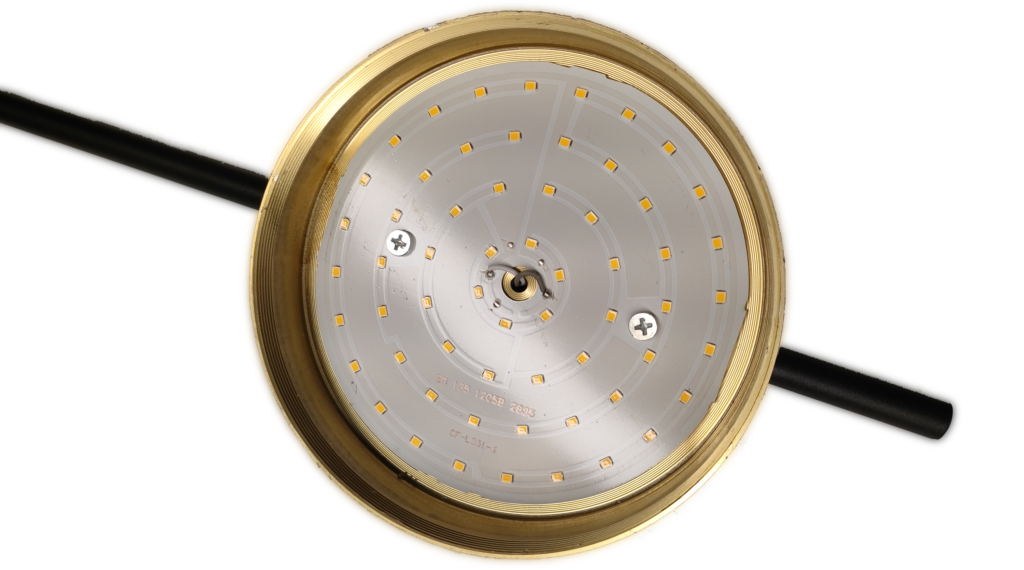
What Is Integrated LED at the component level? Think of it like a tiny engine tuned to its frame. The LED chips sit on a board that moves heat away. A driver turns your AC power into the steady DC current LEDs need.
A heat sink pulls warmth from the chips to keep them cool. Optics shape the light into a soft glow or a tight beam. Better thermal design means longer life and fewer issues.
From a user view, it feels simple. Flip the switch and get instant, stable light. No warm-up. No hum. No flicker when designed well.

Pros and Cons of Integrated LED
What Is Integrated LED best known for? Strong benefits with a few limits.
Pros:
- High efficiency and bright output for low watts
- Slim, modern shapes that look clean on ceilings and walls
- Good heat control for long life
- Even light and less glare with the right lens
- Often better dimming and smart control options
Cons:
- You replace the whole fixture when it fails
- Repairs can be hard without parts from the maker
- Cheap units can flicker or fade early
- Not all are made equal; quality varies a lot
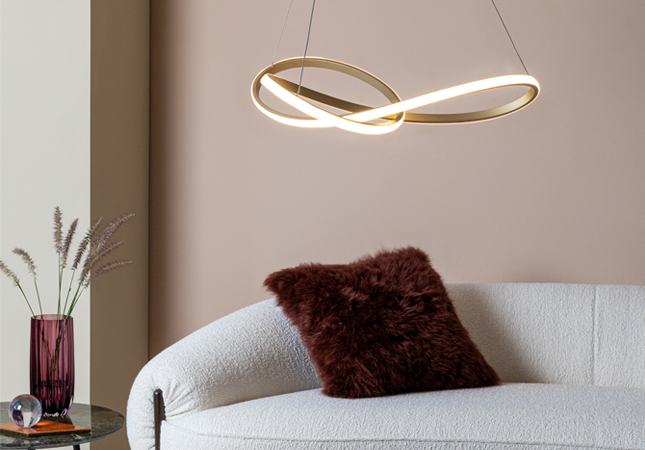
Source: heals
Integrated LED vs Replaceable Bulb Fixtures
People ask What Is Integrated LED compared to a screw-in bulb. A bulb-based fixture uses a socket like E26 or GU10. You pick bulbs and swap them as needed.
An integrated fixture is one tuned system. It can be more efficient and sleek. But you need to choose well up front. When the LEDs age, you replace the whole unit, not just a lamp.
If you want full flexibility, use bulb-based fixtures with high-quality LED lamps. If you want thin looks, great optics, and low care, integrated is a strong pick.
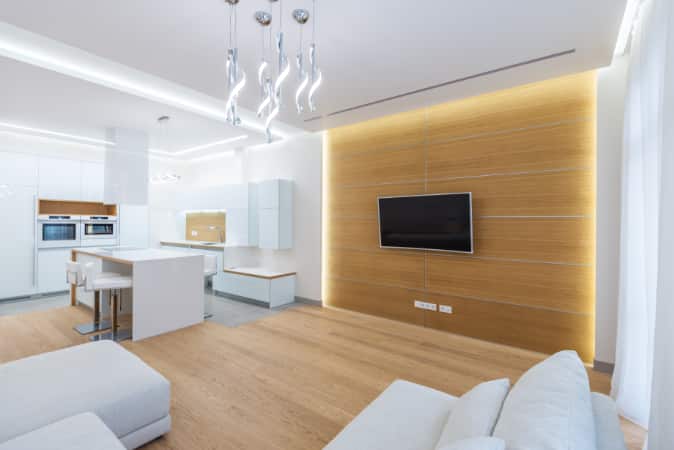
Where Integrated LEDs Shine in Real Life
What Is Integrated LED best used for in daily life? Many places.
Homes:
- Slim downlights in kitchens and halls
- Damp-rated lights in baths and showers
- Under-cabinet bars with smooth, even light
Outdoors:
- Wall packs and sconces with sealed designs
- Security floods with motion sensors
- Path lights that last through heat and cold
Business:
- Office panels with low glare for screens
- Retail track heads that make colors pop
- Warehouses with high-bay fixtures to save big on power

Source: hirosarts
Buying Guide and Specs That Matter
Here is how to shop with confidence when asking What Is Integrated LED.
Key metrics:
- Lumens and lumens per watt: Aim for 90 lm/W or higher in most fixtures
- Color temperature: 2700K to 3000K is warm; 3500K to 4000K is neutral; 5000K is cool
- Color quality: CRI 90+ for homes and retail; check TM-30 Rf/Rg for deeper detail
- Dimming: TRIAC/ELV for homes; 0–10V or DALI for pro jobs
- Power factor: 0.9 or higher is better for large sites
- Flicker: Low percent flicker and high Pst/short-term comfort metrics help reduce eye strain
- Ratings: IP65 for wet areas; IC-rated for contact with insulation; damp/wet listed as needed
- Life claims: L70 or L90 hours backed by LM-80 and TM-21 data
- Safety and efficiency: Look for UL/ETL, Energy Star, or DLC where relevant
Practical tips:
- Touch the heat sink. More metal often means better cooling.
- Read warranty terms. Five years is common for good fixtures.
- Test dimming with your actual switch or control system.
- Ask for photometric files if you care about beam and glare.

Source: waclighting
Installation, Care, and Maintenance
What Is Integrated LED like to install? Often easier than old fixtures. Many come with quick brackets and push-in connectors. Always shut off power and test with a voltage pen.
Care is simple. Dust the lens and vents with a soft cloth. Check seals outdoors. If a driver fails, contact the maker. Some brands offer driver kits you can swap.
From my jobs, the biggest risk is poor wiring and cheap dimmers. Use quality controls. Keep wire connections tight. Follow the spec sheet, not guesswork.
Lifespan, Warranties, and Total Cost
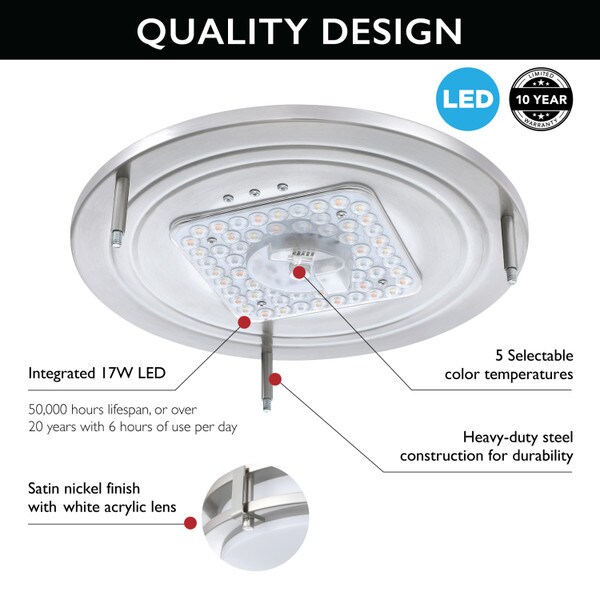
What Is Integrated LED lifespan? Many list 50,000 hours to L70. That means the light drops to 70% of its start level by that time. Good designs can go longer, and weak ones fade faster.
Cost over time is where integrated wins. Lower power, fewer service calls, and steady output help a lot. When comparing, include price, energy, hours per day, and any labor.
A fair warranty is your safety net. Three to five years is common for good brands. Keep receipts and model numbers for support.
Troubleshooting Common Issues
What Is Integrated LED most common issue? Flicker. It often comes from a bad dimmer match or a poor driver. Try a compatible dimmer or swap the driver if the maker allows it.
Color shift or dark corners can point to heat stress. Make sure airflow is not blocked. If output drops fast, contact support. A quality vendor will help you diagnose.
If the light will not turn on, test the switch, the breaker, and the line feed. Check quick connectors. A simple loose wire can look like a dead fixture.
Sustainability and Safety
What Is Integrated LED from a green view? It uses far less energy and cuts carbon. Less heat means less load on AC. Long life means fewer parts tossed away.
Look for RoHS compliance for low hazardous content. Choose makers with repair parts and take-back plans. Recycle old fixtures when you can.
On safety, use certified products. Follow install codes. In wet areas, pick the right rating. A safe install is as key as a safe design.
Frequently Asked Questions of What Is Integrated LED
Is an integrated LED fixture worth it?
Yes, if you value thin design, high efficiency, and low upkeep. It is a great fit for new installs and many upgrades.
How long do integrated LEDs last?
Many list 50,000 hours to L70 under normal use. That can mean 10 to 15 years in a home setting.
Can I replace the LED in an integrated fixture?
Most times, no. You replace the whole unit, though some brands sell driver kits or boards.
Do integrated LEDs work with dimmers?
Yes, if they are rated for your dimmer type. Check the maker’s dimmer list for best results.
Are integrated LEDs brighter than bulb-based fixtures?
They can be for the same watts because optics and heat control are tuned. Always compare lumens and beam spread, not just watts.
Do integrated LED lights flicker?
Good ones have very low flicker. Pair them with compatible dimmers and stable power to avoid issues.
What color temperature should I choose?
Use 2700K to 3000K for cozy rooms, 3500K to 4000K for work areas, and 5000K for task or garage spaces. Match the light to the mood you want.
Conclusion
You came here asking What Is Integrated LED, and now you know it is a full, tuned system built into the fixture. It offers sleek looks, strong efficiency, and long life when you pick a quality product. The key is to match specs to your space and buy from a brand that backs its claims.
Take the next step. Review your rooms, list your needs, and compare two or three solid options. Want more guides like this? Subscribe, share your questions, or drop a comment about your project.
