


Ultraviolet (UV) light is an invisible part of the electromagnetic spectrum, with both natural (sun) and artificial sources. Today, it plays a dual role: essential for processes like Vitamin D synthesis and advanced disinfection, yet requiring careful management due to its potential for skin and eye damage. Understanding what UV light is today means appreciating its scientific marvels, practical applications, and the importance of smart protection.
Have you ever wondered about that invisible force radiating from the sun or lurking in certain everyday devices? We’re talking about ultraviolet, or UV, light. It’s one of those things we often hear about in warnings – “wear sunscreen to protect from UV rays!” – but it’s so much more than just a potential danger. What is the UV light today? It’s a fascinating and powerful form of energy that plays a surprising number of roles in our world, both seen and unseen.
From helping our bodies make essential vitamins to zapping germs in hospitals, UV light is a silent workhorse of modern life. Yet, its power comes with responsibility, and understanding its nature is key to harnessing its benefits while safeguarding ourselves from its drawbacks. Let’s peel back the layers and discover the incredible story of UV light today.
Key Takeaways
- UV Light Basics: UV light is electromagnetic radiation with wavelengths shorter than visible light, categorized into UVA, UVB, and UVC, each with different effects and penetration levels.
- Dual Nature: While UV light is essential for natural processes like Vitamin D production and widely used in sterilization, curing, and forensics, it also poses significant health risks.
- Health Benefits: Controlled exposure to UVB helps the body produce Vitamin D, crucial for bone health and immune function. UV light is also used in phototherapy for certain skin conditions.
- Modern Applications: Today, UV light is a powerhouse in disinfection (air, water, surfaces), medical diagnostics, industrial curing of materials, and authenticating currency and documents.
- Potential Dangers: Overexposure to UV radiation can cause sunburn, premature skin aging, increase the risk of skin cancer, and lead to eye damage like cataracts and photokeratitis.
- Protection is Key: Effective UV protection includes using broad-spectrum sunscreen, wearing UV-protective clothing and sunglasses, seeking shade, and being aware of peak UV hours.
- Technological Advancements: Innovations in UV-C LED technology are making disinfection more efficient, safer, and compact, expanding its use in consumer products and public health.
Quick Answers to Common Questions
What are the three main types of UV light?
The three main types of UV light are UVA, UVB, and UVC, categorized by their wavelength and differing impacts.
Does glass block all UV light?
Standard window glass blocks most UVB rays, but it allows a significant portion of UVA rays to pass through.
What is the primary benefit of UVC light?
The primary benefit of UVC light is its powerful germicidal properties, making it highly effective for sterilization and disinfection against bacteria, viruses, and other pathogens.
Can you get a sunburn on a cloudy day?
Yes, you can get a sunburn on a cloudy day because up to 80% of the sun’s UV rays can penetrate light cloud cover.
What does “broad-spectrum” mean for sunscreen?
“Broad-spectrum” sunscreen means it protects against both UVA and UVB rays, offering more comprehensive sun protection.
📑 Table of Contents
Understanding UV Light: The Basics
First things first, what exactly is UV light? Imagine a vast spectrum of energy waves, much like the colors of a rainbow, but extending far beyond what our eyes can see. This is the electromagnetic spectrum, and UV light is a segment of it. It sits just beyond the violet end of visible light, which is how it gets its “ultra-violet” name. These waves carry energy, and it’s this energy that gives UV light its unique properties.
What is UV Light?
UV light is a form of electromagnetic radiation. Think of it like radio waves, microwaves, or X-rays – they’re all part of the same big family, just with different wavelengths and energy levels. UV light has shorter wavelengths than visible light but longer wavelengths than X-rays. It’s measured in nanometers (nm), and this measurement is crucial because different wavelengths of UV light behave very differently and have varying impacts on living things and materials.
The Different Types of UV Rays
Not all UV light is created equal. Scientists categorize UV radiation into three main types, based on their wavelength:
- UVA (320-400 nm): This is the longest wavelength UV light and makes up about 95% of the UV radiation that reaches the Earth’s surface. UVA penetrates deeply into the skin, contributing to premature aging, wrinkles, and skin cancer. It can also pass through glass.
- UVB (280-320 nm): Shorter than UVA, UVB rays are the primary cause of sunburn. While only about 5% of solar UVB reaches the Earth’s surface (much is absorbed by the ozone layer), it’s highly energetic. UVB is crucial for Vitamin D production but also strongly linked to skin cancer.
- UVC (100-280 nm): This is the shortest and most energetic type of UV light. Thankfully, all UVC radiation from the sun is absorbed by the Earth’s ozone layer and atmosphere, so it doesn’t reach us naturally. However, artificial UVC sources are powerful germicides, which we’ll explore shortly.
Natural vs. Artificial Sources
When you think of UV light, the sun is probably the first thing that comes to mind, and rightly so. The sun is our planet’s most significant natural source of UVA and UVB radiation. But UV light isn’t just a solar phenomenon. Today, artificial sources of UV light are everywhere, designed for specific purposes:
- Tanning beds: Primarily emit UVA, sometimes with a small amount of UVB.
- Germicidal lamps: Use UVC to kill bacteria, viruses, and other microorganisms.
- Curing lamps: Found in nail salons or industrial settings, these often use UVA to cure gels and resins.
- Black lights: Emit mostly UVA, causing fluorescent materials to glow, often seen at parties or in counterfeit detection.
- Mercury vapor lamps: Used in some streetlights and industrial applications.
The Benefits of UV Light Today
Despite the warnings about overexposure, UV light is far from being purely harmful. In fact, it’s incredibly beneficial and even essential in many aspects of our lives, from personal health to advanced technology.
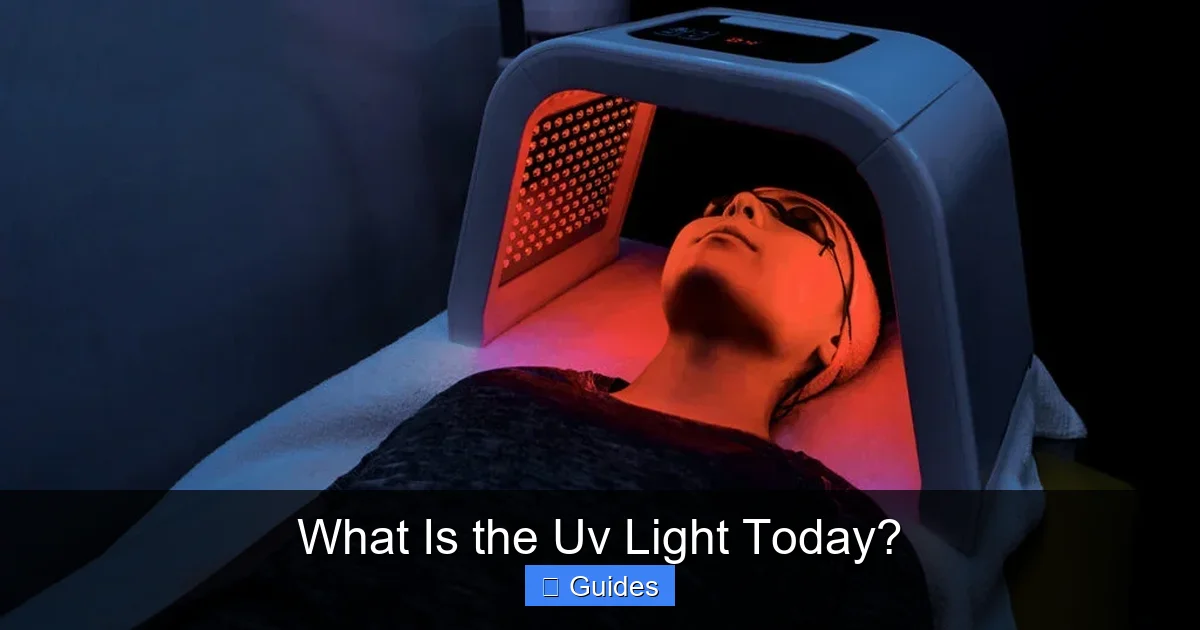
Visual guide about What Is the Uv Light Today?
Image source: i0.wp.com
Vitamin D Production and Mood Boost
Perhaps one of the most widely known benefits of UV light is its role in Vitamin D synthesis. When UVB rays hit our skin, they trigger a chemical reaction that produces Vitamin D, often called the “sunshine vitamin.” This vitamin is vital for strong bones, a healthy immune system, and even plays a role in mood regulation. Just a short, controlled exposure to sunlight (about 10-15 minutes, depending on skin type and location) can be sufficient for many people. Beyond Vitamin D, exposure to natural light, including some UV, has been linked to improved mood and reduced symptoms of seasonal affective disorder (SAD).
Sterilization and Disinfection
This is where UVC light truly shines. Because of its short, high-energy wavelengths, UVC radiation is incredibly effective at destroying the DNA and RNA of bacteria, viruses, and other pathogens. This makes it a powerful germicide. Today, UVC lamps are widely used in:
- Hospitals and clinics: To sterilize surfaces, equipment, and even operating rooms.
- Water treatment plants: To purify drinking water without harsh chemicals.
- Air purification systems: In HVAC systems to kill airborne germs and mold.
- Food processing: To disinfect surfaces and extend the shelf life of certain products.
The ability of UVC to eliminate harmful microorganisms without leaving chemical residues is a game-changer for public health and safety.
Industrial Applications
Beyond health and hygiene, UV light has found its niche in various industrial processes:
- Curing: UV light is used to rapidly cure (harden) inks, coatings, and adhesives in manufacturing. This speeds up production and reduces the need for volatile organic compounds (VOCs). Think about the durable finish on your car or the quick-drying ink on packaging.
- Water Purification: Large-scale industrial water treatment facilities use powerful UV systems to ensure water safety before it reaches homes and businesses.
- Wastewater Treatment: UV light helps disinfect wastewater before it’s released back into the environment, protecting ecosystems.
Scientific Research and Forensics
In the world of science and crime solving, UV light is an invaluable tool:
- Forensics: Investigators use UV lamps to reveal latent fingerprints, bodily fluids, forged documents, and other evidence that might be invisible under normal light.
- Research: Scientists use UV spectrophotometers to analyze substances, identify compounds, and study molecular structures.
- Material Testing: UV exposure chambers are used to simulate accelerated weathering to test the durability of materials against sunlight over time.
The Dangers and How to Protect Yourself
With great power comes great responsibility, and UV light is no exception. While beneficial in controlled environments, uncontrolled exposure, especially to natural sunlight, can have serious health consequences. Understanding these risks is fundamental to knowing what UV light is today and how to interact with it safely.
Skin Damage
The most immediate and common danger of UV exposure is sunburn, caused primarily by UVB rays. But the damage goes far deeper:
- Premature Aging: UVA rays penetrate deeply, breaking down collagen and elastin, leading to wrinkles, fine lines, and sagging skin – what we call photoaging.
- Hyperpigmentation: Sun exposure can cause dark spots, sunspots, and uneven skin tone.
- Skin Cancer: This is the most serious risk. Both UVA and UVB damage DNA in skin cells, increasing the risk of all types of skin cancer, including melanoma (the most dangerous form), basal cell carcinoma, and squamous cell carcinoma.
Eye Damage
Our eyes are also highly susceptible to UV damage:
- Photokeratitis: This is essentially a sunburn of the cornea, the clear front surface of the eye. It’s painful and can cause temporary blurred vision, often from spending too much time near reflective surfaces like snow or water without protection.
- Cataracts: Long-term exposure to UV radiation is a significant risk factor for developing cataracts, a clouding of the eye’s lens that can lead to blurred vision and eventual blindness if untreated.
- Macular Degeneration: Some studies suggest a link between UV exposure and an increased risk of age-related macular degeneration, which affects central vision.
Protecting Your Skin
Luckily, protecting yourself from UV radiation is straightforward and highly effective:
- Sunscreen: Use a broad-spectrum sunscreen with an SPF of 30 or higher, even on cloudy days. Apply it generously 15-30 minutes before going outside and reapply every two hours, or more often if swimming or sweating.
- Protective Clothing: Wear long-sleeved shirts, long pants, and wide-brimmed hats made from UV-protective fabric (look for UPF ratings).
- Seek Shade: Especially between 10 a.m. and 4 p.m. when UV rays are strongest.
- Avoid Tanning Beds: These emit high levels of UV radiation and significantly increase skin cancer risk.
Protecting Your Eyes
Your eyes need protection too:
- Sunglasses: Choose sunglasses that block 99-100% of both UVA and UVB rays. Look for labels like “UV400” or “100% UV protection.”
- Hats: A wide-brimmed hat provides additional shade for your eyes and face.
UV Light in Modern Technology and Innovation
The role of what UV light is today extends far beyond basic understanding. It’s a field of rapid innovation, constantly finding new ways to improve our lives and solve complex problems.
Advanced Disinfection Systems
The demand for efficient and chemical-free disinfection soared recently, pushing UV-C technology to new heights. We’re seeing:
- UV-C LEDs: Smaller, more energy-efficient, and longer-lasting than traditional mercury lamps, these LEDs are being integrated into everything from water bottles and toothbrush sanitizers to public transport ventilation systems.
- Robotic Disinfectants: Hospitals are deploying autonomous robots equipped with UVC lamps to disinfect patient rooms and operating theaters quickly and thoroughly.
- Personal & Home Devices: UV sanitizers for phones, keys, and even mail are becoming common, offering peace of mind in our germ-conscious world.
Medical Diagnostics and Therapies
In medicine, UV light offers both diagnostic insights and therapeutic solutions:
- Phototherapy: Controlled exposure to specific wavelengths of UV light (often UVB) is used to treat skin conditions like psoriasis, vitiligo, and eczema by slowing down abnormal cell growth or stimulating pigment production.
- Dermatology: Doctors use specialized UV lamps (Wood’s lamps) to diagnose various skin infections and conditions, as certain fungi and bacteria fluoresce under UV light.
- Surgical Sterilization: UV-C light continues to be a cornerstone for sterilizing surgical instruments and maintaining sterile environments.
Personal Devices and Consumer Products
UV light is making its way into many products we use daily:
- Nail Lamps: Primarily UVA, these lamps are used to cure gel nail polish quickly, offering a durable and shiny finish.
- Water Purifiers: Portable UV water purifiers are popular with campers and travelers, offering a reliable way to make questionable water sources safe to drink.
- Contact Lens Cases: Some contact lens cleaning systems incorporate UV to disinfect lenses.
Counterfeit Detection
UV light is a secret weapon against fraud. Many currencies, passports, credit cards, and official documents incorporate security features that are invisible to the naked eye but glow under UV light. This makes it incredibly difficult for counterfeiters to replicate, providing a quick and easy way to verify authenticity in retail, banking, and border control.
Debunking Common Myths About UV Light
Despite its pervasive presence, many misconceptions about UV light persist. Let’s clear up some common myths about what UV light is today.
“Cloudy days are safe from UV.”
Myth: Many people believe that if the sun isn’t shining brightly, they don’t need sun protection.
Reality: Clouds can filter some UV radiation, but they don’t block it entirely. Up to 80% of the sun’s UV rays can penetrate light cloud cover. So, even on an overcast day, your skin and eyes are still exposed to harmful UV radiation.
“Only fair-skinned people need protection.”
Myth: Darker skin tones are immune to sun damage and skin cancer.
Reality: While individuals with darker skin have more melanin, which offers some natural protection, they are still susceptible to UV damage, sunburn, premature aging, and skin cancer. Skin cancer in people of color is often diagnosed at a later, more dangerous stage, partly due to this misconception.
“Tanning beds are a safe way to get Vitamin D.”
Myth: Tanning beds are a controlled way to get a “base tan” and Vitamin D, making them safer than natural sunlight.
Reality: Tanning beds predominantly emit UVA rays, which contribute minimally to Vitamin D production but significantly increase the risk of skin cancer and premature skin aging. The World Health Organization classifies tanning beds as a Group 1 carcinogen, the highest risk category.
“Indoor lighting doesn’t emit UV.”
Myth: As long as you’re indoors, you’re completely safe from UV exposure from artificial lights.
Reality: While most common indoor lights (like LED or incandescent bulbs) emit negligible amounts of UV, some specialized lights can. Halogen lamps and older fluorescent tubes can emit small amounts of UV. However, the risk from these sources is generally very low compared to natural sunlight. The main indoor UV concern comes from sunlight passing through windows, as regular glass blocks most UVB but allows UVA to penetrate.
Conclusion
So, what is the UV light today? It’s a complex and incredibly versatile part of our environment and technological toolkit. From the life-sustaining warmth of the sun that helps us create Vitamin D to the cutting-edge disinfection systems safeguarding our health, UV light is a force of nature and innovation. We’ve seen its invisible power harnessed for everything from curing industrial coatings to unmasking counterfeit currency. Yet, its potent energy demands respect and vigilance when it comes to personal safety.
By understanding the different types of UV rays, appreciating their benefits, and diligently practicing protection measures, we can navigate a world increasingly shaped by this invisible light. The future promises even more ingenious applications, but one thing remains constant: a balanced, informed approach to UV light is essential for our health, safety, and continued technological advancement.
🎥 Related Video: UV index determines how quickly you’ll burn
📺 KSHB 41
Learn what the index means and what number to be on alert for. ◂ 41 Action News, KSHB, brings you the latest news, weather …
Frequently Asked Questions
How much sun exposure is needed for Vitamin D?
Generally, 10-15 minutes of unprotected sun exposure a few times a week, during non-peak hours (morning or late afternoon), is enough for many people to synthesize sufficient Vitamin D. Factors like skin type, location, and time of year can influence this.
Are UV nail lamps safe?
UV nail lamps, which primarily emit UVA, are generally considered safe for occasional use, but concerns exist about potential long-term skin damage and increased cancer risk with frequent, prolonged exposure. Using sunscreen on your hands or fingerless gloves can provide protection.
Can UV light purify air?
Yes, UVC light is effectively used in air purification systems, often integrated into HVAC units, to kill airborne bacteria, viruses, and mold spores as air passes through the system, improving indoor air quality.
Why is the ozone layer important for UV light?
The ozone layer is crucial because it absorbs almost all of the sun’s harmful UVC radiation and a significant portion of UVB radiation before it reaches the Earth’s surface, protecting living organisms from severe damage.
Do clothes offer sun protection?
Yes, clothes offer sun protection, but the level varies greatly depending on the fabric type, weave, color, and fit. Look for clothing with a UPF (Ultraviolet Protection Factor) rating, with UPF 30+ offering good protection and UPF 50+ offering excellent protection.
Is UV light used for water purification in homes?
Yes, UV water purifiers are becoming more common in homes, especially for well water or as a final disinfection step after other filtration methods, effectively killing bacteria and viruses without adding chemicals.
