


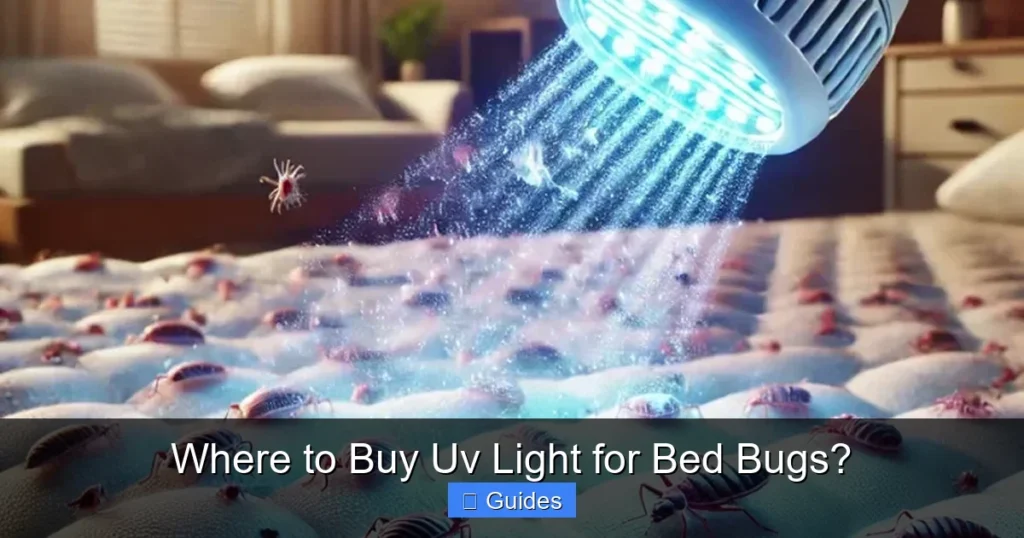
Many wonder where to buy UV light for bed bugs, hoping for a quick solution. However, it’s crucial to understand that UV light does not kill bed bugs; its primary utility lies in detection. This guide will clarify UV light’s role in finding these elusive pests and direct you to reliable sources for purchasing the right tools for effective bed bug inspection.
You’ve got that sinking feeling. Maybe you woke up with suspicious bites, or perhaps you’ve heard horror stories from a friend. The dreaded thought of bed bugs has crept into your mind, and now you’re on a mission to find them. Like many proactive homeowners, you might have landed here wondering, “Where to buy UV light for bed bugs?” hoping it’s the silver bullet you need.
It’s a common query, and we’re here to guide you through it. Before we dive into where to buy UV light for bed bugs, let’s clear up one of the most significant misunderstandings right away: UV light does not kill bed bugs. Yes, you read that correctly. While UV light is an incredible tool, its primary power in the world of bed bug management lies in detection, not destruction. Think of it as a super-powered magnifying glass, helping you uncover these elusive pests and their tell-tale signs.
So, if you’re looking for where to buy UV light for bed bugs specifically as a killing device, you’ll need to adjust your strategy. But if you’re seeking an invaluable aid to find them, to confirm an infestation, or to monitor the effectiveness of a treatment, then you’re in the right place. This comprehensive guide will explain exactly how UV light helps, what types to look for, and most importantly, where you can purchase the best UV light for bed bug detection to empower your pest control efforts.
Key Takeaways
- UV Light Does Not Kill Bed Bugs: Despite common misconceptions, UV light, especially the UV-A spectrum used for detection, is ineffective at killing bed bugs.
- Excellent for Detection: UV-A blacklights (365nm-395nm) can make bed bug fecal matter and sometimes even the bugs themselves fluoresce, greatly aiding in their detection.
- Where to Buy: You can find suitable UV lights for bed bug detection at online retailers (Amazon, eBay), local hardware stores, pet supply stores, and specialty pest control suppliers.
- Look for Specific Wavelengths: Prioritize UV lights with a wavelength between 365 and 395 nanometers (nm) for the best detection results of bed bug evidence.
- Combine with Other Methods: UV light is a powerful detection tool, but it should be used in conjunction with thorough visual inspections and other pest management strategies for effective bed bug eradication.
- Safety First: Always use protective eyewear when operating UV lights to prevent potential eye strain or damage, especially with brighter models.
Quick Answers to Common Questions
Can UV light be used as the sole method to detect bed bugs?
No, while UV light is highly effective at revealing bed bug fecal matter, it should be used in conjunction with a thorough visual inspection and other detection methods like interceptors for the most accurate assessment.
What specific wavelength is best for finding bed bugs with a UV light?
The optimal wavelength for making bed bug fecal matter fluoresce is typically in the UV-A range, specifically between 365 and 395 nanometers (nm).
Are there any safety precautions I should take when using a UV light for bed bugs?
Yes, it’s recommended to wear UV-protective eyewear during extended use to shield your eyes from potential strain or damage, and avoid shining the light directly into anyone’s eyes.
Can I use a regular flashlight to find bed bugs?
A regular bright flashlight is essential for visual inspection, but it won’t reveal the fluorescent glow of bed bug fecal matter that a UV light can, making detection significantly harder.
How much does a good UV light for bed bug detection typically cost?
You can usually find a good quality UV flashlight suitable for bed bug detection in the price range of $15 to $30, though more professional-grade options may cost more.
📑 Table of Contents
Understanding UV Light and Bed Bugs: The Crucial Distinction
Before you rush out to buy a UV light, it’s essential to understand its capabilities and limitations when it comes to bed bugs. Many people believe UV light can eliminate these pests, but that’s a misconception that could lead to ineffective pest management strategies.
Does UV Light Kill Bed Bugs? (The Short Answer: No)
Let’s get this out of the way upfront: standard UV lights, particularly the UV-A spectrum (also known as blacklights) that are readily available to consumers, do not kill bed bugs. Bed bugs are surprisingly resilient creatures. While prolonged exposure to certain extremely high-intensity UV-C light (which is dangerous to humans and rarely found in consumer products) *might* have some effect on their DNA, it’s not a practical or safe solution for home use, nor is it effective enough to eradicate an infestation. Professional pest controllers do not use UV light as a treatment method, and for good reason.
Focusing on where to buy UV light for bed bugs with the intent to kill them will lead to frustration and a continuing infestation. Instead, shift your focus to how this tool can truly help you.
How UV Light *Can* Be Useful: Detection, Not Destruction
So, if it doesn’t kill them, why are we even talking about where to buy UV light for bed bugs? The answer is simple and powerful: detection. Bed bugs are nocturnal masters of hide-and-seek. They are tiny, often less than a quarter of an inch long, and they excel at squeezing into the smallest cracks and crevices. Finding them can be incredibly challenging, even for a trained eye.
This is where a good UV light for bed bugs comes in handy. It acts as a specialized flashlight, revealing evidence that might be invisible under normal lighting conditions. By illuminating certain substances, it can dramatically increase your chances of finding hidden bed bug activity.
The Science Behind UV Detection (Fluorescence of Exoskeletons/Fecal Matter)
The magic of UV light in bed bug detection lies in a phenomenon called fluorescence. When UV light hits certain materials, these materials absorb the UV energy and then re-emit it as visible light, causing them to glow. For bed bugs, two main types of evidence fluoresce under UV light:
- Fecal Spots: Bed bug fecal matter, which consists of digested blood, often appears as tiny black or reddish-brown spots. Under a UV-A light, these spots can glow with a distinct greenish-blue or yellowish fluorescence. This is often the most common and reliable indicator of bed bug presence that UV light helps reveal.
- Exoskeletons/Nymphs: Sometimes, the exoskeletons (shed skins) of bed bugs, and occasionally even live nymphs, can show a faint fluorescence, particularly their pale bodies. While not as consistently bright as fecal matter, it can still aid in spotting them in dark hiding places.
Understanding this scientific principle is key to knowing what kind of UV light to look for and how to use it effectively once you’ve figured out where to buy UV light for bed bugs.
Types of UV Lights Relevant for Bed Bug Detection
Not all UV lights are created equal, especially when it comes to specific tasks like bed bug detection. Knowing the right type will save you time and ensure your purchase is effective.
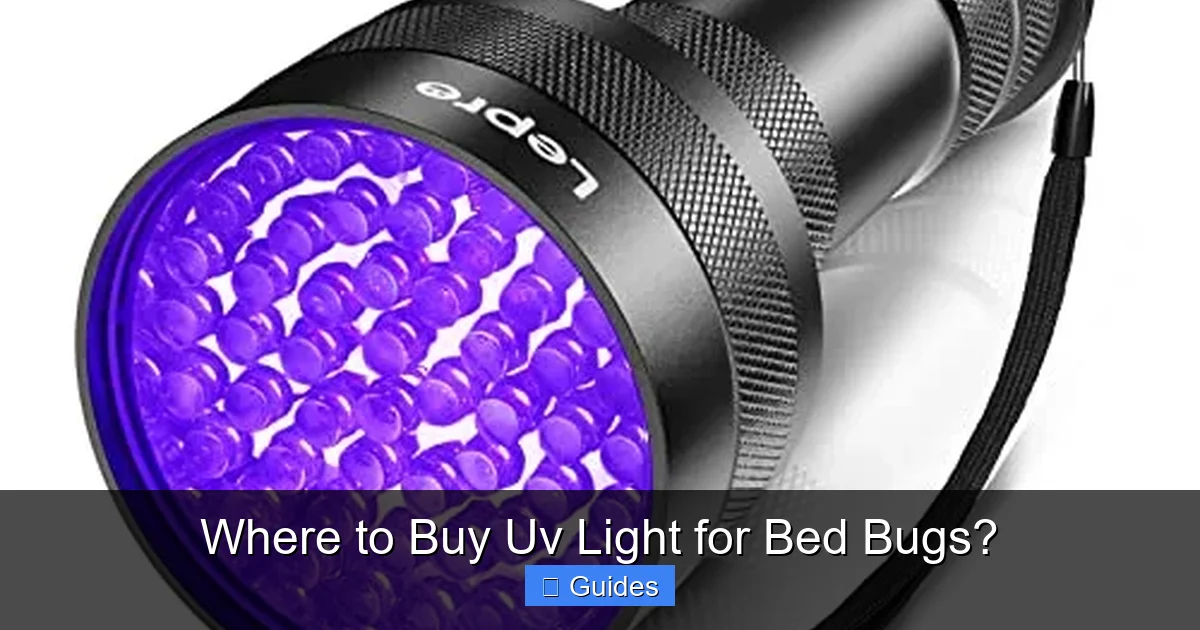
Visual guide about Where to Buy Uv Light for Bed Bugs?
Image source: m.media-amazon.com
UV-A (Blacklight) – The Go-To for Detection
When people talk about UV light for bed bugs in the context of detection, they are almost always referring to UV-A light, commonly known as a “blacklight.” This is the safest and most effective spectrum for home use for this specific purpose. UV-A is relatively benign compared to UV-B or UV-C, which can be harmful to skin and eyes. Blacklights are designed to make certain substances fluoresce without causing immediate damage to human tissue.
Wavelength Matters: What to Look For (365nm-395nm)
The effectiveness of a UV light for bed bug detection largely depends on its wavelength, measured in nanometers (nm). For optimal fluorescence of bed bug fecal matter, you’ll want a UV light that emits light primarily in the 365nm to 395nm range. Lights outside this range might not produce the desired glow, making your inspection less effective. Many general-purpose “blacklights” operate in this range, but it’s always good to check the product specifications if you’re serious about your detection efforts.
Beyond Simple Flashlights: Specialized Detection Tools
While a basic UV flashlight will do the trick, some companies offer more specialized bed bug detection kits that may include a powerful UV light along with other tools like magnifying glasses, probes, and instructional guides. These can be helpful for beginners, but often a good quality UV flashlight is sufficient on its own. When considering where to buy UV light for bed bugs, think about whether you want a standalone device or a more comprehensive kit.
Where to Buy UV Light for Bed Bugs: Your Top Sources
Now that you know what kind of UV light you need, let’s explore the best places to purchase one. You have a variety of options, both online and in brick-and-mortar stores, each with its own advantages.
Online Retailers (Amazon, eBay, Specialty Sites)
Online marketplaces are often the most convenient and comprehensive places to find a UV light for bed bugs. You’ll find a vast selection, competitive pricing, and user reviews that can help you make an informed decision.
- Amazon: Undoubtedly one of the largest selections. Search for “UV flashlight,” “blacklight flashlight,” or “UV light for pet stains” (as these often have the correct wavelength). Look for options with good ratings and specific mentions of 365nm or 395nm wavelengths.
- eBay: Similar to Amazon, eBay offers a wide range of UV lights, sometimes from smaller sellers or international suppliers. You might find unique models here.
- Specialty Pet/Home Inspection Sites: Websites dedicated to pet stain removal (since UV lights are popular for finding pet urine) or home inspection tools often carry high-quality UV lights suitable for bed bug detection. These might offer more specialized or powerful options.
Tip: When buying online, always read customer reviews, especially those mentioning its effectiveness for “stains” or “detection,” to gauge real-world performance.
Local Hardware Stores & Home Improvement Centers
Don’t overlook your local hardware store or large home improvement centers. Places like Home Depot, Lowe’s, or even smaller independent hardware shops often stock basic UV flashlights.
- Availability: While the selection might not be as vast as online, you can immediately pick up a product without waiting for shipping.
- Hands-On Check: You can physically inspect the light, check its size, and sometimes even test its brightness (though a true test of its UV capability requires darkness).
Look in the flashlight or specialty tool sections. Ask store associates for “blacklight flashlights” or “UV flashlights.”
Pet Supply Stores (Sometimes Carry UV Lights for Reptiles, Suitable for Detection)
This might seem surprising, but some pet supply stores, particularly those catering to reptile owners, might carry UV lights. Reptiles require specific UV spectrums for health, and while these are often broader, you might find suitable UV-A lights or general “blacklight” bulbs that fit the bill. These are usually for broader area illumination rather than a focused beam, but could still be useful.
Automotive Stores (Some Detailers Use UV for Fluid Leaks)
Certain automotive stores or auto parts retailers may carry UV lights primarily marketed for detecting automotive fluid leaks (like AC coolant with dye). These often operate in the correct UV-A range and can be quite powerful. It’s another unexpected place to find where to buy UV light for bed bugs that works well for detection.
Specialty Pest Control Suppliers (More Professional-Grade Options)
If you’re looking for professional-grade equipment, consider specialty pest control supplier websites. These sites cater to exterminators and often carry more robust, durable, and powerful UV lights designed for extensive use. While they might be more expensive, the quality and performance are typically superior. They are a good option for where to buy UV light for bed bugs if you want a top-tier detection tool.
Considerations When Choosing a Retailer
When deciding where to buy UV light for bed bugs, think about:
- Urgency: Need it today? Local stores are best. Can wait a few days? Online offers more choice.
- Budget: Online often has the widest price range.
- Selection: Online for specific wavelengths and features; local for basic models.
- Return Policy: Always check the retailer’s return policy in case the product doesn’t meet your expectations.
What to Look For When Buying a UV Light for Bed Bug Detection
Once you know where to buy UV light for bed bugs, the next step is to choose the *right* one. Here’s a checklist of features to prioritize:
Wavelength (Again, Emphasize 365-395nm)
This is paramount. Reiterate seeking a UV light explicitly stating a wavelength between 365 and 395 nanometers. Some cheap “UV” lights might be closer to the visible purple spectrum and won’t make bed bug evidence glow effectively.
Brightness (LEDs, Lumens, Battery Life)
- LEDs: Opt for LED-based UV lights. They are more energy-efficient, durable, and brighter than older incandescent models.
- Lumens (or number of LEDs): While lumens aren’t a direct measure for UV output, a higher number of LEDs (e.g., 51-100 LEDs) generally indicates a more powerful and effective UV flashlight for larger areas or brighter ambient light.
- Battery Life: Consider battery type (AA, AAA, rechargeable) and expected runtime. You don’t want your light dying halfway through an inspection.
Portability and Durability
You’ll be carrying this light around, often in tight spaces. A compact, lightweight, and durable aluminum casing is ideal. Look for models that can withstand accidental drops.
Beam Type and Coverage
Some UV lights offer a broad floodlight beam, while others have a more focused spot. For bed bug detection, a light with a relatively broad, even beam is often preferred as it allows you to scan larger surfaces quickly, but a focused beam can be useful for pinpointing specific crevices. Many good UV flashlights offer a balance.
Price vs. Performance
You don’t need to break the bank, but extremely cheap UV lights might not deliver the necessary wavelength or brightness. A mid-range UV flashlight (typically $15-$30) often provides the best balance of performance and value for home bed bug detection.
Safety Features (Eye Protection)
Even though UV-A is the least harmful spectrum of UV light, prolonged direct exposure to your eyes can still be damaging. It’s a good practice to wear UV protective eyewear when using your UV light for bed bugs, especially brighter models, to safeguard your vision during extended inspections.
How to Effectively Use Your UV Light for Bed Bug Detection
Buying the right UV light is only half the battle. Knowing how to use it effectively is crucial for successful bed bug detection.
Prep Your Inspection Area
- Dim the Lights: UV light works best in darkness or very dim lighting. Close curtains, turn off room lights, and create as dark an environment as possible.
- Clear Clutter: Remove unnecessary items from areas you plan to inspect. This allows for easier access and a more thorough scan.
The Art of the Scan: Where to Look
Bed bugs love to hide in cracks, crevices, and protected areas close to where people sleep or rest. Systematically scan these areas:
- Bed Frame: All joints, slats, screw holes, and upholstered sections.
- Mattress and Box Spring: Along seams, tufts, piping, tags, and under the mattress itself. Remove the dust cover from the box spring if possible.
- Headboard and Footboard: Check behind, under, and inside any hollow areas.
- Nightstands and Dressers: Inside drawers, behind the units, and in joints.
- Walls and Baseboards: Along wall-to-wall carpeting edges, behind loose wallpaper, and in cracks in plaster.
- Electrical Outlets and Light Switches: These offer dark, enclosed spaces.
- Furniture: Upholstered chairs, recliners, and sofas, especially in seams and under cushions.
- Curtains/Blinds: Along pleats and behind the hanging hardware.
Move slowly and deliberately, holding the UV light close to the surface you are inspecting.
What to Look For (Glow, Spots, Bugs Themselves)
- Fecal Spots: These are your primary target. Look for tiny dark spots that glow greenish-blue or yellowish under the UV light. Confirming these with a scrape test (they won’t smudge like dirt) is helpful.
- Live Bed Bugs: While less common for UV to make live adult bugs glow brightly, you might catch a faint reflection off their exoskeleton, especially nymphs. Their movement can also draw your eye.
- Shed Skins: Pale, translucent exoskeletons might also fluoresce faintly, indicating growth and an active infestation.
- Eggs: Bed bug eggs are tiny (about 1mm), pearly white, and might have a subtle glow under UV.
Combining UV with Other Detection Methods
A UV light for bed bugs is a fantastic detection aid, but it shouldn’t be your only tool. Always combine it with:
- Thorough Visual Inspection: Use a bright flashlight and a magnifying glass for close-up examination of any suspicious areas flagged by the UV light.
- Interceptors: Place bed bug interceptors under bed and furniture legs to catch bugs as they climb.
- Sticky Traps: Strategic placement can help confirm activity.
Safety First (Protective Eyewear, Avoid Skin Exposure)
Even with UV-A lights, always prioritize safety. Wear UV-blocking glasses or safety glasses when performing extended inspections. Avoid shining the light directly into anyone’s eyes (including your own) and try not to expose bare skin for prolonged periods, although the risk from UV-A is generally low for casual use.
Conclusion
The journey to eradicating bed bugs often begins with effective detection. While it’s vital to remember that a UV light for bed bugs won’t kill them, it is an incredibly powerful ally in finding these elusive pests. By understanding the distinction between detection and destruction, knowing what types of UV light work best, and where to buy UV light for bed bugs, you’re empowering yourself with crucial knowledge.
Whether you choose to purchase your UV light from a vast online marketplace, a local hardware store, or a specialized pest control supplier, the key is to select a model with the right wavelength (365-395nm) and sufficient brightness. Once you have your tool, using it systematically and safely will greatly enhance your ability to identify bed bug infestations or confirm their absence.
Remember, a UV light is a detection tool, not a treatment. Use it to inform your next steps, which should involve comprehensive pest management strategies, possibly including professional help. With the right tools and knowledge, you can take a significant step towards a bed bug-free home.
🎥 Related Video: Can the UV Care Ultra Germ Zapper Kill Bed Bugs?
📺 UV Care
Watch this video to find out!
Frequently Asked Questions
Does a UV light kill bed bugs?
No, a UV light, particularly the UV-A type commonly used for detection, does not kill bed bugs. Its primary function is to make their fecal matter and other signs visible, aiding in detection rather than extermination.
How does UV light help in finding bed bugs if it doesn’t kill them?
UV light works by causing bed bug fecal matter to fluoresce, appearing as glowing spots that are otherwise difficult to see with the naked eye. This helps homeowners and professionals locate hidden infestations.
Are the UV lights used for bed bug detection the same as those for pet stains?
Yes, UV lights marketed for detecting pet urine stains often operate in the same UV-A wavelength range (365-395nm) that is effective for revealing bed bug evidence, making them suitable for both purposes.
Can I use any blacklight for bed bug detection?
While many blacklights will work, it’s best to choose one specifically listing a wavelength between 365nm and 395nm. Some cheaper blacklights might emit too much visible purple light and not enough effective UV-A for optimal fluorescence.
How long should I inspect an area with a UV light?
Inspect thoroughly and slowly, allowing your eyes to adjust to the dark. The duration depends on the size and clutter of the area, but take your time to systematically scan all cracks, crevices, and seams.
What should I do if I find bed bug evidence with my UV light?
If you find evidence, confirm it with visual inspection. Then, develop a comprehensive treatment plan, which often involves professional pest control services, as finding them is just the first step towards eradication.
