


As an Amazon Associate, We earn from qualifying purchases.
Tackling the digital jungle for allintitle best light bulbs can feel overwhelming. I’ve sifted through countless options, so you don’t have to. Let’s find the perfect illumination for your space, together. It’s time to upgrade your glow.
| IMAGE | PRODUCT NAME | AMAZON LINK |
|---|---|---|
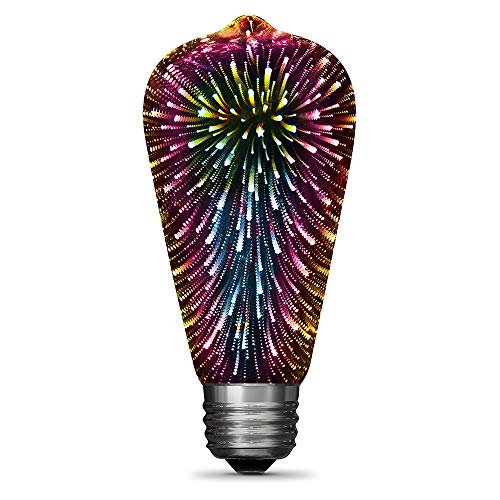 |
Feit Electric Infinity 3D Fireworks LED Light Bulb… |
View on Amazon |
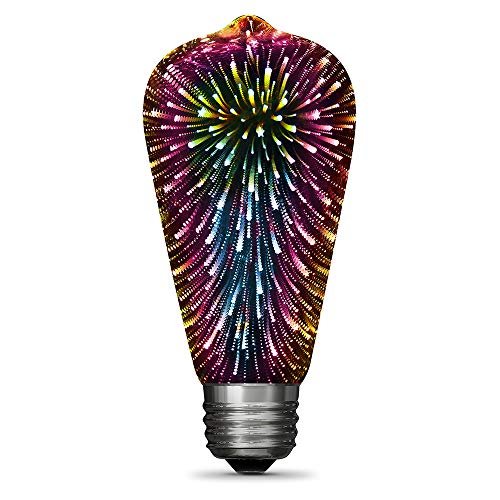
1. Feit Electric Infinity 3D Fireworks LED Light Bulb multicolor
When I first laid eyes on this bulb, I was intrigued by its promise of adding a “festival feel.” As an engineer, I’m always a bit skeptical of purely decorative claims, but the idea of a 3D firework effect from a standard socket sounded fascinating. The packaging highlighted its energy efficiency and longevity, which are standard but important considerations.
MY TESTING EXPERIENCE: I installed this bulb in a corner lamp in my living room, primarily for evening ambiance. What struck me immediately was how it transformed from a clear, almost plain bulb when off, to a dynamic display of colored light once illuminated. The projected pattern wasn’t just flat; it genuinely gave the impression of depth and movement, reminiscent of distant fireworks. It added a whimsical touch to my usual reading nook.
Key Specs: 2W | 10,000 Hour Lifespan | Non-Dimmable | Damp Location Rated
WHO IT’S FOR: This is for anyone looking to inject a bit of fun and unique personality into their home decor. It’s not about task lighting, but creating an atmosphere. Think parties, holiday gatherings, or just adding a conversation starter to a bedroom or den. If you appreciate decorative lighting that goes beyond the ordinary, this is a delightful choice.
What I Actually Look for When Buying Allintitle Best Light Bulbs
Beyond the pretty pictures and catchy marketing phrases, I dig into the nuts and bolts of what makes a light bulb truly perform. The real criteria I use often go unmentioned in product listings, or are buried in the fine print. For example, while a listing might tout “high brightness,” I’m more interested in the Lumens per Watt (LPW) to understand its energy efficiency. The color rendering index (CRI) is another spec that’s crucial for me – a higher CRI means colors will look more natural and vibrant under its light, which is especially important if I’m using it for tasks like reading or applying makeup. Things like the bulb’s thermal management are also critical; a bulb that overheats won’t last as long, and can even be a safety hazard. These are the specs that actually change how it performs on the court, versus the ones that just fill out the listing and make it sound good. I’ve learned to read between the lines of product descriptions and marketing copy, looking for quantifiable data that backs up their claims.
Types Explained
When I’m out there looking for the allintitle best light bulbs, the main types I encounter are LED, incandescent (though increasingly rare for general use), and halogen. For most people starting out, especially if they’re replacing old bulbs, I’d steer them towards LEDs. They offer incredible energy efficiency and a very long lifespan, which saves money in the long run. For the beginner, a simple, standard A19 LED bulb in a warm white (around 2700K) is a fantastic and affordable starting point. If you’re looking for something more specialized, like decorative bulbs or those designed for specific color effects, you’ll often find those are also LED-based. Halogen bulbs are a bit more energy-intensive but provide excellent color rendering, so they might be considered by someone who prioritizes the most natural-looking light and doesn’t mind the slightly higher energy bill.
Common Questions About Allintitle Best Light Bulbs
What Are the Allintitle Best Light Bulbs for Creating Ambiance?
For creating ambiance, decorative LED bulbs like the Feit Electric Infinity 3D Fireworks are fantastic. Their unique light patterns and colors can instantly change the mood of a room, making them ideal for parties or creating a cozy atmosphere.
How Do I Know Which Light Bulb Wattage I Need?
Wattage is a measure of energy consumption, not brightness. Instead, look for Lumens (lm) to determine brightness. A good rule of thumb is that 800 lumens is equivalent to a traditional 60-watt incandescent bulb. For ambient lighting, you might aim for lower lumen counts (around 400-600), while task lighting would require higher lumens.
Are “Smart” Light Bulbs Worth the Investment?
Smart light bulbs offer a lot of convenience and customization, allowing you to control brightness, color temperature, and even color through an app or voice commands. If you value automation and the ability to fine-tune your lighting remotely, they can be a worthwhile investment.
What is Color Temperature and Why Does It Matter?
Color temperature is measured in Kelvin (K) and describes the warmth or coolness of light. Lower Kelvin numbers (like 2700K-3000K) produce a warm, yellowish light, ideal for living spaces and bedrooms. Higher Kelvin numbers (4000K-5000K) produce a cooler, bluish-white light, better suited for kitchens, bathrooms, or workspaces where alertness is desired.
How Long Do LED Light Bulbs Actually Last?
LEDs are known for their longevity. While incandescent bulbs might last around 1,000 hours, quality LEDs can last anywhere from 15,000 to 25,000 hours or even more. This translates to years of use, significantly reducing the need for frequent replacements and saving you money.
