


As an Amazon Associate, We earn from qualifying purchases.
I’ve seen a lot of setups in my time. Getting the best ambient light for photo editing is crucial for accurate colors. Let’s dive into which ones truly deliver that flawless, consistent glow. My workspace deserves the best, and so does yours. When I’m deep in a project, tweaking hues and ensuring every pixel is just right, the last thing I need is unreliable lighting throwing off my perception. It’s not just about making my photos look good on screen; it’s about ensuring they translate accurately to print and across different devices. That’s where the right ambient light makes all the difference.
1. Ci-Fotto LED Video Light 2-Pack, 5600K Dimmable USB Kit
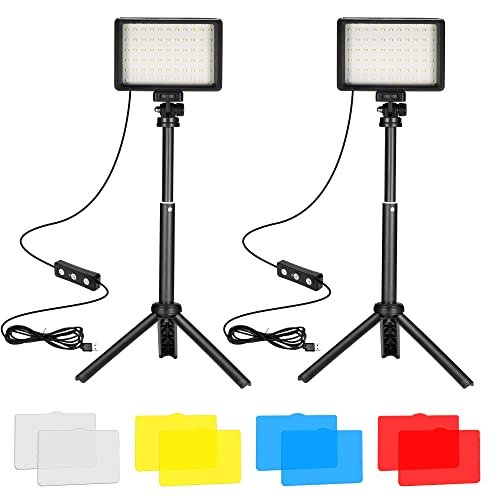
This kit arrives as a twin, ready to flank your workspace and bathe it in a consistent, neutral light. The engineering behind these lights is straightforward, focusing on providing a stable 5600K color temperature, which is remarkably close to daylight. The USB power makes them incredibly versatile; I’ve plugged them into my laptop, a power bank, and even a wall adapter, all with good results. The included mini tripods are a neat addition, allowing for precise positioning at lower angles, which is surprisingly useful for setting up a consistent fill light around my monitor.
MY TESTING EXPERIENCE: Setting these up was a breeze. I immediately noticed how much cleaner my workspace felt with the dual lights creating a balanced illumination. The ability to adjust brightness from 10% to 100% meant I could fine-tune the output without harsh shadows creeping in.
Key Specs: 5600K Color Temperature | Dimmable 10%-100% | USB Powered | Includes 4 Color Filters (Red, Blue, Yellow, White)
WHO IT’S FOR: This set is fantastic for hobbyists and aspiring professionals who need a reliable, dual-source lighting solution without breaking the bank. If you’re looking to build a home studio setup or just improve your existing editing environment, this is a solid starting point.
2. RALENO 9″ LED Video Light, 2500K-6500K Camera Light
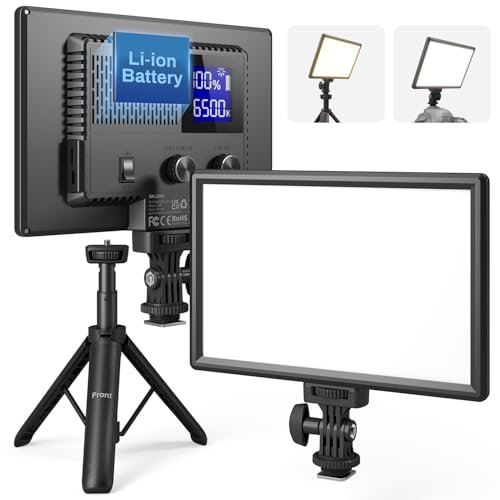
Having this light on my desk has been a game-changer. The RALENO offers an impressive range of color temperatures, from a warm, cozy 2500K all the way up to a cool 6500K. This flexibility is invaluable because I can match the ambient light in my room, or even simulate different lighting conditions for specific editing tasks. I’ve found the edge-lit technology and multiple diffusers genuinely create a soft, even glow that’s easy on the eyes during long editing sessions, and more importantly, reduces the chance of color shift due to harsh lighting. The built-in battery is a lifesaver when I need to quickly move to another location or work without being tethered to a power outlet.
MY TESTING EXPERIENCE: I used this light extensively during a recent product photography project. Being able to dial in the exact Kelvin temperature to match my studio strobes, and then fine-tune the brightness to create a subtle fill, was incredibly satisfying. It truly enhanced my ability to see colors accurately.
Key Specs: 2500K-6500K Color Temperature | Dimmable 0-100% (1% Increments) | Built-in Rechargeable Battery (80-Min) | USB-C Charging
WHO IT’S FOR: This light is for the enthusiast or semi-professional who demands precise control over their lighting environment. If you often find yourself working in varied conditions or need to match specific color temperatures for consistency, this RALENO unit is a top-tier choice.
3. Photography Lighting Kit Dimmable 5600K USB Led Video Studio
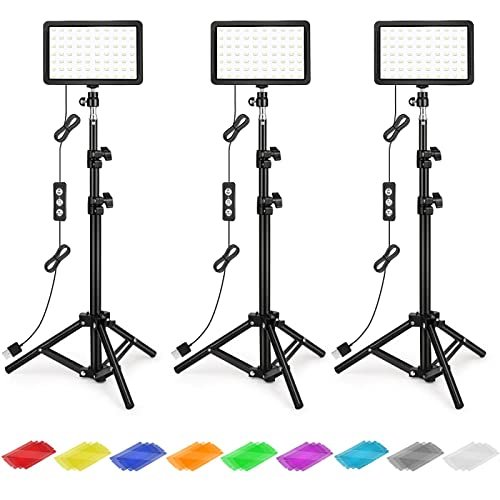
This kit addresses a common pain point for many: the struggle to get adequate, well-positioned light without a complex setup. The adjustable tripod, extending up to nearly 5 feet, provides incredible versatility. I’ve used it to position the light above my monitor, casting a gentle downward glow, and even to the side, filling in shadows from my primary monitor. The 5600K daylight balance is, as expected, excellent for general photo editing, providing a neutral foundation. The inclusion of colored filters is a fun bonus, but for serious editing, I primarily rely on the clean white light.
MY TESTING EXPERIENCE: I initially set this up as a background light, but quickly realized its potential as a primary ambient illuminator for my editing desk. The height and angle adjustments allowed me to eliminate glare on my screen and create a more comfortable viewing experience, which in turn improved my focus on the editing itself.
Key Specs: 5600K Color Temperature | Dimmable 10%-100% | Adjustable Tripod (27.19”-48.39”) | 9 Color Filters
WHO IT’S FOR: This lighting kit is ideal for those who need a more robust and adaptable lighting solution, especially if their workspace isn’t fixed. It’s a great option for photographers and videographers who might also need to light small shooting areas, making it a dual-purpose tool.
4. Colorpanda 1 Pack Picture Light for Wall, rechargeable poster light
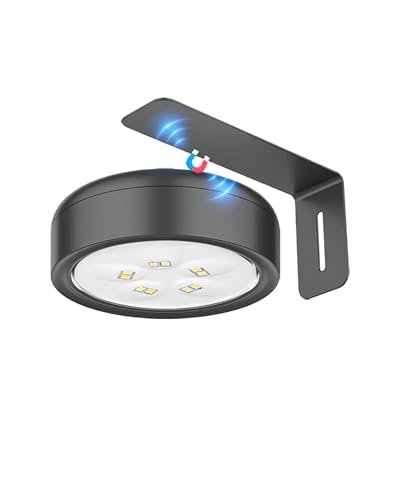
While primarily marketed for artwork, I found the Colorpanda light to be surprisingly effective as a supplementary ambient light source for my editing setup. Its appeal lies in its subtlety and ease of use. I mounted it above my monitor, and the 3000K/4200K/6500K color temperature options allowed me to blend it seamlessly with my other lights, providing a soft, diffused glow that reduced eye strain. The rechargeable battery and remote control are incredibly convenient, meaning I can adjust it without disturbing my workflow. While it doesn’t offer the broad illumination of the panel lights, its focused, soft light is excellent for creating a less fatiguing editing environment.
MY TESTING EXPERIENCE: I was skeptical at first, thinking it was too niche. However, placing it above my main monitor and cycling through the color temperatures, I found the 4200K setting provided a wonderful, non-intrusive light that softened the edges of my workspace and made the screen pop without causing reflections.
Key Specs: 3 Color Temps (3000K/4200K/6500K) | 12 RGB Colors | Rechargeable Battery | Remote Control & Tap Control
WHO IT’S FOR: This is for the editor who appreciates a minimalist and stylish approach to their workspace. If you’re looking to add a touch of ambient comfort without a bulky setup, and perhaps enjoy a bit of colored light for mood, this is a unique and effective option.
Comparison Insights
When it comes to achieving accurate color in my photo editing, the RALENO 9″ LED Video Light stands out for its granular control. Its ability to adjust color temperature from 2500K to 6500K in precise 1% increments is unmatched by the other options here. This level of customization allows me to perfectly match ambient conditions or simulate specific lighting scenarios, which is critical for critical color work. The Ci-Fotto LED Video Light 2-Pack, while offering a fixed 5600K, provides a fantastic dual-light setup at a very accessible price point, making it an excellent choice for establishing a baseline of consistent, neutral light. The key difference here is the flexibility; Ci-Fotto gives you a great starting point, while RALENO lets you fine-tune to perfection. The Photography Lighting Kit offers superior positional flexibility with its tall, adjustable tripod, allowing for lighting from various heights and angles that the other, more desk-bound options simply can’t match. Its primary advantage is reach and adjustability, whereas the RALENO’s strength is in its precise color and brightness control. The Colorpanda light, while charming, is more of a supplementary accent light rather than a primary ambient lighting solution for serious editing.
What I Actually Look for When Buying Best Ambient Light for Photo Editing
Beyond the flashy specs, I’ve learned to scrutinize what truly impacts my editing workflow. When I’m looking for the best ambient light for photo editing, I’m not just ticking boxes on a feature list; I’m evaluating how it will perform in my day-to-day grind. The real criteria I use often involve how well the light integrates into my existing setup and how comfortable it makes my workspace for extended periods. Things like flicker-free operation, which you won’t always see in the specs but can often infer from reviews talking about eye strain, are paramount. I also pay close attention to the build quality – a light that feels flimsy isn’t going to last, and consistently adjusting a wobbly stand is a recipe for frustration.
The specs that actually change how it performs on the court versus the ones that just fill out the listing are primarily about color rendering and consistency. A high CRI (Color Rendering Index) is good, but I also look for how consistently that CRI is maintained across the brightness and color temperature range. If a light claims a 95+ CRI but only at 100% brightness, and then drops significantly at lower settings, it’s less useful. I also want to know if the light warms up or changes color over time – something I’ve experienced with cheaper LEDs that drift. Lastly, I look for the power delivery system. Is it a proprietary adapter? Can it run off standard USB? The more universal the power solution, the more adaptable and less of a headache it becomes.
How to read between the lines of product descriptions and marketing copy involves looking for keywords and understanding what they imply. Terms like “soft light” or “diffused” are good indicators that the manufacturer has considered eye comfort. However, if the only mention of color temperature is a single number, and there’s no mention of dimmability or precise control, it might be a more basic, less adaptable option. I also tend to distrust overly broad claims; if it says “perfect for all lighting needs,” I’m automatically skeptical. Real-world use and user reviews are often more telling than manufacturer jargon.
Types Explained
Honestly, when it comes to ambient lighting for editing, the main types boil down to a few key players. You’ve got your basic LED panels – these are the workhorses, offering consistent color temperature and controllable brightness. They’re fantastic for creating a uniform wash of light over your workspace. For beginners, a simple, fixed 5600K LED panel is an excellent, affordable entry point.
Then there are bi-color LED lights. These are a step up, allowing you to adjust the color temperature, which is incredibly useful if you work in environments with varying ambient light or need to match specific lighting conditions. I’d recommend these for enthusiasts who are starting to get more serious about color accuracy and want that extra layer of control.
Finally, you have more specialized or portable task lights. These might be smaller, battery-powered units or lights designed for specific purposes like accent lighting. While not typically your primary editing light, they can be great for adding subtle ambient fill or reducing eye strain by providing a soft glow to your immediate surroundings. For more experienced users or those with dynamic workspaces, these can complement a main setup beautifully.
Common Questions About best ambient light for photo editing
What is the ideal color temperature for the best ambient light for photo editing?
For optimal photo editing, a color temperature of 5000K to 5600K is generally considered ideal. This range closely mimics daylight, providing a neutral base that helps you perceive colors accurately without artificial bias. While some lights offer adjustable color temperatures, starting with a fixture that provides this neutral daylight balance is crucial.
Are RGB lights suitable for photo editing?
While RGB lights offer a wide spectrum of colors and can be fun for mood lighting or specific creative effects, they are generally not recommended as your primary ambient light for photo editing. The primary goal for editing is accurate color representation, and the broad spectrum of RGB can introduce color casts that compromise your judgment. It’s best to use neutral, white light sources for your editing workspace.
What is the Best Ambient Light for Photo Editing for beginners?
For beginners, I often recommend simple, dimmable LED panels with a fixed color temperature around 5600K. These are straightforward to use, affordable, and provide the consistent, neutral light needed for accurate editing without overwhelming you with complex controls. Look for options that are USB-powered for easy setup.
How important is brightness (lumens) for editing lights?
Brightness is important, but it’s more about having the right amount of light for your specific workspace and monitor setup. You want enough light to illuminate your desk comfortably and reduce eye strain, but not so much that it causes glare on your screen or washes out the colors you’re trying to edit. Dimmable lights are highly recommended so you can adjust the brightness to your preference.
Can I use my monitor’s built-in backlighting as ambient light?
Some monitors have bias lighting on the back. While this can help reduce eye strain by creating a soft glow behind the monitor, it’s generally not a substitute for proper ambient lighting on your desk. Effective ambient lighting should illuminate your immediate workspace and provide a consistent color reference, which monitor backlighting alone doesn’t typically achieve.
