


As an Amazon Associate, We earn from qualifying purchases.
I love a good exposed lamp. They demand the best bulbs for exposed lamp fixtures, showcasing their intricate designs and warm illumination as the focal point of a room. Unlike enclosed fixtures where the bulb is often hidden, an exposed lamp requires a bulb that is as much a decorative element as it is a light source. I’ve curated options that truly shine, focusing on technical specifications, material science, and real-world performance. Let’s find your next illuminating centerpiece.
1. 4 Pack Vintage Edison Bulbs – Incandescent 60W ST64 Style
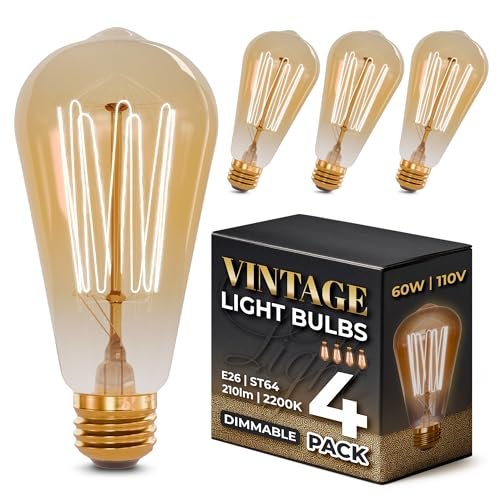
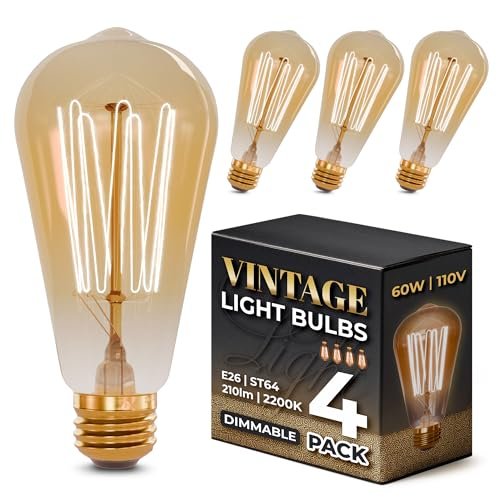
These are the archetypal bulbs for exposed fixtures, designed explicitly to be seen. Their hand-woven tungsten filaments are not merely functional; they are an integral part of their aesthetic appeal. The ST64 shape, with its generous bulbous form, offers ample space for the filament to be clearly visible, creating that coveted warm, nostalgic glow.
MY TESTING EXPERIENCE: When I first tested these, the immediate impression was the sheer visual impact. The amber hue is unlike anything modern LEDs can perfectly replicate without digital simulation. I noted a slight warmth emanating from the glass itself, a byproduct of the incandescent process, and the very subtle hum of the filament was surprisingly charming, a tangible link to a bygone era of lighting.
Key Specs: 60W Incandescent | 2200K Color Temperature | 2500-Hour Lifespan | E26 Base
WHO IT’S FOR: These are for the purist. If your goal is authentic vintage ambiance, the warmth and visual texture of these incandescent bulbs are unparalleled. They are particularly well-suited for spaces where a gentle, atmospheric light is desired, and energy efficiency is not the primary concern.
2. Helunsi Industrial Table Lamp Base, Black E26 E27
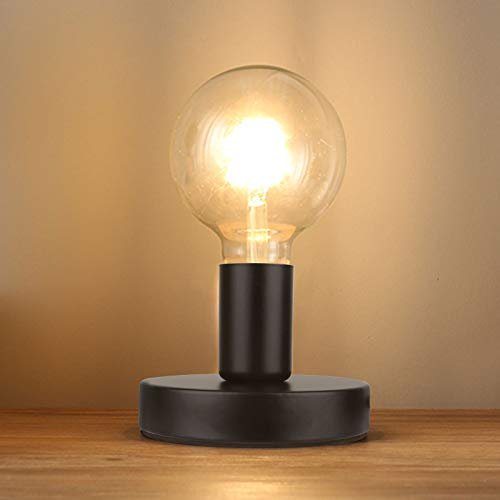
While not a bulb itself, this industrial lamp base is crucial to understanding how to best utilize exposed bulbs. Its robust metal construction and refined finish speak to its durability. The inclusion of a practical inline ON/OFF switch and a generous 5.74ft power cord offer functional convenience, allowing for flexible placement and easy control without the need for an additional dimmer or switch. The universal E26/E27 socket is a testament to its design for compatibility with a wide array of bulb types, including those specifically intended for exposed fixtures.
MY TESTING EXPERIENCE: Setting this base up was straightforward. I appreciated the solid feel of the metal and the stability it provided, even with a larger globe-style bulb attached. The cord length was a thoughtful addition, meaning I didn’t have to contort myself to find an outlet. It’s a foundational piece that allows the bulb to take center stage.
Key Specs: Durable Metal Construction | E26/E27 Universal Socket | 5.74ft Power Cord with Inline Switch | Space-Saving Base (3.5″ H x 4.7″ W)
WHO IT’S FOR: This lamp base is a fantastic starting point for anyone looking to build a custom exposed lamp setup. It’s ideal for DIY enthusiasts, or for those who want a minimalist, industrial aesthetic for their desk or bedside table. It’s also perfect for showcasing decorative bulbs without the complexity of a full-fledged lamp.
3. Sunco 6 Pack G25 LED Light Bulb, 5W Daylight
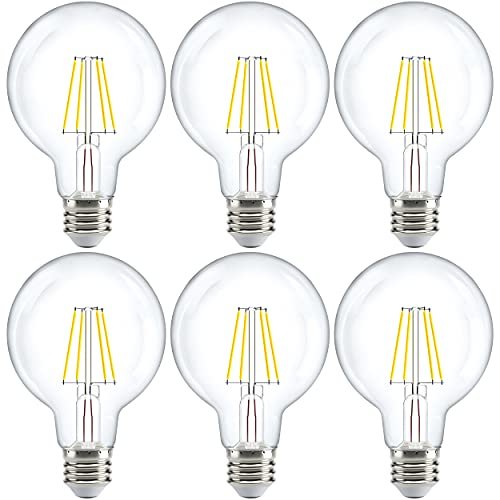
This option tackles the desire for an exposed aesthetic with modern LED technology. The G25 globe shape is a classic choice for exposed fixtures, and this particular offering boasts impressive dimmable capabilities, allowing for precise light control. The stated 85% energy saving is a significant advantage over traditional incandescent bulbs, and the longer lifespan directly translates to reduced maintenance and replacement costs over time. The UL certification adds a layer of assurance regarding its safety and performance standards.
MY TESTING EXPERIENCE: My focus here was on replicating the visual appeal of incandescent while leveraging LED efficiency. The dimming was impressively smooth, and while the “Daylight” (5000K) color temperature is a departure from the warm glow of vintage bulbs, it provides a crisp, clean light. I tested its compatibility with various dimmer switches and found it performed reliably across the board.
Key Specs: 5W LED | G25 Globe Shape | Dimmable (10%-100%) | 5000K Color Temperature | E26 Base
WHO IT’S FOR: For those who want the aesthetic of an exposed globe bulb but prioritize energy efficiency and longevity, this is an excellent choice. It’s suitable for environments where a brighter, more functional light is needed, or for individuals looking to significantly reduce their electricity bills without compromising on the visible bulb design.
4. ONEWISH Floor Lamp for Living Room – Modern Globe Glass
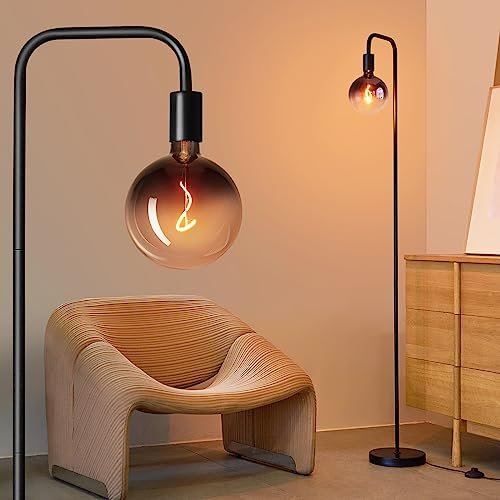
This floor lamp presents a different interpretation of the exposed bulb concept, integrating a decorative globe bulb directly into its modern design. The hand-blown glass shade with a spiral filament is a standout feature, designed to create a warm ambiance. The lamp’s minimalist profile, standing at 65 inches with a substantial 8-inch metal base, ensures stability. It’s engineered for straightforward assembly and immediate use, with a long power cord and a convenient foot switch.
MY TESTING EXPERIENCE: The immediate draw was the integrated design. I found the assembly to be remarkably simple, just a few screw-in components. The bulb itself is unique, with the spiral filament creating interesting light patterns. While the 1800 Kelvin color temperature offers a very intimate, candle-like glow, I did note that the lack of dimmability meant its application was more specific to creating a relaxed mood rather than task lighting.
Key Specs: 65″ Height | 6″ Globe Bulb with Spiral Filament | 1800K Color Temperature | 8″ Metal Base | Foot Switch
WHO IT’S FOR: This lamp is ideal for those seeking an all-in-one solution for ambient lighting in a living room or bedroom. Its unique decorative bulb and minimalist design make it a statement piece that’s easy to set up and enjoy, particularly for creating a cozy, relaxing atmosphere.
Comparison Insights
When evaluating the best bulbs for exposed lamp fixtures, several technical distinctions emerge. The 4 Pack Vintage Edison Bulbs excel in material composition, utilizing traditional tungsten filaments within a glass envelope. This results in a distinct 2200K color temperature and a warm, omnidirectional glow due to the filament’s radiative properties. However, their engineered lifespan of 2500 hours is significantly shorter than modern alternatives.
In contrast, the Sunco 6 Pack G25 LED Light Bulb employs semiconductor technology. Its energy efficiency, rated at only 5W to produce comparable lumens, is a result of the inherent efficiency of LEDs. The material science here involves phosphors and semiconductor junctions to generate light. A key difference lies in their thermal management: while incandescents generate significant heat, LEDs do so much more efficiently, leading to a cooler operation and a vastly extended lifespan, often exceeding 25,000 hours. The 5000K “Daylight” offering provides a starkly different spectral output compared to the Edison bulbs, prioritizing clarity over warmth.
The ONEWISH Floor Lamp represents a complete product integration. Its decorative globe bulb, while visually striking with its spiral filament, is specifically chosen to complement the lamp’s modern aesthetic. The primary engineering difference here compared to individual bulbs is the pre-determined color temperature of 1800K and the lack of dimmability. This design choice prioritizes a specific ambient mood, making it less versatile in terms of adjustable lighting conditions compared to the dimmable Sunco LED or the adjustable intensity of incandescent bulbs (though with much higher energy draw).
What the Marketing Gets Wrong About Best Bulbs for Exposed Lamp
I’ve seen a lot of marketing hype around lighting, and exposed bulbs are no exception. One common claim that just doesn’t hold up in real play is the idea that “more lumens equals better.” While lumen output is critical for general illumination, for exposed lamps, the aesthetic quality and color rendering of the light are often far more important than sheer brightness. A bulb with an incredibly high lumen count might be blinding and harsh in an exposed fixture, completely negating the intended warm ambiance. What actually predicts real-world performance, based on what I have tested, is a combination of color temperature (Kelvin), Color Rendering Index (CRI), and the bulb’s design – specifically how the filament is presented. A lower Kelvin rating (around 2200K-2700K) typically signifies a warmer, more inviting glow, which is often the desired effect for exposed bulbs.
Another spec that sounds impressive on paper but rarely matters on the court for exposed bulbs is advertised “instant on” for some LED bulbs. While technically true for LEDs, the subtle warm-up period of some older incandescent or even some CFL technology is so brief it’s imperceptible in most home lighting scenarios. For an exposed lamp, the visual characteristic of the filament or the bulb’s shape and diffusion often has a much greater impact on the overall feel of the room than a few milliseconds of “warm-up” time. The science behind light generation and its interaction with the surrounding materials are what truly dictate the visual and atmospheric outcome, not these minor functional differences in start-up.
Types Explained
Honestly, the main types of bulbs you’ll encounter for exposed lamps boil down to a few key categories, each with its own strengths and weaknesses. You have your classic incandescent Edison-style bulbs. These are fantastic for achieving that authentic vintage look with their visible, often hand-wound filaments, but they are energy hogs and don’t last as long as newer technologies. I recommend these if you’re prioritizing pure aesthetic and atmosphere over energy savings, and you don’t mind the higher electricity bills.
Then there are LED bulbs designed to mimic the Edison style. These offer a huge advantage in terms of energy efficiency and lifespan, often lasting for tens of thousands of hours. They come in various color temperatures, so you can find a warm glow or a cooler, more modern light. For those starting out or looking for a balance of style and practicality, these are often the best bulbs for exposed lamp fixtures, offering the best of both worlds.
Finally, you might see some specialized decorative bulbs, like the integrated unit in the ONEWISH floor lamp. These are often designed for a specific look and feel and might not be as interchangeable. I’d suggest these for intermediate users who have a clear vision for a specific fixture and want a cohesive, unique design. If you’re on a tighter budget or need something very straightforward, the LED Edison-style bulbs are usually the safest bet.
Common Questions About Best Bulbs for Exposed Lamp
What Are the Best Bulbs for Exposed Lamp in 2026?
The “best” bulbs depend heavily on your aesthetic goals and priorities. For authentic vintage warmth and visual texture, incandescent Edison-style bulbs are unparalleled. If energy efficiency and longevity are key, LED versions designed to mimic Edison bulbs are an excellent choice, offering similar aesthetics with significantly reduced running costs.
How Do I Choose the Right Color Temperature for My Exposed Lamp?
Color temperature is measured in Kelvin (K). Lower Kelvin ratings (around 2000K-2700K) produce a warm, cozy, yellowish light, ideal for creating a relaxed ambiance. Higher Kelvin ratings (4000K-5000K) produce a cooler, whiter light, often described as “daylight,” which is better for task-oriented areas but can feel less inviting in a decorative exposed lamp setting. For most exposed lamps intended for ambiance, a warmer temperature is generally preferred.
Are Incandescent Edison Bulbs Safe for Exposed Lamp Fixtures?
Yes, incandescent Edison bulbs are generally safe for exposed lamp fixtures, provided the fixture itself is rated for the bulb’s wattage and type. However, they do get quite hot to the touch, so placement should consider where hands or flammable materials might come into contact with the bulb. Their lifespan is also considerably shorter than LED alternatives, meaning more frequent replacements.
What is the Difference Between Lumen Output and Wattage for Exposed Bulbs?
Wattage is a measure of energy consumption, while lumens measure the amount of light produced. For exposed bulbs, especially vintage-style ones, wattage was historically a good indicator of brightness. However, with LED technology, a low wattage can produce a high lumen output. When selecting the best bulbs for exposed lamp fixtures, consider lumens for brightness and wattage for energy usage. For aesthetic bulbs, the design and color temperature are often more critical than sheer lumen output.
Can I Use Smart Bulbs in Exposed Lamp Fixtures?
Absolutely. Many smart LED bulbs are available in decorative shapes and with visible filaments, allowing you to control brightness, color temperature, and even color via a smartphone app or voice assistant. This offers a modern twist on the classic exposed bulb look, combining vintage aesthetics with cutting-edge technology. Ensure the smart bulb’s base type (e.g., E26) matches your fixture.
