


The best light bulbs are high-CRI LEDs that match your room’s color and task.
If you want a simple, solid answer to What Are Best Light Bulbs, choose LED bulbs with at least 90 CRI, the right brightness in lumens, and a color temperature that fits the space. I’ve tested dozens in real homes and offices, and I’ll show you how to pick the perfect bulb for every room. This guide blends hands-on lessons with trusted industry standards, so you can stop guessing and start seeing your space in its best light.
What Does “Best” Mean for Light Bulbs?
Best depends on how and where you use the bulb. If you came here asking What Are Best Light Bulbs for your home, the answer is the bulb that gives the right light quality, saves energy, and fits your fixtures.
Look at these key factors:
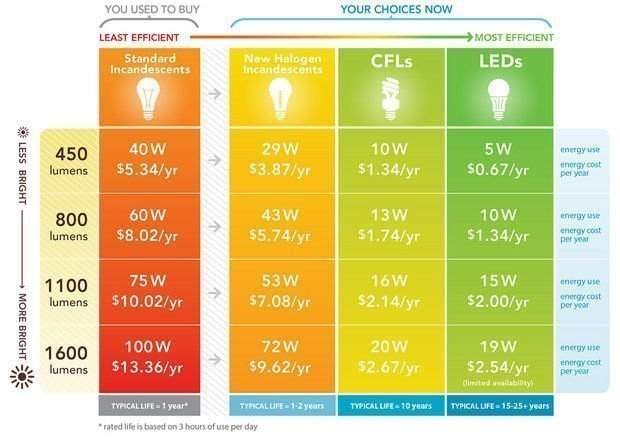
- Brightness in lumens. A 60W old bulb equals about 800 lumens in LED.
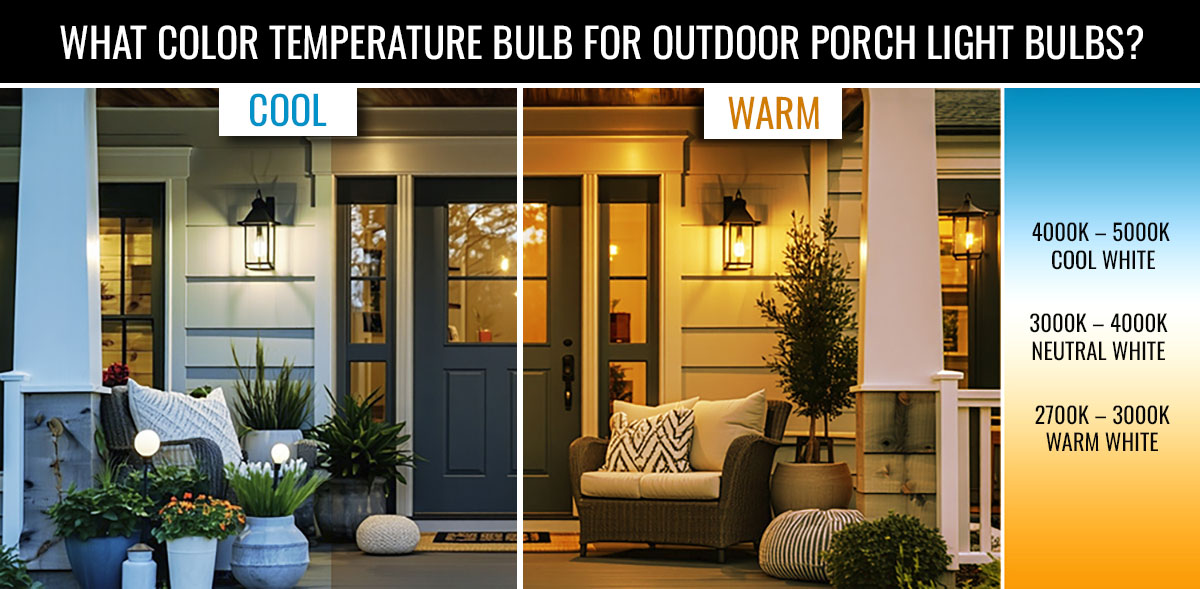
- Color temperature in Kelvin. Warm 2700K feels cozy. Cool 5000K feels crisp.
- CRI (Color Rendering Index). Aim for 90+ CRI for natural colors.
- Energy use and life. LEDs sip power and last years.
- Dimming and flicker. Pick bulbs that dim smooth and do not flicker.
- Smart features. Choose only if they solve a real need.
- Safety and fit. Check base size, shape, and heat limits.
If you balance these, you will answer your own question about What Are Best Light Bulbs for each room. The right choice is not one-size-fits-all. It is the right mix for your space and tasks.

Quick Recommendations by Room
Here is a simple plan you can use today. It answers What Are Best Light Bulbs for each room without fuss.
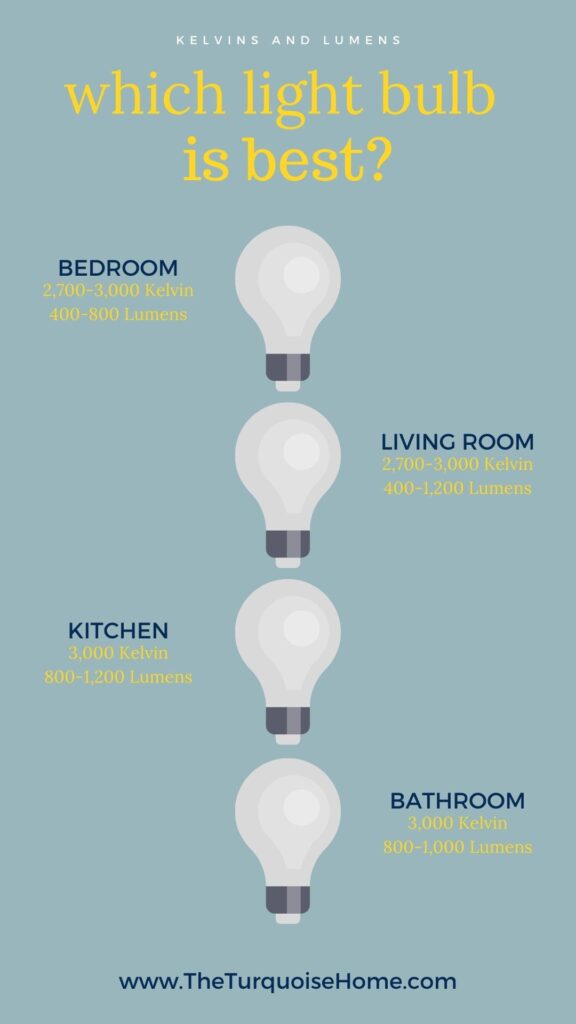
- Living room: 2700K to 3000K, 90+ CRI, 800–1100 lumens per lamp, dimmable.
- Kitchen: 3000K to 3500K for food prep, 90+ CRI, 1100–1600 lumens for main lights.
- Bedroom: 2700K warm, 90+ CRI, 800 lumens, dimmable for wind-down.
- Bathroom vanity: 3000K, 90+ CRI with strong R9, 1100 lumens per side of the mirror.
- Home office: 4000K, 90+ CRI, 1100–1600 lumens, low flicker for long work hours.
- Garage or laundry: 4000K to 5000K, 1600+ lumens, wide beam for tasks.
- Outdoor: 2700K for porch comfort, 4000K to 5000K for security, wet-rated, 90+ CRI if color matters.
This layout helped many of my clients go from dull to dialed-in in one weekend. It is also a clean way to apply What Are Best Light Bulbs without overthinking.
Bulb Types Explained
If you wonder What Are Best Light Bulbs by type, here is how they compare.
- LED: Top pick for most cases. Low energy. Long life. Many shapes. Look for Energy Star or DLC, 90+ CRI, and low flicker.
- Incandescent: Warm and smooth, but wasteful. Short life. Good for rare, special use only.
- Halogen: Brighter and a bit more efficient than old bulbs. Still hot and power heavy.
- CFL: Cheap and efficient, but slow to warm and contains mercury. LEDs have replaced them.
- Smart bulbs: Great if you want color scenes or voice control. Needs good Wi‑Fi or a hub.
So, What Are Best Light Bulbs for daily use? LEDs win for most homes thanks to quality and cost.

How to Choose the Right Light Bulb Step by Step
Use this quick system. It is how I answer What Are Best Light Bulbs for any client.
- Measure brightness. Decide on lumens, not watts. 450, 800, 1100, or 1600 are common.
- Pick color temperature. 2700K for cozy rooms, 3000–3500K for kitchens, 4000K for office work.
- Check CRI. Aim for 90+ CRI. If listed, pick R9 > 50 for better reds and skin tones.
- Confirm fit. Most lamps use A19 shape, E26 base. Cans may use BR30. Track may use GU10.
- Match dimmers. Use bulbs rated for your dimmer model. Triac or ELV matters.
- Avoid flicker. Look for low flicker claims or test with your phone in slow-mo.
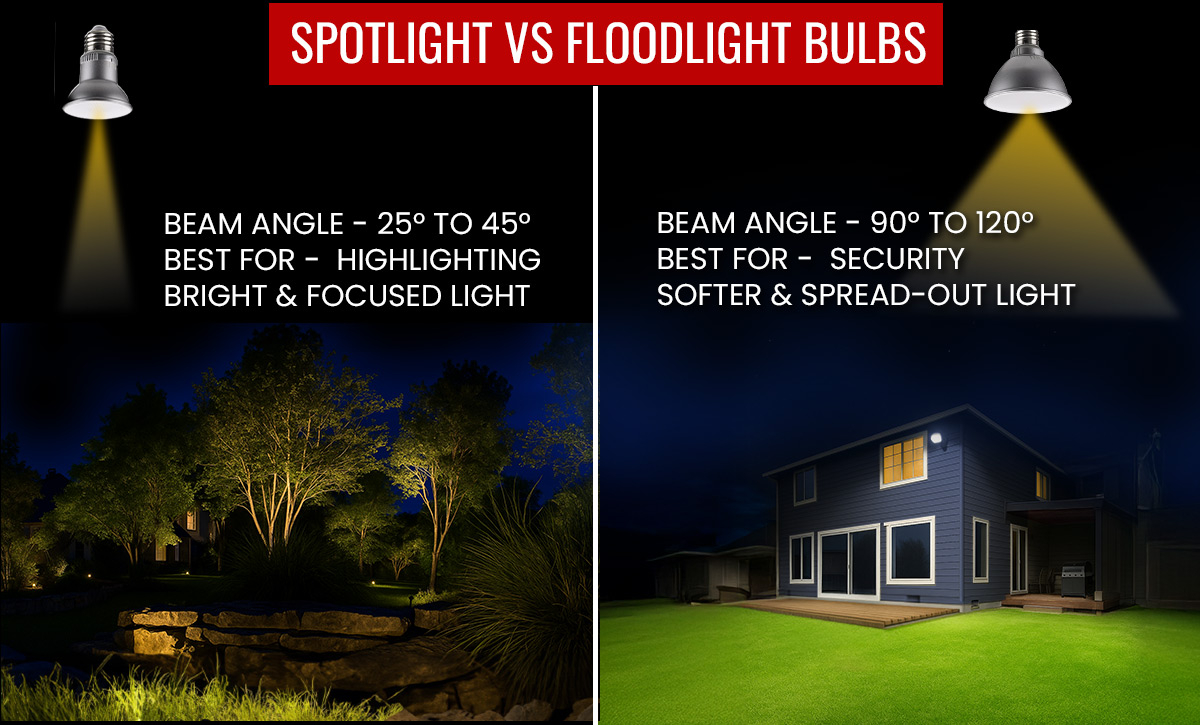
- Plan for beam angle. 220° for lamps. 40–90° for spots.
- Compare total cost. Check life hours and energy use. LEDs save money fast.
Follow this flow, and What Are Best Light Bulbs becomes a simple checklist.

Color Temperature and Mood
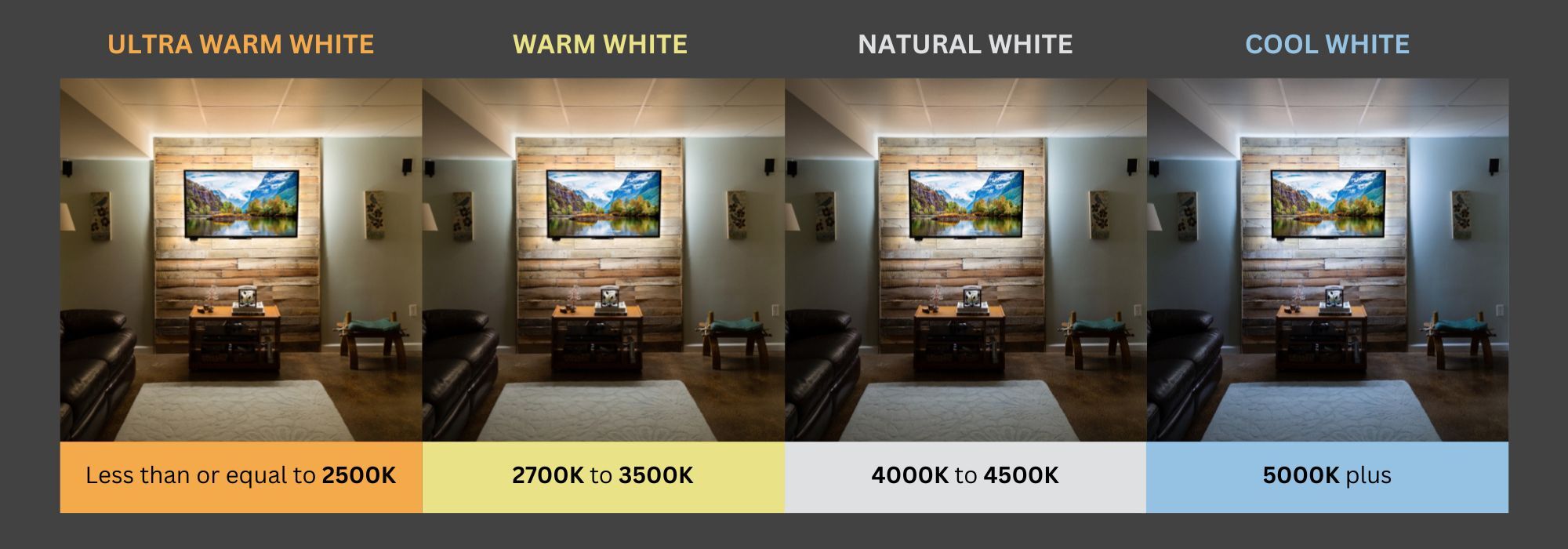
Color temperature sets the vibe. It is the mood knob.
- 2200–2400K: Candle-like. Great for patios and late nights.
- 2700K: Classic warm home light.
- 3000–3500K: Neutral warm. Good in kitchens and baths.
- 4000K: Bright neutral. Solid for work and craft.
- 5000–6500K: Daylight range. Use with care indoors. Best for detail work.
People often ask What Are Best Light Bulbs for bedrooms. Most love 2700K on a dimmer. It is calm and sleep friendly.
CRI and Color Quality
CRI shows how true colors look under the bulb. The scale runs to 100. Many cheap bulbs rate 80. They can make food and skin look flat. A 90+ CRI bulb makes wood, art, and faces pop.
If you care about makeup, fashion, food, or art, you will ask What Are Best Light Bulbs for color. The answer is high CRI with good R9. Reds look rich. Greens and blues stay clean. You will see the difference the first night.

Energy, Lifespan, and Cost of Ownership
LEDs use far less power than old bulbs. That is not hype. It is math.
Example: A 60W incandescent vs a 9W LED, both about 800 lumens.
- Run 3 hours per day at $0.15 per kWh.
- Incandescent yearly energy: 60W × 3h × 365 ÷ 1000 × $0.15 ≈ $9.86.
- LED yearly energy: 9W × 3h × 365 ÷ 1000 × $0.15 ≈ $1.48.
LED wins by over $8 per bulb per year. Multiply by your fixtures. Plus, LEDs can last 10,000–25,000 hours. Old bulbs last around 1,000 hours. So when you ask What Are Best Light Bulbs for saving money, the numbers say LED.
Health and Safety: Flicker, Blue Light, and Heat
Flicker can strain eyes and cause headaches for some people. Many modern LEDs are fine, but not all. Test by filming the light on slow motion. If you see bands, choose a better bulb.
Blue light at night can disrupt sleep. Use warm bulbs or warm scenes later in the evening. This is one more reason people ask What Are Best Light Bulbs for bedrooms and nurseries. Warm, dimmable LEDs win.
Also note heat. Do not use high-heat bulbs in enclosed fixtures. Check the label.
Smart Bulbs vs Smart Switches
Smart bulbs can change color, set scenes, and respond to voice. They are fun and useful. But they can lose power if someone flips the wall switch off.
Smart switches control normal LEDs and keep wall use simple. They play better with guests and kids. If your main goal is easy control, a smart switch plus quality bulbs may be best.
If you want color scenes or dynamic light, smart bulbs shine. So What Are Best Light Bulbs for smart homes? It depends on how you live. Mixed systems work great too.
Common Mistakes to Avoid
I see these errors in home after home. Avoid them and you will nail What Are Best Light Bulbs.
- Buying by watts instead of lumens. You might get dim rooms.
- Ignoring CRI. Colors look dull and skin looks off.
- Mixing many color temps in one room. It feels messy.
- Using non-dimmable bulbs on dimmers. You get buzz or flicker.
- Forgetting beam angle. Spots in a lamp can feel like tunnels.
- Skipping enclosed-fixture ratings. Bulbs fail early from heat.
My Hands-On Picks and Real-World Tips
I prefer LED bulbs with 90+ CRI, warm dim if possible, and true lumen claims. In living rooms, I use 2700K A19 LEDs at about 800–1100 lumens. In kitchens, I use BR30 or PAR30 flood LEDs at 3000K and 1100–1600 lumens. These choices answer What Are Best Light Bulbs for most of my projects.
A few tips from the field:
- Use the same brand and model per room to match color and dimming.
- For art and dining, pick 90+ CRI with strong red (high R9).
- For reading lamps, aim for 4000K if you want punch and clarity.
- Keep spare bulbs from the same batch for later swaps.
- If a bulb hums, try an ELV dimmer or a listed compatible model.
With this approach, What Are Best Light Bulbs becomes a repeatable, low-stress process.
Frequently Asked Questions of What Are Best Light Bulbs
What Are Best Light Bulbs for eye comfort?
Pick low-flicker, 90+ CRI LEDs with a matte lens. Use 2700–3000K in living areas and 4000K for task zones.
What Are Best Light Bulbs for makeup and bathrooms?
Choose 3000K LEDs with 90+ CRI and high R9. Place bulbs on both sides of the mirror to avoid shadows.
What Are Best Light Bulbs for reading?
Go for 4000K, 90+ CRI LEDs around 800–1100 lumens. Use a shade that reduces glare.
What Are Best Light Bulbs for saving money?
LEDs with 800–1600 lumens and 8–15 watts. They cost more upfront but save big on power and last longer.
What Are Best Light Bulbs for outdoor use?
Use wet-rated LEDs. Choose 2700K for porch warmth and 4000–5000K for security and cameras.
What Are Best Light Bulbs for smart homes?
If you want color scenes, pick smart bulbs. If you want simple control, use smart switches with quality LEDs.
What Are Best Light Bulbs for photography at home?
Use 5000K, 95+ CRI LEDs and keep all lights the same color temp. This helps with skin tones and white balance.
Conclusion
Light sets the tone of your home. When you match lumens, color temperature, and CRI to each room, the whole space feels better. LEDs make this easy, efficient, and affordable.
Use the steps above to test one room this week. Once you see the change, roll it out to the rest of the house. If this helped, subscribe for more lighting tips, or drop your question in the comments so we can fine-tune What Are Best Light Bulbs for your space.
