


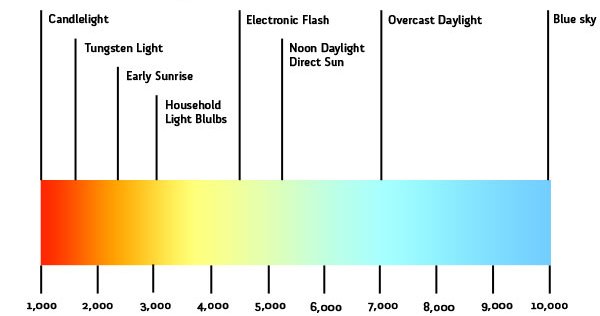
Daylight usually falls between 5000K and 6500K on the Kelvin scale.
If you have ever shopped for bulbs or adjusted a camera, you have asked, What Color Temperature Is Daylight. I work with light every day, from studios to homes, and I’ll break it down in plain English. You will learn how daylight shifts, how to pick the right bulbs, and how to set white balance fast. Stick around if you want a clear, friendly guide to What Color Temperature Is Daylight and how to use it well.
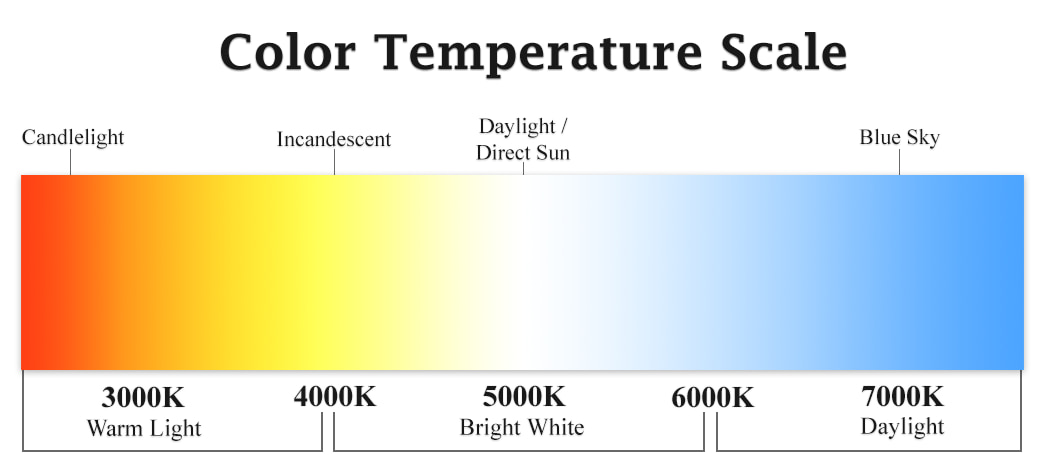
Color Temperature 101: The Kelvin Scale Explained
Color temperature is a simple way to describe the tint of light. The Kelvin scale measures that tint as a number. Lower numbers look warm and orange. Higher numbers look cool and blue.
Daylight lives in the middle to high range on this scale. That is why it feels crisp and neutral to our eyes. When people ask, What Color Temperature Is Daylight, they want a number they can trust. We will use 5000K to 6500K as the main range.
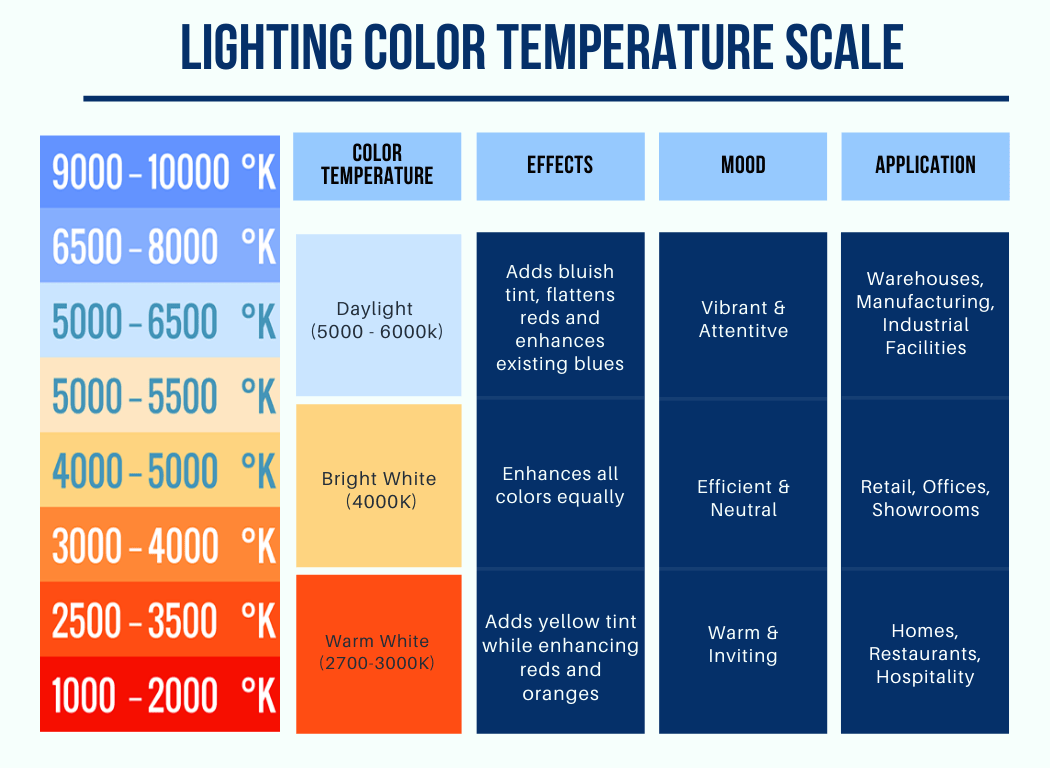
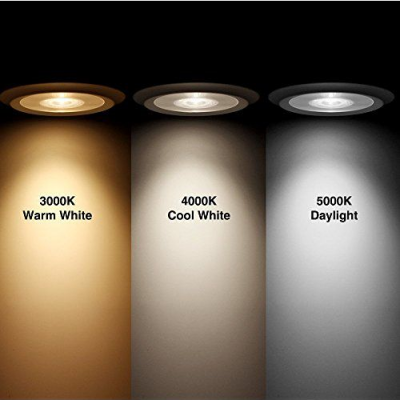
Here is the basic scale you will see on boxes and cameras:
- 2700K to 3000K: Warm light like a cozy lamp.
- 3500K to 4100K: Neutral white for offices and halls.
- 5000K to 6500K: Daylight range for clear and bright spaces.
There is one more term to know. CRI tells you how true colors look under a light. A CRI of 90 or higher is great when color matters.

Is Daylight One Number? Not Quite
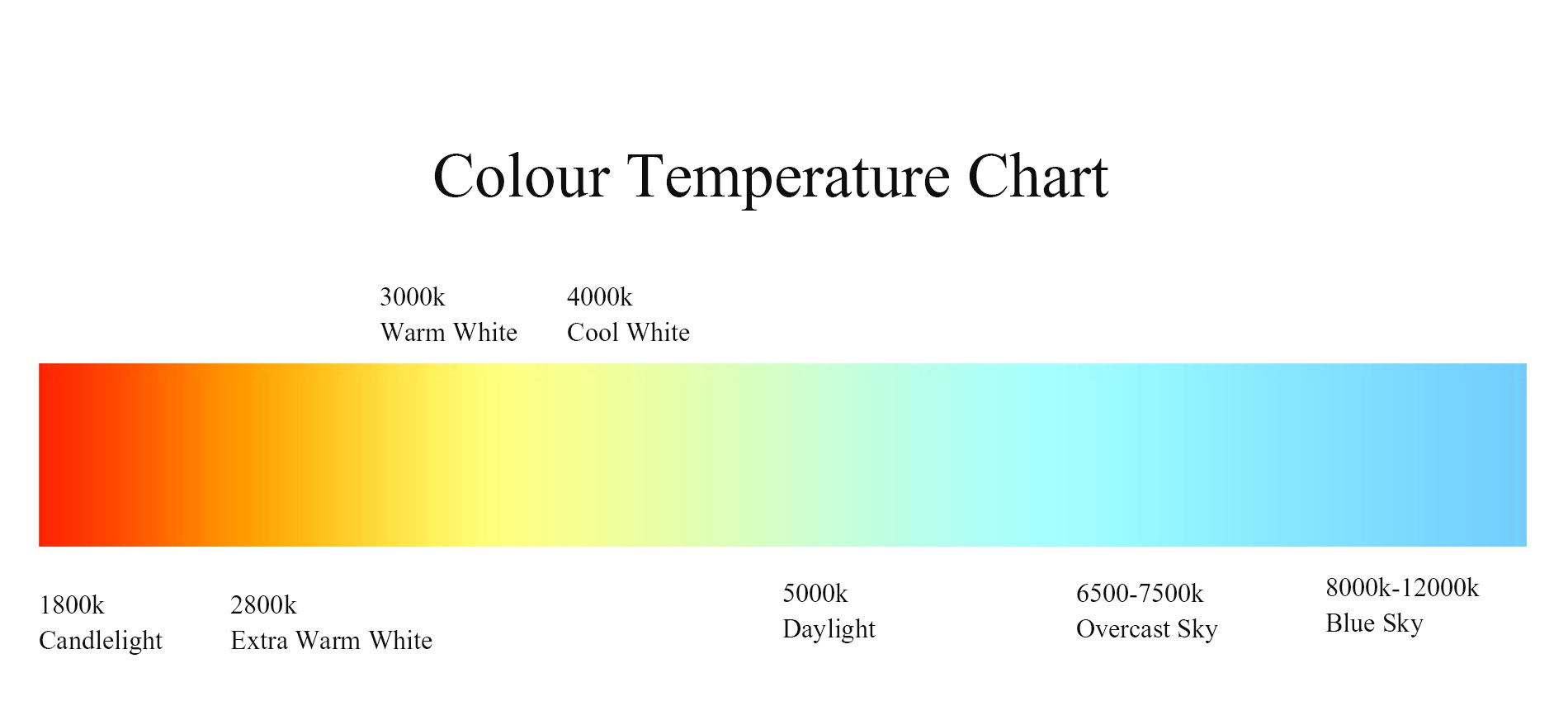
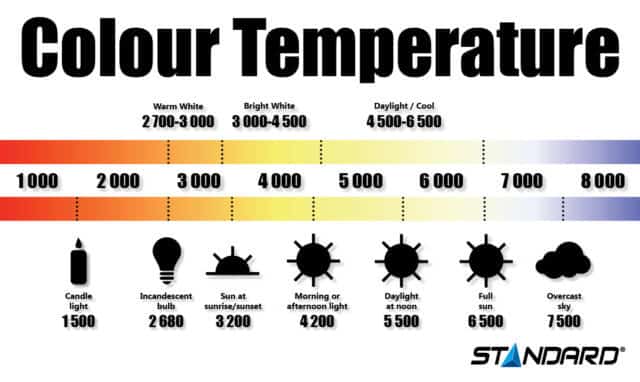
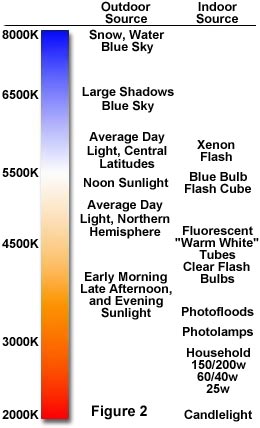
Daylight is not a fixed number. It changes with the sun, clouds, and the scene around you. Midday sun over an open field often reads near 5500K to 6000K. Overcast skies and shade push higher, often 6500K to 8000K or more.
Standards exist to help. Many displays use D65, which is 6500K, as a reference. Many photo lights and flashes aim near 5600K. So when you hear What Color Temperature Is Daylight, know that people pick a standard point for work, but nature still shifts.
How Daylight Shifts Through the Day and Place
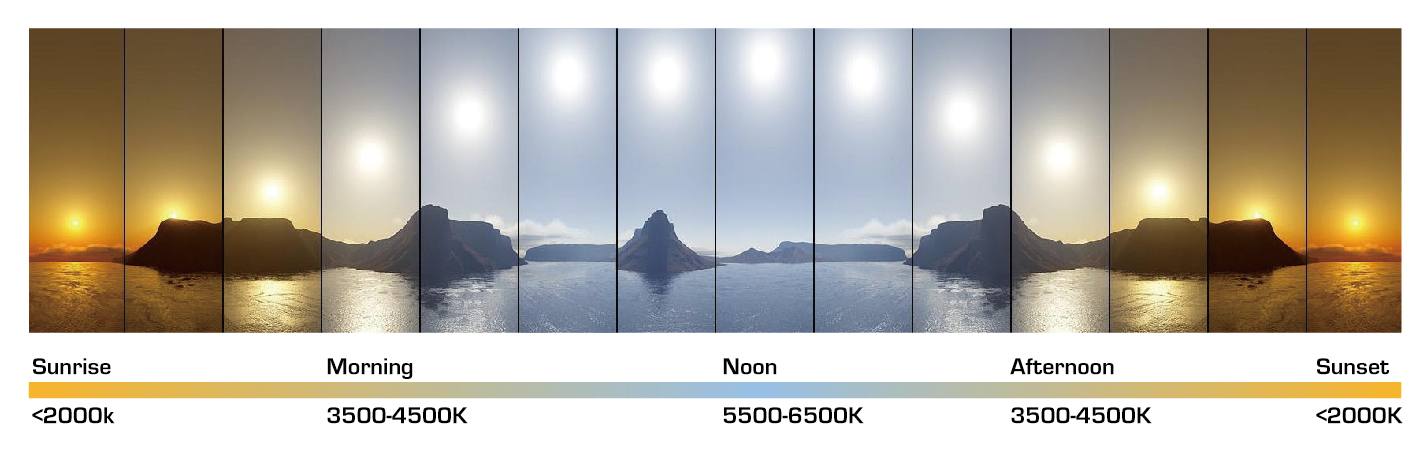
Morning and evening are warmer. Sunlight at sunrise and sunset can be 2000K to 3000K. It looks golden and soft. Midday is cooler, landing near 5500K to 6500K. Shade and snow scenes look bluer and can go 7000K to 9000K.
Place and air matter too. High altitudes and clear air lean cooler. Dust, smoke, or city haze can warm the light. This is why What Color Temperature Is Daylight can feel different on a beach than on a city street.
Choosing Bulbs and LEDs for a Daylight Look
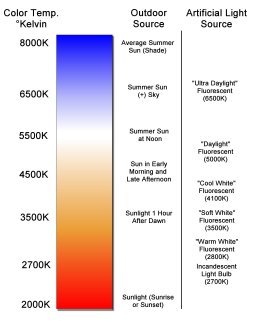
If you want that daylight feel at home or work, look for lamps labeled 5000K or 6500K. Both sit in the daylight range. For tasks with color, aim for 90+ CRI. That helps skin, art, and food look right.
I swapped my studio lamps to 5000K with 95 CRI. My color grading got easier at once. Prints matched screens better. Here is what I check when I buy:
- CCT on the box: 5000K for neutral workrooms, 6500K for a crisp daylight vibe.
- CRI or TM-30: I look for CRI 90+ or TM-30 Rf in the 90s.
- Flicker: No visible flicker for video and comfort.
- Output: Enough lumens to light the task, not just the desk.
One last point. Two lamps both marked 5000K can still look a bit different. That is due to the exact spectrum and tint. When in doubt, buy from the same batch and brand.
Photography and Video: White Balance That Just Works
Cameras let you set white balance in Kelvin. The daylight preset often sits near 5500K to 5600K. That is a solid start in sun. On overcast days, a higher Kelvin, like 6500K to 7000K, looks more natural.
Use a gray card for the best result. Take a quick shot of the card and set custom white balance. In mixed light, match your main light to your subject. For screens, many workflows use D65 (6500K). For print proofing, many studios use 5000K. If you ever wonder What Color Temperature Is Daylight for video lights, 5600K is the common target.
Daylight, Health, and Focus
Light affects how awake you feel. Cooler, brighter light in the morning can help alertness. Warmer light at night helps your body wind down. The blue part of light is key for your body clock.
Daylight at 5000K to 6500K gives you a bright, cool tone for focus. At night, dim and warm the room to 2700K to 3000K. Research links bright, blue-rich light to daytime alertness and warm, low light to better sleep habits. This is not medical advice, just best practice from lighting science.
Houseplants and “Daylight” Bulbs
Plants care more about total light and spectrum than the CCT label. But many people grow herbs and starts under 5000K to 6500K “daylight” LEDs. It can work well for simple setups.
I grew basil and mint under 5000K lamps at about 12 inches away. I ran them 14 hours per day, and growth was steady. If you want fruiting plants, get a grow light with a higher output and a broad spectrum. What Color Temperature Is Daylight helps you choose a starting point, but power and distance do the heavy lifting.
How to Measure and Match Daylight
A handheld color meter tells you the exact Kelvin and tint. If you do not have one, a camera and gray card work well. Set a custom white balance in the scene. For fast changes, use the daylight preset and adjust by eye.
Gels can shift light in a pinch. Full CTO warms 5600K to about 3200K. Half CTO lands near 3800K to 4000K. Quarter CTO lands near 4500K to 4900K. Need to go the other way? CTB cools tungsten up toward daylight. In mixed light, decide which source is the hero and match the others to it. When you ask What Color Temperature Is Daylight for a shoot, pick 5600K as your anchor and tune from there.
Common Myths and Mistakes
Let’s clear up a few traps I see in homes, studios, and shops.
- Myth: Daylight is 6500K, always. Truth: It moves from about 5000K to beyond 8000K.
- Myth: Brighter means cooler. Truth: Brightness is lumens. Color is Kelvin.
- Myth: CRI does not matter. Truth: Low CRI can spoil skin and product colors.
- Mistake: Mixing 5000K and 2700K in one small room. Result: Strange tints on faces and walls.
- Mistake: Trusting labels alone. Result: Two “5000K” bulbs that do not match.
If you keep one rule, keep this. Pick one CCT per space when color matters, and stick to high CRI. Your eyes, and your photos, will thank you. And yes, ask yourself often, What Color Temperature Is Daylight for this job right now.
Frequently Asked Questions of What Color Temperature Is Daylight
What Color Temperature Is Daylight in direct sun?
Direct midday sun is usually around 5500K to 6000K. It can shift with air quality and altitude.
What Color Temperature Is Daylight in shade or on cloudy days?
Shade and overcast scenes lean cooler, often 6500K to 8000K. The sky light dominates and adds a blue cast.
Is 6500K the same as daylight?
6500K is a common daylight reference, often called D65. Actual daylight can be warmer or cooler, but 6500K is a handy target.
Which is better for home offices, 5000K or 6500K?
Both work. I like 5000K for long hours because it feels neutral, while 6500K feels extra crisp for detail work.
Does higher Kelvin mean brighter light?
No. Kelvin is color, not brightness. Lumens measure brightness, and CRI tells you color quality.
What White Balance should I use for outdoor photos?
Start at 5600K or use the daylight preset. If clouds roll in, push it up to around 6500K to 7000K.
Can I mix daylight LEDs with tungsten lamps?
You can, but match them with gels or use bicolor LEDs to avoid odd skin tones. If you cannot match, pick one light as your main and balance in post.
Conclusion
Daylight is a moving target, but you can pin it down when you need to. Think of 5000K to 6500K as your home base, then nudge warmer or cooler to match the scene. Use high CRI lights, set white balance with a gray card, and keep one CCT per space when color counts.
Now it’s your turn. Check your bulbs, set your camera, and test your space. If this guide on What Color Temperature Is Daylight helped, subscribe for more lighting tips or drop a question in the comments.
