


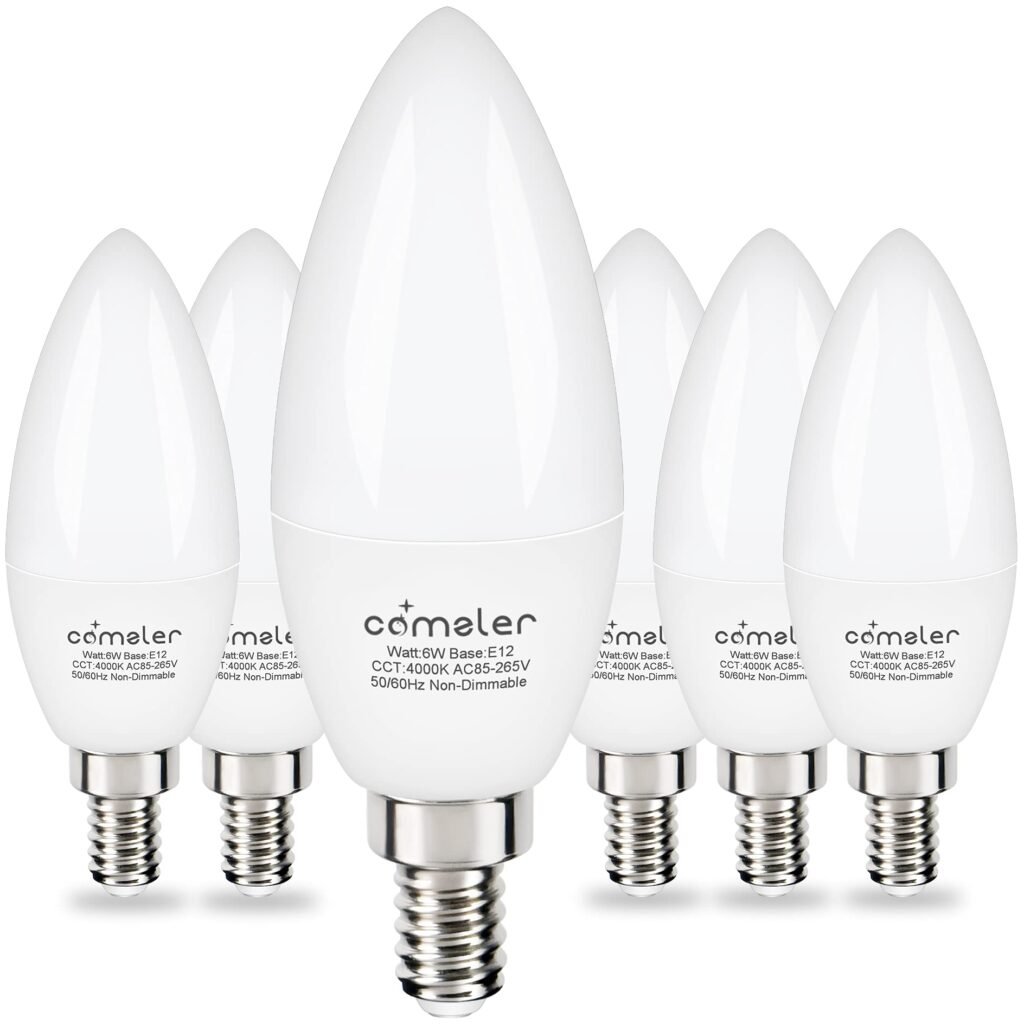
A Type B light bulb is a small, torpedo-shaped bulb used in chandeliers and sconces.
If you’ve ever stared at a fixture and wondered which bulb shape fits, you’re in the right place. I’ve worked with hundreds of fixtures, from classic crystal chandeliers to modern sconces, and I’ll break down What Is a Type B Light Bulb in simple, friendly terms. You’ll learn where it’s used, how to pick the right base, what brightness to choose, and how to avoid flicker and dimmer issues.
What Is a Type B Light Bulb? A Clear Definition
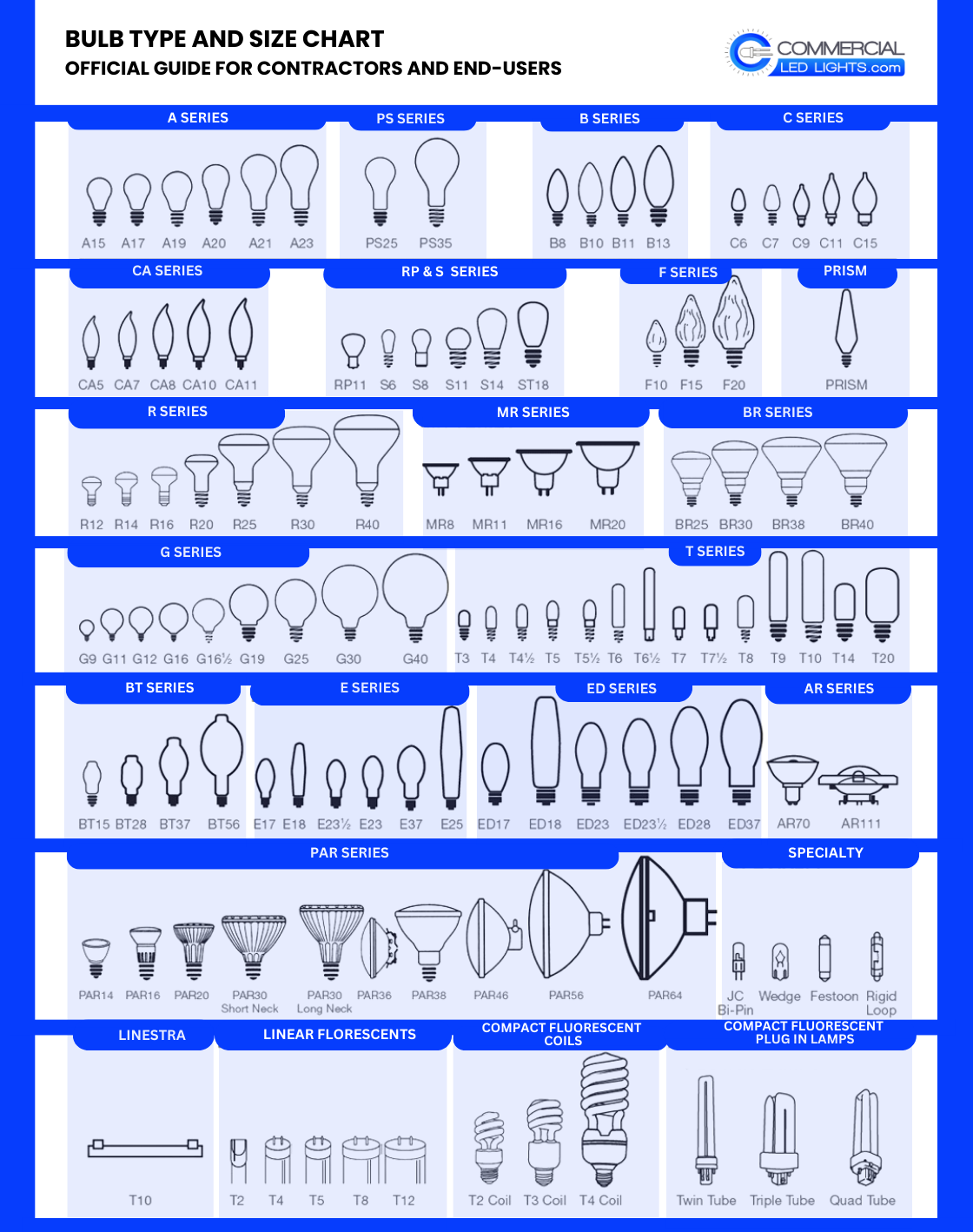
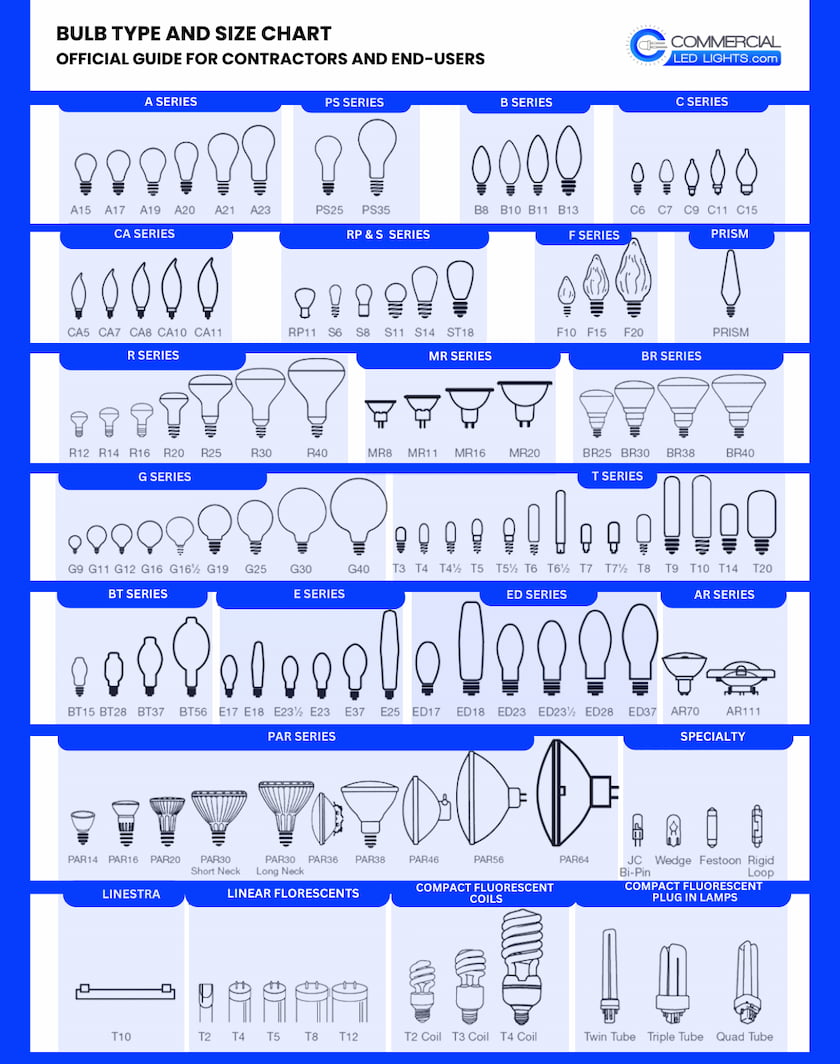
A Type B light bulb is a slender, bullet or torpedo-shaped bulb. It is most common in chandeliers, wall sconces, ceiling fans, and decorative lamps. You’ll often see codes like B10 or B11, which refer to the bulb’s diameter.
In North America, the number after B is measured in eighths of an inch. So, B10 is about 1.25 inches wide, and B11 is about 1.375 inches wide. Most Type B bulbs use an E12 candelabra base, though some use E26 or E17 bases.
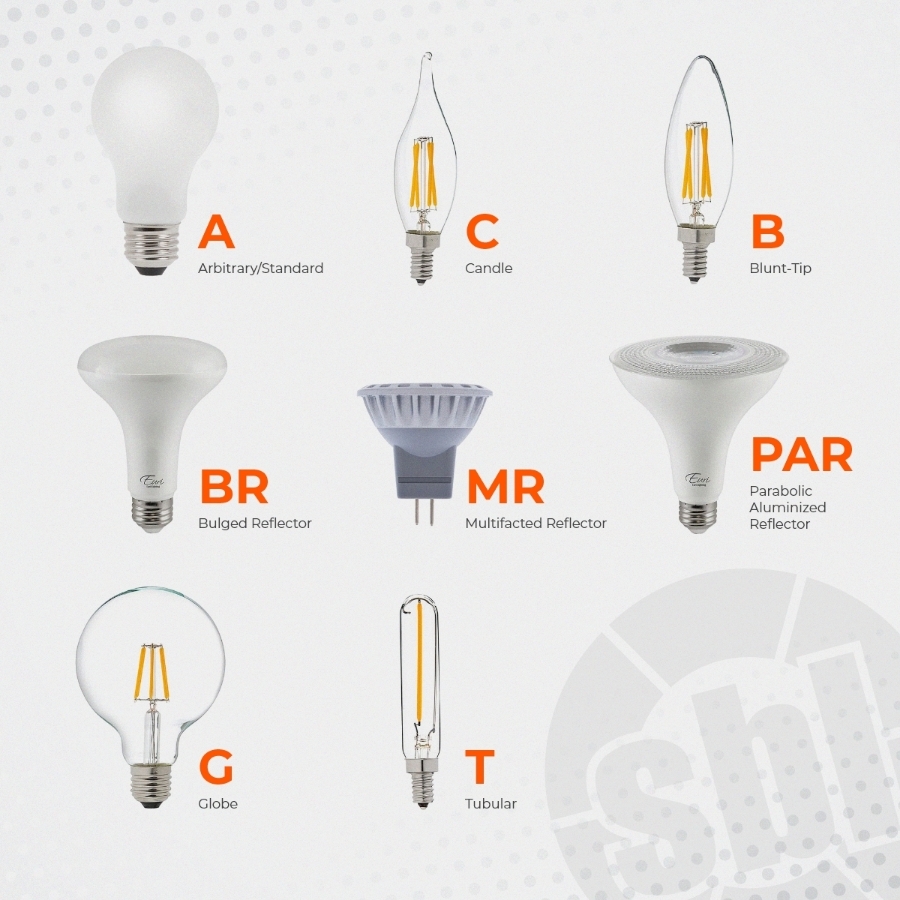
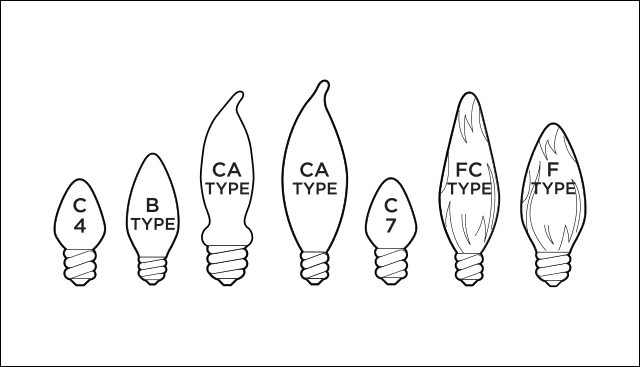
When people ask, What Is a Type B Light Bulb, I tell them it’s the “candle-style” bulb with a smooth, blunt tip. If you see a flame-like pointed tip, that’s usually called CA (candle angular), not Type B.

Type B vs Other Bulb Shapes
Type A bulbs are the classic pear shape you see in table lamps. Type B bulbs are slimmer and more elegant, made for decorative fixtures. The goal is to hide the bulb and keep the fixture’s style front and center.
Globe bulbs (G) are round and used where the bulb is part of the look, like vanities. Vintage ST bulbs are long with a retro vibe. If you’re wondering What Is a Type B Light Bulb compared to a CA bulb, B is blunt-tip while CA has a flame tip.
Base Types and Sizes (E12, E26, E17)
The bulb shape is only half the story. The base must match the socket.
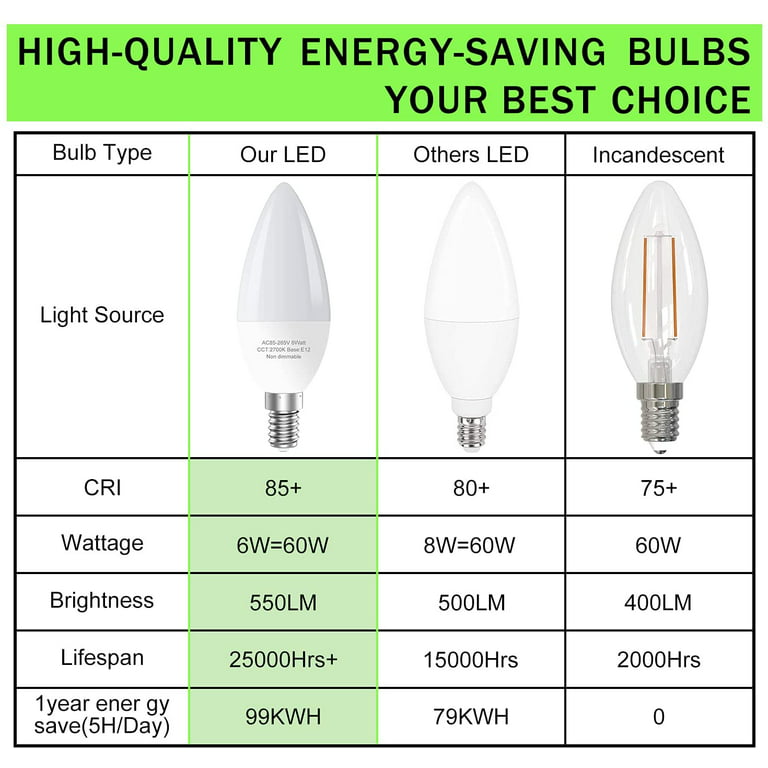
- E12 candelabra base: The most common with Type B bulbs in the US.
- E26 medium base: Found in some larger chandeliers or pendants.
- E17 intermediate base: Less common, often in specialty fixtures.
- Bayonet bases: Rare in the US but may show up in imports.
As a rule, check the old bulb or the socket label. When people search What Is a Type B Light Bulb, they often mix up shape and base. Shape is the “B.” Base is the “E12,” “E26,” and so on.

Where Type B Bulbs Work Best
Type B bulbs shine in spaces where the bulb is visible. They give a neat, candle-like look without stealing the show.
- Chandeliers and candelabras
- Wall sconces in halls and bedrooms
- Ceiling fans with candelabra sockets
- Outdoor coach lights and porch fixtures
- Accent lamps and decorative pendants
When clients ask, What Is a Type B Light Bulb used for, I point to any fixture that mimics candles or wants a slim profile.
LED vs Incandescent vs Halogen for Type B
I’ve installed them all. LEDs win for most homes today.
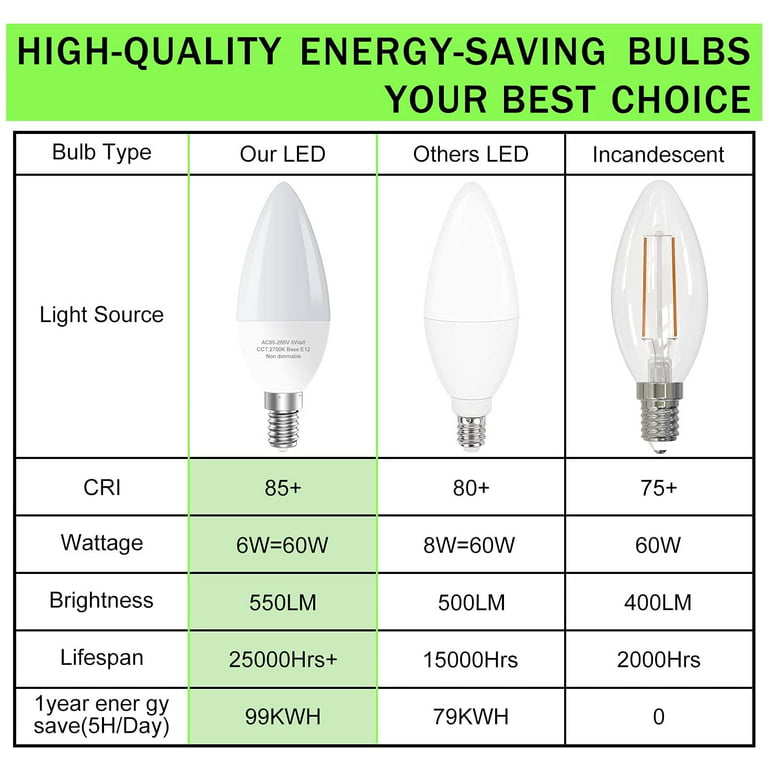
- LED Type B: Uses about 85% less energy than incandescent. Stays cool. Long life. Available in dimmable versions.
- Incandescent Type B: Warm and cozy but runs hot and uses more power.
- Halogen Type B: Slightly brighter per watt than incandescent, but still hot and less efficient.
- CFL Type B: Rare now. Contains trace mercury. I avoid them for small fixtures.
If you want to be future-proof, pick dimmable LED Type B bulbs with a good CRI (90+ if color quality matters). This is my go-to response when someone asks, What Is a Type B Light Bulb that’s best for everyday use.
Brightness, Color Temperature, and Dimming
Think lumens, not watts. Lumens tell you how bright the bulb is.
- 250–450 lumens: Soft glow for chandeliers and sconces.
- 450–800 lumens: Brighter task light or larger rooms.
Color temperature shapes mood. For living spaces, 2700K to 3000K feels warm and calm. For kitchens or work areas, 3500K to 4000K feels crisp. For daylight vibes, 5000K is bright and cool.
Dimming can be tricky. Use bulbs marked dimmable and a compatible dimmer. If a client asks, What Is a Type B Light Bulb that won’t flicker, I say match the bulb and dimmer brand when possible.
Energy Efficiency and Cost of Ownership
A 40W incandescent Type B might run a few hours each night. Swap to a 4W LED, and you cut power use by about 90%. Over a year, that adds up, especially with multi-arm chandeliers.
LEDs also last years, not months. You replace less often, save time, and avoid climbing ladders. If you’re comparing value and wondering What Is a Type B Light Bulb that saves money, LED is the clear pick.
Safety, Ratings, and Compatibility
Heat is a real issue with small fixtures. Always check the fixture’s maximum wattage. A 60W limit means total wattage for all sockets inside the fixture.
Look for these labels:
- Damp rated: Safe for bathrooms or covered porches.
- Enclosed fixture rated: Needed for sealed outdoor fixtures.
- UL or ETL listing: Shows it passed safety tests.
- Energy Star or JA8 (in California): Better performance standards.
If you ever wonder, What Is a Type B Light Bulb that’s safe for outdoor use, check for wet or damp ratings on the package.

Installation Tips and Troubleshooting
I’ve seen many small but annoying issues with Type B bulbs. These quick checks save time.
- If a bulb won’t seat, confirm the base type and size.
- For flicker on a dimmer, use a dimmer rated for LEDs and a dimmable bulb.
- If one bulb buzzes, swap sockets to test. It may be the dimmer or the bulb, not the fixture.
- Avoid mixing old incandescent with LED on the same dimmer.
When friends ask, What Is a Type B Light Bulb fix for fan light flicker, I suggest lowering the dimmer range and using LED bulbs listed as fan-safe.
Maintenance and Disposal
Dust lenses and bulbs with a dry microfiber cloth. Oil from fingers can spot glass, so hold bulbs by the base. Turn power off before you clean or replace bulbs.
LEDs can go to e-waste recycling. Incandescent bulbs can usually go in household trash, but check local rules. If you still have a CFL Type B and it breaks, air out the room and follow local guidance for cleanup and disposal.
Frequently Asked Questions of What Is a Type B Light Bulb
What does the “B” mean in Type B?
“B” refers to the bulb’s shape. It’s a blunt-tip, torpedo or bullet style that fits decorative fixtures.
How is Type B different from CA or flame-tip bulbs?
Type B has a smooth, blunt tip. CA bulbs have a pointed, flame-like tip for a more ornate look.
What bases do Type B bulbs use?
Most Type B bulbs use an E12 candelabra base. Some use E26 medium or E17 intermediate bases, so always check your socket.
Can I use a Type B LED on my old dimmer?
Often yes, but use a dimmable LED and a compatible dimmer. If you see flicker, buzzing, or dropout, switch to an LED-rated dimmer.
What Is a Type B Light Bulb wattage I should pick?
Match the fixture label. For LED, match the brightness (lumens) you want, and keep the wattage low to reduce heat.
Where are Type B bulbs most common?
Chandeliers, wall sconces, ceiling fans, and porch lights. They work best when the bulb is part of the look.
Are B10 and B11 the same?
They’re both Type B shapes, but B11 is slightly wider than B10. Choose the one that fits your fixture’s proportion.
Conclusion
Now you can answer What Is a Type B Light Bulb with confidence. It’s the slim, torpedo-shaped bulb that makes chandeliers, sconces, and fans look polished without wasting energy. Choose the right base, brightness, and color, and you’ll get style and performance.
Ready to upgrade your fixtures? Try a dimmable, high-CRI LED Type B and enjoy lower bills and better light. Want more lighting tips like this? Subscribe, share your questions, or leave a comment with your fixture details.
