Blocked pores, excess oil, bacteria, and inflammation are the main reasons acne shows up on the face.
I write about skin health often and have helped many people understand why acne occurs on face. This article breaks the topic down into clear parts. You will learn what triggers acne, how skin biology works, real tips that help, and when to seek care. I draw on clinical knowledge, simple science, and personal experience to give friendly, practical advice you can trust. Read on to get clear answers about why acne occurs on face and what you can do about it.
How acne forms on the face
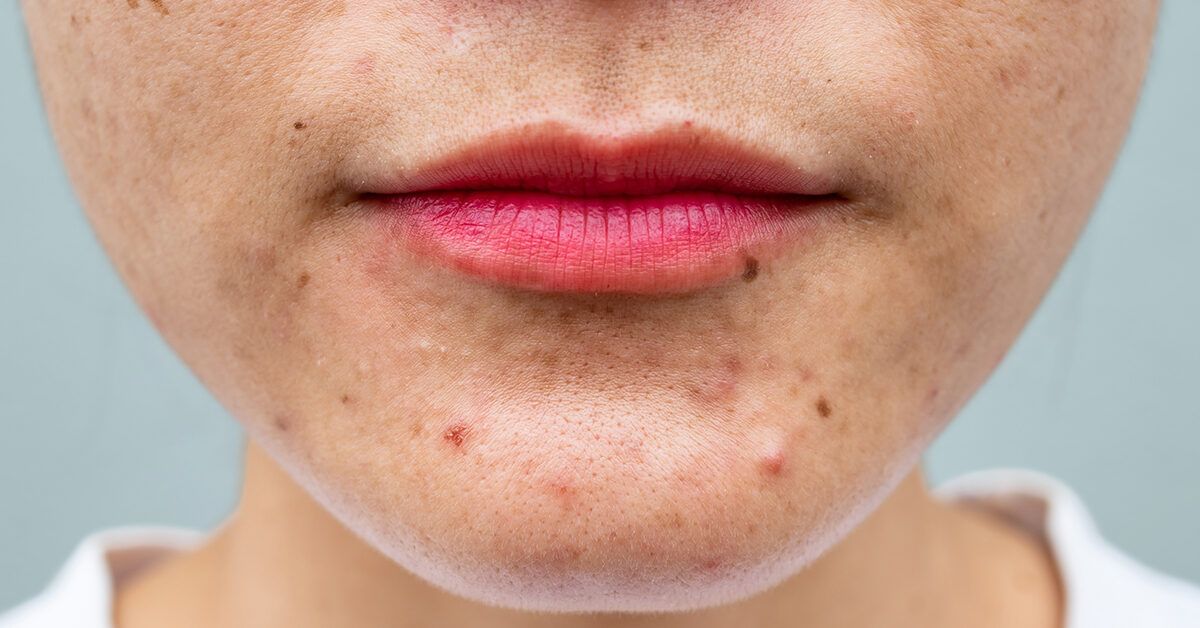
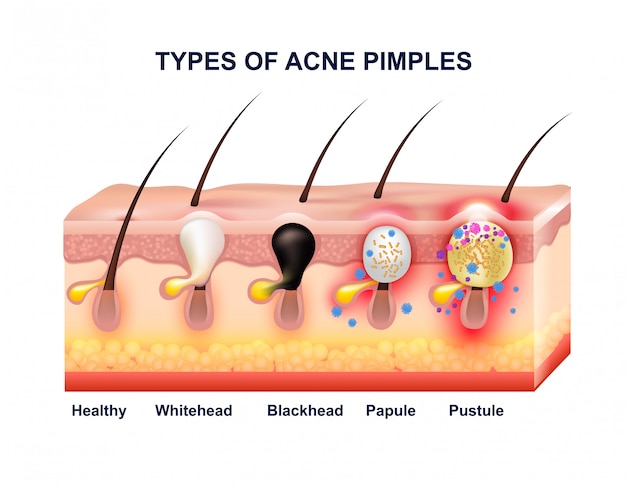
Acne forms when tiny skin openings called pores get clogged. Each pore holds a hair and a tiny oil gland. The gland makes sebum, a natural oil. When sebum builds up with dead skin cells, the pore clogs. Bacteria then grow in the clogged pore and cause inflammation. That inflammation is what makes pimples red and sore. Understanding this basic chain helps explain why acne occurs on face and why different treatments work.

Main causes of acne on the face
There are a few core reasons why acne occurs on face. They often act together.
- Overactive oil glands. Teen years and hormones can boost oil.
- Dead skin buildup. Cells that don’t shed clump and clog pores.
- Bacteria. Cutibacterium acnes (formerly P. acnes) lives on skin and fuels inflammation.
- Inflammation. Immune response makes pimples red and painful.
- Hormone shifts. Androgens increase oil and are a top reason acne appears on face.
- Genetics. Family history often predicts who gets acne.
These causes explain why acne occurs on face in different ways for different people. Some have oily skin and constant breakouts. Others get a few spots around their period or during stress.
How hormones and life stages affect acne
Hormones are a major reason why acne occurs on face. They change across life.
- Puberty. Androgens rise and trigger oil production.
- Menstrual cycle. Fluctuations can cause monthly breakouts.
- Pregnancy. Hormone shifts can help or worsen acne.
- Adult acne. Hormones, stress, and lifestyle can keep acne going in adults.
From my experience, many people expect acne to stop after teen years. It often does not. I once worked with a client who had new breakouts at 32. Simple hormone checks and topical care made a big difference. That taught me to always consider life stage when asking why acne occurs on face.
Types and locations of facial acne
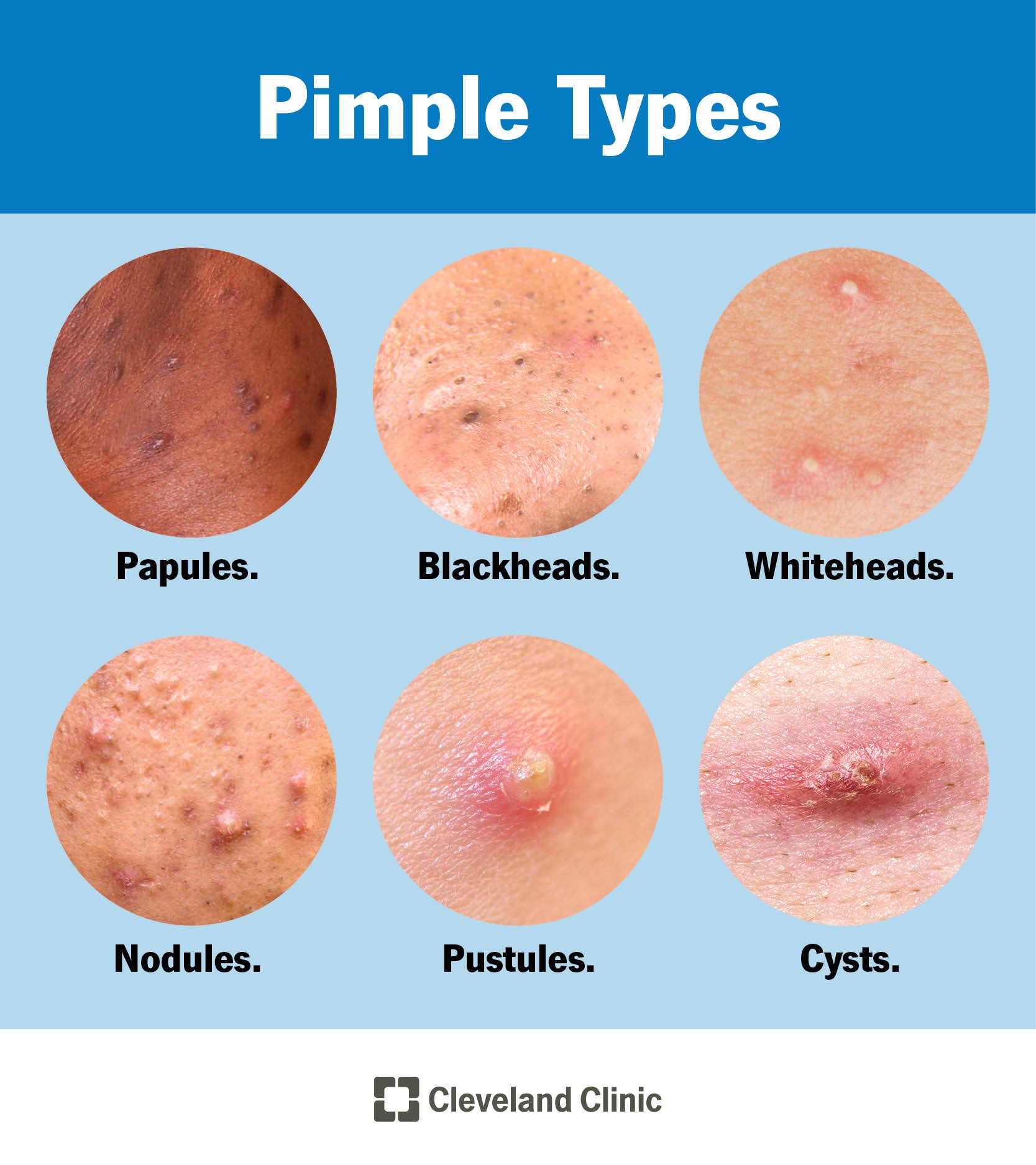
Knowing the type helps with treatment and explains why acne occurs on face.
- Whiteheads. Closed clogged pores that look like small bumps.
- Blackheads. Open clogged pores where sebum darkens.
- Papules. Small red bumps caused by inflammation.
- Pustules. Papules with pus at the top.
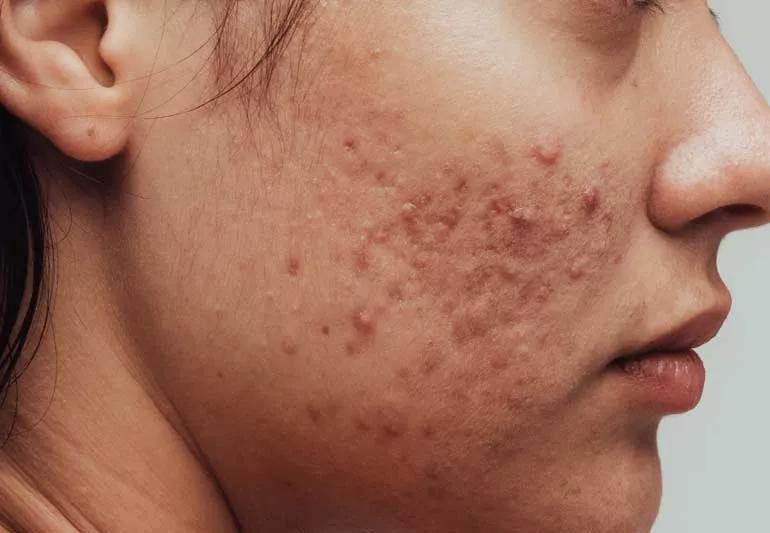
- Nodules and cysts. Deep, painful, and may scar.
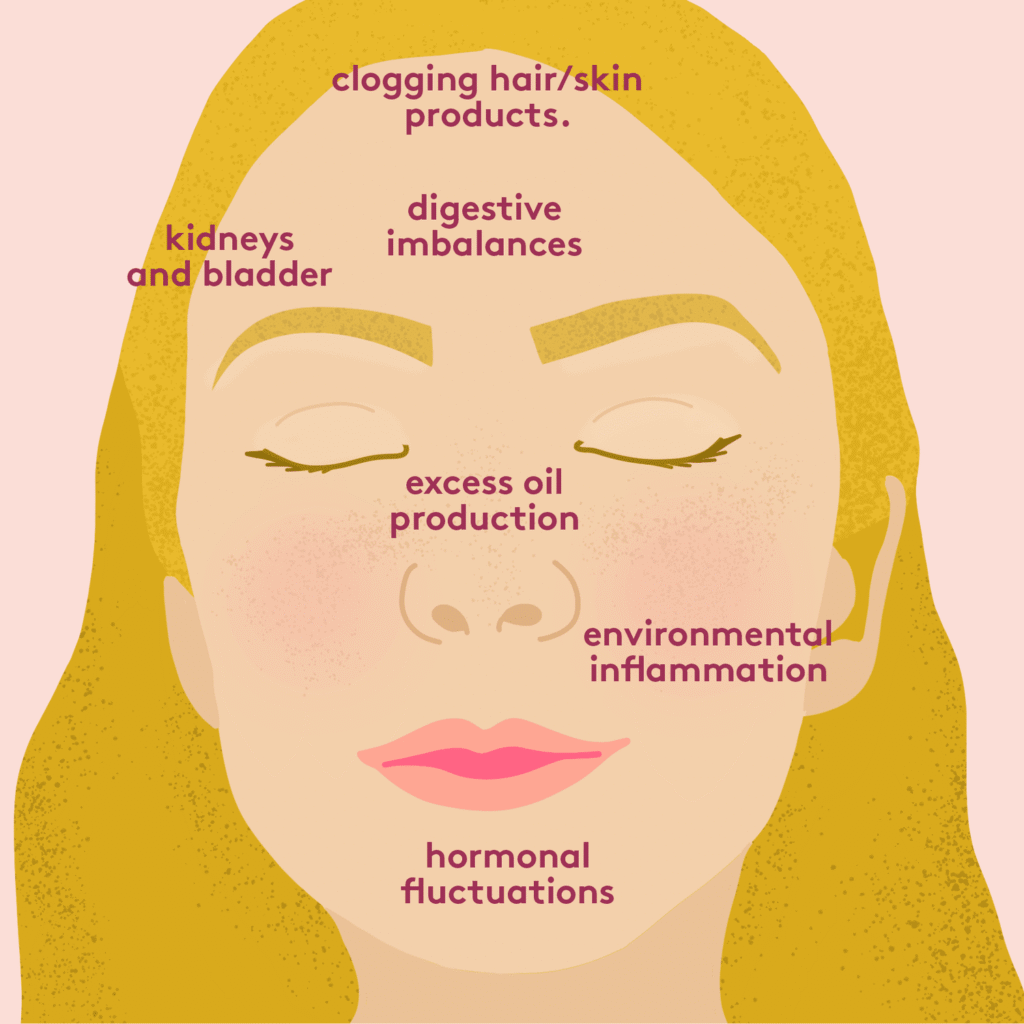
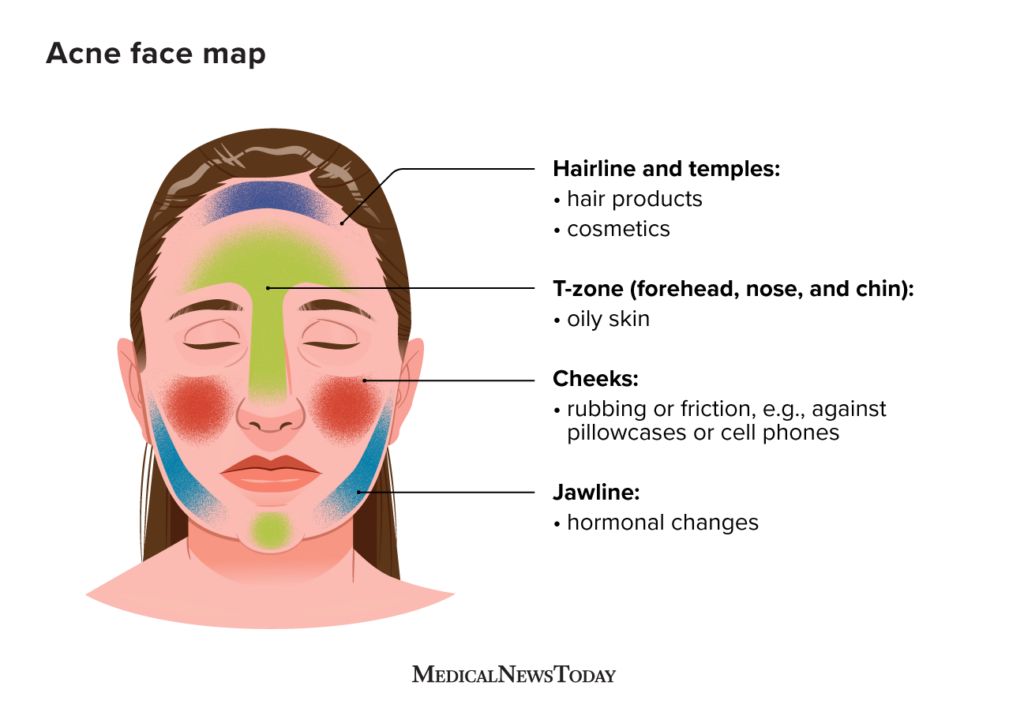
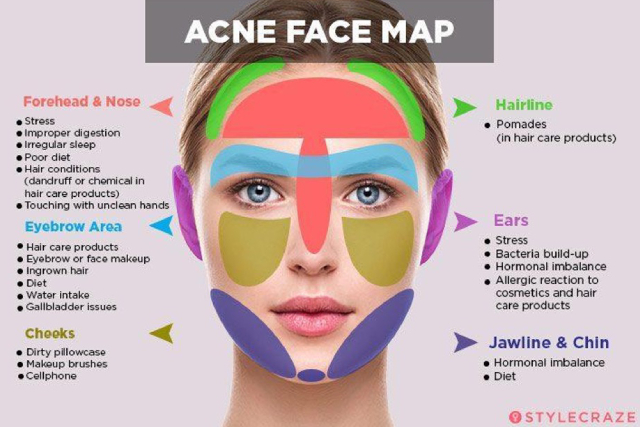
Where acne shows up can hint at the cause. Breakouts along the jawline and chin often suggest hormonal causes. Forehead and nose acne may link to oily skin or hair products. This helps answer why acne occurs on face in certain patterns.
Common triggers and lifestyle links
Daily habits can explain why acne occurs on face. Small changes often help.
- Skincare mistakes. Over-washing or heavy creams can clog pores.
- Makeup. Comedogenic cosmetics can cause breakouts.
- Hair products. Oils and sprays that touch the forehead can block pores.
- Diet. High sugar and dairy link to acne in some people.
- Stress. Stress fuels hormones that raise oil production.
- Friction and pressure. Masks, phone screens, and helmets can irritate skin.
I learned from working with clients that cleaning pillowcases and phones often cuts breakouts quickly. These small fixes make the question "why acne occurs on face" feel much less mysterious.
:max_bytes(150000):strip_icc()/VWHEVERGREEN-AcneFaceMap-HowtoIdentifyCausesofYourBreakouts-final-bff7180accca4c708250ad6f4c8f8afc.png)
Treatments that work and why they help
Effective care targets the reasons why acne occurs on face. Match treatment to cause.
- Topical cleansers. Salicylic acid clears dead cells to unclog pores.
- Benzoyl peroxide. Kills acne-causing bacteria and reduces inflammation.
- Retinoids. Help skin renew faster and prevent clogged pores.
- Oral antibiotics. For moderate inflammation and bacterial control.
- Hormonal treatments. Birth control or anti-androgens help in hormone-related acne.
- Professional care. Chemical peels and laser can help stubborn cases.
I suggest starting gentle. Too many strong products at once can irritate and worsen acne. That’s a common mistake I see. Treat the main reasons why acne occurs on face first: unclog pores, lower oil, and calm inflammation.
Preventing breakouts: practical daily steps
Prevention focuses on habits that reduce the reasons why acne occurs on face. Try these easy steps.
- Clean gently once or twice a day with a mild cleanser.
- Use noncomedogenic moisturizers and makeup.
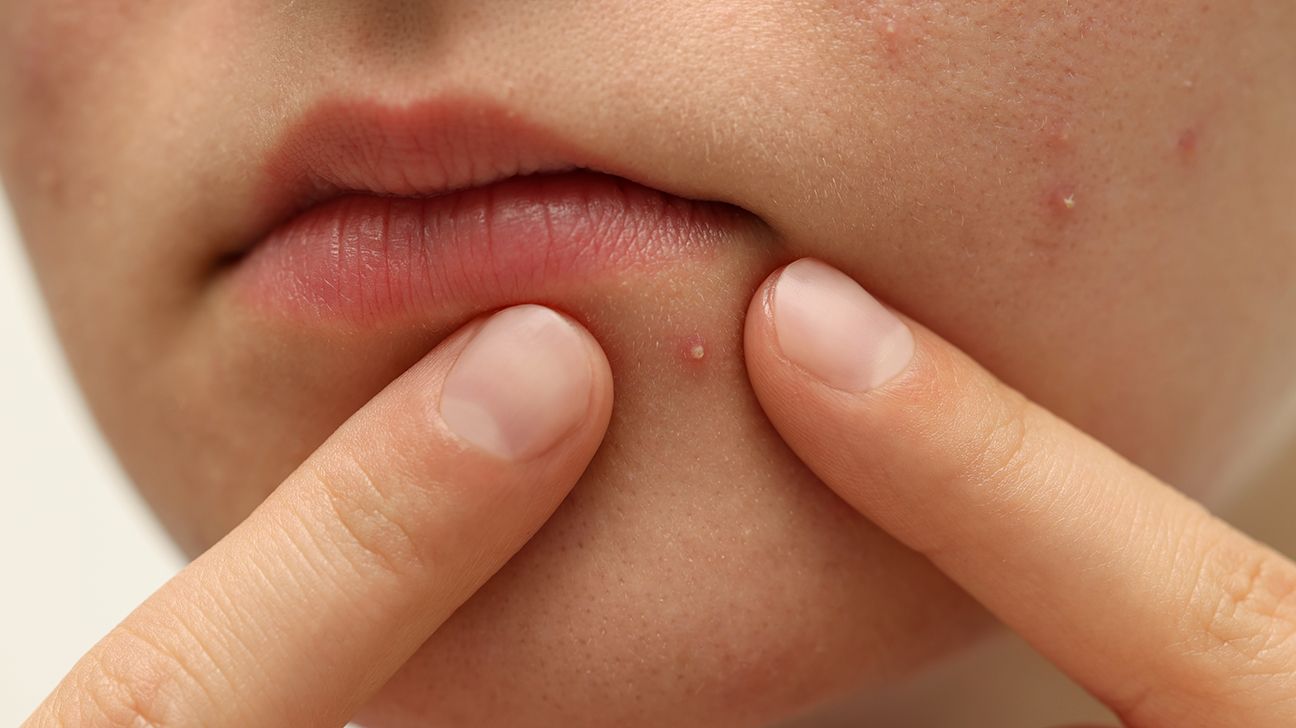
- Avoid squeezing or picking pimples to prevent scars.
- Change pillowcases and clean phone screens weekly.
- Watch triggers like high-sugar meals and heavy dairy intake.
- Use sunscreen that won’t clog pores.
Simple routines work best. I advise clients to pick two changes and keep them for four weeks. Often that is enough time to see real improvement.
When to see a dermatologist
Some signs mean you should get professional help to learn why acne occurs on face. See a dermatologist if:
- Breakouts are deep, painful, or cystic.
- Acne causes scarring or dark marks.
- Over-the-counter care fails after several months.
- Acne affects your confidence or daily life.
A doctor can run tests, review medicines, and discuss hormonal checks. They can also offer stronger treatments not available over the counter.
Frequently Asked Questions of why acne occurs on face
What is the single biggest reason why acne occurs on face?
The most common reason is clogged pores combined with excess oil. This mix allows bacteria to grow and trigger inflammation that causes pimples.
Can diet really explain why acne occurs on face?
Diet can influence acne for some people. High sugar and dairy often link to breakouts, but effects vary by person.
Does stress make acne worse and explain why acne occurs on face?
Yes. Stress raises hormones that boost oil production and inflammation, which can worsen breakouts on the face.
Will popping pimples stop acne or explain why acne occurs on face?
Popping can make inflammation worse and cause scarring. It does not solve the root reasons why acne occurs on face.
How long before I see results from acne treatment?
You should see some improvement in 4 to 8 weeks. Clearer skin often takes 3 months or longer with consistent care.
Is adult acne different from teen acne when asking why acne occurs on face?
Often yes. Adult acne often links more to hormones, stress, and lifestyle, while teen acne is strongly tied to puberty and high oil production.
Conclusion
You now know the main reasons why acne occurs on face: clogged pores, extra oil, bacteria, and inflammation, often driven by hormones and habits. Start with gentle care. Fix daily habits and try targeted treatments. If acne is deep or long-lasting, ask a dermatologist for help. Small, steady changes can lead to clearer skin and more confidence. If you found this helpful, try one tip this week and see how your skin responds. Leave a comment or subscribe for more skin tips and real-life advice.