


194 Vs 921 Bulb: 194 is smaller and dimmer; 921 is larger and much brighter.
If you’re picking a light for your car, RV, or boat, the details matter. I’ve tested both in tight housings and in open fixtures, and the differences are not small. This guide breaks down 194 Vs 921 Bulb in plain English, with real numbers, hands-on tips, and clear choices for daily use.
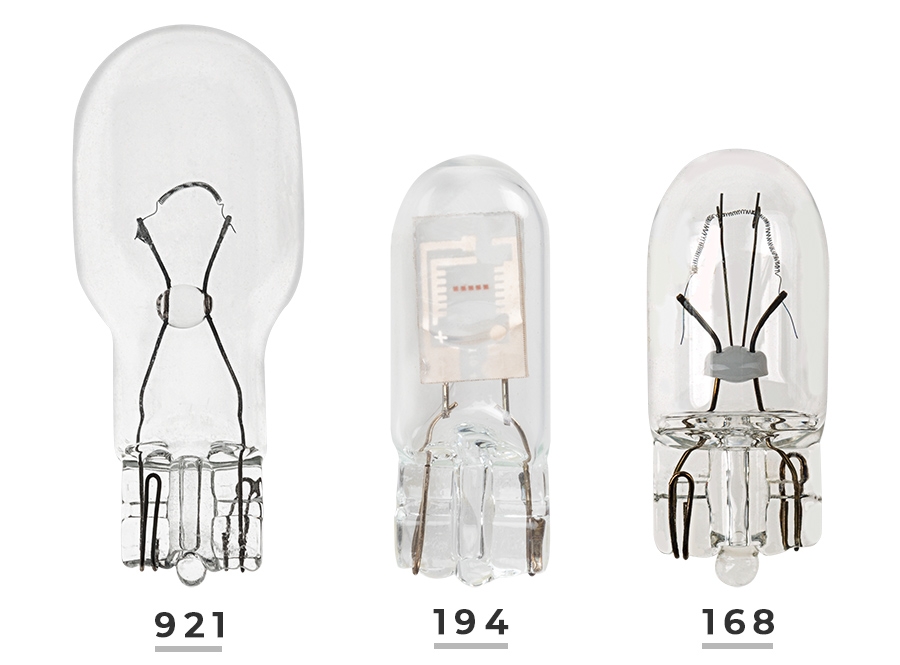
What Are 194 and 921 Bulbs?
Both are 12V wedge-base bulbs found in cars, trucks, RVs, and boats. They often share the same T10 wedge base, so they can fit similar sockets. But they are not equal in output, size, or heat.
A 194 is a small marker or interior bulb. It draws about 0.27A at 12.8–14V and makes a gentle glow. A 921 is a larger utility bulb. It draws about 1.4A and throws a lot more light. That jump in power means more heat too.
Typical uses:
- 194: side markers, license plate lights, dash, small interior lights
- 921: RV ceiling lights, cargo lights, reverse lights, utility housings
Numbers can vary by brand, but the pattern holds. A 194 makes tens of lumens. A 921 makes a few hundred lumens. This is the core of 194 Vs 921 Bulb.

194 Vs 921 Bulb: Key Differences At A Glance
Here’s the quick way to compare 194 Vs 921 Bulb:
- Brightness
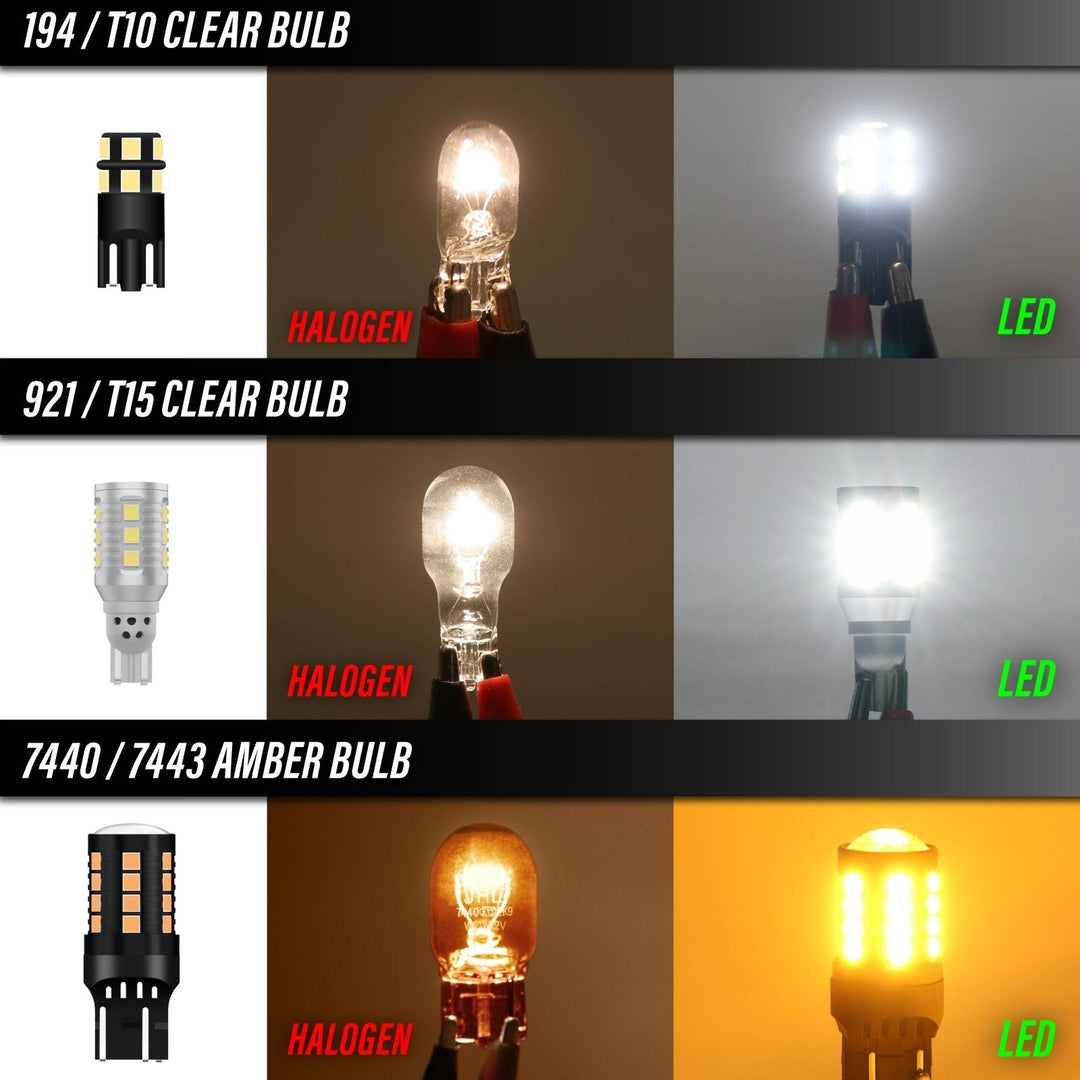
- 194: about 20–40 lumens (soft marker-level light)
- 921: about 250–300 lumens (bright utility-level light)
- Power draw
- 194: about 3–5 watts
- 921: about 16–18 watts
- Heat
- 194: low heat, safe in small housings
- 921: runs hot; needs room and heat-safe plastics
- Size
- 194: short envelope, easy fit
- 921: longer envelope; check clearance
- Common roles
- 194: visibility markers and gentle interior lighting
- 921: task lighting, reverse lights, bright RV fixtures
If you need soft and cool, pick 194. If you need bright and bold, pick 921. This is the heart of 194 Vs 921 Bulb decisions.
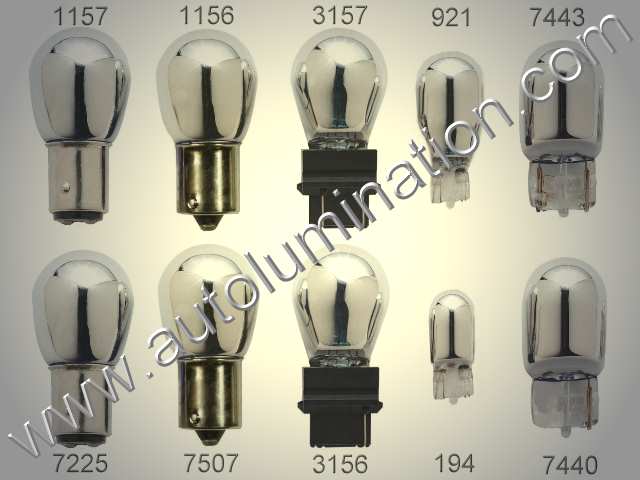
Can You Swap Them?
Short answer: sometimes, but be careful. This is where 194 Vs 921 Bulb choices get tricky.
Fitment: Many sockets match because both use a T10-style wedge. But a 921 is longer. In tight housings, it can touch plastic or the lens.
Electrical load: A 921 pulls around five times the current of a 194. That can heat wires and sockets. It can also blow a fuse if the circuit was sized for a 194.
Heat: A 921 runs hot. In a small marker lamp, it may haze the lens or warp the housing.
Optics and legality: More light is not always better. Beam patterns and glare control matter, especially on road lights. Always follow local rules.
My field note: I once tested a 921 in a small license plate housing. It fit, but after a week the lens showed heat haze. I switched back to 194. Lesson learned.
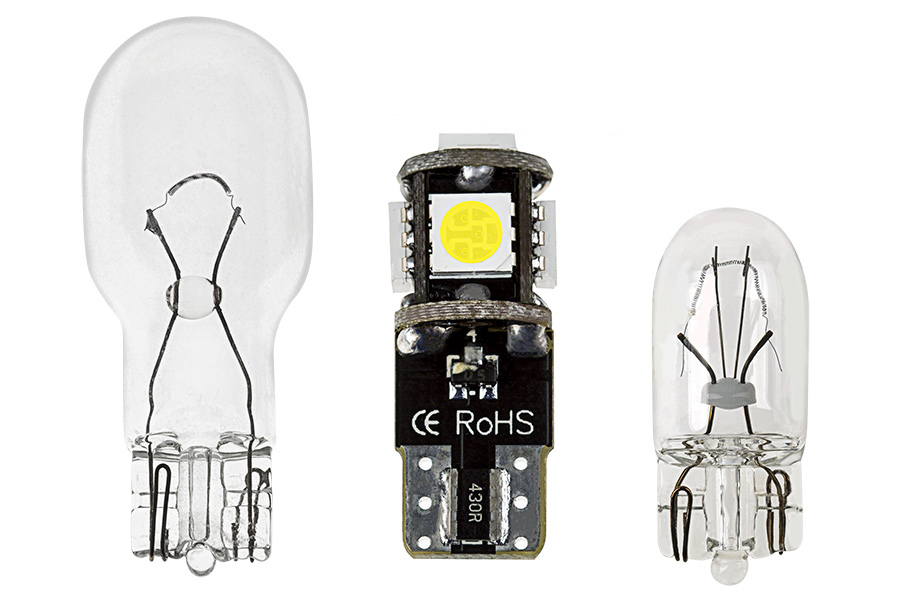
194 Vs 921 Bulb For Specific Uses
Automotive markers and interior
Use 194 for side markers, cluster backlights, and license plate lights. It is gentle, cool, and stable. A 921 here is overkill and may cause heat damage.
Reverse lights
For reverse lights, 921 is a smart pick. It gives the punch you need to see and be seen. If you want an LED, choose a 921 LED with a focused beam.
RV ceiling fixtures
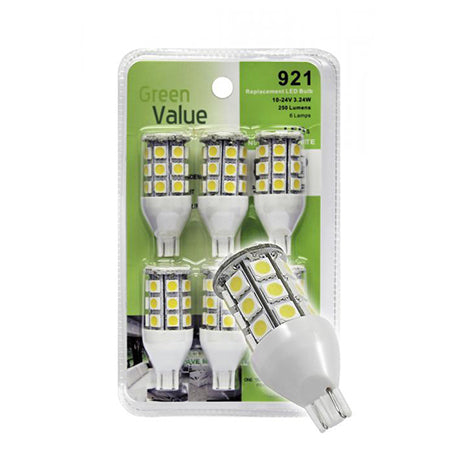
Most RV dome lights were built around 921. They need that higher output. If heat worries you, use a 921 LED to cut power draw while keeping brightness.
Cargo and utility
921 wins for cargo bays and tool areas. It reaches farther and fills space with light. If the housing is very small, use a high-output 194 LED as a cooler compromise.
Marine and off-grid
Watch battery draw. A 921 uses much more power. In small cabins, a 194 LED can save energy and keep heat down. For task zones, a 921 LED is great.
These real-world cases show how 194 Vs 921 Bulb plays out beyond specs.
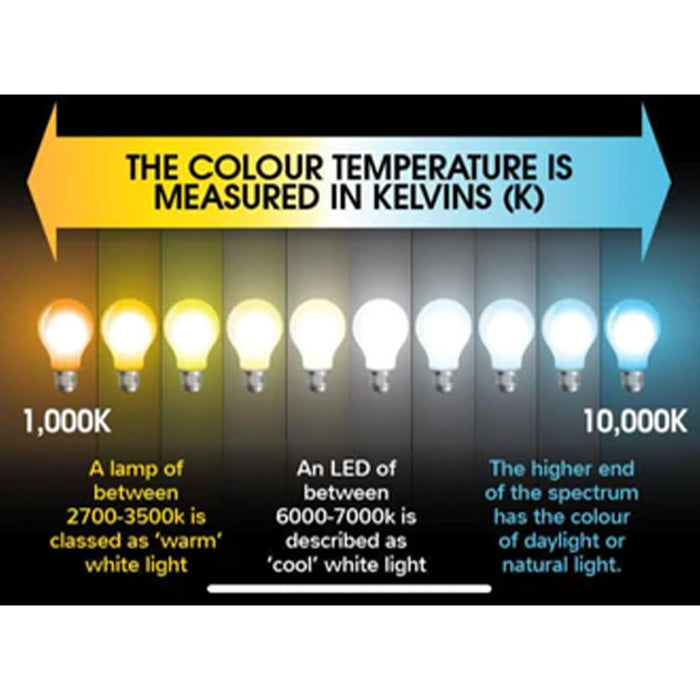
LED Upgrades For 194 Vs 921 Bulb
LEDs change the game. You get more light per watt and far less heat. But you still need to choose well.
What to look for:
- Lumens, not just watts: Aim for 50–100 lm to replace a 194 incandescent gently. Aim for 300–600 lm to replace a 921 with headroom.
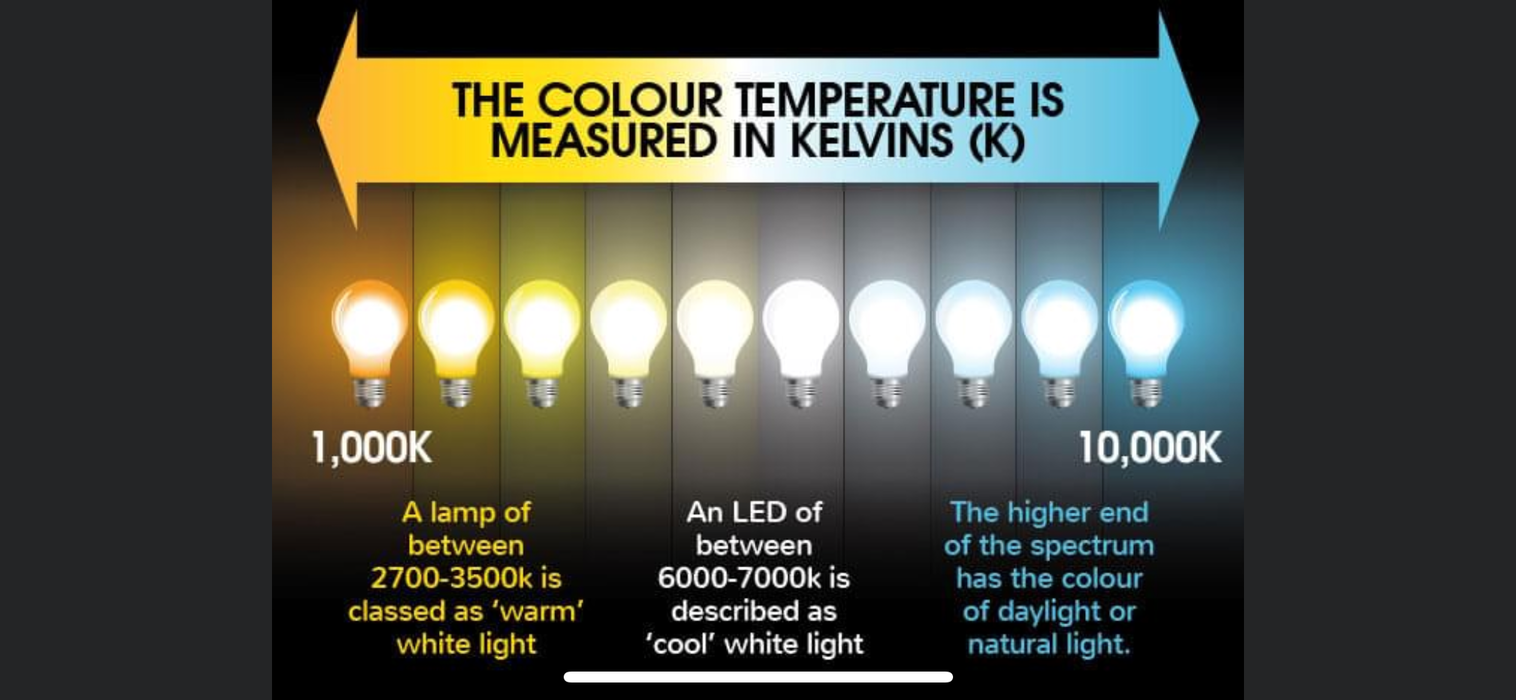
- Color temperature: 2700–3000K for warm, cozy cabins. 4000–4500K for neutral white. 6000K for crisp, cool white that looks modern.
- CAN bus support: Some cars monitor bulbs. If you get errors or flicker, choose a CAN bus LED or add a resistor.
- Polarity: LEDs are polarity-sensitive. If it doesn’t light, flip it 180 degrees.
- Heat management: High-output LEDs need a heat sink. Cheap designs overheat and fade.
- Beam pattern: In reverse lamps, a focused LED helps you see the ground and sides, not just the center.
- Dimming and PWM: Some dimmers or BCMs use PWM. Pick LEDs rated for PWM if you see strobe.
The right LED can make 194 Vs 921 Bulb a simple choice: use LED 194 for soft light and LED 921 for bright tasks, with less heat and power draw.
How To Choose The Right Bulb In Three Steps
Use this simple plan for any 194 Vs 921 Bulb choice:
- Check the purpose
- Is it for markers, dash, or license plate? Think 194 or a 194 LED.
- Is it for reverse, RV ceiling, or cargo? Think 921 or a 921 LED.
- Check the space and heat
- Measure clearance from socket to lens.
- If the housing is small or sealed, avoid hot 921 incandescent. Use LED instead.
- Check the circuit
- Look at fuse size and wire gauge.
- If the original spec was 194, moving to 921 may be risky. Match OEM spec or go LED with similar lumens but lower watts.
This three-step filter makes 194 Vs 921 Bulb choices safe and easy.
Installation And Safety Tips
Here’s my field-tested checklist for 194 Vs 921 Bulb installs:
- Power off the circuit and let bulbs cool before removal.
- Wear gloves or use a clean cloth. Oils on glass can shorten life.
- Inspect the socket for corrosion or melting. Replace damaged sockets.
- Test the bulb before closing the housing. For LEDs, flip if it does not light.
- Do not upsize fuses to “make it work.” Fix the cause.
- For exterior lights, keep color legal: white for reverse, amber for front markers, red for rear markers.
- After install, check for hot spots after 10–15 minutes. If the lens feels very hot, choose a cooler option.
These small steps make any 194 Vs 921 Bulb switch smoother and safer.

Troubleshooting After A Swap Or LED Upgrade
Common issues and fixes with 194 Vs 921 Bulb:
- Flicker or strobe
- Cause: PWM dimming or poor LED driver
- Fix: Use PWM-compatible LEDs or add a decoder
- Bulb-out warning
- Cause: Lower LED load triggers the ECU
- Fix: Use CAN bus LEDs or add a load resistor
- Melting or haze
- Cause: High heat from 921 incandescent in small housings
- Fix: Switch to LED or go back to 194
- Dim output
- Cause: Cheap LED, wrong polarity, or poor contact
- Fix: Flip LED, clean contacts, buy higher-lumen LED
- Radio noise
- Cause: Poorly filtered LED drivers
- Fix: Choose shielded, quality LEDs
Track the change you made and test one side at a time. That’s how I debug 194 Vs 921 Bulb issues fast.
Frequently Asked Questions of 194 Vs 921 Bulb
Are 194 and 921 bulbs interchangeable?
Sometimes, but not always. They can share the same wedge base, yet a 921 is longer, hotter, and draws more power.
Which is brighter, 194 or 921?
A 921 is much brighter than a 194. Expect a jump from tens of lumens to a few hundred lumens.
Will a 921 bulb melt my housing?
It can in small or sealed housings. If you see heat haze or soft plastic, switch to a 921 LED or go back to 194.
Can I use LED replacements for both?
Yes. LED 194 and LED 921 give more light with less power and heat. Just choose the right lumens, color, and CAN bus support.
What color temperature should I pick?
Use 2700–3000K for warm cabins, 4000–4500K for neutral work light, and 6000K for crisp white. Match the task and your style.
Why does my LED not turn on?
LEDs are polarity-sensitive. Remove it, rotate 180 degrees, and try again.
Is a brighter bulb always better for reverse lights?
Not always. Beam pattern and glare control matter. A focused 921 LED can outperform a random high-lumen bulb.
Will a 921 drain my battery faster in an RV?
Yes compared to a 194. Consider LED versions to save power without losing brightness.
Conclusion
Here’s the bottom line on 194 Vs 921 Bulb: 194 is small, cool, and great for markers and gentle cabin light. 921 is big, bright, and built for reverse lights, RV ceilings, and utility spots. If heat or power draw is a worry, go LED in the same class.
Pick the bulb for the job, check space and heat, and match the circuit. Try one fixture first, test, then roll out the rest. If this helped, share your 194 Vs 921 Bulb results, subscribe for more hands-on guides, or drop a question and I’ll help you pick the best fit.
