


As an Amazon Associate, We earn from qualifying purchases.
Choosing what type of light bulb is the best depends on your specific needs, balancing energy efficiency, brightness, and desired ambiance. While traditional incandescents are fading, LEDs stand out as the superior choice for most applications due to their exceptional longevity, low energy consumption, and versatility in color and dimmability. They offer significant long-term savings and environmental benefits, making them the default modern option for nearly every lighting situation in your home.
What Type of Light Bulb Is the Best?
Have you ever stood in the lighting aisle, staring at a dizzying array of light bulbs, and felt completely overwhelmed? Incandescent, halogen, CFL, LED – warm white, cool white, daylight – dimmable, smart… It’s enough to make you just grab the cheapest option and hope for the best! But choosing the right light bulb for your home is more than just a quick decision; it’s about creating the perfect ambiance, saving energy, and even impacting your mood and productivity.
The days of simply picking a 60-watt bulb are long gone. Today, understanding what type of light bulb is the best means navigating a world of technology, efficiency, and light quality. The “best” bulb isn’t a one-size-fits-all answer; instead, it’s about finding the ideal match for each fixture, each room, and each person’s unique needs. This guide is here to demystify the choices, helping you illuminate your home brilliantly and efficiently.
We’ll break down the different types of bulbs, explain the key terms you need to know, and offer practical advice on how to choose the perfect light for every corner of your life. By the end, you’ll feel confident knowing exactly what type of light bulb is the best for *your* specific situation, transforming your home into a perfectly lit sanctuary.
Key Takeaways
- LEDs are generally the best choice: For most applications, Light Emitting Diodes (LEDs) offer superior energy efficiency, lifespan, versatility in color temperature, and dimming capabilities compared to other bulb types.
- “Best” is subjective and depends on your needs: The ideal bulb depends on factors like the room, desired ambiance, budget, and specific lighting requirements (e.g., task lighting vs. ambient light).
- Brightness is measured in Lumens, not Watts: Forget watts when buying new bulbs; focus on lumens for brightness. More lumens mean more light.
- Color temperature sets the mood: Measured in Kelvin (K), lower numbers (2700K-3000K) create warm, cozy light, while higher numbers (4000K-5000K+) provide cool, crisp light suitable for tasks.
- Consider CRI for true colors: A high Color Rendering Index (CRI) helps objects appear in their true, vibrant colors. Look for CRI 80+ for general use, and 90+ for areas where color accuracy is important.
- Long-term savings outweigh upfront costs: While LEDs might have a higher initial price, their incredible energy efficiency and long lifespan lead to significant savings on electricity bills and replacement costs over time.
- Read the label: Always check the lighting facts label on the packaging to understand a bulb’s lumens, Kelvin, estimated annual cost, and expected lifespan before making a purchase.
Quick Answers to Common Questions
What is the most energy-efficient light bulb?
LEDs (Light Emitting Diodes) are by far the most energy-efficient light bulbs available today, using up to 90% less energy than traditional incandescent bulbs.
What does “lumens” mean on a light bulb?
Lumens (lm) measure the total amount of visible light produced by a bulb. It’s the true indicator of brightness, whereas watts measure energy consumption.
Is 5000K light too bright for a living room?
5000K light is a “daylight” color temperature, which is a crisp, cool white. While good for task lighting, it might feel too stark or bright for a relaxing living room where warm white (2700K-3000K) is usually preferred.
Can I put an LED bulb in any fixture?
Generally, yes, if the socket type matches (e.g., E26 for standard bulbs). However, if the fixture is enclosed, ensure the LED bulb is rated for enclosed fixtures to prevent overheating and premature failure.
What is the benefit of a high CRI light bulb?
A high Color Rendering Index (CRI) means the light bulb will show colors more accurately and vibrantly, similar to how they appear under natural daylight. This is important for tasks where true color perception matters, like in kitchens or art studios.
📑 Table of Contents
The Evolution of Light: From Incandescent to LED
Lighting technology has come a long way since Thomas Edison’s first practical light bulb. Each innovation brought new benefits, though some also came with their own set of drawbacks. Understanding this journey helps us appreciate why modern options often stand out as the answer to what type of light bulb is the best.
Incandescent Bulbs: The Classic Glow (and Why They’re Fading)
Incandescent bulbs are the traditional light bulbs most of us grew up with. They work by heating a tiny wire filament until it glows brightly. They produce a very warm, comforting light, often beloved for its cozy ambiance.
The main downsides? They’re incredibly inefficient. About 90% of the energy they consume is converted into heat, not light. This means they waste a lot of electricity, making them expensive to run. They also have a very short lifespan, typically around 750-1,000 hours, meaning frequent replacements. Due to their inefficiency, many countries have phased them out, making them less common to find in stores today. If you’re wondering what type of light bulb is the best for efficiency, incandescents are definitely not it.
Halogen Bulbs: An Incandescent Upgrade
Halogen bulbs are a type of incandescent bulb, but with a twist. They use a halogen gas inside the bulb, which allows the filament to burn at a higher temperature, producing a brighter, whiter light. They are also slightly more energy-efficient than traditional incandescents, lasting about 2,000-4,000 hours.
Halogens were a popular choice for a while, especially for task lighting or in track lighting systems, because they offer excellent color rendering. However, they still get very hot and are far less efficient than newer technologies like LEDs. They’re a step up from traditional incandescents, but still not what type of light bulb is the best for modern energy-saving goals.
Compact Fluorescent Lamps (CFLs): The Energy Savers of Yesteryear
CFLs were revolutionary when they first hit the market. These spiral-shaped bulbs use a gas discharge to create light, making them significantly more energy-efficient than incandescents – typically using about 75% less energy. They also boast a longer lifespan, often lasting 8,000-10,000 hours.
While CFLs offered great energy savings, they had a few drawbacks. They often took a moment to “warm up” to full brightness, and their light quality could sometimes be harsh or unnatural. They also contain a small amount of mercury, requiring special disposal. For these reasons, while once a contender for what type of light bulb is the best for energy savings, they’ve largely been surpassed.
Light Emitting Diodes (LEDs): The Modern Marvel
LEDs are the current champions of lighting technology, and for good reason. They work by passing an electric current through a semiconductor, which emits light. This process is incredibly efficient, turning most of the energy into light rather than heat.
The benefits of LEDs are numerous:
- Extreme Energy Efficiency: They use up to 90% less energy than incandescents, drastically cutting down your electricity bills.
- Incredible Lifespan: LEDs can last anywhere from 15,000 to 50,000 hours or more. That’s years, even decades, of light without needing a replacement.
- Durability: Since they don’t have a filament, they’re much more resistant to breakage from drops or vibrations.
- Versatility: They come in a vast range of color temperatures, can be easily dimmed, and are often available with smart features.
- Instant On: LEDs reach full brightness immediately, with no warm-up time.
Given these advantages, it’s clear that LEDs are usually what type of light bulb is the best for virtually any modern application.
Key Factors to Consider When Choosing Your Best Light Bulb
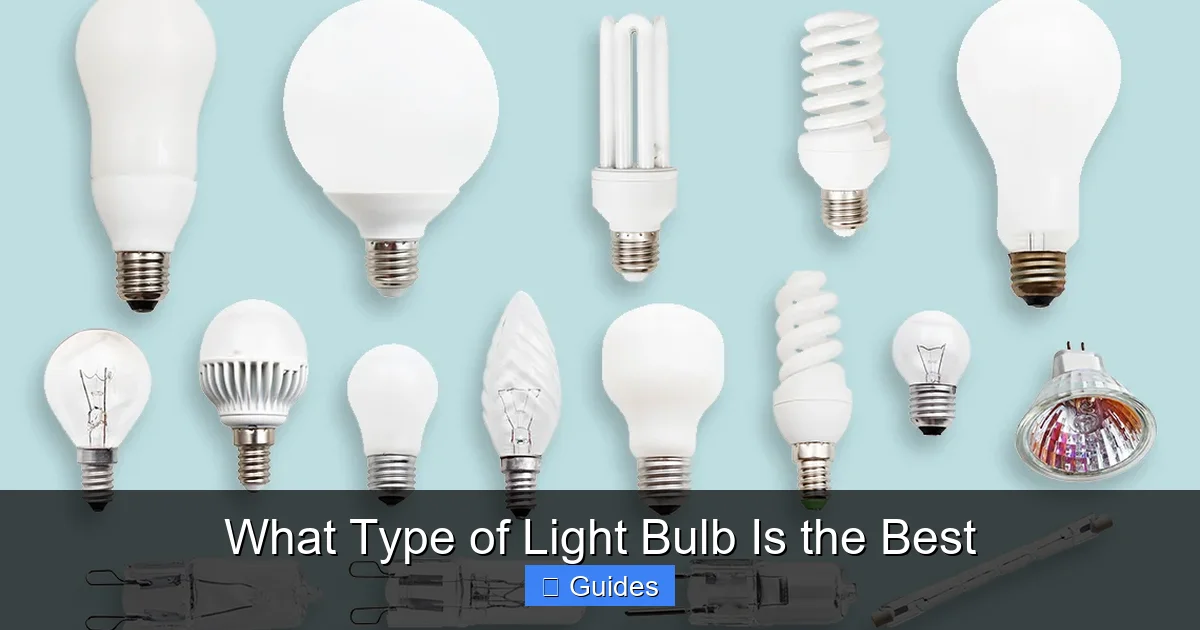
Visual guide about What Type of Light Bulb Is the Best
Image source: cdn.aarp.net
With so many options, how do you decide what type of light bulb is the best for *you*? It boils down to understanding a few key terms and matching them to your needs.
Energy Efficiency: Saving Money and the Planet
This is often the first thing people think about. Energy efficiency is about how much light a bulb produces for the amount of electricity it consumes. LEDs are the clear winners here. Choosing an energy-efficient bulb saves you money on your utility bills and reduces your carbon footprint. When comparing options, you’ll often see an “Energy Star” label, which signifies high efficiency. This is a crucial aspect of determining what type of light bulb is the best for your wallet and the environment.
Lifespan: How Long Will It Last?
A bulb’s lifespan tells you how many hours it’s expected to operate before burning out.
- Incandescent: 750-1,000 hours
- Halogen: 2,000-4,000 hours
- CFL: 8,000-10,000 hours
- LED: 15,000-50,000+ hours
A longer lifespan means fewer trips to the store and less hassle replacing bulbs, especially in hard-to-reach fixtures. For longevity, LEDs are unequivocally what type of light bulb is the best.
Brightness (Lumens): Not Just Watts Anymore
This is one of the biggest changes in light bulb shopping. Historically, we thought of brightness in terms of watts. However, watts measure energy consumption, not light output. Lumens (lm) are the true measure of brightness.
* A traditional 60-watt incandescent bulb produces about 800 lumens.
* A 10-watt LED bulb can also produce 800 lumens.
So, when buying a bulb, decide how bright you want the light to be (e.g., a dimly lit bedroom vs. a brightly lit kitchen) and look for the lumen rating. This is essential for understanding what type of light bulb is the best for achieving your desired illumination level.
Color Temperature (Kelvin): Setting the Mood
Color temperature, measured in Kelvin (K), describes the perceived “warmth” or “coolness” of the light.
- Warm White (2700K-3000K): This is similar to the yellowish glow of traditional incandescents. It creates a cozy, relaxing atmosphere, perfect for living rooms, bedrooms, and dining areas.
- Neutral White / Cool White (3500K-4100K): A balanced light, less yellow than warm white but not stark blue. Good for kitchens, bathrooms, offices, and utility areas where you need clear visibility without being overly clinical.
- Daylight (5000K-6500K+): Mimics natural daylight with a crisp, bluish-white light. Ideal for task lighting, workshops, garages, or areas where you need maximum alertness and focus, like a home office.
Considering color temperature is crucial when deciding what type of light bulb is the best for setting the right mood in each space.
Color Rendering Index (CRI): Seeing True Colors
CRI is a measure of how accurately a light source reveals the true colors of objects compared to natural daylight. It’s measured on a scale from 0 to 100.
- CRI 80+: Generally considered good for most residential applications.
- CRI 90+: Excellent color rendering, important for kitchens (to see food colors accurately), art studios, makeup areas, or anywhere true color perception is vital.
A higher CRI means colors will look more vibrant and realistic under that light. This is a subtle but important factor in determining what type of light bulb is the best for specific visual tasks.
Dimmability: Control Over Your Light
Not all bulbs are dimmable. If you have dimmer switches, make sure to buy bulbs specifically labeled as “dimmable.” Using non-dimmable bulbs on a dimmer switch can cause flickering, buzzing, or even damage the bulb or switch. LEDs come in many dimmable versions, often requiring LED-compatible dimmer switches for optimal performance. Having control over your light level adds to the versatility and functionality, making dimmable LEDs often what type of light bulb is the best for flexible lighting.
Smart Features: The Future is Now
Many modern LEDs now come with smart capabilities. These bulbs can connect to your home Wi-Fi and be controlled via an app or voice assistant. You can change their brightness, color temperature, and even the color of the light itself (RGB bulbs) from your phone. You can also set schedules, create scenes, and integrate them with other smart home devices. For ultimate convenience and customization, smart LEDs are clearly what type of light bulb is the best.
Matching the Bulb to the Room: Practical Applications
Now that you know the key factors, let’s look at how to apply them to different areas of your home. This helps narrow down what type of light bulb is the best for each specific scenario.
Living Rooms and Bedrooms: Comfort and Versatility
For these spaces, comfort and relaxation are key. You’ll likely want:
- Color Temperature: Warm white (2700K-3000K) to create a cozy and inviting atmosphere.
- Brightness: Medium lumens (400-800lm per bulb, depending on the fixture and room size), often with dimmable options for flexibility.
- Bulb Type: LEDs are perfect here. They offer all these options, come in various shapes (A-style, globe, decorative), and are highly efficient.
Consider smart LEDs for ultimate control, allowing you to change the mood with a tap. For a relaxing haven, an LED is what type of light bulb is the best.
Kitchens and Bathrooms: Task Lighting and Clarity
These rooms require brighter, clearer light for tasks like cooking, cleaning, or applying makeup.
- Color Temperature: Neutral white (3500K-4100K) or even daylight (5000K) for focused task lighting.
- Brightness: Higher lumens (800-1600lm+ per fixture) to ensure adequate visibility.
- CRI: Look for a high CRI (85-90+) to accurately see food colors in the kitchen or makeup shades in the bathroom.
- Bulb Type: LEDs are ideal. They are moisture-resistant (important for bathrooms) and provide excellent, consistent light.
For detailed work and hygiene, an LED with higher Kelvin and CRI is what type of light bulb is the best.
Home Offices and Workspaces: Focus and Productivity
A well-lit workspace can significantly impact your productivity and reduce eye strain.
- Color Temperature: Cool white to daylight (4000K-5000K) for alertness and focus.
- Brightness: Ample lumens to eliminate shadows and glare, often 800-1000lm per primary task light.
- Bulb Type: LEDs are the best. They don’t flicker (which can cause eye strain) and offer the crisp light needed for concentration.
Dimmable options can be useful to adjust lighting throughout the day. For a productive environment, an LED is what type of light bulb is the best.
Outdoor and Specialty Lighting: Durability and Purpose
Outdoor lights need to withstand the elements, and specialty lights have unique requirements.
- Outdoor: Look for “wet-rated” or “damp-rated” LEDs that can handle exposure to rain and moisture. Consider motion-sensor LEDs for security.
- Specialty: For accent lighting, display cases, or recessed fixtures, smaller, directional LEDs (like PAR or MR16 shapes) are available. For decorative fixtures where the bulb is visible (like chandeliers), consider “filament” style LEDs that mimic the look of old incandescents but offer LED efficiency.
In terms of durability, efficiency, and range of options, an LED is clearly what type of light bulb is the best for specialty and outdoor use.
Cost vs. Value: Initial Investment vs. Long-Term Savings
It’s true that LEDs often have a higher upfront cost than traditional bulbs. However, it’s crucial to look beyond the initial price tag and consider the long-term value. This perspective will firmly establish what type of light bulb is the best financial decision.
Upfront Costs
You might pay a few dollars more for an LED bulb compared to a halogen or a CFL. For example, an incandescent might be $1, a CFL $3, and an LED $5-10 (or more for smart bulbs). This initial difference can sometimes deter buyers.
Operating Costs
This is where LEDs shine. Remember, they use significantly less electricity.
* A 60-watt incandescent running 3 hours a day costs about $6.57 per year (at $0.10/kWh).
* An equivalent 10-watt LED costs about $1.09 per year.
Over the lifespan of one LED bulb, you would have bought and replaced many incandescents, and paid dramatically more in electricity. The savings add up quickly, making the LED what type of light bulb is the best for your budget in the long run.
Environmental Impact
Beyond your wallet, LEDs also have a much smaller environmental footprint. Their lower energy consumption means less demand on power plants and reduced greenhouse gas emissions. Their long lifespan means fewer bulbs end up in landfills. And unlike CFLs, LEDs do not contain mercury. So, if you’re thinking about what type of light bulb is the best for the planet, LEDs are the clear winner.
Making the Switch: Tips for Upgrading Your Lighting
Ready to upgrade and find what type of light bulb is the best for your home? Here are some practical tips to make the transition smooth.
Read the Label
Every light bulb package should have a “Lighting Facts” label, similar to a nutrition label for food. This label will clearly show you:
- Brightness (Lumens): The most important number for light output.
- Estimated Annual Energy Cost: A helpful way to compare operating costs.
- Lifespan: How many years the bulb is expected to last based on typical use.
- Light Appearance (Kelvin): The color temperature, from warm to cool.
- Energy Used (Watts): How much power the bulb consumes.
Taking a moment to read this will greatly inform your decision on what type of light bulb is the best for your specific needs.
Test It Out
If you’re unsure about color temperature or brightness, buy just one bulb first and test it in the fixture and room you intend it for. Live with it for a day or two to see how you like the light at different times of day. This can save you from buying a whole pack of bulbs that aren’t quite right.
Dispose Responsibly
While LEDs don’t contain mercury like CFLs, it’s still good practice to dispose of old bulbs responsibly. Check with your local recycling center for guidance on proper disposal of electronic waste.
Conclusion
So, what type of light bulb is the best? After exploring the options, the answer is overwhelmingly clear for most applications: LEDs. They lead the pack in energy efficiency, longevity, versatility, and environmental friendliness. While their initial cost might be slightly higher, the long-term savings on electricity bills and replacement hassles make them a superior investment for your home.
However, remember that “best” is a personal choice, influenced by your specific needs, the room’s purpose, and your desired ambiance. By understanding lumens, Kelvin, CRI, and the different bulb types, you are now equipped to make informed decisions. You can confidently choose what type of light bulb is the best for every corner of your home, creating a space that is not only beautifully lit but also energy-efficient and perfectly suited to your lifestyle. Happy lighting!
Frequently Asked Questions
What type of light bulb is the best for saving money?
LED bulbs are the best choice for saving money in the long run. While their initial cost can be higher, their superior energy efficiency and extremely long lifespan lead to significant savings on electricity bills and reduce the frequency of bulb replacements.
What is the ideal light bulb for a bedroom?
For a bedroom, the ideal light bulb is typically an LED with a warm white color temperature (around 2700K-3000K) and a medium brightness (400-800 lumens). Dimmable options are highly recommended to allow for adjustable ambiance, creating a relaxing and inviting atmosphere.
Should I replace all my old bulbs with LEDs at once?
You don’t have to replace all your old bulbs at once, but it’s a good idea to prioritize frequently used lights or those in hard-to-reach fixtures. Phasing out older, less efficient bulbs like incandescents and CFLs with LEDs will gradually increase your energy savings and improve your home’s lighting quality.
What’s the difference between “soft white” and “daylight” bulbs?
“Soft white” usually refers to a warm white color temperature (around 2700K-3000K), which provides a cozy, yellowish glow. “Daylight” refers to a cooler, bluer white light (around 5000K-6500K) that mimics natural outdoor light, ideal for tasks needing focus and clarity.
Are smart light bulbs worth the extra cost?
Smart light bulbs offer great convenience and versatility, allowing you to control lighting via apps, voice commands, and set schedules or scenes. If you value advanced control, customization of color and brightness, and integration with a smart home system, then the extra cost can definitely be worth it for the added functionality and ambiance they provide.
How do I choose the right brightness for a room?
To choose the right brightness, consider the room’s size and purpose. For general ambient lighting in a living room, aim for 15-20 lumens per square foot. Task areas like kitchens or offices may require 50-70 lumens per square foot. Look for the lumen rating on the bulb packaging, not just the wattage equivalent, to ensure you get adequate light.
