


As an Amazon Associate, We earn from qualifying purchases.
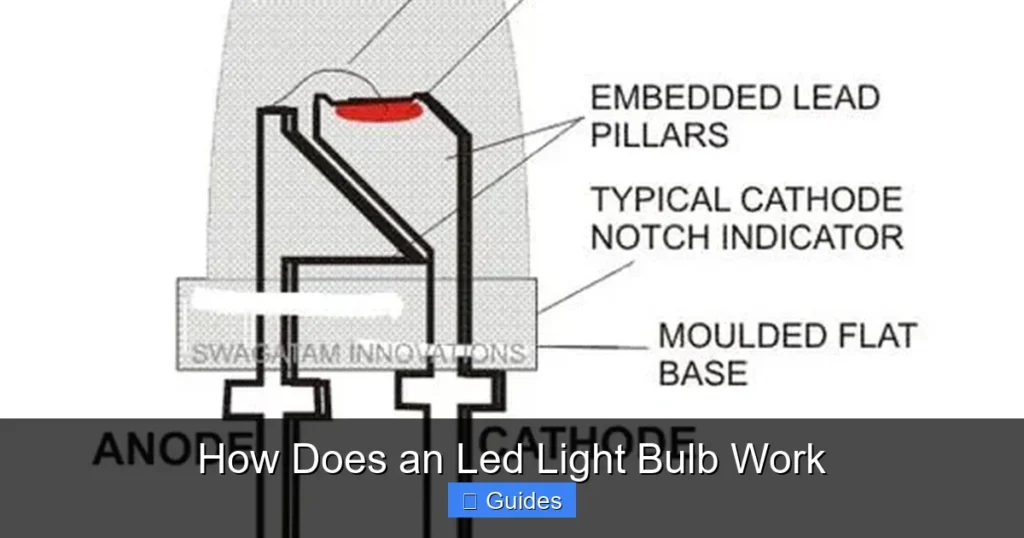
An LED (Light Emitting Diode) light bulb illuminates when electric current passes through a semiconductor diode, causing electrons to recombine with holes and release energy as photons, or light. This innovative process generates light incredibly efficiently with minimal heat, making LEDs exceptionally energy-saving and durable compared to traditional incandescent bulbs. Their compact, robust design and superior lifespan have revolutionized modern lighting.
This is a comprehensive guide about how does an led light bulb work.
Key Takeaways
- LEDs use semiconductors to convert electricity directly into visible light.
- An LED driver is essential for converting AC power to DC and regulating current.
- Light emits when electrons and holes recombine at the semiconductor junction.
- Heat sinks are crucial; they manage heat, ensuring the bulb’s longevity and performance.
- LEDs are highly efficient, producing light with minimal energy lost as heat.
- The semiconductor material dictates the specific color of light produced by the LED.
Quick Answers to Common Questions
What makes an LED light bulb glow?
An LED light bulb works by passing electricity through a semiconductor material, causing electrons to release energy as photons. This process, called electroluminescence, generates light incredibly efficiently without a traditional filament.
Why are LED light bulbs so energy-efficient?
Unlike old incandescent bulbs that waste most energy as heat, an LED light bulb is highly efficient because nearly all the electricity consumed is converted directly into light, not wasted warmth.
Do LED light bulbs get hot?
While they produce significantly less heat than traditional bulbs, an LED light bulb does generate some warmth. This is why they often include a heat sink to dissipate any heat away from the sensitive internal components, prolonging their life.
How can an LED light bulb last for so long?
An LED light bulb boasts an impressive lifespan because it’s a solid-state device with no fragile filament to burn out. The light-emitting diodes themselves are extremely durable and robust, contributing to years of reliable illumination.
What exactly is inside an LED light bulb?
Inside an LED light bulb, you’ll find the actual light-emitting diodes, a driver circuit to convert your home’s current, and usually a heat sink to manage temperature, all protected by a diffuser that spreads the light evenly.
🎥 Related Video: How Does a Light Bulb Work?
📺 ScienceABC II
Have you ever wondered what happens inside a light bulb when you flip the switch? The incandescent bulb, first patented by …
Frequently Asked Questions
How does an LED light bulb actually work?
An LED light bulb works by using Light Emitting Diodes (LEDs), which are semiconductor devices. When an electric current passes through the semiconductor material in the LED, it causes electrons to combine with “holes,” releasing energy in the form of photons, which is visible light.
Why are LED light bulbs considered energy-efficient?
LED light bulbs are highly energy-efficient because they convert a much larger percentage of electrical energy directly into light, compared to traditional incandescent bulbs that waste most energy as heat. This efficient conversion means they require significantly less power to produce the same amount of brightness.
How is an LED light bulb different from a traditional incandescent bulb?
The fundamental difference is their light production method. An LED light bulb uses semiconductors to produce light through electroluminescence, while an incandescent bulb creates light by heating a filament until it glows white-hot. This makes LEDs cooler, more durable, and much more efficient.
What components are inside an LED light bulb besides the LEDs themselves?
Beyond the individual LED chips, an LED light bulb typically includes a driver circuit to regulate the current and voltage, ensuring stable operation. It also features a heat sink to dissipate heat and prevent overheating, along with a diffuser lens to spread the light evenly.
Why do LED light bulbs last so much longer than other types of bulbs?
LED light bulbs have a longer lifespan primarily because they don’t rely on a filament that can burn out or break, unlike incandescent bulbs. They are solid-state devices, meaning they have no moving parts and are less susceptible to shock or vibration, contributing to their remarkable durability.
How do LED light bulbs produce white light?
Many LED light bulbs achieve white light by using blue LEDs coated with a phosphor material. When the blue light hits the phosphor, it fluoresces, emitting yellow light which, when combined with the remaining blue light, appears white to the human eye. Other methods include combining red, green, and blue LEDs.
