


As an Amazon Associate, We earn from qualifying purchases.
Installing a UV light in your HVAC system can significantly improve indoor air quality by neutralizing airborne pathogens and allergens. The total cost typically ranges from $350 to $1,200 for professional installation, largely depending on the type of UV system, labor rates, and the complexity of your HVAC unit. While DIY can save on labor, professional installation ensures proper placement and optimal performance for maximum air purification benefits.
Ever wonder about the air you breathe inside your own home? For many of us, concerns about indoor air quality have grown significantly. We spend a huge chunk of our lives indoors, and the air circulating through our heating, ventilation, and air conditioning (HVAC) systems can carry a lot more than just temperature-controlled comfort. Think allergens, mold spores, bacteria, and even viruses.
This is where UV light technology steps in as a powerful ally. Installing a UV light in your HVAC system has become an increasingly popular solution for homeowners looking to elevate their indoor air quality. But as with any home improvement or upgrade, one of the first questions that comes to mind is often: “How much does it cost to install UV light in HVAC?” It’s a fair question, and understanding the financial commitment is key to making an informed decision for your home and your health.
Key Takeaways
- Cost Range: Expect to pay between $350 and $1,200 for professional installation of a UV light in your HVAC system, with DIY options starting from $100-$400 for the unit itself.
- Factors Affecting Price: Key cost drivers include the type of UV light (coil sterilization vs. air stream), brand quality, installation complexity, labor rates, and whether it’s a single or dual-bulb system.
- DIY vs. Professional: While DIY installation of some UV lights is possible, professional installation is recommended for optimal performance, warranty validity, and safety, especially with more complex systems.
- Ongoing Costs: UV bulbs typically need replacement every 9-12 months, costing $40-$150 per bulb. There’s also minimal energy consumption to consider.
- Benefits Justify Cost: Investing in a UV light for your HVAC can lead to improved indoor air quality, reduced allergens and pathogens, better HVAC efficiency, and potential health benefits, especially for those with allergies or respiratory issues.
- Types of UV Lights: Understand the difference between coil sterilization UV lights (which keep coils clean) and air stream purification UV lights (which target airborne contaminants throughout the ductwork) as they serve different primary purposes and can affect pricing.
Quick Answers to Common Questions
How much does it typically cost to install UV light in HVAC professionally?
Professionally installing a UV light in an HVAC system generally costs between $350 and $1,200, including the unit and labor.
What are the main factors that affect the installation cost?
Key factors include the type of UV light (coil sterilization vs. air stream), brand quality, system complexity, and local labor rates.
Can I install a UV light in my HVAC system myself to save money?
Yes, DIY installation is possible for some basic units, with unit costs ranging from $100-$600. However, professional installation is recommended for safety, optimal performance, and warranty validity.
Are there ongoing costs associated with HVAC UV lights?
Yes, the main ongoing cost is bulb replacement, typically every 9-12 months, costing $40-$150 per bulb. There’s also a small increase in electricity usage, usually $50-$100 annually.
Is installing a UV light in my HVAC system worth the investment?
For many, yes. Benefits include improved indoor air quality, reduced allergens and pathogens, better HVAC efficiency, and potentially fewer allergy or respiratory issues, making it a valuable investment for health and home maintenance.
📑 Table of Contents
- Understanding HVAC UV Lights: What They Are and How They Work
- Factors Influencing the Cost to Install UV Light in HVAC
- Average Cost Breakdown: DIY vs. Professional Installation
- Ongoing Costs and Maintenance of HVAC UV Lights
- Is It Worth the Investment? Benefits vs. Costs
- Choosing the Right UV System and Installer
- Conclusion
Understanding HVAC UV Lights: What They Are and How They Work
Before we dive into the dollars and cents, let’s briefly touch upon what these systems are and what they do. HVAC UV lights, also known as germicidal UV-C lights, are designed to kill or deactivate microorganisms like mold, bacteria, and viruses as they pass through or accumulate within your HVAC system. They use a specific wavelength of ultraviolet light (UV-C) that is highly effective at disrupting the DNA and RNA of these contaminants, rendering them harmless.
Types of UV Lights for HVAC Systems
Not all UV lights are created equal, and understanding the different types is crucial because it directly impacts the cost to install UV light in HVAC. Generally, there are two main categories:
- Coil Sterilization UV Lights (Surface Purification): These are usually installed near the evaporator coil within your air handler. The coil is a notoriously damp and dark place, making it a perfect breeding ground for mold and mildew. A coil sterilization UV light constantly bathes the coil in UV-C light, preventing microbial growth, keeping the coil clean, and improving system efficiency. This type primarily prevents mold and bacterial buildup on the coil itself.
- Air Stream Purification UV Lights (Air Purification): These systems are installed in the return air duct or supply air plenum, where air actively circulates. As air passes through the UV-C light, airborne contaminants are exposed and neutralized. This type aims to clean the air throughout your entire home, targeting pathogens directly in the airflow.
Some advanced systems combine both approaches, offering comprehensive protection. The choice between these types will be a significant factor in determining how much it costs to install UV light in HVAC for your specific needs.
Factors Influencing the Cost to Install UV Light in HVAC
The price tag for installing a UV light in your HVAC system isn’t a one-size-fits-all number. Several factors play a significant role in dictating the final cost. Let’s break them down:
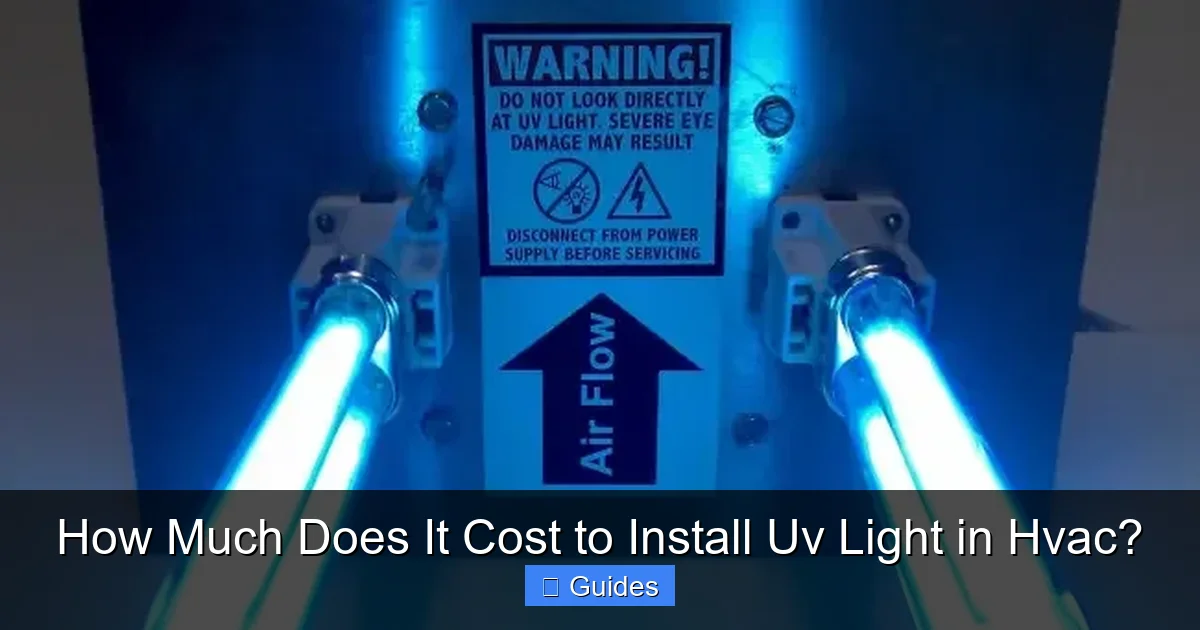
Visual guide about How Much Does It Cost to Install Uv Light in Hvac?
Image source: allcoasthomeinspections.com
Type and Brand of UV Light System
As mentioned, the type of UV light (coil sterilization vs. air stream) will affect the price. Air stream purifiers are often more complex and can be pricier. Beyond that, different brands offer varying levels of quality, features, and warranties. Premium brands might use more durable materials, offer longer bulb life, or include advanced features like indicator lights or safety switches, all of which contribute to a higher upfront cost for the unit itself. For instance, a basic single-bulb coil sterilizer might cost $100-$250, while a high-end dual-bulb air stream purifier could be $300-$600 or more for just the unit.
Single vs. Dual Bulb Systems
Some HVAC UV light systems use a single bulb, while others employ two or more. Dual-bulb systems often offer greater UV intensity and coverage, making them more effective, especially in larger or more complex HVAC units. Naturally, a system with more bulbs will have a higher purchase price and potentially higher ongoing bulb replacement costs.
System Complexity and Installation Location
The ease of access to your HVAC system and the specific location where the UV light needs to be installed can influence labor costs. If the technician has to work in a cramped attic, a tight crawl space, or navigate existing ductwork, the installation time—and thus the labor cost—will increase. Also, some systems might require minor modifications to your ductwork for proper installation, which adds to the complexity and expense.
Labor Costs and Geographic Location
Labor rates for HVAC technicians vary significantly by region and even by specific companies within the same area. Technicians in metropolitan areas or regions with a higher cost of living generally charge more per hour than those in rural areas. The experience and expertise of the technician can also influence their hourly rate. Expect labor to be a substantial portion of the total cost to install UV light in HVAC professionally.
Additional Features and Warranty
Some UV light systems come with extra features that enhance safety or convenience, such as:
- Safety Interlock Switches: These automatically turn off the UV light if the access panel is opened, protecting eyes from harmful UV-C exposure.
- UV Indicator Lights: These let you know the bulb is functioning correctly without needing to open the unit.
- Extended Warranties: While not a direct cost of installation, a longer warranty period can offer peace of mind and protect your investment, often coming with a slightly higher initial price.
These features, while beneficial, can add to the overall price when you install UV light in your HVAC.
Average Cost Breakdown: DIY vs. Professional Installation
When considering how much it costs to install UV light in HVAC, you generally have two paths: doing it yourself or hiring a professional. Each has its own cost implications and benefits.
DIY Installation Costs
If you’re handy and comfortable working with electrical components and inside your HVAC system, a DIY installation can save you a significant amount on labor.
- UV Light Unit Cost: For a basic single-bulb coil sterilization unit, you might pay anywhere from $100 to $250. More advanced air stream purifiers or dual-bulb systems could run from $250 to $600+.
- Tools: You’ll likely need basic tools like a drill, screwdriver, wire cutters, and possibly safety glasses and gloves. If you don’t have these, factor in their cost.
- Time: Your time is also a cost, even if it’s not monetary. A DIY installation can take anywhere from 1-4 hours, depending on your experience and the system’s complexity.
Total DIY Cost Estimate: $100 – $600+ (for the unit alone).
Pros of DIY: Saves on labor costs, immediate satisfaction.
Cons of DIY: Risk of improper installation, potential damage to HVAC system, voiding warranty, no professional advice, safety risks from UV-C light exposure or electrical work.
Professional Installation Costs
Hiring a qualified HVAC technician to install UV light in HVAC ensures the job is done correctly, safely, and efficiently.
- UV Light Unit Cost: Professionals often source higher-quality, commercial-grade units, so the unit cost might be slightly higher than what you find online for DIY. Expect $150 – $700+ for the unit.
- Labor Costs: This is the primary additional cost. Labor typically ranges from $150 to $500, depending on the factors discussed above (geographic location, complexity, technician experience).
- Diagnostic/Consultation Fees: Some companies might charge a small fee for an initial assessment, though this is often waived if you proceed with the installation.
- Warranty: Professional installation often comes with a warranty on both the unit and the labor, offering peace of mind.
Total Professional Installation Cost Estimate: $350 – $1,200+.
Pros of Professional Installation: Correct and safe installation, optimal placement for efficiency, preserves HVAC warranty, professional advice, peace of mind, often includes labor warranty.
Cons of Professional Installation: Higher upfront cost due to labor.
For most homeowners, especially those unfamiliar with HVAC systems or electrical work, professional installation is the recommended route to ensure safety and effectiveness. It’s often worth the extra investment to properly install UV light in HVAC and get the maximum benefit.
Ongoing Costs and Maintenance of HVAC UV Lights
The initial cost to install UV light in HVAC isn’t the only financial consideration. There are ongoing costs associated with owning and maintaining these systems.
UV Bulb Replacement
UV-C bulbs, like regular light bulbs, have a finite lifespan. Their germicidal effectiveness diminishes over time, even if they still appear to be lit. Most manufacturers recommend replacing UV bulbs every 9 to 12 months for optimal performance.
- Cost of Replacement Bulbs: A single replacement bulb typically costs between $40 and $150, depending on the brand, type, and wattage. Some specialized or dual-bulb systems will have higher replacement costs.
This is a recurring annual expense you should factor into your budget when you decide to install UV light in HVAC.
Energy Consumption
UV lights operate continuously when your HVAC system is running (and often even when it’s not, to maintain coil cleanliness). However, their energy consumption is relatively low. Most HVAC UV lights use about 30-80 watts, which is comparable to a standard light bulb.
- Estimated Annual Energy Cost: On average, expect to add an extra $50-$100 per year to your electricity bill, though this can vary based on local electricity rates and the specific wattage of your UV light. This is a small price to pay for cleaner air and a cleaner HVAC system.
Maintenance Tips
Beyond bulb replacement, UV light systems require minimal maintenance:
- Keep the Bulb Clean: Periodically wipe down the UV bulb with a clean, lint-free cloth to remove any dust or debris that might impede UV-C transmission. Always turn off the power to the unit before handling the bulb.
- Check for Indicator Lights: Many units have an indicator light that tells you if the bulb is working. Keep an eye on it.
- Professional Checks: During your annual HVAC maintenance, your technician can also inspect your UV light system to ensure it’s functioning correctly.
Is It Worth the Investment? Benefits vs. Costs
Now that we’ve thoroughly covered how much it costs to install UV light in HVAC, the big question remains: Is it worth it? For many homeowners, the benefits significantly outweigh the costs.
Improved Indoor Air Quality
This is arguably the primary benefit. UV lights actively neutralize airborne pathogens, reducing the concentration of mold spores, bacteria, viruses, and allergens in your home’s air. This is particularly beneficial for:
- Allergy and Asthma Sufferers: By reducing triggers in the air, UV lights can help alleviate symptoms.
- Homes with Pets: Pet dander and associated bacteria can be reduced.
- Households with Infants, Elderly, or Immunocompromised Individuals: A cleaner air environment can reduce exposure to illness-causing microbes.
- Humid Climates: Where mold and mildew are a constant battle, UV lights can be a game-changer.
Enhanced HVAC System Efficiency and Longevity
Coil sterilization UV lights prevent mold and biofilm from growing on the evaporator coil. This buildup can act as an insulator, making your HVAC system work harder to cool or heat your home. A clean coil means:
- Better Heat Transfer: Your system operates more efficiently.
- Reduced Energy Bills: Because the system isn’t struggling, it consumes less energy.
- Extended Lifespan of HVAC System: Less strain on components means less wear and tear over time.
- Reduced Maintenance Needs: Fewer costly coil cleaning services might be needed.
Odor Reduction
By eliminating mold and bacteria that often cause musty odors, especially in older homes or homes with ductwork issues, UV lights can contribute to a fresher smelling home environment.
Peace of Mind
Knowing you’ve taken an active step to protect your family’s health by ensuring cleaner air can provide invaluable peace of mind. The ability to mitigate airborne threats is a significant advantage in today’s world.
Considering these benefits, the investment to install UV light in HVAC can be seen as a long-term strategy for both health and home maintenance. While the upfront and ongoing costs are factors, the potential for better health, reduced energy bills, and a longer-lasting HVAC system often makes it a wise decision.
Choosing the Right UV System and Installer
If you’ve decided the benefits are compelling enough to install UV light in HVAC, the next step is choosing the right system and finding a qualified installer.
Selecting the Right UV System
Consider your primary concerns:
- Mold on Coils? A coil sterilization unit is your best bet.
- Allergies/Viruses in Air? An air stream purification unit will be more effective.
- Both? Look for a comprehensive system that addresses both aspects.
- HVAC Size: Ensure the UV light system is appropriately sized for your HVAC unit’s capacity and ductwork.
- Features: Decide if features like safety switches or indicator lights are important to you.
- Brand Reputation: Research reputable brands known for quality and reliability.
Finding a Reputable Installer
This is crucial for ensuring your investment pays off. Look for:
- Licensed and Insured: Always ensure the company and technicians are properly licensed and insured.
- Experience: Choose an HVAC company with specific experience in installing and servicing UV light systems.
- Good Reviews: Check online reviews and ask for references.
- Multiple Quotes: Get quotes from at least three different companies. This will give you a good benchmark for fair pricing and allow you to compare services and recommendations.
- Clear Explanation: A good technician will clearly explain the different types of UV lights, recommend the best option for your home, and detail the installation process and costs.
Conclusion
Deciding to install UV light in HVAC is a significant step towards improving your home’s indoor air quality and enhancing your HVAC system’s longevity. While the initial cost to install UV light in HVAC can range from $350 to $1,200 for professional installation (with lower DIY options available), and there are ongoing costs for bulb replacement and minimal energy use, the benefits are substantial.
From neutralizing harmful pathogens and reducing allergens to improving HVAC efficiency and extending its life, a UV light system offers a compelling return on investment for your health and your home. By understanding the factors that influence costs, considering your specific needs, and choosing a reputable installer, you can make an informed decision and breathe a little easier knowing your home’s air is cleaner and healthier. Don’t hesitate to reach out to local HVAC professionals for personalized quotes and recommendations tailored to your unique situation.
🎥 Related Video: HVAC Tip on UV Lights! (Location Matters!)
📺 HVAC Guide for Homeowners
In this video, Joshua Griffin goes through an overview of HVAC UV lights and where they should be located in an HVAC system.
Frequently Asked Questions
How long do UV bulbs typically last in an HVAC system?
Most UV-C bulbs designed for HVAC systems have a lifespan of 9 to 12 months. After this period, their germicidal effectiveness significantly diminishes, even if they still emit visible light, so annual replacement is crucial for continuous air purification.
Will a UV light in my HVAC system kill all mold and bacteria?
UV lights are highly effective at killing and deactivating mold spores, bacteria, and viruses that are exposed to the UV-C light. While they significantly reduce microbial growth on coils and in the airstream, they cannot sterilize every surface or completely eliminate every single particle in your entire home.
Does a UV light consume a lot of electricity?
No, HVAC UV lights are quite energy-efficient. Most units use between 30 to 80 watts of electricity, comparable to a standard incandescent light bulb. This translates to a relatively low annual operating cost, typically around $50 to $100.
Can a UV light damage my HVAC system?
When properly installed, a UV light will not damage your HVAC system. In fact, coil sterilization UV lights can extend the life of your evaporator coil by preventing mold and biofilm buildup, leading to better efficiency and reducing the need for harsh chemical coil cleanings.
Do UV lights in HVAC systems produce ozone?
Most modern germicidal UV-C lights designed for HVAC systems are specifically engineered to produce UV-C light without generating harmful ozone. When choosing a unit, look for “ozone-free” or “low ozone” specifications to ensure it meets safety standards.
How often should I have my HVAC UV light system inspected?
It’s a good idea to have your UV light system checked annually by an HVAC technician, ideally during your regular HVAC maintenance appointment. They can ensure the unit is functioning correctly, the bulb is effectively sterilizing, and that there are no issues with the electrical connections or placement.
