


As an Amazon Associate, We earn from qualifying purchases.
Becoming a tower light bulb changer is a unique, high-demand career path for those who thrive on challenges and aren’t afraid of heights. This essential role ensures the safety of air traffic by maintaining crucial aviation obstruction lighting. It requires rigorous training, strong physical fitness, and an unwavering commitment to safety protocols, offering a rewarding experience for the right individuals.
Ever looked up at those massive communication towers, stretching hundreds or even thousands of feet into the sky, blinking with red and white lights, and wondered, “Who changes those bulbs when they go out?” If that thought has ever crossed your mind, you’re not alone! It’s a job that sounds straight out of a movie, a unique blend of adventure, technical skill, and sheer bravery. And guess what? It’s a real, vital profession with a constant demand for skilled individuals.
Becoming a tower light bulb changer isn’t your average 9-to-5 desk job. It’s a calling for those who aren’t just comfortable with heights, but thrive on the challenge they present. These intrepid professionals are the unsung heroes of aviation safety, ensuring that the warning lights on cell towers, broadcast antennas, and other tall structures are always functioning perfectly. Without these lights, aircraft wouldn’t be able to safely navigate, especially during low visibility or at night. If you’re looking for a career that’s far from ordinary, offers incredible views, and genuinely makes a difference, then learning how to become a tower light bulb changer might be your next big adventure.
What Exactly Does a Tower Light Bulb Changer Do?
At its core, the job of a tower light bulb changer involves ascending incredibly tall structures to maintain, repair, and replace the obstruction lighting systems that warn aircraft of the tower’s presence. But it’s so much more than just swapping out a bulb!
More Than Just Bulbs: A Multifaceted Role
While the name “tower light bulb changer” might imply a simple task, the reality is far more complex and involves a wide range of responsibilities:
- Routine Inspections: Technicians regularly inspect the entire lighting system, including wiring, conduits, control boxes, and light fixtures, for wear, damage, or malfunction.
- Bulb Replacement: Yes, changing bulbs is a primary task, but it often involves specialized, high-wattage LED or strobe lights, not just standard incandescent bulbs. These can be heavy and require specific handling.
- System Diagnostics and Repair: When a light system fails, it’s the technician’s job to troubleshoot the problem. This could involve electrical testing, identifying faulty components, and performing intricate repairs at significant heights.
- Installation of New Equipment: Sometimes, new lighting systems or upgrades are required, meaning the technician will install entire new setups, running wires, and mounting fixtures.
- Adherence to FAA Regulations: All tower lighting must comply with strict Federal Aviation Administration (FAA) guidelines. Technicians must be intimately familiar with these rules to ensure towers are always compliant.
- Documentation: After every job, detailed reports are filed, noting the work performed, any issues found, and the condition of the lighting system.
Essentially, a tower light bulb changer is a specialized tower technician with a focus on lighting, but they often possess the skills to assist with other tower maintenance tasks, from antenna work to structural inspections. It’s a demanding but incredibly rewarding job that keeps you physically active and mentally engaged.
The Essential Skills and Qualities You’ll Need
Before you even think about climbing your first tower, it’s crucial to understand the foundational skills and personal attributes that define a successful tower light bulb changer. This isn’t a job for everyone, and self-assessment is key.
Physical and Mental Fortitude
- No Fear of Heights (Seriously!): This is non-negotiable. You will be hundreds, sometimes thousands, of feet in the air, often with nothing but open space around you. Vertigo, even mild, can be extremely dangerous.
- Exceptional Physical Fitness: Climbing a 1,000-foot tower carrying tools and equipment is an arduous workout. You’ll need strong arms, legs, core, and excellent cardiovascular endurance. Regular strength training and cardio are essential.
- Excellent Balance and Coordination: Navigating narrow platforms, climbing ladders, and moving around guy wires at extreme heights demands impeccable balance and coordination.
- Mental Toughness and Focus: The environment can be stressful – wind, weather, isolation. You need to maintain focus, make critical decisions, and remain calm under pressure.
Technical Aptitude and Problem-Solving
- Mechanical Aptitude: Understanding how tools work, disassembling and reassembling components, and basic troubleshooting are vital.
- Electrical Knowledge: Since you’ll be working with lighting systems, a basic understanding of electricity, circuits, and wiring is a must. Many light systems are complex, involving sensors and control panels.
- Problem-Solving Skills: When a light isn’t working, you need to diagnose the issue logically and efficiently, often with limited resources at extreme heights.
- Attention to Detail: Missing a loose bolt, a frayed wire, or an improperly secured harness could have dire consequences. Meticulous attention to detail is paramount.
Safety and Communication
- Unwavering Commitment to Safety: This cannot be stressed enough. Every action, every tool check, every harness clip is a matter of life and death. Safety protocols are absolute.
- Ability to Work Independently and as Part of a Team: While much of the work is independent, communication with a ground crew or fellow climbers is crucial for safety and efficiency.
- Good Communication Skills: Clear, concise communication, especially over two-way radios, is vital for coordinating tasks and ensuring everyone’s safety.
If you genuinely possess these qualities, then you’re starting on the right foot to become a successful tower light bulb changer.
Education, Training, and Certifications
Unlike some professions that require extensive university degrees, becoming a tower light bulb changer emphasizes practical training, certifications, and hands-on experience. While a high school diploma or GED is usually the minimum educational requirement, specialized training is where you’ll really build your career.
Foundational Education
- High School Diploma or GED: This is generally the baseline. Courses in shop, electronics, or even physics can provide a useful foundation.
- Trade School or Community College (Optional but Recommended): Some aspiring tower technicians pursue degrees or certificates in electronics, electrical systems, or even welding. While not strictly required to become a tower light bulb changer, these can give you a significant advantage and broaden your skill set.
Crucial Certifications and Training
This is where the rubber meets the road. Before you can legally and safely work on a tower, you’ll need a range of specialized certifications. Many companies will provide or pay for this training, especially for new hires, but having some beforehand can make you a more attractive candidate.
- Fall Protection and Rescue Training: Absolutely mandatory. This comprehensive training teaches you how to properly use harnesses, lanyards, and other personal fall arrest systems. It also covers self-rescue techniques and how to rescue a fallen colleague. This is often an intensive multi-day course.
- OSHA 10 or OSHA 30 Construction Safety: Occupational Safety and Health Administration (OSHA) certifications are widely recognized and often required in construction and industrial settings. They cover general safety practices, hazard recognition, and workers’ rights.
- RF (Radio Frequency) Awareness & Safety: Towers are full of powerful antennas emitting radio frequencies. This training teaches you about the dangers of RF exposure and how to work safely around active antennas.
- CPR and First Aid: In remote locations or high-stress situations, knowing how to administer CPR and basic first aid can be life-saving.
- Electrical Safety: Specific training on Lockout/Tagout procedures and safe electrical work practices.
- Rigging and Lifting: Understanding how to safely lift and lower tools and equipment using ropes and pulleys.
- Tower Climbing Certification: Many specialized training centers offer comprehensive tower climbing courses that cover all aspects of tower safety, climbing techniques, and practical skills. These are highly recommended.
Remember, these certifications aren’t just bureaucratic hurdles; they are critical skills that protect your life and the lives of your colleagues. Staying current with refresher courses is also vital, as safety standards and equipment evolve.
Gaining Experience and Finding Your First Job
Once you have the necessary physical attributes and have started accumulating your certifications, the next step is to gain practical experience. This industry values hands-on learning, and there are several paths to getting your foot in the door as an aspiring tower light bulb changer.
Entry-Level Roles and Apprenticeships
- Ground Hand/Tower Hand: This is the most common entry point. As a ground hand, you’ll assist experienced tower technicians from the ground. Your responsibilities will include organizing tools, prepping equipment, maintaining a safe work zone, and learning the ropes (literally) by observing and assisting. This role is crucial for understanding site logistics, safety protocols, and the pace of tower work.
- Apprenticeships: Some larger tower companies offer formal apprenticeship programs. These programs combine classroom instruction with paid on-the-job training, allowing you to learn from seasoned professionals and gradually take on more responsibility, eventually becoming a tower light bulb changer.
- Helper or Technician Assistant: Similar to a ground hand, but you might get more opportunities to ascend shorter structures or assist directly on the tower under close supervision.
Where to Look for Opportunities
- Specialized Job Boards: Websites like Indeed, LinkedIn, and even industry-specific boards for telecommunications or construction will list positions for “Tower Hand,” “Tower Technician,” “Cell Tower Climber,” or “Lighting Technician.”
- Directly Contacting Tower Companies: Many companies that build, maintain, or service communication towers are always looking for new talent. Search online for “tower construction,” “tower maintenance,” or “telecom infrastructure companies” in your region and check their careers pages.
- Networking: Attend industry events (if applicable and accessible) or reach out to people already in the field. Personal recommendations can be very powerful.
- Staffing Agencies: Some agencies specialize in placing skilled tradespeople, including tower technicians.
When applying, emphasize your physical fitness, lack of fear of heights, commitment to safety, and any relevant certifications you’ve already obtained. Show your eagerness to learn and grow within the industry. Your first step to becoming a tower light bulb changer might be working on the ground, but it’s an invaluable foundation.
The Tools of the Trade and Safety Protocols
Working hundreds of feet in the air requires not only skill but also specialized equipment and an unwavering dedication to safety. The tools and protocols are designed to minimize risk in an inherently dangerous environment.
Essential Gear for a Tower Light Bulb Changer
- Personal Protective Equipment (PPE):
- Full-Body Harness: Your lifeline. It must fit perfectly and be inspected before every climb.
- Lanyards and Self-Retracting Lifelines (SRLs): Connect you to the tower’s safety system, arresting a fall if it occurs.
- Hard Hat: Protects against falling objects and impacts.
- Safety Glasses: Protects eyes from debris, glare, and sparks.
- Work Gloves: Provides grip and protects hands from rough surfaces and extreme temperatures.
- Steel-Toed Boots: Protects feet from falling objects and provides good grip.
- Climbing Equipment:
- Climbing Belts/Positioning Lanyards: Used to position yourself comfortably for hands-free work.
- Carabiners and Connectors: Heavy-duty clips for attaching gear and safety lines.
- Ropes and Rigging Gear: For hauling tools and equipment up and down the tower.
- Tools:
- Basic Hand Tools: Wrenches, screwdrivers, pliers, wire strippers.
- Electrical Testing Equipment: Multimeters, voltage testers.
- Specialized Light Replacement Tools: Specific tools may be required for certain types of bulb housings or fixtures.
- Headlamps/Work Lights: For working in low light conditions or at night.
- Two-Way Radios: Essential for communication with ground crew and other climbers.
Strict Safety Protocols
Every tower company operates under stringent safety rules, often exceeding regulatory requirements. As a tower light bulb changer, you’ll live and breathe these protocols:
- 100% Tie-Off: This golden rule means you are always connected to the tower with at least one lanyard at all times when off the ground. No exceptions.
- Pre-Climb Inspections: Before every ascent, all PPE, tools, and the tower structure itself must be thoroughly inspected.
- Job Safety Analysis (JSA): A detailed plan outlining all potential hazards of a job and the steps to mitigate them.
- Weather Monitoring: High winds, lightning, ice, or extreme temperatures can make climbing incredibly dangerous. Work is often paused or canceled in adverse weather.
- Ground Crew Vigilance: The ground crew plays a crucial role in monitoring the climber, managing tools, and ensuring a safe zone below the tower.
- Emergency Preparedness: Knowing emergency procedures, including rescue plans, is vital for every team member.
Working as a tower light bulb changer is a high-risk job, but when proper safety procedures are followed meticulously, the risks are significantly minimized. It’s a testament to the professionalism and discipline within the industry.
Career Progression and What to Expect
So, you’ve learned how to become a tower light bulb changer – what’s next? This career offers a clear path for advancement, competitive pay, and a truly unique working environment.
Salary and Benefits
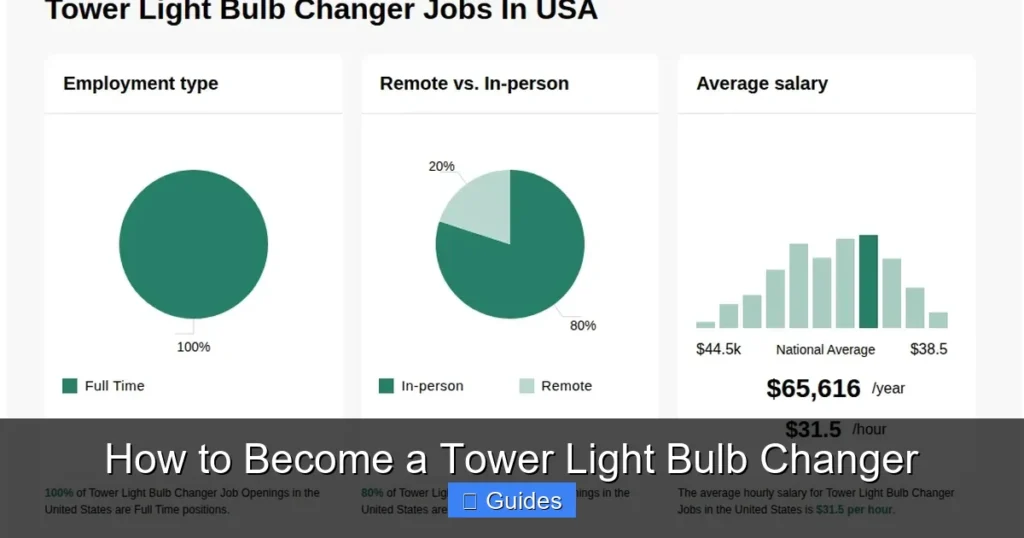
Due to the specialized skills, inherent risks, and demanding nature of the job, tower light bulb changers and tower technicians are well-compensated. Entry-level ground hands might start around $35,000 – $45,000 annually. As you gain experience and certifications, becoming a lead tower technician or a specialized tower light bulb changer, salaries can range from $50,000 to $80,000 or even higher for experienced team leads or foremen. Many companies also offer comprehensive benefits packages, including health insurance, retirement plans, and per diem for travel.
Career Advancement
The path isn’t just about changing bulbs forever. Here’s how you can grow:
- Lead Technician/Foreman: With experience, you can lead your own crew, overseeing projects, ensuring safety, and mentoring newer technicians.
- Project Manager: Move into a management role, planning tower projects, coordinating resources, and handling client relationships.
- Safety Trainer/Coordinator: Leverage your extensive field experience to teach others about tower safety and compliance.
- Specialized Roles: Focus on specific areas like microwave dish alignment, fiber optic installation, or advanced troubleshooting.
The Upsides and Downsides
Every job has its pros and cons, and being a tower light bulb changer is no exception:
Pros:
- Excellent Pay: Among the highest-paying skilled trades for the experience required.
- High Demand: The telecommunications industry is constantly expanding, ensuring job security.
- Unique Experience: Few jobs offer such breathtaking views or a sense of accomplishment.
- Physical Activity: If you love being active, this job keeps you fit.
- Travel Opportunities: Many tower crews travel regionally or nationally for projects.
Cons:
- Dangerous: Despite safety protocols, it remains one of the most hazardous jobs.
- Demanding Physicality: Can be physically exhausting.
- Weather Dependent: Work can be delayed or canceled due to adverse weather, impacting schedules.
- Time Away from Home: Travel often means extended periods away from family.
- Isolation: Working at heights can be solitary, and sites can be remote.
Ultimately, a career as a tower light bulb changer is not for the faint of heart, but for those who embrace its unique challenges, it offers a deeply satisfying and financially rewarding journey.
Conclusion
Becoming a tower light bulb changer is a path less traveled, an extraordinary career choice for individuals who possess a rare combination of physical prowess, mental resilience, and an unwavering commitment to safety. It’s a job that literally puts you at the pinnacle of infrastructure, contributing directly to the safety of our skies and the seamless flow of modern communication. From meticulously inspecting crucial aviation obstruction lights to troubleshooting complex electrical systems hundreds of feet above the ground, every day presents a new challenge and an unparalleled view.
If the thought of working high above the world, making a tangible difference, and earning a robust living excites you, then start your journey today. Invest in the right training, embrace the rigorous safety protocols, and commit to continuous learning. The demand for skilled tower light bulb changers and tower technicians is only growing, making this an excellent time to climb into a career that truly stands tall above the rest. Are you ready to take the leap?
Key Takeaways
- Essential Role: Tower light bulb changers play a critical part in aviation safety by maintaining obstruction lighting on communication and broadcast towers, preventing aircraft collisions.
- Demanding Requirements: The job demands exceptional physical fitness, mental fortitude, and a complete lack of fear of heights, as it involves climbing hundreds or even thousands of feet.
- Mandatory Training & Certifications: Extensive safety training, including fall protection, OSHA certifications, RF safety, and CPR/First Aid, is non-negotiable before working on towers.
- Specialized Skill Set: Beyond climbing, technicians need mechanical and electrical aptitude, problem-solving skills, and a meticulous attention to detail to diagnose and repair issues.
- High Compensation & Demand: Due to the specialized nature, inherent risks, and high demand for skilled professionals, tower light bulb changers often command excellent salaries and benefits.
- Commitment to Safety: Every aspect of the job is governed by strict safety protocols; adherence to these guidelines is paramount for personal and team well-being.
- Unique Career Path: It’s not just a job; it’s a lifestyle that offers incredible views, constant challenges, and the satisfaction of contributing to critical infrastructure.
Quick Answers to Common Questions
Is a college degree required to become a tower light bulb changer?
No, a college degree is typically not required. A high school diploma or GED is usually sufficient, with the emphasis placed on specialized certifications and on-the-job training.
How dangerous is the job of a tower light bulb changer?
It is considered one of the most dangerous jobs due to working at extreme heights. However, strict safety protocols, extensive training, and proper equipment significantly mitigate these risks, making adherence to safety paramount.
What’s the typical salary for an experienced tower light bulb changer?
Experienced tower light bulb changers or lead tower technicians can earn between $50,000 to $80,000 annually or more, depending on location, experience, and the specific company.
How long does it take to get the necessary training and certifications?
Initial certifications like fall protection, OSHA, and RF safety can typically be completed within a few weeks of intensive courses. However, gaining proficiency and becoming a fully independent tower light bulb changer usually takes several months to a few years of hands-on experience.
What are some common challenges faced by tower light bulb changers?
Common challenges include working in extreme weather conditions (wind, cold, heat), extended periods away from home for projects, the sheer physical demands of climbing, and the mental stress of working at great heights.
Frequently Asked Questions
What kind of equipment do tower light bulb changers use?
Tower light bulb changers use a variety of specialized equipment including full-body harnesses, lanyards, self-retracting lifelines, hard hats, safety glasses, work gloves, steel-toed boots, various hand tools, electrical testing equipment, and two-way radios for communication.
Do I need to be good with electronics or electrical systems?
Yes, a basic understanding of electronics and electrical systems is very beneficial. You’ll be troubleshooting and repairing complex lighting systems, so familiarity with circuits, wiring, and using electrical testers is crucial for a tower light bulb changer.
How often are tower lights typically changed or serviced?
Tower lights are typically inspected regularly, often quarterly or semi-annually, with bulb changes occurring as needed when they fail. Some modern LED systems can last for many years before requiring replacement, but older systems or components might need more frequent servicing by a tower light bulb changer.
Can women become tower light bulb changers?
Absolutely! While it’s a male-dominated field, there are no gender-specific requirements. Women who possess the necessary physical fitness, mental fortitude, and commitment to safety are fully capable of becoming successful tower light bulb changers.
What are the legal requirements for aviation obstruction lights on towers?
The Federal Aviation Administration (FAA) sets strict legal requirements for aviation obstruction lighting on towers, specifying light types (e.g., steady red, flashing white), intensity, and placement based on tower height and location. Tower light bulb changers must ensure all repairs and installations meet these critical FAA standards.
Is there a high demand for tower light bulb changers?
Yes, there is a consistently high demand for skilled tower light bulb changers and tower technicians. The expansion of 5G networks, ongoing infrastructure maintenance, and the need to replace aging lighting systems ensure a steady need for qualified professionals in this field.
