


As an Amazon Associate, We earn from qualifying purchases.
UV light purifies water by using germicidal ultraviolet rays to inactivate harmful microorganisms like bacteria, viruses, and protozoa. This chemical-free disinfection process works by scrambling the DNA of these pathogens, preventing them from reproducing and rendering them harmless. It’s a safe, effective, and environmentally friendly method for ensuring water quality in homes, businesses, and municipal systems.
What Does UV Light Do to Water?
Have you ever wondered about the unseen forces that keep our world clean and safe? One of the most fascinating is ultraviolet (UV) light, an invisible part of the electromagnetic spectrum. While we often associate it with sunburns or fluorescent effects, UV light plays a crucial, life-saving role in something we all depend on daily: water purification. It’s a technology that silently works behind the scenes, transforming questionable water into a safe, drinkable resource without adding a single chemical.
Imagine being able to effectively neutralize harmful bacteria, viruses, and other nasty microorganisms in your water, all with just light. That’s precisely what UV light does to water. It’s not magic, but pure science, harnessing specific wavelengths to target the very core of these microscopic invaders. This method of disinfection has become a cornerstone of modern water treatment, offering a powerful, chemical-free alternative to traditional methods.
In this guide, we’re going to dive deep into the world of UV water treatment. We’ll explore how this remarkable technology works its magic, why it’s such a popular choice, where it’s used, and what you need to consider if you’re thinking about incorporating it into your own water purification strategy. Get ready to illuminate your understanding of how UV light makes water safe!
Key Takeaways
- Germicidal Action: UV light specifically targets and inactivates waterborne pathogens like bacteria, viruses, and cysts by damaging their DNA and RNA, preventing them from reproducing and causing illness.
- Chemical-Free Disinfection: Unlike chlorine or other chemical treatments, UV light purifies water without adding any chemicals, odors, or tastes, making it an environmentally friendly and taste-neutral option.
- Highly Effective Against Microbes: UV treatment is extremely effective against a broad spectrum of microorganisms, including chlorine-resistant ones like Giardia and Cryptosporidium, which are common concerns in water supplies.
- No Residual Protection: A key limitation of UV light is that it provides no residual disinfection; once the water passes the UV lamp, it can be re-contaminated. This means it’s often used as part of a multi-barrier treatment system.
- Requires Clear Water: For UV light to work effectively, the water must be relatively clear and free of particles (turbidity), iron, or manganese, which can shield microbes from the UV rays. Pre-filtration is almost always necessary.
- Diverse Applications: UV water disinfection is used in various settings, from whole-house systems and point-of-use filters to large-scale municipal water treatment plants, industrial processes, and even aquariums and swimming pools.
- Maintenance and Monitoring: UV systems require regular maintenance, including lamp replacement (typically annually) and sleeve cleaning, to ensure optimal performance and consistent water safety.
Quick Answers to Common Questions
How does UV light purify water without chemicals?
UV light purifies water by emitting UV-C rays that penetrate microorganisms and disrupt their DNA and RNA, preventing them from reproducing and rendering them harmless, all without adding any chemical substances.
Is UV-treated water safe to drink immediately?
Yes, water treated by a properly functioning UV system is safe to drink immediately after passing through the disinfection chamber, as the UV light rapidly inactivates pathogens.
Does UV light remove chlorine from water?
No, UV light is specifically designed to inactivate microorganisms and does not remove chlorine, sediment, chemicals, heavy metals, or improve taste and odor in water.
How often do UV lamps need to be replaced?
UV lamps typically need to be replaced annually (every 9,000 to 12,000 hours of operation) because their germicidal effectiveness diminishes over time, even if they still appear to be emitting light.
Can UV light treat all types of water?
UV light is most effective on clear, pre-filtered water. Turbidity, high levels of iron, manganese, or organic compounds can reduce its efficacy by shielding microbes or absorbing UV light, so pre-treatment is often necessary.
📑 Table of Contents
Understanding UV Light and Its Power
Before we delve into its interaction with water, let’s briefly understand what UV light actually is. It’s part of the light spectrum that is invisible to the human eye, situated beyond the violet end of visible light. The sun produces UV light, which is why we wear sunscreen! However, not all UV light is the same. It’s divided into three main categories: UV-A, UV-B, and UV-C.
The Germicidal Wavelength: UV-C
While UV-A causes skin tanning and UV-B leads to sunburns, it’s UV-C light that holds the power to disinfect. Specifically, wavelengths around 254 nanometers (nm) are known as “germicidal UV” or “germicidal irradiation.” This particular wavelength is incredibly effective at disrupting the genetic material (DNA and RNA) of microorganisms. When we talk about UV light purifying water, we are almost exclusively referring to the controlled application of UV-C light. This germicidal property is what makes UV light a game-changer for water safety.
The Core Mechanism: How UV Disinfects Water
Visual guide about What Does Uv Light Do to Water?
Image source: s7j2t6m6.rocketcdn.me
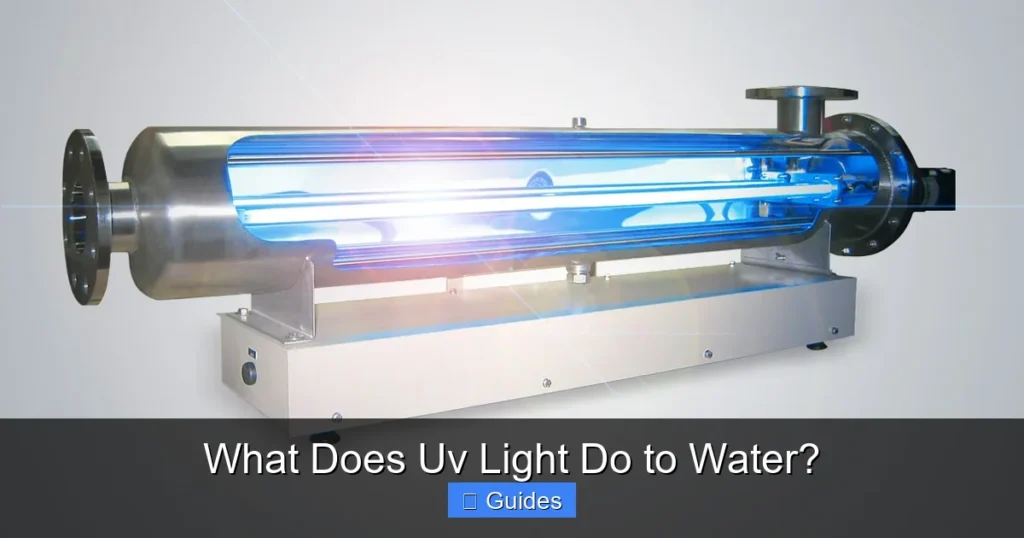
So, how exactly does this invisible light manage to clean water? It’s all about targeting the very essence of life for microorganisms: their genetic code. When water flows through a UV disinfection system, it passes through a chamber containing a special UV lamp. This lamp emits concentrated UV-C light directly into the water.
DNA Disruption and Inactivation
As the UV-C light penetrates the cell walls of bacteria, viruses, and other pathogens present in the water, it is absorbed by their DNA and RNA. This absorption causes a photolytic reaction, essentially scrambling the genetic information within the microbe. Think of it like a photocopier jamming – the UV light permanently damages the DNA structure, preventing the microorganism from being able to replicate, metabolize, or perform vital cellular functions.
Crucially, the UV light doesn’t kill the microbes in the traditional sense; it *inactivates* them. They are rendered harmless, unable to reproduce, and thus incapable of causing infection or illness. This is a subtle but important distinction. The organism is still physically present, but it poses no threat. This targeted attack on genetic material makes UV light incredibly effective against a wide range of waterborne pathogens, often with a higher success rate than chemical treatments against certain resilient microbes.
Benefits of UV Water Treatment
Using UV light to treat water offers a host of compelling advantages, making it an increasingly popular choice for various applications, from individual homes to vast municipal systems.
Chemical-Free Purity
One of the most significant benefits is its chemical-free nature. Unlike chlorination, which adds chemicals to water and can leave behind disinfection byproducts (DBPs) that may be harmful, UV disinfection introduces nothing into the water. This means no altered taste, no strange odors, and no risk of chemical residue, ensuring your water remains pure and natural.
Highly Effective Against Microorganisms
UV light is remarkably effective against a broad spectrum of waterborne pathogens. It inactivates bacteria like E. coli and Salmonella, viruses such as Hepatitis and Rotavirus, and even chlorine-resistant cysts like Giardia and Cryptosporidium. These chlorine-resistant parasites are a major concern in many water sources, and UV light provides an excellent barrier against them.
Immediate and Rapid Action
The disinfection process with UV light is almost instantaneous. As water flows through the UV chamber, it’s exposed to the germicidal light for a very short period – often just seconds – but that’s enough time to inactivate the microbes. This rapid action means there’s no need for long contact times, unlike some chemical treatments.
Safe and Environmentally Friendly
Since no chemicals are used, UV treatment is inherently safer to operate and poses no environmental risk from chemical storage or discharge. There are no hazardous materials to handle, transport, or store, making it a very green technology.
Low Maintenance and Cost-Effective Operation
Once installed, UV systems typically require minimal maintenance, usually just an annual lamp replacement and occasional cleaning of the quartz sleeve. Compared to the ongoing cost of chemicals for other disinfection methods, the operational costs of UV light systems can be quite competitive over the long term.
Applications of UV Water Treatment
The versatility and effectiveness of UV light disinfection mean it’s utilized in a vast array of settings, ensuring water quality wherever it’s needed.
Residential Water Treatment
For homeowners, UV water treatment systems provide an excellent line of defense, especially for those on private wells where water quality can vary significantly.
- Whole-House Systems: Installed at the point-of-entry to the home, a whole-house UV system disinfects all water coming into the house, providing safe water for drinking, bathing, and cooking. This gives comprehensive protection against microbial contaminants.
- Point-of-Use Filters: Smaller UV units can be integrated into under-sink filters or even some water dispensers, providing an extra layer of protection for drinking water specifically.
Municipal Water Treatment Plants
Large-scale UV systems are increasingly being adopted by cities and towns as their primary or secondary disinfection method for public water supplies. They are particularly valuable for supplementing or replacing chlorine in areas where DBPs are a concern or where chlorine-resistant pathogens need to be addressed. The ability of UV light to treat massive volumes of water efficiently is a significant advantage.
Industrial and Commercial Uses
Many industries require highly pure water for their processes, and UV light plays a crucial role.
- Food and Beverage Industry: For bottling plants, breweries, and food processing facilities, UV light ensures water used in products and for cleaning is free from pathogens, maintaining product quality and safety.
- Pharmaceutical and Cosmetic Production: These industries demand extremely high levels of water purity, and UV systems are integral for meeting stringent microbial reduction standards.
- Healthcare Facilities: Hospitals and laboratories use UV water treatment for sterile applications, ensuring instruments are cleaned with disinfected water and water for sensitive procedures is safe.
Wastewater Treatment
Before treated wastewater is discharged back into rivers or oceans, UV disinfection is often used as a final polishing step. It effectively inactivates any remaining pathogens, protecting aquatic ecosystems and public health. This prevents the spread of waterborne diseases through contaminated effluent.
Recreational Water
Swimming pools and spas can also benefit from UV light. While not typically used as the sole disinfectant (chlorine is usually still present for residual protection), UV systems can significantly reduce the amount of chlorine needed by breaking down chloramines (which cause that strong “chlorine smell” and irritation) and inactivating chlorine-resistant pathogens. This improves water quality and comfort for swimmers.
Factors Affecting UV Efficacy
While UV light is powerful, its effectiveness isn’t absolute and can be influenced by several factors. Understanding these helps ensure a UV system performs optimally.
Water Quality Parameters
The clarity and composition of the water itself are paramount.
- Turbidity: This refers to the cloudiness of water caused by suspended particles like silt, clay, or organic matter. Turbidity is the biggest enemy of UV light. If water is cloudy, these particles can shield microorganisms from the UV rays, allowing them to pass through the system unharmed. For this reason, pre-filtration (e.g., sediment filters) is almost always required before UV treatment.
- UV Transmittance (UVT): UVT measures how well UV light passes through water. Some dissolved organic compounds, iron, manganese, or even excessive hardness can absorb UV light, reducing its ability to reach pathogens. Water with low UVT will require a higher UV dose or more powerful system to achieve adequate disinfection.
- Color: Highly colored water also significantly reduces UV penetration.
UV Lamp and System Design
The system itself plays a critical role in how well UV light does its job on water.
- UV Dose: This is the amount of UV energy (measured in mJ/cm²) delivered to the water. It’s a function of lamp intensity, contact time (flow rate), and water clarity. Different pathogens require different UV doses for inactivation. A properly sized system ensures an adequate dose for the target contaminants.
- Lamp Age: UV lamps lose intensity over time, even if they still appear to be working. Most manufacturers recommend replacing lamps annually to ensure they are emitting sufficient germicidal UV-C light. An old lamp won’t provide adequate disinfection.
- Quartz Sleeve Condition: The UV lamp is housed inside a quartz sleeve, which protects it from the water. If this sleeve becomes fouled with mineral deposits or biofilm, it can block the UV light from reaching the water effectively. Regular cleaning is essential.
Limitations and Considerations
Despite its many advantages, UV water treatment isn’t a silver bullet and has certain limitations that users should be aware of.
No Residual Disinfection
This is perhaps the most significant limitation. Unlike chlorine, which remains in the water to provide ongoing protection against recontamination, UV light provides no residual disinfection. Once the water leaves the UV chamber, it is susceptible to recontamination if it comes into contact with dirty pipes, stagnant tanks, or any other source of microbes. For this reason, UV is often used as part of a multi-barrier approach, where it’s combined with filtration or other treatment methods.
Requires Pre-Filtration
As mentioned, turbidity is a major hindrance. Almost all UV systems require effective pre-filtration (typically a 5-micron sediment filter or finer) to remove suspended solids, ensuring that the UV light can effectively reach and inactivate microorganisms. Without proper pre-filtration, the effectiveness of the UV light on water can be severely compromised.
Does Not Remove Other Contaminants
UV light is excellent at inactivating microbes, but it does not remove chemicals, heavy metals, sediment, chlorine, or improve taste and odor. If these issues are present, additional filtration steps (like carbon filters, water softeners, or reverse osmosis) will be necessary.
Power Dependency
UV systems require electricity to operate. In the event of a power outage, the system will not be able to disinfect water. For critical applications, a backup power source or alternative purification method might be necessary.
Maintenance and Monitoring
While relatively low, maintenance is still required.
- Lamp Replacement: UV lamps have a finite lifespan, usually 9,000 to 12,000 hours (about one year of continuous use). They must be replaced regularly, even if they still appear to be lit, as their germicidal effectiveness diminishes over time.
- Sleeve Cleaning: The quartz sleeve surrounding the UV lamp needs periodic cleaning to prevent mineral buildup and ensure maximum UV light transmission into the water.
- UV Sensor (Optional): Some advanced UV systems include a UV sensor that monitors the lamp’s output and will alert you if the UV intensity drops below safe levels. This is a good feature for peace of mind.
Conclusion
So, what does UV light do to water? In essence, it provides a powerful, chemical-free way to purify it by directly targeting and inactivating harmful microorganisms. It’s a technology that leverages specific wavelengths of light to scramble the DNA of bacteria, viruses, and other pathogens, rendering them harmless and unable to reproduce. This makes UV light an incredibly effective and environmentally friendly solution for ensuring water safety.
From the quiet hum of a residential unit protecting your family’s drinking water to the massive installations guarding municipal supplies, UV light plays a vital role in our modern world. While it boasts impressive benefits like broad-spectrum efficacy and chemical-free operation, it’s also important to remember its limitations, such as the need for pre-filtration and lack of residual protection. By understanding how UV light works and what factors influence its performance, you can confidently integrate this remarkable technology into your efforts to achieve clean, safe, and healthy water.
🎥 Related Video: UV Light (English) – Irrigation Water Treatment
📺 nmsuaces
A UV light water treatment system allows water to flow around a UV lamp, inactivating bacterial cells. Because cells have to be …
Frequently Asked Questions
Does UV light kill viruses in water?
Yes, UV light is highly effective at inactivating a wide range of viruses found in water, including those that cause hepatitis, rotavirus, and norovirus, by damaging their genetic material and preventing them from replicating.
What are the main drawbacks of UV water purification?
The main drawbacks include the lack of residual disinfection (meaning water can be re-contaminated after treatment), its inability to remove non-microbial contaminants like chemicals or sediment, and the requirement for pre-filtration and regular lamp replacement.
Can UV light change the taste or smell of water?
No, one of the significant advantages of UV water treatment is that it does not add any chemicals to the water, so it does not alter the taste, smell, or color of the water in any way.
Is a UV water filter enough to purify well water?
While a UV filter is excellent for disinfecting well water from bacteria and viruses, it’s usually not enough on its own. Well water often requires pre-filtration for sediment and possibly treatment for hardness, iron, manganese, or other contaminants before UV disinfection.
How much electricity does a UV water treatment system use?
UV water treatment systems are relatively energy efficient. A typical whole-house residential unit uses about as much electricity as a 40-60 watt light bulb, making their operational cost for power quite low.
Does UV light kill beneficial minerals in water?
No, UV light specifically targets the genetic material of living microorganisms. It does not affect the mineral content of water, so essential minerals like calcium and magnesium pass through unharmed, making it a healthy option for drinking water.
