


As an Amazon Associate, We earn from qualifying purchases.
Many products claim that UV light whitens teeth, but this is a common misconception. True UV light itself does not whiten teeth; instead, it’s the bleaching agent, typically hydrogen peroxide, that breaks down stains. Any light used in professional or at-home treatments, often mislabeled as UV, is usually a safe blue LED light designed to *activate* or *accelerate* the peroxide’s action, not to do the whitening directly. Understanding this distinction is key to choosing safe and effective teeth whitening methods.
Does UV Light Whiten Teeth?
Have you ever scrolled through social media or walked down the dental aisle, bombarded by dazzling smiles and promises of quick teeth whitening solutions? It seems everywhere you look, there’s a new kit or treatment touting the power of UV light to transform your pearly whites. It’s an appealing idea, isn’t it? Just shine a special light, and voilà, a brighter, more confident smile. But as with many things that sound almost too good to be true, there’s often more to the story than meets the eye.
The concept that UV light whitens teeth has become deeply ingrained in popular culture. Many at-home kits and even some professional treatments market themselves with phrases like “UV whitening technology” or “light-activated whitening.” This creates a strong perception that the light itself is the magic wand, actively erasing stains and brightening your smile. However, understanding the real science behind how teeth whitening works is essential to separate fact from fiction and make informed decisions about your oral health.
In this comprehensive guide, we’re going to dive deep into the world of teeth whitening. We’ll explore what actually causes teeth discoloration, how bleaching agents truly work, and critically examine the role that light – specifically UV light – plays in this process. Our goal is to empower you with accurate information, helping you understand whether UV light truly whitens teeth, its potential benefits, and, most importantly, any risks involved, so you can achieve a radiant smile safely and effectively.
Key Takeaways
- UV Light Doesn’t Whiten Teeth Directly: The actual whitening process is performed by a bleaching agent, usually hydrogen peroxide or carbamide peroxide, which chemically breaks down stains.
- Light’s Role is Activation/Acceleration: The light (often blue LED, not actual UV) used in many whitening systems is intended to activate or accelerate the chemical reaction of the bleaching gel, making the process faster and potentially more effective.
- Distinguish Between UV and LED: Most “UV” whitening systems, especially for home use, utilize safe blue LED light. True UV light, though sometimes used in professional settings, carries significant health risks for teeth, gums, and eyes.
- Potential Risks of Actual UV Light: Exposure to actual UV light can cause tooth sensitivity, gum irritation, enamel damage, and even harm to eyes and skin if not properly protected.
- Professional Guidance is Best: For safe and effective teeth whitening, consulting a dentist is crucial. They can recommend appropriate treatments and ensure proper application, whether in-office or with custom at-home kits.
- Focus on Bleaching Agents: When evaluating whitening products, prioritize the concentration and type of the bleaching agent rather than solely focusing on the presence of a light, as the chemical reaction is the primary mechanism of whitening.
Quick Answers to Common Questions
Does UV light whiten teeth on its own?
No, UV light does not whiten teeth on its own. The actual whitening process is carried out by chemical bleaching agents, typically peroxides.
What is the purpose of light in teeth whitening kits?
The light, which is usually a blue LED and not true UV, is used to accelerate the chemical reaction of the bleaching gel, making the whitening process faster and potentially more efficient.
Are at-home “UV” whitening kits safe?
Most at-home “UV” whitening kits actually use safe blue LED light. If a kit genuinely uses true UV light, it carries significant risks and should be approached with extreme caution or avoided.
What are the risks of using actual UV light for teeth whitening?
Risks of actual UV light include increased tooth sensitivity, gum irritation or burns, potential enamel damage, and harm to eyes and skin if not properly protected.
What is the most effective way to whiten teeth safely?
The most effective and safest ways to whiten teeth are professional in-office treatments or custom-fit whitening trays prescribed by a dentist, as these involve professional supervision and appropriate bleaching agents.
📑 Table of Contents
- Understanding Teeth Discoloration: Why Your Teeth Aren’t as White as They Used to Be
- How Teeth Whitening Works: The Science Behind a Brighter Smile
- The Role of UV Light in Teeth Whitening: Separating Fact from Fiction
- Types of UV Light Whitening Systems: What’s Really Being Used?
- Safety Concerns and Risks of Actual UV Light
- Effective and Safe Alternatives for Teeth Whitening
- Conclusion: The Truth About UV Light and Your Smile
Understanding Teeth Discoloration: Why Your Teeth Aren’t as White as They Used to Be
Before we can truly answer the question, “Does UV light whiten teeth?”, it’s helpful to understand why teeth lose their luster in the first place. Our teeth, while incredibly strong, are also quite porous. Over time, they can absorb pigments from what we eat and drink, leading to noticeable discoloration.
Extrinsic Stains: The Surface Culprits
These are the most common type of stains and primarily affect the enamel, the outermost layer of your teeth.
- Food and Drink: Coffee, tea, red wine, dark sodas, berries, and highly pigmented sauces (like tomato sauce or soy sauce) are major culprits. Their chromogens (color-producing compounds) adhere to the enamel.
- Tobacco Use: Smoking or chewing tobacco introduces tar and nicotine, which are highly staining substances that quickly lead to yellow or brown discoloration.
- Poor Oral Hygiene: Inadequate brushing and flossing allow plaque and tartar to build up, which can absorb stains and make teeth appear dull or yellow.
Intrinsic Stains: Deep Within the Tooth
These stains occur within the dentin, the layer beneath the enamel, or are caused by factors affecting tooth development. They are typically harder to remove with conventional whitening methods.
- Aging: As we age, the enamel thins, revealing more of the naturally yellowish dentin underneath.
- Trauma: An injury to a tooth can cause internal bleeding and discoloration.
- Medications: Certain medications, especially tetracycline antibiotics taken during childhood, can cause severe internal staining. Some antihistamines, antipsychotics, and high blood pressure medications can also contribute.
- Excessive Fluoride: Overexposure to fluoride during tooth development (fluorosis) can lead to white or brown spots.
- Genetics: Some people naturally have brighter or yellower teeth than others.
Understanding the type of stain you have can help determine the most effective whitening approach. While extrinsic stains respond well to most whitening treatments, intrinsic stains may require more intensive or specialized procedures, sometimes even cosmetic dentistry options like veneers.
How Teeth Whitening Works: The Science Behind a Brighter Smile
The core principle behind most effective teeth whitening treatments lies in a chemical process, not a physical one like scrubbing. This is where bleaching agents come into play.
The Power of Peroxides
The active ingredients in virtually all professional and effective over-the-counter teeth whitening products are peroxides. The two most common types are:
- Hydrogen Peroxide: This is a powerful bleaching agent that works relatively quickly. It’s often found in higher concentrations in professional in-office treatments.
- Carbamide Peroxide: This compound breaks down into hydrogen peroxide and urea when it comes into contact with water. It’s often used in at-home kits because it releases peroxide more slowly, leading to a gentler, more sustained whitening effect.
The Chemical Reaction: Oxidation
When hydrogen peroxide or carbamide peroxide comes into contact with your teeth, it penetrates the porous enamel and dentin. Once inside, the peroxide molecules break down, releasing oxygen radicals. These oxygen radicals are highly reactive and begin to break the chemical bonds of the stain molecules. Think of it like this: the stain molecules are large, complex structures that reflect light in a way that makes your teeth appear discolored. The oxygen radicals essentially shatter these large molecules into smaller, simpler, and colorless ones. These smaller molecules no longer absorb as much light, or they scatter it differently, making your teeth appear brighter and whiter.
It’s crucial to grasp this fundamental concept: the peroxides are doing the actual work of whitening. The chemical breakdown of stain molecules through oxidation is the primary mechanism. This understanding is key to dispelling myths about UV light.
The Role of UV Light in Teeth Whitening: Separating Fact from Fiction
This is where we address the elephant in the room. Does UV light whiten teeth? The short answer is: no, not directly.
UV Light as an Accelerator, Not a Whitener
The popular belief that UV light itself whitens teeth is a misconception. As we’ve learned, the bleaching agents (peroxides) are the true workhorses. When light, including what might be referred to as “UV” light, is used in conjunction with a whitening gel, its intended role is typically to:
- Activate the Peroxide: Some theories suggest that certain wavelengths of light can kickstart the breakdown of peroxide molecules, making them more reactive and initiating the whitening process more quickly.
- Accelerate the Chemical Reaction: The light can generate a small amount of heat (photothermal effect) or catalyze the chemical reaction (photocatalytic effect). This acceleration means the peroxide might break down stains faster, leading to quicker results.
- Enhance Penetration: Some argue that the light helps the bleaching gel penetrate the tooth structure more effectively, though evidence for this is less conclusive.
Essentially, the light acts as a catalyst or an amplifier for the chemical reaction, making the process more efficient, but it doesn’t possess inherent whitening properties.
The “UV” Misnomer: It’s Often Blue LED Light
Here’s a critical distinction that often gets overlooked. Many at-home teeth whitening kits and even some professional systems that claim to use “UV light” are actually employing blue LED (Light Emitting Diode) lights.
- UV Light (Ultraviolet): This is a form of electromagnetic radiation with wavelengths shorter than visible light. While it’s used in some specialized medical and dental procedures (like curing dental resins), direct and prolonged exposure to actual UV light can be harmful to living tissues.
- Blue LED Light: This is visible light (not UV) with a specific wavelength (typically around 400-500 nanometers) that is generally considered safe for oral use. It’s this blue light that is most commonly found in “light-activated” whitening systems. The blue light is believed to be effective in activating the peroxide, but without the harmful effects associated with actual UV radiation.
The marketing often blurs this line, leading consumers to believe they are using actual UV light, when in fact, they are using a much safer LED alternative. So, when people ask, “Does UV light whiten teeth?” and are referring to the lights in their home kits, they are usually actually asking about blue LED light.
Types of UV Light Whitening Systems: What’s Really Being Used?
Given the widespread belief in UV light’s whitening power, let’s look at where these systems are encountered and what type of light is truly involved.
Professional In-Office Treatments
When you visit a dentist for professional teeth whitening, they might use a high-concentration bleaching gel in conjunction with a specialized light.
- High-Power LED or Laser: Most reputable dental offices today use advanced LED or laser systems, not actual UV light, to accelerate the whitening process. These lights are powerful enough to significantly boost the peroxide’s action in a controlled environment. The dentist and patient are also equipped with protective eyewear and gum barriers to ensure safety.
- Supervised Application: The key here is professional supervision. Dentists can safely apply strong bleaching agents and use activating lights because they can protect soft tissues and monitor for sensitivity. This minimizes risks and maximizes results.
At-Home “UV” Whitening Kits
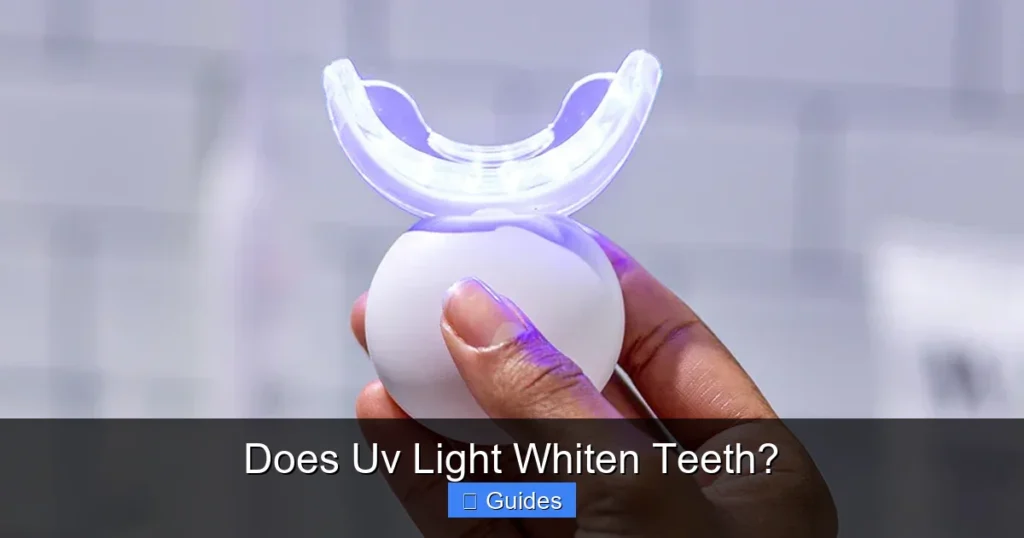
These are ubiquitous online and in pharmacies. They typically include a low-concentration peroxide gel and a small mouth tray with an attached light.
- Blue LED Lights are Standard: As mentioned, nearly all at-home kits that feature a light source are using blue LED lights, not actual UV light. These LEDs are generally safe for home use, as they do not emit harmful UV radiation.
- Lower Peroxide Concentration: The gels in at-home kits contain much lower concentrations of peroxide compared to professional treatments, making them safer for unsupervised use but also less potent.
- Variable Efficacy: The effectiveness of these kits varies greatly. While the LED light *can* help accelerate the bleaching process, the primary factor determining results is the concentration and quality of the peroxide gel and how consistently it’s used.
The Real Question: Is it UV or LED?
The distinction is paramount for safety. While LED lights are generally safe, actual UV light poses significant risks. It’s important for consumers to read product descriptions carefully and understand that “light-activated” or “power whitening” often refers to LED technology. If a product explicitly states it uses “UV light,” proceed with extreme caution and ideally consult a dental professional first.
Safety Concerns and Risks of Actual UV Light
If a product *truly* uses UV light to whiten teeth, or if you’re exposed to it without proper precautions, there are significant health and safety concerns that demand attention. This is why most legitimate “light-activated” systems have moved away from actual UV.
Harm to Oral Tissues
- Increased Tooth Sensitivity: UV light, especially when combined with bleaching agents, can generate excessive heat within the tooth, irritating the pulp (the innermost part of the tooth containing nerves and blood vessels). This can lead to severe and prolonged tooth sensitivity.
- Gum Irritation and Burns: The soft tissues of your gums, lips, and cheeks are highly susceptible to burns from UV radiation. Improper shielding can lead to painful inflammation, blistering, and tissue damage.
- Enamel Damage: While enamel is strong, prolonged or excessive exposure to UV light and high heat can potentially weaken the enamel structure, leading to increased porosity, erosion, or even micro-cracks over time.
Broader Health Risks
- Eye Damage: Direct exposure of the eyes to UV light can cause photokeratitis (a painful “sunburn” of the cornea), cataracts, and other long-term eye problems. Proper protective eyewear is absolutely non-negotiable if actual UV light is being used.
- Skin Damage: Similar to sun exposure, UV radiation can damage the skin around the mouth, increasing the risk of premature aging, sunburn, and even skin cancer.
- Risk of Cancer: The World Health Organization (WHO) and other health bodies classify UV radiation as a known human carcinogen. While the duration of exposure during a whitening treatment is short, repeated exposure to actual UV light in a dental setting would be a significant concern.
It cannot be stressed enough: if a product explicitly uses actual UV light, the risks far outweigh any purported benefits, especially when safer and more effective alternatives exist. This is why virtually all modern, safe, and effective light-accelerated whitening systems use LED technology.
Effective and Safe Alternatives for Teeth Whitening
So, if the question “does UV light whiten teeth?” leads to a cautionary tale about actual UV, what are the reliable and safe methods for achieving a brighter smile? Thankfully, there are many proven options.
1. Professional In-Office Whitening (Dentist-Supervised)
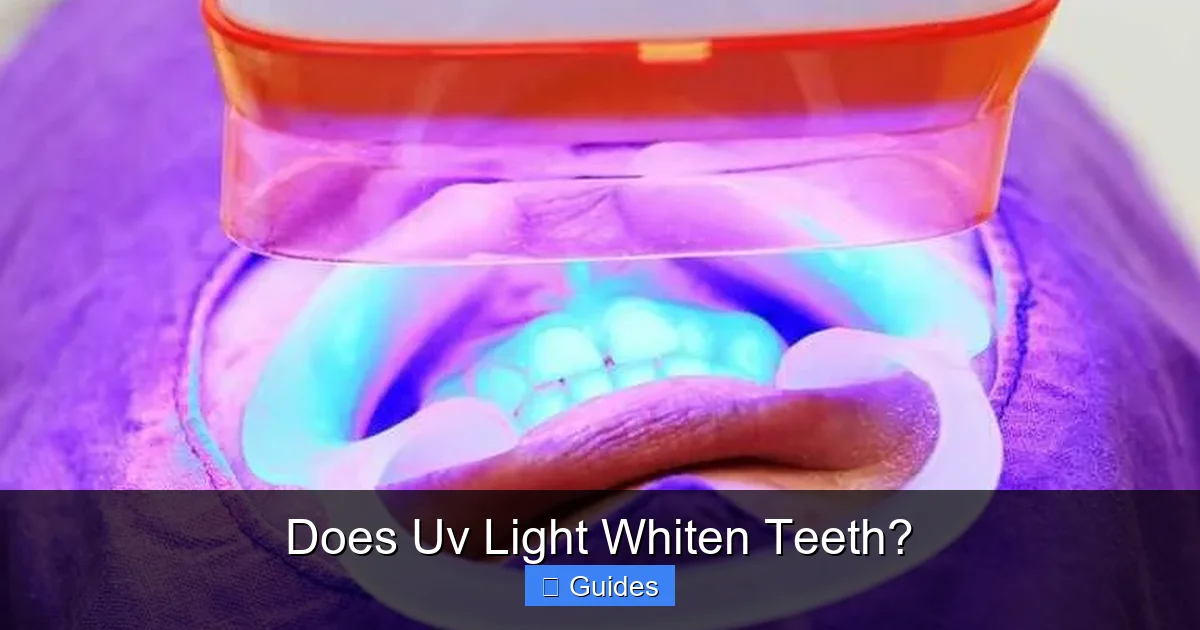
- Description: This is typically the fastest and most effective way to whiten teeth. A dentist applies a high-concentration peroxide gel (often hydrogen peroxide) to your teeth, usually after carefully protecting your gums and soft tissues. A blue LED light (sometimes mistakenly called UV) may be used to accelerate the process.
- Pros: Dramatic results in a single visit, supervised by a professional, minimizes risks of sensitivity or gum irritation.
- Cons: More expensive than at-home options.
Example: Zoom! Whitening or similar systems where a dentist uses a powerful LED light to enhance the bleaching action of a professional-grade peroxide gel.
Visual guide about Does Uv Light Whiten Teeth?
Image source: oglf.org
2. Custom-Fit Whitening Trays (Dentist-Prescribed)
- Description: Your dentist takes impressions of your teeth to create custom-fitting trays. You then fill these trays with a prescribed whitening gel (usually carbamide peroxide) and wear them for a specified period each day, typically for a couple of weeks.
- Pros: Excellent results, trays are custom-fit for even application and minimal gum irritation, lower cost than in-office, supervised by your dentist.
- Cons: Takes longer to see results (weeks), requires consistent daily use.
Tip: Always ensure your trays fit snugly. A poor fit can lead to gel leaking onto your gums, causing irritation.
3. Over-the-Counter Whitening Strips
- Description: These are thin, flexible strips coated with a peroxide-based whitening gel. You apply them directly to your teeth for a set time, usually once or twice a day for a couple of weeks.
- Pros: Convenient, relatively inexpensive, widely available, can produce noticeable results for mild to moderate staining.
- Cons: Results may not be as dramatic or even as professional treatments, can cause temporary sensitivity, may not whiten evenly if teeth are crooked.
Example: Crest 3D Whitestrips are a popular and effective option in this category.
4. Whitening Toothpastes and Rinses
- Description: These products contain mild abrasive agents or very low concentrations of peroxide to help remove surface stains.
- Pros: Easy to incorporate into daily routine, helps maintain whiteness after other treatments.
- Cons: Primarily effective for extrinsic stains, results are very subtle and gradual, not designed for significant color change.
Tip: Look for toothpastes with the American Dental Association (ADA) Seal of Acceptance if you’re in the U.S., which indicates they meet safety and efficacy standards.
5. Good Oral Hygiene
- Description: Regular brushing, flossing, and dental check-ups are foundational for preventing stains and maintaining oral health.
- Pros: Prevents new stains, improves overall health, cost-effective.
- Cons: Doesn’t reverse deep-set stains.
Practical Example: Brushing twice a day for two minutes with a fluoride toothpaste, flossing daily, and visiting your dentist for cleanings every six months can significantly reduce stain buildup.
When considering any whitening treatment, it’s always best to consult with your dentist. They can assess the cause of your discoloration, discuss your health history, and recommend the safest and most effective option for your unique situation. This professional guidance ensures that you choose a path that delivers desired results without compromising your oral health.
Conclusion: The Truth About UV Light and Your Smile
We started our journey asking a simple yet crucial question: Does UV light whiten teeth? After a thorough exploration, the answer is clear: actual UV light does not inherently whiten teeth. The magic behind a brighter smile comes from powerful bleaching agents, primarily hydrogen peroxide or carbamide peroxide, which chemically break down stain molecules.
The role of light, often mistakenly referred to as UV in many products, is to act as an accelerator. It speeds up the chemical reaction of these peroxides, potentially leading to faster results. However, in nearly all safe and reputable light-activated whitening systems – both professional and at-home – the light used is a safe blue LED, not harmful UV radiation. True UV light carries significant risks, including tooth sensitivity, gum damage, and potential harm to your eyes and skin.
Therefore, when you see products claiming “UV whitening,” it’s vital to be an informed consumer. Understand that the effectiveness of a whitening treatment hinges on the quality and concentration of the bleaching gel, and that any accompanying light is most likely a blue LED designed for acceleration, not direct whitening. Prioritize safety and efficacy by choosing products that clearly state they use LED technology and, whenever possible, consult with your dental professional. They are your best resource for guidance on safe and effective ways to achieve the dazzling, healthy smile you desire, without falling for common misconceptions.
The path to a whiter smile doesn’t require risky UV exposure. Instead, it relies on sound science, proven methods, and often, the guidance of a dental expert.
🎥 Related Video: Can UV Light Whiten Teeth? – The Pro Dentist
📺 The Pro Dentist
Can UV Light Whiten Teeth? Are you curious about the process of UV light teeth whitening and its effectiveness?
Frequently Asked Questions
Does UV light permanently whiten teeth?
No, UV light does not permanently whiten teeth. Even with the use of bleaching agents, whitening is not permanent; results typically last from several months to a few years, depending on your diet and oral hygiene.
Can I use a UV nail lamp to whiten my teeth?
Absolutely not. UV nail lamps are designed to cure nail polish and emit actual UV radiation, which is harmful to oral tissues, eyes, and skin. Using such a device on your teeth is extremely dangerous and can cause severe damage.
How can I tell if a whitening kit uses actual UV light or LED?
Read the product description carefully. Most safe kits will specify “LED light” or “blue light.” If it simply says “UV” without further clarification, or if you’re unsure, it’s best to avoid it or consult a dentist.
Do dentists use UV light for teeth whitening?
While some older systems might have used UV, most modern and reputable dental offices now use advanced blue LED or laser lights for in-office whitening to accelerate peroxide activity, as they are safer and equally effective.
Is tooth sensitivity after “UV” whitening normal?
Temporary tooth sensitivity is a common side effect of any teeth whitening treatment, including those using light. If sensitivity is severe or prolonged, stop the treatment and consult your dentist, as it could indicate overtreatment or actual UV exposure.
Are there natural ways to whiten teeth without light?
Natural methods like baking soda or activated charcoal can help remove surface stains, but they do not alter the intrinsic color of your teeth. For significant whitening, peroxide-based treatments are necessary. Always consult your dentist for safe and effective options.
