


As an Amazon Associate, We earn from qualifying purchases.
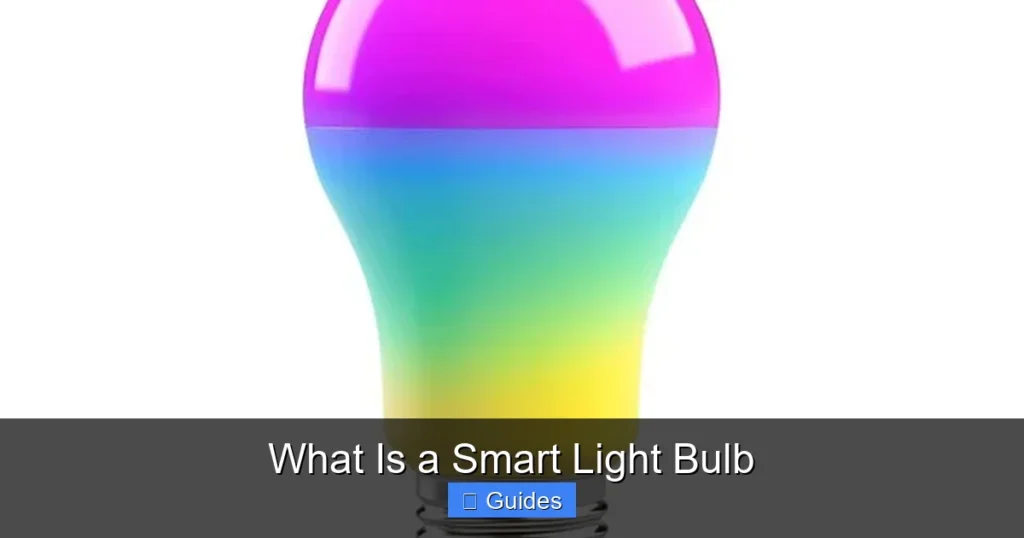
A smart light bulb is an LED bulb that connects to your home’s Wi-Fi or another wireless protocol, allowing you to control it remotely via an app, voice commands, or smart home automation. These bulbs offer incredible features like dimming, color changing, scheduling, and energy monitoring, transforming basic lighting into a dynamic and personalized experience for your home.
Imagine walking into a room and, with a simple voice command, the lights not only turn on but also shift to a warm, cozy hue, perfectly dim for a relaxing evening. Or perhaps you’re away on vacation and realize you forgot to turn off the bedroom lamp – no problem, a quick tap on your phone, and it’s off. This isn’t science fiction; it’s the everyday reality of living with a smart light bulb.
For years, a light bulb simply had one job: to provide light. You’d flip a switch, and it would turn on. Flip it again, and it would turn off. While perfectly functional, this traditional approach often lacked flexibility, convenience, and personality. But thanks to incredible advancements in technology, the humble light bulb has undergone a remarkable transformation. It has evolved into a sophisticated, connected device that offers far more than just illumination. It has become a truly “smart” device.
So, if you’ve been hearing the buzz about smart homes and wonder what all the fuss is about, or if you’re just curious about how these magical bulbs work, you’ve come to the right place. In this comprehensive guide, we’ll dive deep into understanding exactly what a smart light bulb is, how it operates, the fantastic features it brings to your home, and how you can choose the perfect ones to brighten your life.
Key Takeaways
- Definition: A smart light bulb is an internet-connected LED light that can be controlled remotely via a smartphone app, voice assistant, or smart home hub, offering advanced functionalities beyond traditional bulbs.
- Connectivity is Key: Unlike regular bulbs, smart light bulbs communicate wirelessly using protocols like Wi-Fi, Bluetooth, Zigbee, or Z-Wave, enabling their smart features.
- Diverse Features: They offer a wide range of capabilities including dimming, changing colors (millions of options!), scheduling on/off times, remote control from anywhere, and integration with other smart home devices.
- Energy Efficiency: Built on LED technology, smart bulbs are inherently energy-efficient, consuming significantly less power and lasting much longer than incandescent or CFL bulbs.
- Control Methods: You can manage smart lights through dedicated apps, voice commands (via Alexa, Google Assistant, Siri), or by setting up automated routines and scenes.
- Hub vs. Hubless: Some smart light bulbs connect directly to your Wi-Fi (hubless), while others require a dedicated bridge or hub to facilitate communication with your home network.
- Enhanced Convenience & Ambiance: They bring unparalleled convenience, security, and the ability to customize your home’s lighting ambiance to perfectly suit any mood or occasion.
Quick Answers to Common Questions
What is what is a smart light bulb?
what is a smart light bulb refers to essential knowledge and techniques.
📑 Table of Contents
What Exactly Is a Smart Light Bulb?
At its core, a smart light bulb is an LED light bulb that boasts built-in wireless connectivity. Unlike your grandmother’s incandescent bulb or even a modern CFL, a smart light bulb isn’t just about providing light; it’s about providing *controlled* light. This connection allows it to communicate with your smartphone, a smart home hub, or even voice assistants, opening up a world of possibilities for how you manage and experience lighting in your home.
Beyond the Incandescent Glow
Think of a traditional light bulb as a simple switch. It’s either on or off. A smart light bulb is more like a mini-computer with a light source attached. It’s designed to be an integral part of your smart home ecosystem, offering convenience, energy efficiency, and a customizable ambiance that a standard bulb simply cannot match. It’s an upgrade, not just in technology, but in lifestyle.
The Core Difference: Connectivity
The defining feature of any smart light bulb is its ability to connect. This connectivity usually comes in the form of Wi-Fi, Bluetooth, Zigbee, or Z-Wave radio technology. This wireless link is what allows you to issue commands from your phone, set schedules, change colors, or integrate the bulb with other smart devices in your home. Without this connection, it’s just another LED bulb.
LED Technology at its Heart
Almost all smart light bulbs are built on Light Emitting Diode (LED) technology. This is crucial for several reasons:
- Energy Efficiency: LEDs are incredibly energy-efficient, using a fraction of the power of incandescent bulbs to produce the same amount of light. This means lower electricity bills for you.
- Longevity: LED bulbs last significantly longer than traditional bulbs – often tens of thousands of hours. This translates to fewer replacements and less waste.
- Versatility: LED technology allows for easy dimming, precise color control, and quick response times, all essential for the smart features we love.
The Magic Behind the Scenes: How Smart Light Bulbs Work
Understanding how a smart light bulb works might seem complex, but it’s quite straightforward once you break it down. It involves a combination of wireless communication, a bit of software, and sometimes, a central brain for your smart home.
Visual guide about What Is a Smart Light Bulb
Image source: m.media-amazon.com
Wireless Communication Protocols
This is where the “smart” part truly comes alive. A smart light bulb uses one or more wireless protocols to communicate with other devices and ultimately, with you. Here are the most common ones:
- Wi-Fi: Many smart bulbs connect directly to your home’s Wi-Fi network. This is convenient because you likely already have Wi-Fi, and it means you don’t need an extra hub. However, a large number of Wi-Fi devices can sometimes strain your network.
- Bluetooth: Bluetooth-enabled bulbs connect directly to your smartphone or tablet. They are great for simple, one-off setups or single-room control because they don’t require a Wi-Fi network or hub. The downside is limited range and the need for your phone to be relatively close to the bulb.
- Zigbee & Z-Wave: These are specialized wireless protocols designed for smart home devices. They create a “mesh network,” meaning each device can relay signals to others, extending the range and reliability of your smart home system. Bulbs using these protocols typically require a dedicated smart home hub (like Philips Hue Bridge or SmartThings Hub) to connect to your home Wi-Fi and the internet. While an extra piece of hardware, a hub often offers more robust performance, better security, and the ability to manage a larger number of devices efficiently.
The Role of the Hub (or lack thereof)
As mentioned, some smart light bulbs are “hubless,” meaning they connect directly to your existing Wi-Fi network. These are often easier to set up for beginners. Brands like TP-Link Kasa or Wyze bulbs are good examples.
Other smart light bulbs, particularly those using Zigbee or Z-Wave, require a separate “hub” or “bridge.” This hub acts as a translator, allowing the bulbs to communicate with your Wi-Fi router and the internet. While an added cost and component, hubs often offer superior reliability, faster response times, and the ability to control a vast number of devices without bogging down your Wi-Fi. Philips Hue is a prime example of a system that thrives with its dedicated bridge.
Apps and Voice Assistants: Your Command Center
Once connected, you control your smart light bulb primarily through two methods:
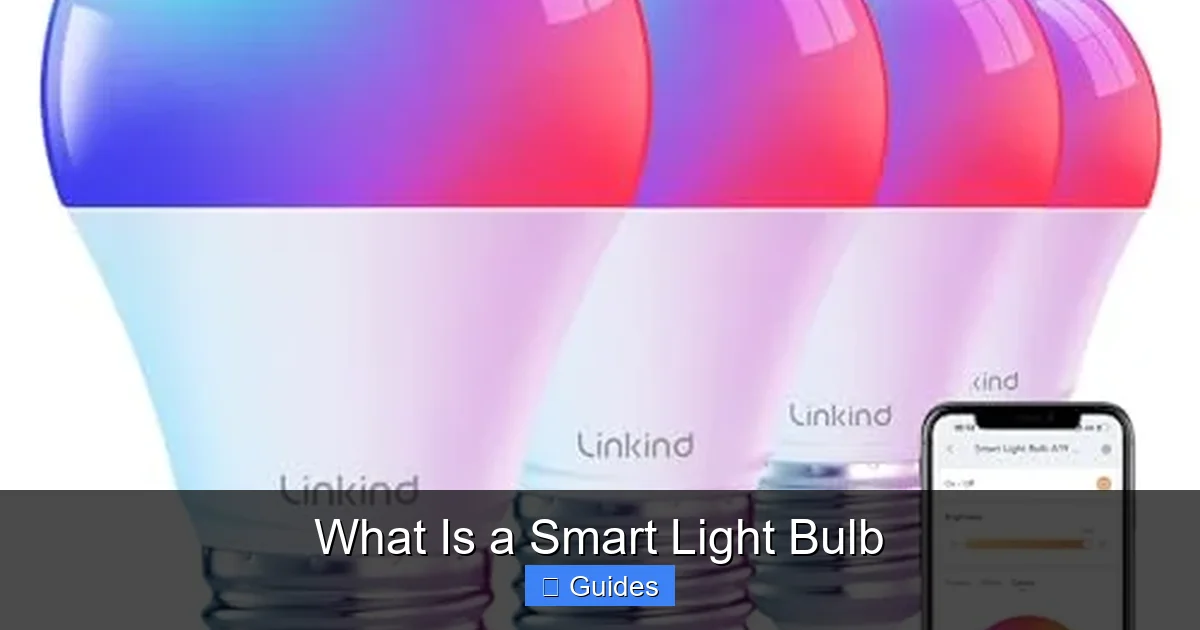
- Smartphone Apps: Every smart bulb brand comes with its own dedicated app. This app is your central command center, allowing you to turn lights on/off, dim them, change colors, set schedules, create scenes, and monitor energy usage.
- Voice Assistants: This is arguably one of the most popular and convenient ways to interact with smart lighting. By integrating your smart bulbs with voice assistants like Amazon Alexa, Google Assistant, or Apple HomeKit (Siri), you can simply speak commands like “Alexa, turn on the living room lights” or “Hey Google, set the kitchen lights to blue” to control your smart light bulb.
Dazzling Features and Benefits of Smart Lighting
Beyond simply turning on and off, a smart light bulb unlocks a treasure trove of features that can dramatically enhance your home’s ambiance, convenience, and energy efficiency. Once you experience these benefits, you’ll wonder how you ever lived without them.
Dimming and Color Changing: Set the Mood
This is perhaps the most beloved feature of many smart light bulbs. Instead of being stuck with one brightness level, you can precisely dim your lights from 1% to 100% to suit any activity or time of day. Even more exciting, many smart bulbs offer a full spectrum of colors (often millions of options!), allowing you to:
- Transform a room into a vibrant party zone with dynamic color changes.
- Create a calming environment with soft blues or purples for relaxation.
- Set a romantic dinner ambiance with warm, deep reds.
- Match your lighting to your favorite sports team’s colors during a game.
Some bulbs also allow you to adjust the “white temperature,” from cool, crisp daylight (great for working) to warm, cozy incandescent-like light (perfect for unwinding).
Scheduling and Automation: Lights On Demand
Never come home to a dark house again! With a smart light bulb, you can:
- Schedule On/Off Times: Set your lights to automatically turn on at sunset and off at bedtime, or have them gradually brighten in the morning for a gentler wake-up call.
- Randomized Schedules: If you’re away, set your lights to turn on and off randomly at different times. This can make it appear as though someone is home, adding an extra layer of security.
- Scenes and Routines: Create custom “scenes” like “Movie Night” (dim lights, specific colors) or “Dinner Time” (bright over the dining table, softer elsewhere). Then, activate these scenes with a single tap or voice command.
Energy Efficiency: Save Money, Save Earth
Because smart light bulbs are built on LED technology, they are incredibly energy efficient right out of the box. But their smart features amplify these savings:
- Dimming: Dimming your lights uses less electricity. With precise control, you can ensure your lights are only as bright as needed.
- Automatic Shut-off: Schedule lights to turn off when you leave or when it’s past a certain time, preventing wasted energy from forgotten lights.
- Energy Monitoring: Some smart bulbs and apps offer insights into energy consumption, helping you identify areas where you can save even more.
Voice Control and Integration: A Seamless Experience
As mentioned earlier, controlling your lights with your voice is incredibly convenient. But the magic doesn’t stop there. A smart light bulb can be integrated with other smart home devices and platforms, allowing for complex automations:
- Have your lights turn on when a smart motion sensor detects movement.
- Link your lights to your smart thermostat so they adjust color based on the room temperature.
- Sync your lights with your smart door lock – when you unlock your front door, your entry lights automatically turn on.
Remote Access: Control from Anywhere
Did you leave the lights on? No problem. With a smart light bulb connected to your home Wi-Fi (via direct connection or a hub), you can control your lights from literally anywhere in the world, as long as you have internet access on your phone. This is fantastic for security, energy saving, and peace of mind.
Geofencing and Presence Detection: Smartness Beyond Schedule
Some advanced smart light bulb systems offer geofencing. This feature uses your phone’s location to know when you’re arriving home or leaving. For example, your outdoor lights could turn on automatically when your phone enters a certain radius around your house, welcoming you home.
Choosing the Right Smart Light Bulb for Your Home
With so many options on the market, choosing the perfect smart light bulb can feel a little overwhelming. But by considering a few key factors, you can narrow down the choices and find what best suits your needs and budget.
Compatibility Check: Your Smart Ecosystem
The first and most important consideration is compatibility. What smart home ecosystem are you already using or planning to use? Do you have an Amazon Echo (Alexa), Google Home (Google Assistant), or Apple HomeKit? Most smart light bulbs support one or more of these platforms, but it’s vital to check before buying.
- Existing Hubs: If you already have a smart home hub like SmartThings or Homey, look for bulbs that are compatible with that specific hub (often Zigbee or Z-Wave).
- No Ecosystem Yet: If you’re just starting, consider whether you want to commit to a specific brand’s ecosystem (e.g., Philips Hue,
Frequently Asked Questions
What is what is a smart light bulb?
what is a smart light bulb is an important topic with many practical applications.
