


As an Amazon Associate, We earn from qualifying purchases.
A Type B light bulb is a distinctive bulb characterized by its small, often tapered, and sometimes flame-shaped or torpedo-like appearance. Primarily designed for decorative purposes, such as in chandeliers, sconces, and ornamental fixtures, these bulbs provide a charming aesthetic in addition to illumination. While traditionally incandescent, modern versions of the Type B light bulb are widely available in energy-efficient LED and CFL formats, offering both beauty and practicality for today’s homes.
Have you ever gazed at a beautiful chandelier or a delicate wall sconce and noticed a particular kind of light bulb that just seems to fit perfectly, almost like a tiny flame? Chances are, you were looking at a Type B light bulb. These charming bulbs, often overlooked in the vast world of lighting, play a crucial role in creating ambiance and adding a touch of elegance to many homes.
But what exactly sets a Type B light bulb apart from its more common counterparts, like the everyday A-type bulb we use in lamps? It’s not just about size; it’s about shape, purpose, and the unique decorative flair they bring to a space. If you’ve ever felt a bit lost trying to pick the right bulb for a fancy fixture, understanding the Type B light bulb is your first step towards becoming a lighting connoisseur.
In this guide, we’re going to dive deep into the world of the Type B light bulb. We’ll explore its distinct characteristics, trace its history, look at its modern-day incarnations, and help you understand exactly where and how to use it to best effect in your home. Get ready to illuminate your knowledge and brighten your understanding of this special lighting gem!
Key Takeaways
- Distinctive Shape: A Type B light bulb is recognized by its unique, often candle-like or torpedo shape, usually with a narrow base that tapers to a pointed or rounded tip.
- Decorative Purpose: Primarily designed for aesthetic appeal, these bulbs are perfect for fixtures where the bulb itself is visible and contributes to the overall decor.
- Common Applications: You’ll most frequently find Type B light bulbs in chandeliers, wall sconces, ceiling fans, and other ornamental light fixtures that benefit from their elegant profile.
- Incandescent Origins: Historically, Type B bulbs were incandescent, known for their warm glow and energy consumption, but modern options have vastly improved efficiency.
- Modern Efficiency: Today, the Type B light bulb is widely available in energy-efficient LED and CFL versions, offering the same beautiful shape with significantly reduced power usage and longer lifespan.
- Variety in Appearance: Beyond the basic “torpedo” shape, Type B bulbs come in variations like “flame tip” (bent or straight) and “blunt tip,” allowing for diverse decorative styles.
Quick Answers to Common Questions
What is the main difference between a Type A and a Type B light bulb?
The main difference lies in their shape. A Type A bulb is the familiar pear-shaped bulb used in most lamps, while a Type B light bulb has a narrower, often tapered, candle-like or torpedo shape, designed for decorative fixtures.
Can I replace an incandescent Type B bulb with an LED Type B bulb?
Yes, in most cases, you can easily replace an incandescent Type B light bulb with an LED Type B bulb, as long as the base type (usually E12 candelabra) and voltage are compatible. Remember to check if your new LED bulb is dimmable if you have a dimmer switch.
Do Type B light bulbs come in different colors?
Type B light bulbs primarily refer to the shape. However, modern LED Type B bulbs are available in various color temperatures (from warm white to cool white) and sometimes with different glass tints (clear, frosted, amber) to create specific visual effects and moods.
Are all Type B bulbs dimmable?
No, not all Type B light bulbs are dimmable, especially with LED versions. Always check the packaging for a “dimmable” label if you intend to use the bulb with a dimmer switch. Using a non-dimmable bulb on a dimmer can cause flickering or damage.
What does “B10” or “B11” mean for a Type B light bulb?
The “B” indicates the Type B (torpedo or blunt tip) shape. The number (e.g., “10” or “11”) refers to the bulb’s maximum diameter in eighths of an inch. So, a B10 bulb is 10/8 inches (1.25 inches) wide at its widest point.
📑 Table of Contents
- What Exactly Is a Type B Light Bulb? Defining Its Unique Characteristics
- The Classic Incandescent Type B: A Historical Perspective
- Modern Type B Options: LED and CFL Versions Shine Bright
- Where Do Type B Bulbs Shine Brightest? Common Applications
- Choosing the Right Type B for Your Home: A Buyer’s Guide
- Installation, Maintenance, and Responsible Disposal of Type B Light Bulbs
- Conclusion: The Enduring Charm of the Type B Light Bulb
What Exactly Is a Type B Light Bulb? Defining Its Unique Characteristics
When we talk about a Type B light bulb, we’re primarily referring to its distinctive shape. Unlike the standard, pear-shaped “A-type” bulb (like an A19 or A21), a Type B light bulb is characterized by its narrower, often tapered form. Think of it as a candle flame or a small torpedo. This unique profile isn’t just for show; it’s what makes the Type B light bulb perfect for specific applications.
The Iconic Shape: Candle, Torpedo, and Flame Tip
The most recognizable feature of a Type B light bulb is its silhouette. It typically has a narrow base that gently tapers to a pointed, rounded, or even bent tip. This design is often referred to as:
- Torpedo (B10, B11): These are the most common Type B light bulbs. They have a sleek, cylindrical body that tapers to a rounded point, resembling a small torpedo. The “10” or “11” in the designation usually refers to the bulb’s diameter in eighths of an inch at its widest point (e.g., B10 is 10/8 or 1.25 inches).
- Blunt Tip (BA): Similar to the torpedo but with a less pronounced taper, ending in a slightly blunter, rounded top.
- Flame Tip (F10, F11): These Type B light bulbs take the decorative aspect a step further. They mimic the flickering shape of a candle flame, often with a slightly bent tip to enhance the illusion. They are fantastic for creating a truly classic, elegant look.
This elegant form factor is why the Type B light bulb is so popular in fixtures where the bulb itself is part of the aesthetic. You wouldn’t hide these beauties behind a lampshade; you’d want them on display!
Common Base Types for Type B Light Bulbs
While the shape is the defining characteristic, understanding the base is crucial for compatibility. Most Type B light bulbs come with specific base types suited for decorative fixtures:
- Candelabra Base (E12): This is by far the most common base for a Type B light bulb. The E12 base is smaller than a standard E26 (medium) base and is often found in chandeliers, wall sconces, and smaller decorative lamps. The “E” stands for Edison screw, and “12” indicates a diameter of 12 millimeters.
- Intermediate Base (E17): Less common for Type B bulbs but still sometimes used, the E17 base is slightly larger than the E12 but smaller than the E26.
Always double-check the base type of your fixture before purchasing a new Type B light bulb to ensure a perfect fit.
The Classic Incandescent Type B: A Historical Perspective
For decades, when someone mentioned a Type B light bulb, they were almost certainly referring to an incandescent version. These traditional bulbs operated on a simple principle: electricity heated a thin tungsten filament until it glowed, producing light and a significant amount of heat.
Warm Glow and Energy Consumption
Incandescent Type B bulbs were cherished for their warm, inviting glow, which perfectly complemented the ornate fixtures they often inhabited. The light quality was soft and flattering, ideal for creating a cozy atmosphere in dining rooms or entryways. However, their primary drawback was energy efficiency. A substantial portion of the energy they consumed was converted into heat rather than light, making them less environmentally friendly and more costly to operate over time.
The Era of Filament: A Bygone Beauty
The visible filament within these bulbs was also part of their charm, especially in clear glass versions. It added to the antique aesthetic, resembling the original candle flame they were designed to replace. As technology advanced, the reign of the incandescent Type B light bulb began to wane, making way for more efficient alternatives. Yet, their legacy of elegance and decorative purpose endures in modern designs.
Modern Type B Options: LED and CFL Versions Shine Bright
The evolution of lighting technology hasn’t left the charming Type B light bulb behind. Today, you can easily find these decorative bulbs in highly energy-efficient LED and CFL formats, combining classic aesthetics with cutting-edge performance.
LED Type B Light Bulbs: The Future is Bright and Efficient
LED (Light Emitting Diode) technology has revolutionized the lighting industry, and Type B light bulbs are no exception. LED Type B bulbs offer a multitude of advantages:
- Exceptional Energy Efficiency: LED Type B light bulbs use significantly less electricity than their incandescent predecessors, often by 80-90%. This translates to substantial savings on your energy bill.
- Long Lifespan: LEDs last much longer, often 15,000 to 25,000 hours or more, meaning fewer bulb changes and less hassle, especially in hard-to-reach fixtures.
- Cooler Operation: Unlike incandescents, LED Type B bulbs produce very little heat, making them safer to touch and reducing the cooling load in your home.
- Dimmability: Many LED Type B bulbs are dimmable, allowing you to fine-tune the ambiance in your room. Just be sure to check the packaging for “dimmable” compatibility, as not all LEDs are.
- Variety of Color Temperatures: You can choose LED Type B bulbs in various color temperatures, from very warm (2200K) to cool white (5000K), allowing you to customize the mood of your space. Warm white (2700K-3000K) is often preferred for decorative fixtures to mimic the traditional incandescent glow.
These modern marvels maintain the beautiful decorative shape while delivering superior performance. They are available in clear, frosted, or even amber glass, and some even feature “filament” LEDs that mimic the look of traditional incandescent filaments for an even more authentic vintage feel.
CFL Type B Light Bulbs: An Earlier Step Towards Efficiency
Compact Fluorescent Lamp (CFL) Type B light bulbs were an earlier energy-efficient alternative to incandescents. While not as efficient or long-lasting as LEDs, they still offered significant improvements over traditional bulbs.
- Energy Savings: CFL Type B bulbs used about 75% less energy than incandescent bulbs.
- Longer Life: They typically lasted around 8,000 to 10,000 hours.
- Warm-up Time: A common characteristic of CFLs is a short warm-up period, where they might take a moment to reach full brightness.
While still available, CFL Type B bulbs have largely been surpassed by LED technology due to the latter’s superior efficiency, instant-on brightness, and better dimming capabilities. However, they remain a viable option if you’re looking for an upgrade from incandescents at a slightly lower upfront cost than some LEDs.
Where Do Type B Bulbs Shine Brightest? Common Applications
The elegant design of the Type B light bulb makes it a favorite for fixtures where functionality meets artistry. These bulbs aren’t meant to be hidden; they’re meant to be seen and admired.
Chic Chandeliers and Elegant Sconces
This is arguably the most common and iconic use for a Type B light bulb. Chandeliers, with their multiple arms and open designs, beautifully showcase the candle-like shape of these bulbs. Imagine a grand dining room chandelier with a dozen flame-tip Type B light bulbs – it creates an unparalleled sense of sophistication and warmth. Similarly, wall sconces, often found in hallways, entryways, or flanking a fireplace, are perfect candidates for the slender and decorative Type B light bulb. Their compact size allows them to fit neatly into the often intricate designs of these fixtures.
Ceiling Fans with a Decorative Touch
Many ceiling fans, particularly those with ornate light kits, utilize Type B light bulbs. The smaller profile and varied tips (torpedo, blunt, or flame) help integrate the lighting seamlessly into the fan’s design without overpowering it. They provide ample light for the room while maintaining a visually appealing aesthetic that complements the fan itself.
Night Lights and Decorative Mini-Lamps
While less common for the standard B10/B11 size, smaller, specialized versions of the Type B light bulb can be found in decorative night lights or small accent lamps. Their low wattage and subtle glow make them ideal for creating a soft, comforting presence without being too bright. Some miniature decorative lamps designed for shelves or side tables also benefit from the slim, attractive form of a Type B light bulb.
Outdoor Decorative Fixtures
Certain outdoor lanterns and decorative porch lights, especially those designed to mimic historical gas lamps or intricate metalwork, might also use weather-resistant Type B light bulbs. These add charm to your home’s exterior, greeting guests with a warm, inviting glow. Just ensure any bulb used outdoors is rated for damp or wet locations, as appropriate.
Choosing the Right Type B for Your Home: A Buyer’s Guide
Selecting the perfect Type B light bulb involves more than just picking a pretty shape. To ensure you get the best performance and desired ambiance, consider these key factors:
Wattage (Equivalent) and Lumens: How Bright Do You Need It?
Forget the old wattage numbers for incandescents; with LEDs, you’ll be looking at “equivalent wattage” and lumens. Lumens measure the actual brightness of the bulb.
- Lumens: A higher lumen count means a brighter light. For decorative fixtures, you might want a softer glow (e.g., 200-400 lumens per bulb) or something brighter for task lighting (e.g., 400-800 lumens per bulb).
- Equivalent Wattage: This tells you what incandescent wattage the LED Type B light bulb replaces. For example, a 40W equivalent LED might only consume 4-5 watts of actual power. Match this to your fixture’s maximum wattage rating to avoid overloading.
Consider the number of bulbs in your fixture. A chandelier with six 400-lumen bulbs will provide significantly more light than a single sconce with one.
Color Temperature: Setting the Mood
Color temperature, measured in Kelvins (K), dictates the warmth or coolness of the light.
- Warm White (2200K-3000K): This range produces a yellowish, cozy glow, similar to traditional incandescents or candlelight. It’s ideal for creating a relaxed, inviting atmosphere in living rooms, dining rooms, and bedrooms. Many prefer this for decorative Type B light bulbs.
- Cool White/Daylight (3500K-5000K+): These temperatures produce a whiter or bluer light, often perceived as more energetic or sterile. While useful for task lighting, they are less commonly chosen for decorative Type B light bulbs unless a very modern, crisp look is desired.
For most decorative applications, especially in chandeliers and sconces, a warm white Type B light bulb around 2700K is a safe and popular choice.
Base Type: E12 Candelabra is Key
As discussed, the vast majority of Type B light bulbs use an E12 candelabra base. Before purchasing, unscrew an old bulb or check your fixture’s specifications to confirm the base size. An E12 bulb will not fit into an E26 (standard) or E17 (intermediate) socket, and vice-versa.
Dimmability: Do You Need Flexibility?
If your fixture is connected to a dimmer switch, you must buy Type B light bulbs that are specifically labeled “dimmable.” Using non-dimmable LEDs on a dimmer switch can lead to flickering, buzzing, or premature bulb failure. For the best performance, pair dimmable LED bulbs with an LED-compatible dimmer switch.
Appearance: Clear, Frosted, or Filament?
The aesthetic of your Type B light bulb can significantly impact the overall look of your fixture:
- Clear Glass: Shows off the internal filament (or LED filament design) and provides crisp, sparkling light. Excellent for crystal chandeliers.
- Frosted Glass: Diffuses the light more evenly, creating a softer glow and obscuring the internal components of the bulb. Good for reducing glare.
- Amber Tinted Glass: Creates an extra warm, almost vintage glow, perfect for a cozy, rustic, or antique feel.
- Filament LED: These LED Type B light bulbs are designed to look exactly like old incandescent bulbs, with visible LED “filaments” inside a clear glass casing. They offer the best of both worlds: vintage look and modern efficiency.
Consider the style of your fixture and the desired mood when making this choice.
Installation, Maintenance, and Responsible Disposal of Type B Light Bulbs
Taking care of your Type B light bulb and handling it properly ensures safety, longevity, and environmental responsibility.
Safe Installation Practices
Installing a Type B light bulb is generally straightforward, but a few safety tips are essential:
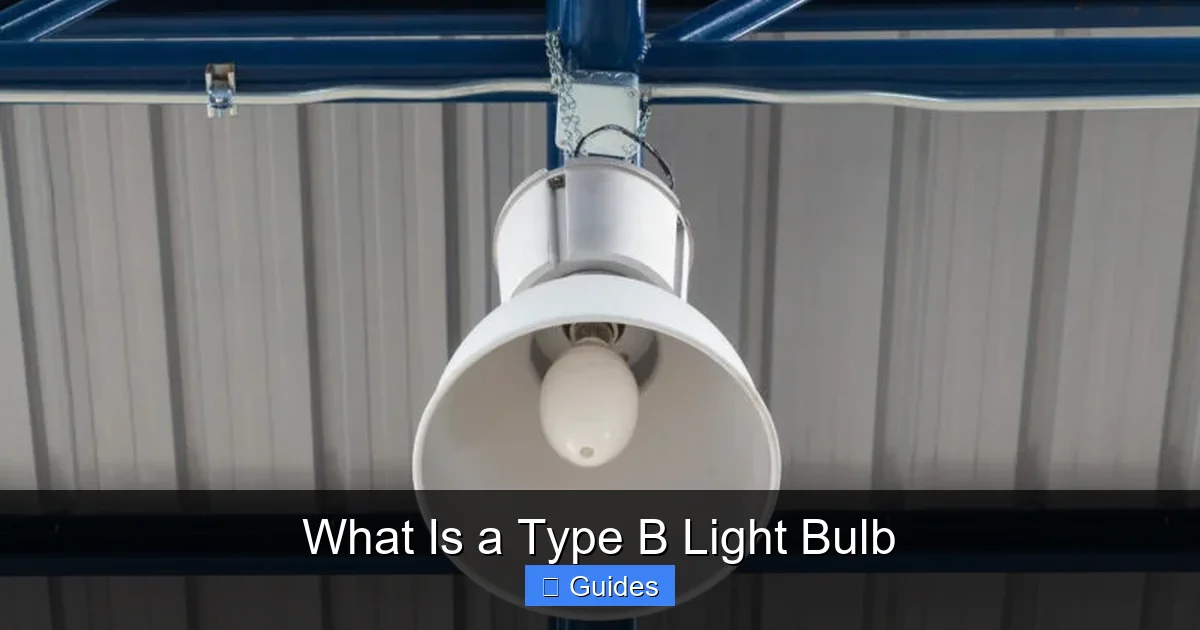
Visual guide about What Is a Type B Light Bulb
Image source: lamphq.com
- Turn off Power: Always turn off the power to the fixture at the wall switch AND the circuit breaker before changing any bulb.
- Let Cool: If replacing an incandescent Type B light bulb, allow it to cool completely before touching it, as they can get very hot.
- Handle with Care: Hold the new bulb by its base or the glass, avoiding excessive pressure on the glass, especially for flame-tip designs. Screw it in until it’s finger-tight; over-tightening can damage the bulb or fixture.
- Clean Hands: Oils from your skin can create hot spots on incandescent or halogen bulbs, potentially shortening their life. While less critical for LEDs, it’s still good practice to have clean hands.
Maintenance for Longevity
Modern LED Type B light bulbs require very little maintenance due to their long lifespans. However, a few practices can help:
- Dusting: Periodically dust your Type B light bulbs, especially in open fixtures, to maintain optimal brightness. Use a soft, dry cloth.
- Avoid Harsh Cleaners: Never spray cleaning solutions directly onto bulbs. If necessary, spray a soft cloth and then gently wipe the bulb when it’s cool and turned off.
Responsible Disposal
How you dispose of your old Type B light bulb depends on its type:
- Incandescent and Halogen: These bulbs can generally be disposed of with regular household trash, as they don’t contain hazardous materials.
- CFL Bulbs: CFLs contain a small amount of mercury and should *not* be thrown in regular trash. Many hardware stores, home improvement centers, and local recycling centers offer free CFL recycling programs. Check with your local municipality for specific guidelines.
- LED Bulbs: While LEDs don’t contain mercury, they do contain electronic components that can be recycled. Many recycling centers accept LEDs. Check local regulations for proper disposal, as some areas may prefer electronic waste (e-waste) recycling for LEDs.
Conclusion: The Enduring Charm of the Type B Light Bulb
From their humble beginnings as incandescent candle replacements to their modern, energy-efficient LED incarnations, the Type B light bulb has consistently proven its worth as a versatile and visually appealing lighting solution. Its slender, often flame-like shape makes it the go-to choice for decorative fixtures where aesthetics are just as important as illumination.
Whether you’re looking to update a vintage chandelier, brighten a pair of wall sconces, or add a touch of elegance to a ceiling fan, understanding the nuances of the Type B light bulb will empower you to make informed decisions. By choosing the right lumens, color temperature, and modern LED technology, you can enjoy the timeless charm of these bulbs with all the benefits of contemporary efficiency. So go ahead, embrace the beauty of the Type B light bulb and let its unique glow enhance the ambiance of your home for years to come.
Frequently Asked Questions
What type of base does a Type B light bulb usually have?
A Type B light bulb most commonly features an E12 candelabra base. This smaller screw-in base is ideal for the narrower sockets found in decorative fixtures like chandeliers and wall sconces.
Are Type B light bulbs energy efficient?
While traditional incandescent Type B light bulbs were not energy-efficient, modern versions are very much so. You can now find highly efficient LED Type B light bulbs that consume significantly less power and last much longer.
Can I use a Type B light bulb in an outdoor fixture?
Yes, you can use a Type B light bulb in an outdoor fixture, but it’s crucial to ensure both the fixture and the bulb itself are rated for outdoor use (e.g., damp or wet locations). This protects against moisture and extends the bulb’s lifespan.
What is a flame-tip Type B light bulb?
A flame-tip Type B light bulb is a decorative variation designed to mimic the flickering shape of a candle flame. It typically has a slightly bent or wavy tip, adding an elegant, classic aesthetic to chandeliers and other exposed fixtures.
How do I know what wattage Type B bulb to choose?
Instead of wattage, focus on lumens for brightness (higher lumens mean brighter light) and the “equivalent wattage” to match your fixture’s maximum rating. For decorative fixtures, lower lumens often create a softer ambiance, while higher lumens provide more functional light.
Are Type B light bulbs only for chandeliers?
While very popular in chandeliers, Type B light bulbs are also widely used in other decorative fixtures such as wall sconces, ceiling fan light kits, some bathroom vanity lights, and smaller accent lamps. Their elegant shape suits any exposed bulb application.
