


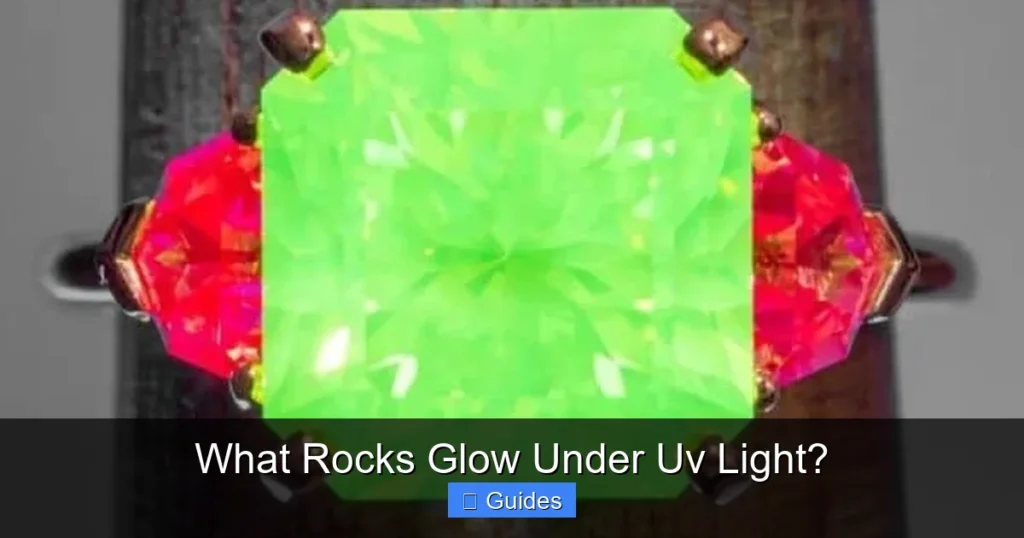
Dive into the mesmerizing world of fluorescent minerals! Many rocks possess a hidden beauty, revealing vibrant, otherworldly colors when exposed to ultraviolet (UV) light. This phenomenon, primarily fluorescence, occurs when specific minerals absorb UV energy and re-emit it as visible light, thanks to tiny “activator” elements within their structure. Discover popular examples like Fluorite, Calcite, and Willemite, learn how to find them, and explore the right UV tools to embark on this exciting geological adventure safely.
Imagine stepping into a dark room, flipping a switch, and suddenly, the ordinary rocks around you burst into a kaleidoscope of neon greens, fiery reds, electric blues, and vibrant oranges. It sounds like something out of a science fiction movie, right? But this isn’t fiction; it’s the magical reality of fluorescent minerals, and it’s a spectacle that has captivated rock hounds, scientists, and curious minds for generations.
If you’ve ever wondered, “What rocks glow under UV light?” you’re in for a treat. This phenomenon transforms seemingly dull stones into dazzling treasures, revealing a hidden beauty that remains invisible under normal light. It’s a fantastic journey into the intersection of geology, physics, and pure wonder. Getting started in this hobby is surprisingly easy, and the rewards are absolutely breathtaking.
In this guide, we’re going to dive deep into the glowing world of minerals. We’ll explore the science behind this incredible light show, introduce you to the most famous stars of the fluorescent rock world, and arm you with all the practical tips you need to start your own collection. So grab your metaphorical (or actual) UV flashlight, and let’s illuminate the secrets of what rocks glow under UV light!
Key Takeaways
- Fluorescence vs. Phosphorescence: Most glowing rocks exhibit fluorescence, meaning they glow only while exposed to UV light. Phosphorescence involves an “afterglow” that lingers briefly after the UV source is removed.
- Activator Elements are Key: The glow isn’t inherent to the main mineral structure but is caused by trace impurities like manganese (Mn), uranium (U), lead (Pb), or rare earth elements.
- Not All Rocks Glow: Only a select number of minerals fluoresce, and even within those species, only certain specimens will glow depending on the presence and concentration of activators.
- UV Light Wavelength Matters: Different minerals react best to specific UV wavelengths (shortwave, midwave, or longwave). Shortwave UV is often crucial for the most spectacular mineral displays.
- Popular Glowing Rocks: Common examples include Fluorite, Calcite, Willemite, Sodalite (Hackmanite variety), and Autunite. Each can display a unique range of colors under UV.
- Safety First with UV: Always use proper eye protection (UV-blocking glasses) when working with UV lights, especially shortwave, to prevent eye damage.
- Hunting and Displaying: Fluorescent minerals can be found in mines, quarries, and even some natural outcrops. They are best displayed in a dark environment with appropriate UV lighting.
Quick Answers to Common Questions
Which common mineral is named after its fluorescence?
Fluorite is the mineral from which the term “fluorescence” was derived, as it was one of the first minerals observed to exhibit this phenomenon.
Are all rocks that glow under UV light radioactive?
No, only a small number of fluorescent minerals are radioactive (e.g., those containing uranium). Most fluorescent minerals glow due to non-radioactive trace elements like manganese or rare earths.
Why do some minerals glow different colors under UV light?
The color of the glow depends on the specific “activator” trace elements present within the mineral’s crystal structure and how they react to the UV energy, along with the host mineral’s composition.
What is the main difference between shortwave and longwave UV light for mineral hunting?
Shortwave UV light (UV-C) is more energetic and reveals the most intense and diverse fluorescence in many classic minerals, but requires strict safety. Longwave UV light (UV-A) is less energetic, safer, and good for some minerals and general blacklight effects, but many minerals won’t respond to it.
Can I find fluorescent rocks in my backyard?
Potentially! Some common rocks like certain granites or old glass can contain fluorescent impurities. Using a longwave UV flashlight to explore your surroundings in the dark can reveal unexpected glows.
📑 Table of Contents
The Science Behind the Glow: Fluorescence vs. Phosphorescence
Before we jump into naming names, let’s understand the magic. When we talk about rocks that glow under UV light, we’re primarily talking about a process called fluorescence. There’s also a related phenomenon called phosphorescence, and knowing the difference will help you appreciate the nuances of your glowing finds.
What is UV Light?
Ultraviolet (UV) light is a form of electromagnetic radiation, just like the visible light we see, radio waves, or X-rays. What makes UV light special is that its wavelength is shorter than visible light, making it invisible to the human eye. We often categorize UV light into three main types based on wavelength:
- Longwave UV (UVA): This is the closest to visible light and is often what’s used in “blacklights” at parties or for detecting counterfeit money. It’s generally considered the safest of the UV types.
- Midwave UV (UVB): This type is more energetic and can cause sunburn. It’s less commonly used for fluorescent mineral hunting.
- Shortwave UV (UVC): This is the most energetic and potentially dangerous type of UV light. It’s also the wavelength that makes many of the most spectacular fluorescent minerals truly pop. Special care must be taken when using shortwave UV lights.
The key here is that different minerals respond to different wavelengths. A rock that glows brilliantly under shortwave UV might look completely dull under longwave UV, and vice versa. This is why dedicated collectors often invest in multi-wavelength UV lamps.
How Minerals Absorb and Emit Light
So, how exactly do rocks glow under UV light? It all comes down to energy. When UV light hits certain minerals, it’s absorbed by specific atoms within their structure. This absorbed energy temporarily excites the electrons in these atoms, pushing them to a higher energy level. Electrons don’t like staying in these excited states for long; they want to return to their normal, lower energy levels.
When these excited electrons drop back down, they release the excess energy as light. But here’s the clever part: they don’t release it as UV light. Instead, they release it at a longer wavelength, which falls within the visible spectrum – the colors we can see! This immediate emission of visible light while the UV source is active is what we call fluorescence.
Phosphorescence is a similar process, but with a slight delay. In phosphorescent minerals, some of the excited electrons get “stuck” in intermediate energy levels. They gradually fall back to their normal state, releasing light over a period of seconds, minutes, or even hours after the UV source is turned off. This creates that cool “afterglow” effect.
The Role of Activator Elements
It’s important to understand that the glow isn’t typically due to the main elements that make up the mineral. Instead, it’s caused by tiny amounts of specific impurity elements called “activators” that are incorporated into the mineral’s crystal lattice. Without these activators, most minerals would just sit there, absorbing UV light without emitting any visible glow.
Common activator elements include:
- Manganese (Mn): Often responsible for red, orange, or green fluorescence in minerals like calcite and willemite.
- Uranium (U): Causes a distinctive bright green or yellow-green fluorescence, often seen in uranium-bearing minerals like autunite.
- Lead (Pb): Can contribute to a variety of colors.
- Rare Earth Elements (REEs): Such as samarium (Sm), europium (Eu), terbium (Tb), and dysprosium (Dy), which can produce a wide range of fluorescent colors.
- Organic Compounds: Sometimes, organic impurities can also cause fluorescence.
The specific activator, its concentration, and the host mineral’s crystal structure all play a role in determining the color and intensity of the glow. This is why the same mineral, like calcite, can glow red from one location and orange or blue from another!
Common Fluorescent Minerals You Can Find
Now that you know the “how,” let’s explore some of the most exciting examples of what rocks glow under UV light. These are the stars of any glowing rock collection!
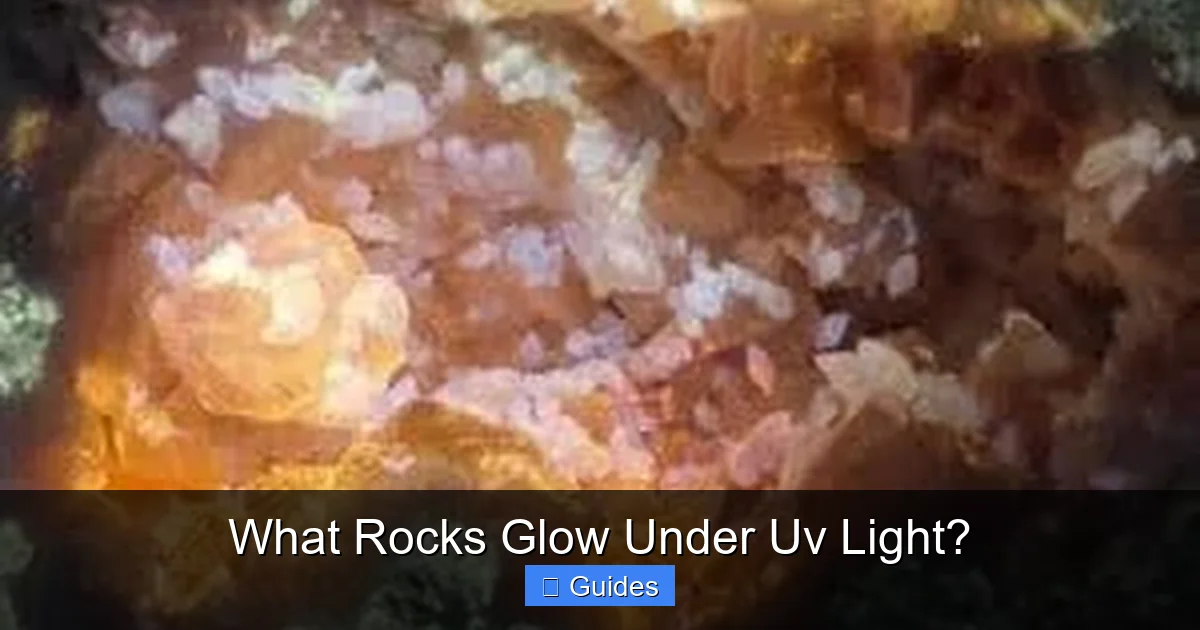
Visual guide about What Rocks Glow Under Uv Light?
Image source: rockhoundingmaps.com
Fluorite: The Classic Glow
Fluorite is perhaps the most famous fluorescent mineral, so much so that the phenomenon itself is named after it! This beautiful mineral comes in a vast array of colors under visible light, from purple and green to blue and yellow. Under UV light, especially shortwave, fluorite often emits a stunning blue or purple glow. Some varieties can even glow green or red. The activators in fluorite are often rare earth elements like europium or yttrium.
You can find fluorite in many parts of the world, including Illinois and Kentucky in the USA, and Cumbria in the UK. Its distinct cubic or octahedral crystals are quite recognizable.
Calcite: Diverse Colors, Diverse Activators
Calcite is an incredibly common mineral, but fluorescent calcite is a real showstopper. While many calcite specimens don’t glow, those that do can display an astonishing range of colors under UV light, from brilliant red and orange to pink, green, and blue. The glow is most often seen under shortwave UV, but some specimens also respond to longwave.
The most common activator for red or orange calcite is manganese (Mn), especially when accompanied by lead (Pb) as a sensitizer. Green calcite can be activated by uranium. Famous localities for fluorescent calcite include Franklin, New Jersey (USA), and various locations in Mexico and Canada.
Sodalite (Hackmanite Variety): Tennebrescence and its Magic
Sodalite is a beautiful blue mineral, but one particular variety, Hackmanite, offers a unique glowing experience. Hackmanite is known for its tennebrescence (also called photochromism). This means it changes color when exposed to UV light (or even sunlight) and then slowly fades back to its original color in the dark.
Under shortwave UV, Hackmanite often glows a vibrant orange or pink. But the real magic happens when you turn off the UV light: the mineral itself often changes color, becoming more purple or reddish, and then gradually reverts to its pale state. It’s like watching a rock blush! Hackmanite is found in places like Mont Saint-Hilaire, Quebec (Canada), and Russia.
Willemite and Pectolite: A New Jersey Staple
If you’re interested in glowing rocks, you absolutely must know about Franklin and Sterling Hill, New Jersey. These former mining towns are world-famous for their incredible fluorescent mineral displays. Here, you’ll find a dynamic duo:
- Willemite: This zinc silicate mineral typically glows a brilliant, almost neon green under shortwave UV light, activated by manganese. It’s truly one of the most iconic fluorescent minerals.
- Pectolite: Often found alongside willemite, pectolite from these localities glows a stunning orange or red under shortwave UV.
When you see willemite and pectolite together from Franklin, the contrast of the bright green and vibrant orange/red is simply unforgettable. The museum at Franklin, New Jersey, is a must-visit for any fluorescent mineral enthusiast.
Autunite and Uraninite: The Radioactive Glow
Some minerals glow because they contain naturally radioactive elements, primarily uranium. Autunite, a hydrated calcium uranyl phosphate, is a prime example. It typically forms as bright yellow-green to apple-green tabular crystals. Under UV light (both shortwave and longwave), autunite emits a striking, intense yellow-green glow.
Uraninite (pitchblende), the main ore mineral of uranium, can also show some fluorescence, though it’s less pronounced than autunite. While these minerals are fascinating, it’s crucial to handle them with care due to their radioactivity. Always wash your hands after handling, avoid prolonged skin contact, and do not store them in living areas without proper shielding or ventilation.
Other Notable Mentions
The list of what rocks glow under UV light goes on and on! Here are a few more fascinating examples:
- Opal: Some varieties of common opal (non-precious) can glow green or blue under longwave UV, often due to uranium impurities.
- Aragonite: A polymorph of calcite, aragonite can also fluoresce in various colors, often pink or yellow-green.
- Gypsum: Some gypsum specimens, particularly those with organic impurities, can glow yellow or green under UV.
- Scheelite: An important tungsten ore mineral, scheelite glows a distinctive bright blue or white under shortwave UV, activated by molybdenum.
- Diamond: A small percentage of diamonds fluoresce blue under longwave UV, a characteristic jewelers look for.
Tools of the Trade: Choosing Your UV Light
To see these amazing glowing rocks, you’ll need the right equipment. A good UV light source is your most important tool, and understanding the different types is crucial.
Shortwave UV Lights: The Powerhouse
For serious fluorescent mineral collectors, a shortwave (SW) UV light is often considered essential. Many of the most spectacular and vibrant fluorescent minerals, like willemite, calcite, and many fluorites, only truly “pop” under shortwave UV. These lamps emit UV-C radiation, which is very energetic.
Pros: Reveals the most intense and diverse fluorescence; essential for many classic specimens.
Cons: More expensive; requires strict safety precautions; bulbs can be fragile.
When buying, look for lamps specifically designed for mineral fluorescence, often powered by rechargeable batteries for field use. Remember, the filters on these lamps are vital – they block visible light while letting UV-C pass through.
Longwave UV Lights: The Everyday Choice
Longwave (LW) UV lights, often called “blacklights,” are much more common and affordable. You can find small LED blacklight flashlights relatively cheaply. They emit UV-A radiation, which is less energetic than shortwave but still effective for many fluorescent materials.
Pros: Affordable and widely available; safer to use (though eye protection is still recommended); good for many minerals, especially those with organic activators, and also for some opals, sodalite, and some calcites.
Cons: Many highly fluorescent minerals won’t glow at all under longwave UV, or will have a much weaker reaction.
A longwave UV flashlight is a great starting point for beginners, as it’s a low-cost entry into the hobby and can still reveal plenty of glowing surprises.
Midwave UV Lights: The Middle Ground
Midwave (MW) UV lights, emitting UV-B radiation, are less common in the general hobbyist market but are sometimes included in multi-wavelength lamps for collectors. Some minerals react best or uniquely under midwave, making them valuable for advanced enthusiasts. However, for most beginners, focusing on shortwave and longwave is sufficient.
Safety First: Protecting Your Eyes and Skin
This cannot be stressed enough: UV light can be harmful to your eyes and skin. The more energetic the UV light (especially shortwave), the greater the risk. Always take these precautions:
- Wear UV-Blocking Glasses: Always wear special UV-blocking safety glasses or goggles when operating any UV lamp, particularly shortwave. Regular sunglasses are not sufficient. Look for glasses specifically rated for UV protection (e.g., ANSI Z87.1 rated).
- Avoid Direct Exposure: Never look directly into a UV lamp.
- Protect Your Skin: While casual exposure to longwave UV is generally considered safe, prolonged exposure to shortwave UV can cause skin damage (like severe sunburn). Use gloves or keep skin covered during extended use.
- Children and Pets: Keep UV lamps away from children and pets, and always supervise their use.
Where to Hunt for Glowing Rocks
So, where can you find these amazing rocks that glow under UV light? The thrill of the hunt is part of the fun!
Mines and Quarries: Prime Hunting Grounds
Historically, abandoned mines and quarries are treasure troves for fluorescent minerals. These locations often expose mineral veins that contain the necessary activators. Famous sites like Franklin and Sterling Hill, New Jersey (as mentioned with willemite and pectolite), are prime examples. Many old lead, zinc, and fluorite mines around the world also yield great finds.
Tips: Always seek permission before entering private property or active mining sites. Be aware of safety hazards in old mines, such as unstable ground, shafts, and poor air quality. Group trips with experienced collectors are highly recommended.
Beaches and Riverbeds: Hidden Treasures
While less common, you can sometimes find fluorescent minerals on beaches or in riverbeds. Rocks that have been tumbled by water might reveal their fluorescent properties if the right minerals are present. For example, some varieties of common opal or fluorite pebbles could be found this way. Look for areas with a history of mineral deposits upstream.
Tips: Bring a portable UV flashlight and scan the rocks at night or in very shaded areas. The dark of night will make any glow much more obvious.
Old Tailings Piles and Dumps: Unexpected Finds
Mining operations often leave behind “tailings piles” – heaps of discarded rock that weren’t considered valuable at the time. These dumps can sometimes contain fantastic fluorescent specimens that were overlooked. Old rock dumps near quarries can also be productive.
Tips: These areas can be unstable, so exercise caution. Wear sturdy boots and be mindful of your surroundings. Again, permission is key.
Your Own Backyard? You Never Know!
Don’t discount your immediate surroundings! Many common rocks and household items can fluoresce. For instance, some types of granite countertops contain small amounts of fluorite or other fluorescent minerals. Certain types of glass (especially old uranium glass or manganese-doped glass) can also glow brilliantly. Even some lichens and fungi can fluoresce! Grab your longwave UV light and explore your home and garden – you might be surprised what rocks glow under UV light right under your nose.
Tips for Collecting and Displaying Your Glowing Treasures
You’ve found some amazing glowing rocks – now what? Here are some practical tips for collecting, caring for, and showcasing your fluorescent mineral collection.
What to Bring on a Hunt
Equip yourself properly for a successful and safe hunt for glowing rocks:
- UV Lamp(s): At least one good shortwave UV lamp (with fresh batteries!) and a longwave UV flashlight.
- UV Safety Glasses: Non-negotiable for shortwave UV.
- Headlamp: For navigating in the dark without using your UV light, and for general visibility.
- Rock Hammer and Chisels: For collecting specimens (if allowed and safe).
- Protective Gloves and Sturdy Boots: For safety and comfort.
- Buckets or Collecting Bags: To carry your finds. Labeling bags for different areas can be helpful.
- Water and Snacks: Essential for any outdoor excursion.
- First-Aid Kit: Always a good idea.
- A Notebook and Pen: To record locations, date, and initial observations of the glow.
Documenting Your Finds
Once you’ve found a specimen that glows, take good notes! Record the date, location, the type of UV light that caused it to glow, and the color of the fluorescence. Taking photos under UV light can be tricky but rewarding. You’ll need a camera with manual settings, a tripod, and a dark environment. Experiment with exposure times to capture the best glow.
Displaying Your Collection: Creating a “Glow Room”
The best way to appreciate your fluorescent minerals is in a dedicated “glow room” or display cabinet. A dark, light-controlled space is ideal. You can install fixed UV lamps (shortwave and longwave) within the cabinet or room. Consider rotating display stands to show off different sides of your specimens. Black velvet or felt provides an excellent backdrop, making the colors pop even more.
If displaying radioactive minerals like autunite, ensure they are in a well-ventilated area, preferably in a sealed container, and limit their presence in living spaces, especially if you have a significant number of specimens.
Cleaning and Care for Fluorescent Minerals
Most fluorescent minerals are delicate. Clean them gently with plain water and a soft brush if necessary. Avoid harsh chemicals, as they can damage the mineral or alter its fluorescent properties. Some minerals, like those with organic impurities, might lose their fluorescence over time if exposed to too much visible light or heat. Keep them away from direct sunlight and extreme temperatures.
For Hackmanite (tennebrescent sodalite), if you want to restore its original color after it’s been exposed to UV or sunlight, simply keep it in the dark for a while. To “recharge” its color-change ability, expose it to shortwave UV again.
Conclusion
The world of fluorescent minerals is truly captivating. It offers a unique blend of scientific wonder, artistic beauty, and the thrill of discovery. From the vibrant greens of willemite to the astonishing color shifts of hackmanite, understanding what rocks glow under UV light opens up a whole new dimension of appreciation for the geological world around us.
Whether you’re a seasoned rock collector or just starting your journey, the hobby of fluorescent mineral hunting is accessible, rewarding, and endlessly fascinating. Just remember to prioritize safety, especially when using powerful UV lights, and you’ll be well on your way to uncovering your own hidden treasures. So, go forth, explore, and let the rocks reveal their secret, spectacular glow!
🎥 Related Video: What minerals show fluorescence under UV light?
📺 Rock Identifier App
Frequently Asked Questions
What causes rocks to glow under UV light?
Rocks glow under UV light primarily due to fluorescence. This happens when specific atoms within the rock (called “activators”) absorb the invisible UV energy and then re-emit it as visible light, which we perceive as a colorful glow. This process only occurs while the UV light source is active.
Is it safe to look at glowing rocks with a UV light?
While looking at the glowing rocks themselves is safe, direct exposure to UV light can be harmful. Always wear UV-blocking safety glasses, especially when using shortwave UV lamps, to protect your eyes. Avoid prolonged skin exposure to strong UV light as well.
Do all fluorescent minerals glow the same color?
No, fluorescent minerals glow in a wide array of colors, including green, red, orange, blue, and yellow. The specific color depends on the unique combination of the mineral’s composition, the activator elements present, and sometimes even the specific UV wavelength used.
Where are the best places to find rocks that glow under UV light?
The best places to find rocks that glow under UV light are often former mining districts, quarries, or old tailings piles where mineral-rich veins were exposed. Famous localities like Franklin, New Jersey, are known worldwide for their spectacular fluorescent minerals. Always seek permission before collecting on private or active sites.
How do I start collecting fluorescent minerals?
To start collecting, you’ll need at least a good UV flashlight (a longwave UV lamp is a good starting point, but shortwave is better for serious collecting) and UV-blocking safety glasses. Research common fluorescent minerals and their typical localities. Join a local rockhounding club for guided trips and expert advice on safe collecting practices.
Can fluorescent rocks lose their glow over time?
In some cases, yes. Certain minerals, particularly those with organic activators or tennebrescent properties like Hackmanite, can have their fluorescence diminished or altered by prolonged exposure to strong visible light, heat, or certain chemicals. Storing them in a dark, cool environment can help preserve their fluorescent properties.
