


As an Amazon Associate, We earn from qualifying purchases.
Do plants need UV light? The answer is surprisingly nuanced: not for primary photosynthesis, but UV light plays a vital role in their development, defense, and secondary metabolite production. While visible light powers most growth, specific UV wavelengths (UVA and UVB) act as environmental signals, triggering beneficial stress responses that enhance flavor, color, pest resistance, and medicinal compounds. However, too much UV light can be detrimental, highlighting the need for balance.
Imagine a world where everything you thought you knew about plant growth was just scratching the surface. For years, we’ve focused on the visible light spectrum – the reds, blues, and greens – as the primary drivers of photosynthesis, the magical process that turns light into plant food. And rightly so, as these colors are undeniably crucial. But what about the light we can’t see? Specifically, what about UV light? Do plants need UV light to thrive, or is it merely an invisible force they endure?
This question isn’t just for curious minds; it has real implications for gardeners, farmers, and plant enthusiasts who want to optimize their crops, enhance flavors, and boost their plants’ natural defenses. The relationship between plants and UV light is far more complex and nuanced than a simple “yes” or “no.” It’s a story of subtle signals, protective mechanisms, and a delicate balance that, when understood, can unlock incredible potential in your green companions.
In this comprehensive guide, we’re going to dive deep into the fascinating world of ultraviolet light and its profound, yet often misunderstood, impact on plants. We’ll explore the different types of UV light, how plants perceive them, and the specific ways these invisible rays can either benefit or harm your beloved greenery. Get ready to illuminate your understanding and discover how you can strategically use – or protect your plants from – the power of UV light.
Key Takeaways
- Not for Primary Photosynthesis: Plants primarily use visible light (red and blue spectrums) for the process of photosynthesis, which is how they produce their food. UV light is not directly involved in this core function.
- UV Light as an Environmental Signal: Rather than fuel, specific wavelengths of UV light, particularly UVA and UVB, act as environmental cues. They signal to the plant that it is exposed to sunlight, triggering a range of adaptive responses.
- UVA Offers Gentle Benefits: UVA light generally promotes beneficial effects like increased flavonoid production (antioxidants), enhanced pest resistance, and improved plant coloration without typically causing significant harm.
- UVB’s Double-Edged Sword: Moderate UVB exposure can significantly increase the production of secondary metabolites (like terpenes, cannabinoids, and certain vitamins), improve flavor, and boost natural “sunscreen” compounds. However, excessive UVB is harmful, leading to DNA damage and stunted growth.
- UVC is Generally Harmful: UVC light is extremely damaging to plant DNA and human health. It is largely blocked by Earth’s ozone layer naturally and should only be used in highly controlled, sterile environments, never directly on living plants.
- Balanced Exposure is Crucial: For indoor growers, strategically introducing specific UV wavelengths (primarily UVA and low-dose UVB) can optimize plant characteristics. However, careful monitoring, controlled intensity, and short exposure times are critical to avoid detrimental effects.
- Natural Adaptation: Outdoor plants have evolved sophisticated natural mechanisms to cope with and benefit from the varying levels of natural UV light present in their environment, developing protective compounds and structural adaptations.
Quick Answers to Common Questions
Do plants use UV light for photosynthesis?
No, plants primarily use visible light, especially red and blue wavelengths, for photosynthesis. UV light is not directly involved in the process of converting light energy into plant food.
What are the three main types of UV light?
The three main types of UV light are UVA (315-400 nm), UVB (280-315 nm), and UVC (100-280 nm), differentiated by their wavelength and energy levels.
Can too much UV light harm plants?
Yes, excessive exposure to UV light, particularly UVB and UVC, can be very harmful to plants. It can cause DNA damage, stunted growth, leaf burn, and impaired photosynthesis.
What are some benefits of UVA light for plants?
UVA light can stimulate the production of flavonoids (natural antioxidants and sunscreens), enhance pest resistance, and improve the coloration of plant leaves and flowers.
Why do some growers add UV light to their indoor setups?
Indoor growers may add UV light (UVA and low-dose UVB) to enhance specific plant characteristics like flavor, aroma, color, and the production of beneficial secondary metabolites, especially during flowering stages.
📑 Table of Contents
Understanding UV Light: The Invisible Spectrum
Before we talk about how plants interact with UV light, let’s get a handle on what UV light actually is. It’s a part of the electromagnetic spectrum, just beyond the violet light that our eyes can perceive. Think of it as a spectrum of energy, with different wavelengths having different characteristics.
What is UV Light? UVA, UVB, and UVC
UV light is typically divided into three main categories based on its wavelength:
- UVA (315-400 nm): This is the longest wavelength UV light and the closest to visible light. It accounts for about 95% of the UV radiation that reaches the Earth’s surface. UVA is often associated with skin aging in humans but is generally considered less damaging than other UV types. For plants, UVA can be quite beneficial.
- UVB (280-315 nm): This is a shorter, more energetic wavelength than UVA. While it makes up only about 5% of the UV light that reaches Earth, UVB is the primary cause of sunburn and can be quite damaging to living organisms, including plants, if exposure is too high. However, in controlled amounts, UVB light can trigger powerful protective responses in plants.
- UVC (100-280 nm): This is the shortest and most energetic form of UV light. Thankfully, almost all UVC radiation is absorbed by Earth’s ozone layer and doesn’t reach the surface. UVC is extremely harmful to DNA and is often used in sterilization applications because it effectively kills bacteria, viruses, and fungi. You definitely wouldn’t want to expose your plants (or yourself!) to direct UVC light.
Where Does UV Light Come From?
The most significant natural source of UV light is, of course, the sun. The sun emits all three types of UV, but as mentioned, UVC is filtered out by the atmosphere. For indoor growing, artificial UV light sources are available, ranging from specialized LED grow lights that incorporate UV diodes to dedicated UV-emitting lamps. These allow growers to precisely control the exposure of UV light to their plants.
How Plants Interact with the Light Spectrum
Plants are incredible light sensors. While our eyes see a rainbow, plants perceive light as a complex array of signals. They have photoreceptors that detect not only visible light (red and blue for photosynthesis) but also far-red light and, importantly, UV light. These receptors help plants understand their environment – whether they are in direct sunlight, under a canopy, or facing potential threats. This perception of UV light is key to their adaptive strategies.
The Photosynthesis Story: Why Visible Light Reigns Supreme
Visual guide about Do Plants Need Uv Light?
Image source: shuncy.com
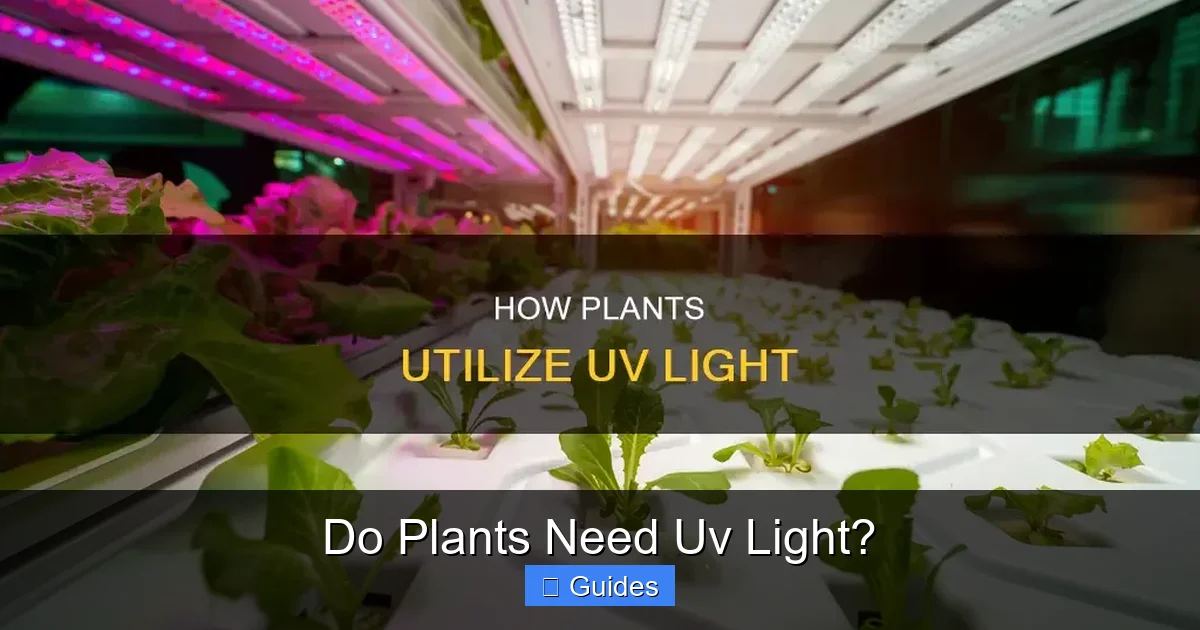
Let’s clarify one crucial point upfront: plants do not rely on UV light for their primary energy production through photosynthesis. That critical job belongs mainly to visible light.
Chlorophyll’s Preference: Red and Blue Light Absorption
The heroes of photosynthesis are chlorophyll pigments, which are responsible for giving plants their green color. Chlorophyll *a* and chlorophyll *b* are exceptionally good at absorbing light in the blue and red regions of the visible spectrum. These wavelengths provide the perfect energy packets to drive the chemical reactions that convert carbon dioxide and water into sugars (food) and oxygen. Green light, on the other hand, is mostly reflected, which is why plants appear green to us.
The Role of Other Pigments
While chlorophyll takes center stage, plants have other fascinating pigments, too. Carotenoids (giving oranges and yellows) and anthocyanins (giving reds, purples, and blues) also play roles in light absorption and protection. These pigments absorb different wavelengths of light, sometimes acting as “accessory” pigments that transfer energy to chlorophyll, and other times serving as protective compounds against excessive light, including UV light.
Why UV Isn’t Directly for Food Production
The energetic wavelengths of UV light are simply too high for the delicate machinery of photosynthesis. Instead of being used to create sugar, high energy UV light can actually damage the photosynthetic apparatus. Think of it like trying to power a light bulb with a lightning bolt – too much energy, too destructive. So, while UV light is undeniably important, it’s not for making the plant’s food. Its role is more about signaling and defense, like a sophisticated alarm system.
The “Good” Side of UV: Stress Hormesis and Plant Defense
This is where the story of UV light gets really interesting. While not directly photosynthetic, UV light, especially UVA and UVB, acts as an environmental stressor that, in controlled doses, can actually make plants stronger, healthier, and more potent. This concept is called *hormesis*, where a small amount of stress creates a beneficial response.
UVA: The Gentle Nudge
UVA light is generally the least harmful of the UV spectrum for plants, and in many cases, it’s quite beneficial. It’s like a gentle reminder from the sun that “Hey, I’m here!” Plants respond to UVA by:
- Increasing Flavonoid Production: Flavonoids are powerful antioxidants and pigments. UVA exposure can significantly boost their synthesis. These compounds act as natural sunscreens for plants, protecting them from stronger UV light and other environmental stressors. They also contribute to the vibrant colors we see in many fruits and flowers.
- Enhancing Pest Resistance: Some studies suggest that UVA light can increase a plant’s natural defenses against certain pests and pathogens, possibly by triggering the production of defensive compounds or thickening cell walls.
- Improving Plant Coloration: UVA light plays a role in the development of anthocyanins, leading to more vivid reds, purples, and blues in leaves and flowers, enhancing their visual appeal.
UVB: The Double-Edged Sword
UVB light is where the real power (and potential danger) lies. It’s a stronger stressor than UVA, and plants respond to it with a more robust set of adaptive mechanisms.
- Triggering Secondary Metabolite Production: This is perhaps the most exciting aspect of UVB for many growers. Exposure to moderate levels of UVB light can significantly increase the production of secondary metabolites. These are compounds not directly involved in basic growth but crucial for defense, communication, and other specialized functions. For example:
- In culinary herbs like basil and mint, UVB can boost the production of essential oils, leading to more intense flavors and aromas.
- In fruits and vegetables, it can increase antioxidant levels (like Vitamin C and carotenoids) and improve color intensity.
- For medicinal plants, such as cannabis, UVB light is known to enhance the synthesis of cannabinoids (like THC and CBD) and terpenes, which contribute to the plant’s medicinal properties and unique aroma profile.
- Boosting Natural “Sunscreen” Production: Just like humans, plants produce protective compounds in response to UVB. Flavonoids, once again, play a crucial role here, acting as internal sunscreens to shield sensitive cellular machinery from damage.
- Adapting to Stress: UVB light can lead to thicker leaves, shorter stems, and overall more compact growth. These are adaptations to high light environments, reducing the surface area exposed to intense light and wind, making the plant more resilient.
However, it’s vital to remember that “moderate” is the key word here. Too much UVB light will quickly shift from beneficial stress to detrimental damage, causing stunted growth, leaf discoloration, and even death.
UVC: The Harmful Wavelength
As mentioned earlier, UVC light is the most dangerous. While it’s used in industrial settings for sterilization due to its ability to destroy DNA, it has no beneficial role in direct plant growth and is actively harmful. Prolonged exposure to even small amounts of UVC would severely damage plant tissues and prevent growth. It’s crucial to understand this distinction and avoid exposing plants to UVC at all costs, unless it’s for very specific, controlled surface sterilization of tools or growing media before planting.
Practical Applications: Harnessing UV for Plant Growth
Given the nuanced benefits, many growers are now looking at how to strategically incorporate UV light into their cultivation practices. This is especially true for indoor environments where natural UV light is often completely absent.
For Indoor Growers: Supplementing with UV
Indoor grow lights, primarily LEDs, are excellent at providing the visible spectrum necessary for photosynthesis. However, most standard LED grow lights emit very little, if any, UV light. This means indoor plants often miss out on the beneficial stress responses that UV light provides.
- When and Why: Growers consider adding UV light (specifically UVA and low-dose UVB) during specific growth phases. For example, during the flowering or fruiting stage, introducing UV light can enhance the production of secondary metabolites that contribute to flavor, aroma, and potency. It’s typically not needed during the vegetative stage when bulk growth is the priority.
- Types of Lamps: Specialized UV grow lights are available, often as supplemental bars or fixtures that can be added alongside existing grow lights. Look for lights that specify UVA or a balanced UVA/low-UVB output. Avoid any lights labeled primarily as “germicidal” as these often emit UVC.
- Cautions: Start with very low intensity and short exposure times (e.g., 1-2 hours per day, gradually increasing if plants respond well). Monitor your plants closely for any signs of stress like leaf burn, curling, or discoloration.
Enhancing Flavor, Color, and Potency
The evidence is strong: controlled UV light exposure can make your plants not just grow, but *excel* in specific qualities.
- Herbs and Spices: Imagine basil with a more pungent aroma or mint with a sharper, clearer taste. UV light can enhance the essential oil content, leading to a richer sensory experience.
- Fruits and Vegetables: Tomatoes grown with some UV exposure might develop a deeper red color and potentially higher antioxidant levels. Bell peppers could have more vibrant hues. The goal here is to push the plant to produce more of the compounds that make it appealing and nutritious.
- Medicinal Plants: This is perhaps where the most research and practical application are focused. For plants like cannabis, strategic UVB exposure can significantly increase the concentration of cannabinoids (THC, CBD) and terpenes, making the final product more potent and flavorful. It’s a delicate dance, but the rewards can be substantial.
Pest and Disease Management
While UVC is used to sterilize surfaces, direct UVC exposure is not for living plants. However, the indirect effects of UVA and UVB in strengthening a plant’s natural defenses can contribute to overall pest and disease resistance. A plant that has been gently stressed by appropriate UV light is often a tougher plant, better equipped to fend off fungal infections or insect attacks. This isn’t a direct killer of pests, but rather a way to empower the plant itself.
Outdoor Plants and Natural UV Exposure
Outdoor plants, by their very nature, are constantly exposed to natural UV light from the sun. They have evolved sophisticated mechanisms to cope with and even benefit from it. They produce their own natural sunscreens (flavonoids), adjust leaf angles, and can even develop thicker cuticles to protect themselves. This constant interaction is why outdoor-grown produce often boasts superior flavor and nutritional profiles compared to their indoor, UV-deprived counterparts. It highlights the importance of UV light as a natural and essential part of a plant’s environment.
The Risks and How to Mitigate Them
While the benefits of UV light can be enticing, it’s absolutely crucial to approach its use with caution and respect. Like any powerful tool, it can cause harm if misused.
Too Much of a Good Thing: UVB Damage
Excessive UVB light is detrimental to plants. It can cause:
- DNA Damage: UVB is energetic enough to break chemical bonds in DNA, leading to mutations and impaired cellular function.
- Growth Stunting: Plants may respond to overwhelming UVB by allocating resources to repair and protection rather than growth, resulting in smaller, less vigorous plants.
- Chlorosis and Necrosis: Leaves can turn yellow (chlorosis) or develop brown, dead spots (necrosis) from UV burn.
- Reduced Photosynthesis: The photosynthetic machinery itself can be damaged, leading to a drop in energy production.
Remember, the goal is *hormesis* – beneficial stress – not outright damage.
Protecting Yourself and Your Plants
When working with artificial UV light sources, safety for both you and your plants is paramount.
- For Yourself: Always wear appropriate UV-blocking eyewear (like sunglasses rated for UV400 or specialized grow room glasses) and consider long sleeves or protective clothing when exposed to UV grow lights. UV light, especially UVB, is harmful to human skin and eyes.
- For Your Plants:
- Start Slow: Introduce UV light gradually. Begin with very short exposure times (e.g., 30 minutes to 1 hour per day) and gradually increase, observing your plants closely.
- Low Intensity: Use UV fixtures that allow for intensity adjustment or place them further away from the plant canopy.
- Specific Wavelengths: Focus on UVA and only carefully controlled, low levels of UVB. Avoid UVC entirely.
- Monitor Closely: Look for any signs of stress – discolored leaves, stunted growth, or wilting. If you see these, reduce UV exposure immediately.
Choosing the Right UV Light Source
Not all UV lights are created equal. If you decide to experiment with UV light, do your research:
- Spectrum Specificity: Look for grow lights or supplemental bars that clearly state their UV spectrum output (e.g., “UVA spectrum,” “low-dose UVB”).
- Dimmable Options: Lights with dimming capabilities offer more control over intensity, which is crucial for safe and effective use of UV light.
- Reputable Brands: Purchase from trusted manufacturers known for quality horticultural lighting.
Conclusion
So, do plants need UV light? The answer is a resounding “it’s complicated, but yes, indirectly and strategically!” Plants don’t *need* UV light to perform basic photosynthesis, the core process of growth. However, they absolutely *respond* to UV light, particularly UVA and UVB, as vital environmental signals. These signals trigger a cascade of protective mechanisms and metabolic enhancements that can lead to stronger, more resilient plants with improved flavor, aroma, color, and even medicinal properties.
For outdoor plants, UV light is a natural and integral part of their existence, shaping their evolution and defense strategies. For indoor growers, the strategic addition of controlled UVA and low-dose UVB can be a game-changer, pushing plants beyond mere survival to thriving and expressing their full genetic potential. But remember, the key word is “strategic.” Understanding the different types of UV light, their specific effects, and the potential for harm is paramount. By respecting the power of the invisible spectrum and applying it wisely, you can unlock a new level of growth and quality in your garden, transforming your plants in truly remarkable ways.
🎥 Related Video: Top Low-Light Indoor Plants 🌿 | Perfect for Dark Corners!
📺 Plant Whisper Secrets
No sunlight? No problem! ☁️ These amazing low-light indoor plants thrive in near darkness, making them perfect for …
Frequently Asked Questions
Is UV light always bad for plants?
No, UV light is not always bad. While UVC is highly damaging, UVA light is generally beneficial, and moderate levels of UVB can trigger positive stress responses in plants, leading to enhanced qualities. The key is balance and controlled exposure.
How does UV light affect plant flavor and aroma?
UV light, particularly UVB, can stimulate plants to produce more secondary metabolites such as terpenes and essential oils. These compounds are directly responsible for the unique flavors and aromas in many herbs, fruits, and medicinal plants.
Do plants produce sunscreen in response to UV light?
Yes, plants naturally produce compounds like flavonoids in response to UV light exposure, especially UVB. These compounds act as a protective “sunscreen,” helping to shield the plant’s sensitive cells and DNA from UV damage.
What happens if a plant gets too much UVB?
Too much UVB light can lead to severe damage, including DNA mutations, stunted growth, yellowing or browning of leaves (chlorosis or necrosis), and a significant reduction in overall plant health and yield. It’s crucial to use UVB cautiously and in controlled doses.
Can I just use any UV lamp for my plants?
No, you should not use just any UV lamp. Germicidal UVC lamps are extremely harmful to plants and should be avoided for direct plant exposure. Look for specialized horticultural UV lamps that specify UVA or a balanced UVA/low-UVB output, and always use them with caution and proper safety measures.
Why do outdoor plants seem to handle UV light better than indoor plants?
Outdoor plants have evolved over millennia in environments with natural UV light. They have developed inherent genetic mechanisms and physiological adaptations, such as producing protective compounds and adjusting their growth, to cope with and benefit from the varying levels of natural UV light from the sun. Indoor plants, often grown without UV, lack these adaptive triggers.
