


As an Amazon Associate, We earn from qualifying purchases.
UV light for plants offers a nuanced relationship, with specific wavelengths providing significant benefits. While excessive exposure can be harmful, carefully controlled UVA and UVB can enhance plant defenses, boost cannabinoid and terpene production, and improve overall stress resistance. Understanding the right spectrum and duration is key to leveraging UV’s power for healthier, more robust plants.
Is Uv Light Good for Plants?
Have you ever wondered about the invisible forces at play in your garden? We often think about sunlight in terms of visible light – the beautiful spectrum of colors that powers photosynthesis and makes plants grow green and lush. But what about the parts of the spectrum we can’t see, like ultraviolet (UV) light? Is UV light good for plants, or is it something they need protection from? The answer, like so many things in nature, isn’t a simple yes or no. It’s a fascinating story of subtle benefits, potential dangers, and intricate plant adaptations.
For many years, the primary focus in horticulture, especially indoor growing, has been on providing optimal Photosynthetically Active Radiation (PAR) – the visible light spectrum from 400 to 700 nanometers. This is, undeniably, crucial for plant life. However, as our understanding of plant biology deepens, we’re discovering that other parts of the electromagnetic spectrum, including UV light, play a surprisingly vital role in plant development, resilience, and even the production of those wonderful compounds that give plants their unique flavors, aromas, and medicinal properties. This article will dive deep into the world of UV light for plants, exploring its various forms, how plants respond, and how you might harness its power safely and effectively in your own garden.
So, let’s peel back the layers of scientific understanding and get to the bottom of whether introducing UV light to your plants is a smart move. We’ll look at the different kinds of UV, what specific benefits they might offer, the risks of overexposure, and practical tips for using UV light to enhance your plant’s health and vigor. Get ready to illuminate your understanding of plant light requirements!
Key Takeaways
- UV Light is Not Monolithic: There are three main types (UVA, UVB, UVC), each with different effects on plants. UVA is generally benign or beneficial, UVB has potent effects (both good and bad), and UVC is almost always harmful.
- Benefits of Controlled UV Exposure: Specific doses of UVA and UVB can trigger beneficial plant responses, including increased production of secondary metabolites (like cannabinoids, terpenes, flavonoids), enhanced pest and disease resistance, and improved structural integrity.
- Risks of Excessive UV: Too much UV light, especially UVB, can lead to DNA damage, reduced photosynthesis, stunted growth, oxidative stress, and even plant death. UVC is lethal.
- Plants Adapt to UV Stress: Plants have evolved sophisticated mechanisms, such as producing UV-absorbing compounds and specialized photoreceptors, to cope with and utilize UV radiation. This is a form of “hormesis,” where low stress leads to beneficial adaptations.
- Practical Application Requires Caution: For indoor growers, supplementing with UV light requires careful consideration of spectrum, intensity, duration, and distance from plants to maximize benefits while avoiding harm. Safety for the grower is also paramount.
- Species-Specific Responses: Not all plants react to UV light in the same way. High-altitude or sun-loving plants often show more pronounced positive responses compared to shade-dwelling species.
Quick Answers to Common Questions
Is UV light always bad for plants?
No, UV light is not always bad. While UVC is harmful, carefully controlled exposure to UVA and even low-dose UVB can provide significant benefits for plant health and development.
What type of UV light is most beneficial for plants?
UVA light is generally considered beneficial for plants, helping to stimulate secondary metabolite production. Low doses of UVB can also trigger defense mechanisms and enhance compounds, but too much can be harmful.
Can UV light increase the potency of cannabis?
Yes, controlled exposure to UVB light has been shown to increase the production of cannabinoids like THC and CBD, as well as terpenes, which can enhance the potency and aromatic profile of cannabis plants.
How much UV light should I give my plants?
The optimal amount varies by plant species and growth stage. It’s crucial to start with very low intensity and short durations (e.g., 1-4 hours per day) during the flowering stage, and gradually increase while closely monitoring your plants for any signs of stress.
What are the signs of too much UV light on plants?
Signs of excessive UV light include yellowing or bleaching of leaves, brown spots, stunted growth, crispy leaf edges, and general signs of stress. If these appear, reduce the UV intensity or exposure time immediately.
📑 Table of Contents
Understanding UV Light: Not All Rays Are Created Equal
Before we can talk about whether UV light is good for plants, we need to understand what UV light actually is. UV light is part of the electromagnetic spectrum, just beyond the violet end of visible light. It’s typically divided into three main categories based on wavelength, and these distinctions are crucial because each type interacts with plants very differently.
UVA (Ultraviolet A) – The Gentler Side of UV
UVA light has wavelengths ranging from approximately 315 to 400 nanometers (nm). This is the “long-wave” UV, often called “black light.” It’s the least energetic and least damaging type of UV that reaches the Earth’s surface in significant amounts. For plants, UVA is generally considered beneficial or at least benign. It can penetrate deeper into plant tissues than UVB and plays a role in plant development and signaling. Many studies suggest that UVA can help stimulate secondary metabolite production without causing significant stress or damage, making it a potentially valuable component of a plant’s light diet.
UVB (Ultraviolet B) – The Potent Player
UVB light falls in the 280 to 315 nm range. This is the “medium-wave” UV, and it’s far more energetic and potentially damaging than UVA. Most of the UVB from the sun is absorbed by the ozone layer, but a significant portion still reaches the Earth’s surface. For plants, UVB is a double-edged sword. On one hand, it’s a powerful stressor that can cause DNA damage and inhibit photosynthesis. On the other hand, plants have evolved sophisticated mechanisms to detect and respond to UVB. In controlled doses, UVB is a major trigger for defense mechanisms and the production of a wide array of beneficial compounds.
UVC (Ultraviolet C) – The Sterilizer
UVC light, with wavelengths from 100 to 280 nm, is the most energetic and dangerous form of UV radiation. Fortunately, virtually all UVC from the sun is absorbed by the Earth’s ozone layer and atmosphere, meaning plants in natural environments rarely, if ever, encounter it. UVC is extremely harmful to all living organisms because it readily breaks down DNA and RNA. For this reason, UVC is primarily used in artificial settings for sterilization purposes, like purifying water or air, or sanitizing surfaces. It is absolutely not recommended for plant growth and can cause severe, irreversible damage or death to plants.
The Surprising Benefits of UV Light for Plants
Now that we understand the different types of UV, let’s explore why some growers are choosing to incorporate specific wavelengths into their lighting setups. When applied correctly, certain forms of UV light for plants can unlock remarkable advantages.
Enhanced Secondary Metabolite Production
Perhaps the most celebrated benefit of controlled UV exposure is its ability to boost the production of secondary metabolites. These are compounds not directly involved in the primary growth processes (like photosynthesis) but play crucial roles in plant defense, signaling, and adaptation.
- Flavonoids and Anthocyanins: These are powerful antioxidants and pigments. UV light exposure often increases their concentration, which acts as a natural sunscreen for the plant. For us, this means potentially higher nutritional value and vibrant colors in fruits and vegetables.
- Terpenes and Cannabinoids: For plants like cannabis, specific herbs, and certain fruits, UV (especially UVB) can significantly increase the production of terpenes (responsible for aroma and flavor) and cannabinoids (like THC and CBD). This is because these compounds act as a protective layer against UV radiation. The plant essentially “tans” itself with these beneficial compounds.
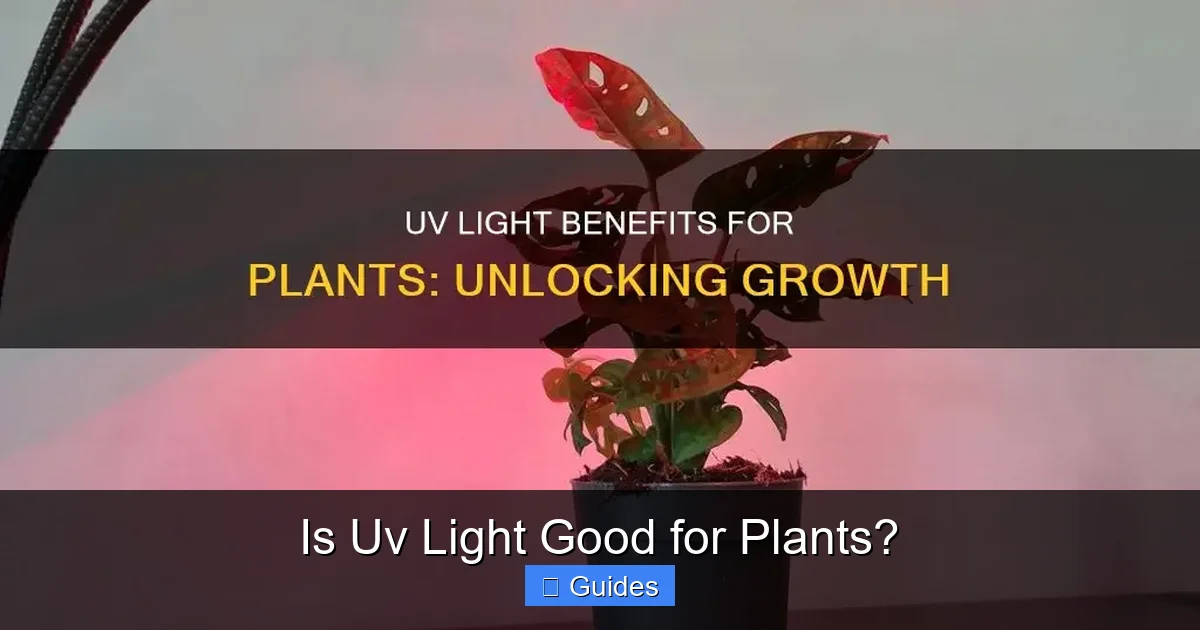
Visual guide about Is Uv Light Good for Plants?
Image source: shuncy.com
Improved Pest and Disease Resistance
Think of UV light as a gentle stressor that makes plants tougher. When exposed to appropriate levels of UV, plants often activate defense pathways. They produce compounds that deter herbivores (pests) and inhibit the growth of pathogens (diseases). This means your plants become more resilient to common garden threats, potentially reducing the need for chemical interventions. For instance, studies have shown that UV exposure can make plants more resistant to fungal infections and even certain insect pests.
Structural and Morphological Changes
UV light can also influence how a plant grows physically. Plants exposed to certain UV wavelengths may develop:
- Thicker Cuticles: The waxy outer layer of leaves can become more robust, offering better protection against water loss and physical damage.
- More Compact Growth: Some plants exhibit shorter, sturdier stems and a more compact growth habit, which can be advantageous in certain growing environments or for specific plant types.
- Stronger Stems: The production of lignin, a structural polymer, can increase, leading to stronger stems and branches.
These changes can lead to more robust, healthier plants overall.
Increased Antioxidant Levels and Nutritional Value
As plants produce more protective compounds like flavonoids to combat UV stress, they inherently become richer in antioxidants. When we consume these plants, we benefit from these elevated levels. This means that carefully managed UV light for plants might not only make them more robust but also more nutritious and beneficial for human consumption, contributing to better flavor profiles and enhanced health properties.
The Dark Side: When UV Light Becomes Harmful
While the benefits of UV light for plants are exciting, it’s crucial to remember that there’s a fine line between beneficial stress and detrimental damage. Excessive or uncontrolled exposure to UV light, particularly UVB and UVC, can have severe negative consequences for your plants.
DNA Damage and Mutation
The most significant danger of excessive UVB and any UVC is its ability to damage DNA. UV radiation has enough energy to break molecular bonds, including those in DNA strands. This damage can lead to mutations, which can impair cell function, disrupt growth, and even lead to cell death. Think of it like a plant getting a severe sunburn at a cellular level; its genetic information gets scrambled, making it difficult to perform its normal functions.
Reduced Photosynthesis and Stunted Growth
Chlorophyll, the green pigment vital for photosynthesis, is sensitive to high levels of UV radiation. Excessive UV can degrade chlorophyll and damage the photosystems within plant cells, leading to a reduction in photosynthetic efficiency. When a plant can’t convert sunlight into energy effectively, its growth slows down, leading to stunted plants and significantly reduced yields. Instead of focusing energy on growing, the plant diverts resources to repair damaged cells, further hindering development.
Oxidative Stress and Chlorophyll Degradation
High UV exposure can also lead to an increase in reactive oxygen species (ROS) within plant cells, a condition known as oxidative stress. ROS are highly reactive molecules that can damage cell components like proteins, lipids, and DNA. While plants produce antioxidants to combat this, an overwhelming amount of ROS can overwhelm their defenses, leading to cellular damage. Visually, this might manifest as chlorosis (yellowing of leaves) or even necrosis (browning and death of plant tissue), as chlorophyll breaks down.
Leads to Plant Death (Especially with UVC)
As mentioned earlier, UVC light is lethal to plants and virtually all living organisms. Any exposure to UVC will cause severe, rapid, and irreversible damage, leading to the death of plant tissue or the entire plant. Even high doses of UVB can be fatal. This emphasizes the critical importance of understanding the type and intensity of UV light you’re using and ensuring it’s never UVC.
How Plants Perceive and Respond to UV
Plants aren’t just passive recipients of light; they are incredibly sophisticated organisms with an innate ability to perceive and respond to their environment, including the presence of UV radiation. This ability is thanks to specialized photoreceptors and complex signaling pathways.
The Role of UVR8 Photoreceptor
One of the most well-understood mechanisms for UV perception in plants involves a specific protein called UVR8 (UV-B RESISTANCE 8). This is the primary photoreceptor responsible for detecting UVB radiation. When UVB photons hit the UVR8 protein, it undergoes a conformational change (a change in shape). This change is like flipping a switch that initiates a cascade of internal responses.
Triggering Defense Mechanisms
Once UVR8 is activated, it triggers a signaling pathway that leads to the activation of genes responsible for producing protective compounds. These include:
- UV-absorbing pigments: Primarily flavonoids and other phenolic compounds that accumulate in the outer layers of leaves, acting as a natural sunscreen to filter out harmful UV radiation before it reaches sensitive photosynthetic tissues.
- Antioxidant enzymes: To neutralize the reactive oxygen species (ROS) generated by UV stress, plants ramp up the production of enzymes like superoxide dismutase (SOD) and catalase.
- DNA repair enzymes: To fix any DNA damage that might occur despite other protective measures.
This response is a beautiful example of how plants adapt to their environment, using a potential stressor as a signal to fortify themselves.
Hormesis: The “What Doesn’t Kill You Makes You Stronger” Principle
The plant’s response to UV light is a classic example of “hormesis.” This biological principle suggests that a low dose of an otherwise harmful agent can induce a beneficial adaptive response in an organism. In the context of UV light for plants, a small, controlled amount of UVB stress prompts the plant to “toughen up,” leading to the production of those valuable secondary metabolites and improved resilience, without suffering the severe damage that high doses would cause.
Changes in Growth and Development
Beyond molecular changes, UV light can also influence growth and development. For instance, plants exposed to UVB often exhibit reduced stem elongation (meaning shorter, stockier plants), thicker leaves, and a more compact canopy structure. These morphological changes are also part of the plant’s strategy to minimize its surface area exposed to intense UV or to improve light capture in specific ways.
Practical Applications: Harnessing UV for Your Garden
Understanding the science is one thing, but how can you actually use UV light for plants in your own growing setup? For indoor growers, especially, supplemental UV lighting offers a powerful tool to enhance plant characteristics, but it requires careful consideration and a cautious approach.
Supplemental UV Lighting for Indoor Grows
If your plants are grown indoors under artificial lights, they typically don’t receive the full spectrum of light found in natural sunlight, which includes UV. Adding supplemental UV lighting can fill this gap.
- Dedicated UV Fixtures: These are specialized lights that emit primarily UVA and/or UVB wavelengths. They can be fluorescent tubes, LEDs, or other types.
- Full-Spectrum LED Grow Lights with UV Diodes: Many modern LED grow lights now include a small percentage of UV diodes (usually UVA, sometimes low UVB) integrated into their full-spectrum array. This offers a convenient all-in-one solution.
Remember, the goal is *supplemental* UV, not to replace your primary PAR lighting.
Spectrum Specificity: Focus on UVA and Low UVB
When choosing a UV source, prioritize UVA and a small, controlled amount of UVB.
- UVA Dominance: UVA is generally safer and less likely to cause harm, while still contributing to metabolite production. Many growers start by adding UVA-only fixtures.
- Controlled UVB: If you decide to incorporate UVB, choose fixtures designed specifically for horticulture that provide a very low percentage of UVB (e.g., 2-5% of total light output). Even better, opt for lights with adjustable UVB intensity if available. Avoid anything that emits UVC.
Always check the spectral output of any UV light you purchase to ensure it aligns with your goals and safety.
Duration and Intensity: Less is Often More
This is where caution is paramount. You are aiming for hormesis, not damage.
- Short Bursts: Start with very short exposure times. Many growers apply UV for only 1-4 hours per day, often during the middle of the light cycle.
- Gradual Increase: Begin with the lowest intensity and shortest duration, then gradually increase if your plants show positive responses without signs of stress.
- Late Vegetative to Flowering Stage: UV exposure is most commonly applied during the late vegetative and especially during the flowering stages, as this is when the production of secondary metabolites like terpenes and cannabinoids is most active.
Think of it like easing into sunbathing; you wouldn’t spend all day on the beach on your first try.
Distance from Plants: The Closer, The Stronger
UV light intensity decreases rapidly with distance. Positioning your UV lights correctly is crucial.
- Follow Manufacturer Guidelines: Always adhere to the distance recommendations provided by the light manufacturer.
- Start Further Away: When in doubt, start with the UV light further away from your plant canopy and gradually bring it closer if no adverse reactions are observed.
- Monitor Closely: Observe your plants daily for any signs of stress, such as leaf discoloration, burning, or stunted growth. If you see negative effects, increase the distance or reduce exposure time.
Plant Species Variation: Not All Plants Are Equal
Different plants respond differently to UV light. Plants that naturally grow in high-altitude environments or regions with intense sunlight (e.g., cannabis, some high-altitude herbs, certain desert plants) are often more adapted to UV and may show more pronounced positive responses. Shade-loving plants, on the other hand, might be more sensitive and susceptible to damage. Research the specific needs and tolerances of the plants you are growing.
Safety Precautions for Growers
UV radiation is harmful to humans too! Just as it can damage plant DNA, it can damage your skin and eyes.
- Eye Protection: Always wear UV-blocking safety glasses or goggles when working near active UV lights. Standard sunglasses are not sufficient.
- Skin Protection: Avoid prolonged skin exposure. Wear long sleeves and gloves if you need to work closely with plants under active UV lights.
- Warning Signs: If possible, place warning signs around your grow area indicating UV lights are in use.
Your safety is just as important as your plants’ health!
Optimizing UV Exposure: Finding the Sweet Spot
The journey to incorporating UV light for plants successfully is about finding that elusive “sweet spot” – the perfect balance where benefits are maximized and risks are minimized. This isn’t a one-size-fits-all solution, but rather an ongoing process of observation, adjustment, and understanding your specific plants and environment.
Balancing Benefits and Risks
The core of optimization lies in managing the trade-off. You’re aiming to induce a mild, beneficial stress without pushing the plant into a detrimental state. This means being conservative with intensity and duration, especially when first introducing UV. Think of it as a subtle nudge rather than a powerful shove. A little bit of stress makes plants stronger, but too much stress breaks them down.
Monitoring Plant Health: Signs to Look For
Your plants will tell you if your UV regimen is working or if it’s too much.
- Positive Signs: Increased trichome production (for cannabis), deeper leaf coloration (from anthocyanins), a noticeable boost in aroma, and generally robust growth with good structure.
- Negative Signs: Yellowing or bleaching of leaves (especially near the UV source), brown spots (sunburn), stunted growth, wilting, or crispy leaf edges. If you see these signs, immediately reduce UV intensity, increase distance, or shorten exposure time.
Regular, close inspection is your best friend in this process.
Integrating with Other Environmental Factors
UV light doesn’t exist in isolation; it interacts with other environmental parameters.
- Temperature: Higher temperatures can exacerbate UV stress, so ensure your grow space is well-ventilated and within optimal temperature ranges.
- Humidity: Maintaining appropriate humidity levels can help plants cope with stress, including UV.
- CO2 Levels: Elevated CO2 levels can sometimes help plants utilize light more efficiently and potentially mitigate some stress effects, but this is not a substitute for proper UV management.
Consider your entire grow environment as an interconnected system when making adjustments.
Starting with Low Doses and Observing
The best advice for anyone wanting to experiment with UV light for plants is to start low and go slow. Begin with low-intensity UVA-only for short periods. Observe your plants for several days or a week. If they respond positively, you might gradually increase exposure time or introduce a very small amount of UVB. Document your changes and your plants’ responses to learn what works best for your specific setup and species.
The Role of Natural Sunlight
It’s important to remember that natural sunlight already contains the full spectrum of UV light (UVA and UVB) in varying intensities depending on location, time of day, and season. For outdoor growers, the sun is doing all the work, and plants have evolved over millennia to thrive in these conditions. For indoor growers, the challenge is to intelligently replicate or supplement these natural conditions to achieve specific benefits without the inherent variability and potential harshness of direct, unfiltered sunlight.
Ultimately, UV light for plants is a powerful tool in the arsenal of a discerning grower. It’s not a magic bullet, but rather a nuanced element that, when understood and applied with care, can significantly enhance the quality, resilience, and unique characteristics of your plants. By embracing a scientific approach and prioritizing careful observation, you can unlock the hidden potential of UV radiation in your garden.
🎥 Related Video: What are the risks & benefits of adding UV light to your grow? | Maxibright LED Bar | Hints & Tips
📺 GroWell Horticulture
Here we discuss the basics of adding UV light to your grow light spectrum and cover the possible risks and benefits that come with …
Frequently Asked Questions
Does natural sunlight provide UV for plants?
Yes, natural sunlight contains both UVA and UVB radiation. The amount varies based on geographical location, altitude, time of day, and atmospheric conditions. Plants growing outdoors are naturally exposed to and adapt to these UV levels.
Can UV light help plants resist pests?
Absolutely. Controlled UV light exposure can trigger a plant’s natural defense mechanisms, causing them to produce compounds that act as deterrents against various pests and even some diseases. It essentially makes the plant tougher and less appealing to invaders.
Is UV light necessary for plant growth?
UV light is not strictly “necessary” for a plant to grow and photosynthesize, as these primary functions are driven by visible light (PAR). However, specific UV wavelengths can significantly enhance secondary characteristics like metabolite production, resilience, and nutritional value, making it a valuable supplement.
What types of plants benefit most from supplemental UV light?
Plants native to high-altitude regions or areas with intense sunlight, such as cannabis, many culinary herbs, and some fruiting plants, tend to show the most pronounced benefits from supplemental UV light. These plants have evolved strong adaptive responses to UV radiation.
Are there any safety concerns for growers using UV lights?
Yes, significant safety concerns exist. UV radiation, especially UVB, can cause damage to human skin and eyes. Growers should always wear UV-blocking safety glasses and protect exposed skin when working near active UV lights to prevent burns and long-term damage.
Should I use UVC light for my plants?
Absolutely not. UVC light is extremely harmful to all living organisms, including plants. It will cause severe, irreversible DNA damage, leading to rapid tissue death. UVC is used for sterilization, not for promoting plant growth.
