


As an Amazon Associate, We earn from qualifying purchases.
Finding the right UV light can seem tricky, but it’s simpler than you think! You can purchase UV light from a variety of places, including large online retailers like Amazon, specialized scientific suppliers such as Grainger, and even local hardware or electronics stores. The key is to match the UV light’s type and intended use with the right vendor, always prioritizing safety features and reputable brands.
Ever found yourself wondering, “Where to buy UV light?” You’re not alone! In today’s world, UV light isn’t just for sci-fi movies or crime scene investigations. It’s a versatile tool used in everything from sanitizing your smartphone to curing nail polish, detecting pet stains, and even growing plants. But with so many different types and applications, figuring out where to find the right one can feel a bit overwhelming.
Whether you’re looking for a powerful germicidal UVC lamp to disinfect surfaces, a handy UVA blacklight to uncover hidden messes, or a specialized UVB bulb for therapeutic use, this guide is here to light your way. We’ll explore all the common places to purchase UV light, both online and in physical stores, breaking down the pros and cons of each. We’ll also equip you with essential tips to ensure you make a safe, informed, and effective purchase. Let’s dive in!
Key Takeaways
- Diverse Retail Options: UV lights are available from major online marketplaces (Amazon, eBay), specialized scientific/industrial suppliers (Grainger), dedicated lighting stores (LightBulbs.com), and even local brick-and-mortar stores (hardware, electronics shops).
- Understand UV Types: Before buying, identify if you need UVA (blacklight, curing), UVB (medical, plant growth), or UVC (germicidal for disinfection), as each type has specific applications and purchasing sources.
- Prioritize Safety: Always look for UV products with safety features like automatic shut-offs, timers, and clear warnings, and be prepared to use personal protective equipment (PPE) like UV-blocking glasses.
- Purpose-Driven Purchase: Your intended use (e.g., sterilizing phones, curing resin, detecting pet stains) will dictate the specific product form (wand, box, lamp) and the best place to buy it.
- Quality and Authenticity Matter: Especially for UVC germicidal lights, research brands, read reviews, and verify certifications to ensure you’re getting an effective and safe product, avoiding counterfeit items.
- Compare and Research: Don’t jump at the first option. Compare prices, features, and user reviews across different platforms and suppliers to make an informed decision.
Quick Answers to Common Questions
Can I buy germicidal UVC light for home use?
Yes, you can buy germicidal UVC light products for home use, such as phone sanitizers, small wands, or air purifiers with UVC components. However, always use them with extreme caution and follow safety guidelines to prevent eye and skin exposure.
Is it safe to buy UV light from general online marketplaces like Amazon?
It can be, but you need to be very discerning. Look for reputable brands with good reviews and explicit safety features. Be wary of generic products with vague descriptions or unrealistic claims, especially for UVC devices, as counterfeits or ineffective products are common.
What’s the best place to buy UV light for curing resin?
For curing resin, you typically need UVA light. You can find dedicated UV curing lamps and flashlights on e-commerce sites like Amazon, in craft stores, or from specialty electronics suppliers. Look for specific wavelengths around 365-405 nm.
Where can I find UV light bulbs for my reptile tank?
Specialized UVB bulbs for reptile tanks are best purchased from dedicated pet stores (online or brick-and-mortar) or online reptile supply retailers. These sources ensure you get bulbs with the correct UVB spectrum crucial for reptile health.
Are UV flashlights for detecting pet stains safe?
UV flashlights for detecting pet stains typically emit UVA light (blacklight), which is generally considered safer than UVC. However, prolonged direct exposure to any UV light, even UVA, can still be harmful to eyes and skin. Always use them sparingly and avoid shining them directly into your eyes.
📑 Table of Contents
Understanding UV Light: Types and Applications
Before you even think about where to buy UV light, it’s crucial to understand what kind you need. UV light isn’t a single thing; it’s a spectrum with different wavelengths, and each has unique properties and uses. Knowing the difference will save you time and ensure you get the right tool for the job.
UVA Light (Blacklight)
This is probably the most common type of UV light people encounter. UVA is often called “blacklight” because it emits light in the longer UV spectrum, which is mostly invisible to the human eye but causes certain substances to fluoresce. It’s generally considered less harmful than other UV types but still requires caution.
- Common Uses:
- Curing: Used in nail salons to cure gel polish, and in industrial settings for curing resins and adhesives.
- Inspection: Detecting counterfeit currency, checking for pet urine stains, identifying scorpions, and verifying invisible ink.
- Entertainment: Glow-in-the-dark parties and special effects lighting.
UVB Light
UVB light sits in the middle of the UV spectrum. It’s the primary cause of sunburn and skin cancer from natural sunlight exposure. However, in controlled environments, it has specific beneficial uses.
- Common Uses:
- Medical Therapy: Used in phototherapy to treat skin conditions like psoriasis and vitiligo under strict medical supervision.
- Plant Growth: Some specific UVB lamps are used in horticulture to promote certain plant characteristics, especially in indoor growing setups.
UVC Light (Germicidal UV)
This is the short-wavelength, high-energy UV light that you often hear about for disinfection. UVC light is extremely effective at killing bacteria, viruses, and other microorganisms by damaging their DNA/RNA. However, it’s also very harmful to human skin and eyes, so UVC devices must always be used with extreme caution and safety measures.
- Common Uses:
- Surface Disinfection: Sanitizing phones, keyboards, countertops, and other objects.
- Air and Water Purification: Used in HVAC systems, water treatment plants, and air purifiers to kill airborne and waterborne pathogens.
- Sterilization: In hospitals, laboratories, and dental offices for sterilizing equipment and rooms.
Different Forms of UV Light Devices
UV light comes in various forms to suit different needs:
- Handheld Wands: Popular for surface disinfection, often UVC.
- Lamps/Bulbs: Replacement bulbs for purifiers, terrariums, or dedicated disinfection units.
- Sanitizing Boxes/Chambers: For small items like phones, keys, or toothbrushes.
- Flashlights: Mostly UVA blacklights for inspection purposes.
- Panel Lights: For larger area disinfection or plant growth.
Once you’ve nailed down the type of UV light and the form you need, you’re ready to explore where to buy UV light.
Where to Buy UV Light Online
The internet offers the widest selection and often the best prices when you’re looking to buy UV light. Here are the top online destinations:
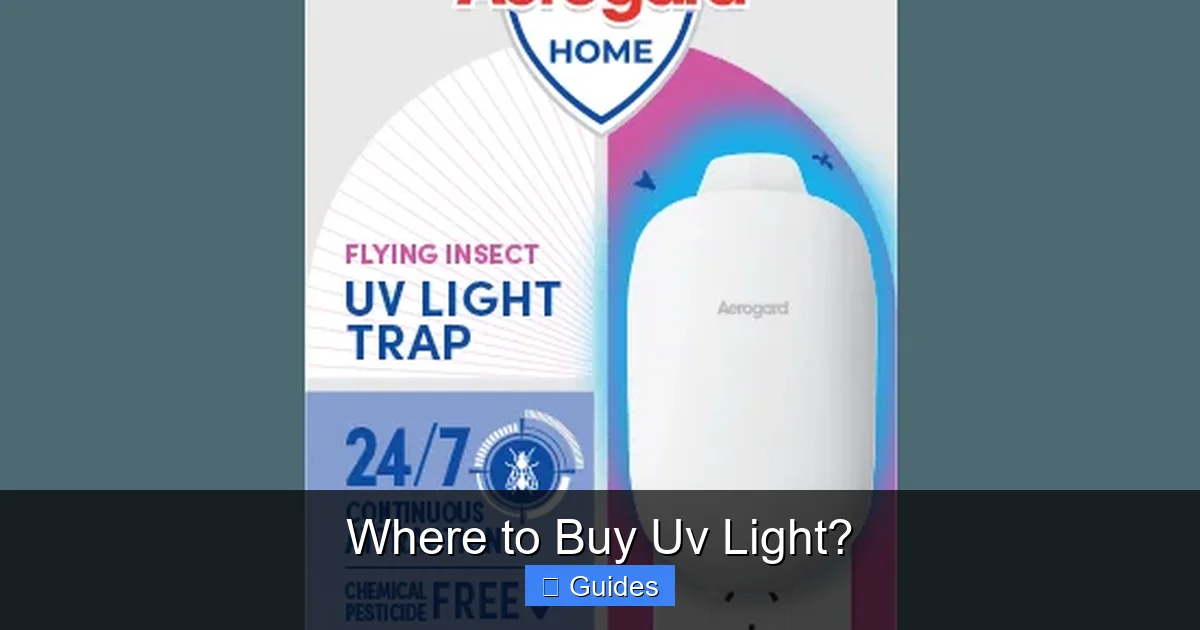
Visual guide about Where to Buy Uv Light?
Image source: aerogard.com.au
E-commerce Giants (Amazon, eBay, Walmart.com)
These massive online marketplaces are usually the first stop for many shoppers. They offer an incredible variety of UV light products, from simple blacklight flashlights to UVC sanitizing wands and even larger air purifiers with UV-C components.
- Pros:
- Vast Selection: You’ll find almost any type of UV light imaginable, often from numerous brands.
- Competitive Pricing: With many sellers vying for your business, prices can be very competitive.
- Customer Reviews: A huge advantage is access to thousands of user reviews, which can help you gauge product effectiveness and reliability.
- Convenience: Easy to order from home and often quick shipping.
- Cons:
- Authenticity Concerns: Counterfeit or low-quality products can be a real issue, especially with UVC devices. It can be hard to verify if a device actually emits the advertised wavelength or power.
- Lack of Expertise: Product descriptions might be misleading or lack detailed technical specifications. Customer service might not be knowledgeable about specific UV applications or safety.
- Over-Hyped Claims: Be wary of products making unrealistic claims about sterilization effectiveness without proper scientific backing.
- Tips for Buying Here: Stick to well-known brands with good reputations. Read reviews carefully, looking for detailed feedback on performance and durability. Check for third-party certifications if available. Be skeptical of deals that seem too good to be true, especially for UVC devices.
Specialty Scientific & Industrial Suppliers (Grainger, McMaster-Carr, Fisher Scientific)
If you’re looking for high-quality, professional-grade UV light products, especially for industrial, laboratory, or advanced disinfection purposes, these suppliers are your best bet.
- Pros:
- High Quality & Reliability: Products from these suppliers are generally top-tier, built for professional use, and often come with detailed specifications and certifications.
- Expert Support: Their customer service teams are typically very knowledgeable and can help you select the right product for specific technical needs.
- Authenticity Guaranteed: You’re far less likely to encounter counterfeit products.
- Specialized Options: They carry specific UV lamps for water purification, HVAC systems, medical applications, and advanced scientific research.
- Cons:
- Higher Cost: Professional-grade equipment comes with a higher price tag.
- Less Consumer-Friendly: Their websites might be geared towards businesses, and product descriptions can be very technical.
- Limited Consumer-Oriented Products: You won’t find many simple UV flashlights or phone sanitizers here.
- Tips for Buying Here: This is the place for serious UVC needs. If you’re outfitting a commercial space or need highly reliable germicidal lamps, invest here.
Dedicated Lighting Stores (LightBulbs.com, 1000Bulbs.com)
These online stores specialize in all things lighting, including a good selection of UV bulbs and fixtures.
- Pros:
- Good Selection of Bulbs: Excellent for finding replacement UV bulbs (UVA, UVB, UVC) for various fixtures, bug zappers, or specialized applications.
- Knowledgeable Staff: Often have staff who understand the technical aspects of different light types.
- Niche Products: You can find specific wavelengths or form factors that might be harder to locate elsewhere.
- Cons:
- Less Focus on Devices: While they have bulbs, they might not have a wide range of complete UV sanitizing devices or flashlights.
- Shipping Costs: Can sometimes be higher for smaller orders.
- Tips for Buying Here: Ideal if you know exactly what type of UV bulb you need, especially for a specific fixture or older device.
Health & Wellness Retailers (e.g., CVS.com, Walgreens.com, specialized health sites)
Many drugstores and health-focused online stores have started carrying consumer-grade UV sanitizing products, particularly for personal use.
- Pros:
- Convenience: Easy to add to a regular online shopping cart.
- Reputable Brands: Often stock well-known brands in the health and personal care space.
- Cons:
- Limited Selection: You’ll mostly find small UVC sanitizers for phones, toothbrushes, or small items, not industrial-grade units.
- May Be Overpriced: Sometimes items can be more expensive compared to general e-commerce sites.
Where to Buy UV Light Locally (Brick-and-Mortar Stores)
Sometimes, you need a UV light today, or you prefer to see and touch a product before buying. Local stores can be a good option for certain types of UV light.
Hardware and Home Improvement Stores (Home Depot, Lowe’s, Ace Hardware)
These stores are surprisingly good places to buy UV light for a few specific applications.
- What You’ll Find:
- UVA Bulbs: Often sold as “black light bulbs” for party effects or bug zappers.
- UVC Germicidal Bulbs: Increasingly, you can find replacement UVC bulbs for HVAC systems or dedicated air purifiers. Some stores may also carry smaller UVC disinfection wands or boxes.
- UV Flashlights: Usually blacklights for leak detection or pet stain finding.
- Pros:
- Instant Gratification: Get your product right away.
- Physical Inspection: You can see the packaging and sometimes even the product.
- Local Support: Easier for returns or exchanges.
- Cons:
- Limited Selection: Compared to online, the variety is much smaller.
- Less Specialized: Staff might not be experts on UV technology.
Electronics Stores (Best Buy, Micro Center)
While not a primary source, some electronics retailers carry specific UV products.
- What You’ll Find:
- UVC Phone Sanitizers: Often stocked alongside phone accessories.
- Blacklight Fixtures: For entertainment purposes.
- Occasionally: Specialized UV curing lights for electronics repair.
- Pros:
- Convenient: If you’re already there for other electronics.
- Cons:
- Very Limited Stock: Don’t expect a wide range.
- Focus on Consumer Tech: Less on industrial or scientific UV.
Pet Stores
For reptile owners, pet stores can be a critical source of UV light.
- What You’ll Find:
- UVB Bulbs: Essential for reptiles to synthesize Vitamin D3. These are specialized UVB lamps designed for animal enclosures.
- Pros:
- Specific Expertise: Staff can often advise on the correct UVB spectrum for different reptile species.
- Cons:
- Niche Product: Only useful if you need reptile lighting.
Grow Shops (Hydroponics Stores)
For those involved in indoor gardening, especially with specific plants, grow shops are the go-to.
- What You’ll Find:
- UVA and UVB Grow Lights: Specific lamps designed to enhance plant growth, cannabinoid production, or other botanical characteristics.
- Pros:
- Specialized Knowledge: Staff are experts in horticultural lighting.
- Cons:
- Highly Niche: Not relevant for general UV light needs.
Essential Considerations Before You Buy
Buying UV light isn’t like buying a regular flashlight. There are important safety and efficacy factors to keep in mind, regardless of where you decide to purchase.
Purpose and Wavelength
This is the absolute first step. Are you looking to:
- Detect pet stains (UVA)?
- Cure resin or gel nails (UVA)?
- Disinfect surfaces or air (UVC)?
- Provide light for reptiles or plants (UVB/UVA)?
Each purpose demands a specific UV wavelength. A UVC germicidal lamp won’t cure nail polish, and a UVA blacklight won’t sterilize your phone effectively. Make sure the product explicitly states the UV type it emits.
Safety Features
Especially when dealing with UVC light, safety is paramount. Exposure to UVC can cause painful eye damage (photokeratitis) and skin burns. Look for devices with:
- Automatic Shut-off: If the device is tilted or opened (for boxes), or after a set time.
- Motion Sensors: To turn off the light if a person or pet enters the area.
- Timers: To ensure exposure is limited.
- Safety Goggles Included: A good sign that the manufacturer takes safety seriously.
- Clear Warning Labels: Indicating the dangers of direct exposure.
Quality and Certifications
The UV light market, particularly for UVC disinfection, has seen an influx of products, some of which are ineffective or even dangerous. Here’s what to look for:
- Reputable Brands: Stick to established manufacturers known for quality and safety.
- Testing and Certifications: Look for evidence of third-party testing, EPA registration (for UVC sanitizers), or adherence to industry standards. Unfortunately, UV testing can be complex, so verify claims.
- Material Quality: For lamps and fixtures, assess the build quality. Flimsy construction can be a red flag.
Power and Coverage Area
Consider the wattage or intensity of the UV light and the area it’s designed to cover. A small handheld wand won’t effectively disinfect a large room, and a low-power blacklight might not reveal faint stains.
- For Disinfection: Higher wattage and appropriate placement are crucial for effective germicidal action.
- For Curing: Sufficient intensity and proper placement ensure even and complete curing.
Reviews and Reputation
Online reviews are invaluable. Look for consistent feedback, both positive and negative, regarding a product’s performance, durability, and safety features. Be wary of products with only a few, overly enthusiastic reviews, as these can sometimes be fabricated.
Budget
UV light products range widely in price. While it’s tempting to go for the cheapest option, especially with UVC devices, remember that safety and efficacy often come with a cost. Invest in a quality product that will work safely and effectively rather than a cheap one that could be dangerous or useless.
Tips for a Safe and Effective Purchase
Making a smart decision when you buy UV light goes beyond just finding a seller. Here are some practical tips:
Always Prioritize Safety
This cannot be stressed enough, especially with UVC light. Never look directly at a UVC light source. Always protect your skin and eyes from direct exposure. If a device doesn’t come with explicit safety instructions or features, reconsider your purchase. Purchase UV light with caution.
Read Product Descriptions Carefully
Don’t just skim. Look for details on wavelength (e.g., “254 nm UVC” or “365 nm UVA”), wattage, coverage area, and any safety certifications. Ambiguous language or a lack of specific technical details should raise a red flag.
Beware of Over-Hyped Claims
Some products, particularly cheap UVC devices, make exaggerated claims about “instant sterilization” or “killing 99.9% of all germs” without scientific basis. While UVC is effective, its efficacy depends on exposure time, intensity, and distance. Be skeptical of anything that sounds too good to be true.
Check Return Policies
Before you commit, especially when buying from online retailers, familiarize yourself with the return policy. This provides a safety net if the product doesn’t meet expectations, arrives damaged, or turns out to be different from its description.
Educate Yourself
The more you understand about UV light and its safe application, the better equipped you’ll be to make an informed purchase. Resources from government health agencies or reputable scientific organizations can be very helpful.
So, where to buy UV light? As you can see, there are many avenues. By understanding the different types of UV light, knowing your intended use, and keeping safety and quality at the forefront of your mind, you can confidently navigate the market and find the perfect UV light solution for your needs. Happy (and safe) shopping!
🎥 Related Video: How to Apply UV Glass on OnePlus | Perfect UV Light Installation Guide #smartphoneoneplusone
📺 Style By KMD
In this video, I’ll show you how to perfectly apply a UV Glass Screen Protector on your OnePlus device using UV Light.
Frequently Asked Questions
What type of UV light is best for disinfecting?
UVC light, specifically around the 254 nanometer wavelength, is best for disinfecting as it effectively destroys the DNA and RNA of bacteria, viruses, and other microorganisms. Always ensure proper safety precautions are followed when using UVC devices.
Do UV lights really kill germs?
Yes, UVC light has been scientifically proven to kill germs, including viruses and bacteria, by damaging their genetic material. However, its effectiveness depends on the UV intensity, exposure time, distance, and whether the light reaches the surface of the germs.
Can I use any UV light for plant growth?
No, you cannot use just any UV light for plant growth. While some plants benefit from specific wavelengths of UVA and UVB, too much UVC can be detrimental. Look for specialized horticultural UV grow lights designed for plants, often found in grow shops.
How can I tell if a UV light product is legitimate and safe?
To determine if a UV light product is legitimate and safe, research the brand’s reputation, read extensive customer reviews, and check for certifications like EPA registration or third-party testing. Prioritize products with clear safety features and detailed technical specifications.
Is it cheaper to buy UV light online or in a physical store?
Generally, it is often cheaper to buy UV light online due to the wider competition and larger selection of sellers. However, physical stores can be convenient for immediate needs or for specific items like replacement bulbs, though prices might be slightly higher.
What protective gear should I use when operating a UVC light?
When operating a UVC light, you should always use protective gear to shield your eyes and skin from direct exposure. This includes wearing UV-blocking safety goggles or a face shield, and long sleeves and gloves to cover any exposed skin.
