


As an Amazon Associate, We earn from qualifying purchases.
The cost of a UV light varies widely, typically ranging from $20 for small portable devices to over $1,500 for whole-home systems. Key factors influencing the price include the type of UV light (handheld, HVAC, water), its power, brand, and installation complexity. Don’t forget to budget for ongoing expenses like replacement bulbs, which usually cost $20-$100 every 6-12 months.
Have you ever wondered about adding a UV light to your home or daily routine? Maybe you’ve seen them advertised for air purifiers, water filters, or even sanitizing your phone. UV light technology has become increasingly popular for its germ-killing capabilities, offering an extra layer of protection against various pathogens. But, like any advanced technology, the question that quickly comes to mind is: “How much does a UV light cost?”
It’s a great question, and one without a single, simple answer. The cost of a UV light can vary dramatically, much like asking about the cost of a car. A small, portable UV sanitizer for your keys will naturally be far less expensive than a sophisticated whole-home UV air purification system. Understanding these differences and what influences the price will help you make an informed decision for your specific needs. Let’s dive into the world of UV light costs and discover what you can expect to pay.
Key Takeaways
- Wide Price Range: The cost of a UV light can be as low as $20 for a basic handheld sanitizer and climb to $1,500 or more for comprehensive whole-home water or HVAC systems.
- Factors Affecting Cost: Price is influenced by the UV light’s application (air, water, surface), power intensity, brand reputation, included features, and whether professional installation is required.
- Common Applications & Costs: Portable UV wands are $20-$100, room air purifiers with UV range $100-$500, HVAC UV lights are $100-$800, and whole-home water purifiers cost $300-$1500.
- Ongoing Expenses Are Crucial: Beyond the initial purchase, budget for replacement UV-C bulbs ($20-$100, typically every 6-12 months) and potential professional installation fees ($100-$500).
- Benefits Justify Investment: Despite the cost, UV lights offer significant benefits like improved air and water quality, reduced allergens and pathogens, and enhanced peace of mind for health-conscious individuals.
- Research is Key: Always research specific product types, compare brands, check certifications (like UL or EPA), and consider your long-term needs and maintenance commitment before buying.
Quick Answers to Common Questions
How much does a UV light cost for a phone sanitizer?
A UV light phone sanitizer typically costs between $20 and $100, depending on the brand, features, and size of the device.
What is the average cost of an HVAC UV light system?
The unit itself for an HVAC UV light system usually costs $100 to $800. With professional installation, the total cost often ranges from $200 to $1300 or more.
How often do I need to replace UV light bulbs, and what’s the cost?
UV light bulbs generally need to be replaced every 6 to 12 months to maintain their germicidal effectiveness. Replacement bulbs typically cost $20 to $100 each.
Can I install a whole-home UV water purification system myself?
While some DIY enthusiasts might attempt it, professional installation is highly recommended for whole-home UV water purification systems. This ensures proper plumbing, electrical connections, and adherence to local codes, which can cost an additional $200-$700+.
Are commercial UV light systems much more expensive than residential ones?
Yes, commercial and industrial UV light systems are significantly more expensive than residential ones. They are designed for large-scale applications and can cost thousands to tens of thousands of dollars, reflecting their power, size, and specialized features.
📑 Table of Contents
Understanding UV Light Types and Their Applications
Before we talk about dollars and cents, it is important to understand what “UV light” actually means in this context. When most people refer to UV light for sanitation, they are talking about UV-C light. This specific wavelength of ultraviolet light is known for its germicidal properties. It disrupts the DNA of bacteria, viruses, and other microorganisms, rendering them unable to reproduce and effectively neutralizing them. This makes UV-C an incredibly useful tool for disinfection.
Different applications require different types and strengths of UV light systems. This is a primary driver of how much a UV light costs. Let’s look at some common uses:
Portable UV Sanitizers
These are small, often battery-operated devices designed to sanitize personal items like cell phones, keys, wallets, or even small surfaces. They come in wand forms, boxes, or clamshell designs. The cost of a UV light in this category is generally the lowest.
UV Air Purifiers and Room Sanitizers
Many stand-alone air purifiers now incorporate UV-C bulbs to kill airborne pathogens in a specific room. There are also dedicated UV-C room sterilizers, often used in offices or medical settings, which are designed solely for disinfection. These systems contribute to a healthier indoor environment, and their price tag reflects this specialized function.
HVAC UV Lights (In-Duct Systems)
These UV lights are installed directly within your home’s heating, ventilation, and air conditioning (HVAC) system. Their job is to purify the air as it circulates through your ductwork, killing mold, bacteria, and viruses before they spread throughout your house. This is a more permanent and integrated solution. The cost of a UV light for an HVAC system can be a significant investment.
Whole-Home Water Purification UV Systems
If you’re concerned about contaminants in your drinking water, a UV water purification system can be a powerful solution. These systems use UV-C light to sterilize water as it flows into your home, providing safe, disinfected water at every tap. These systems are often installed at the main water line entry point. Thinking about how much a UV light costs for this application will involve plumbing considerations.
Commercial and Industrial UV Systems
While not typically for homeowners, it’s worth noting that hospitals, laboratories, and large industrial facilities use much larger, more powerful, and complex UV-C systems for sterilizing surfaces, air, and water. These systems have a much higher cost due to their scale and specialized requirements.
Factors Influencing UV Light Costs
Knowing the different types is a good start, but what specifically makes one UV light system cost more than another? Several key factors play a role in determining how much a UV light costs.
Type and Purpose
As we’ve seen, the fundamental purpose of the UV light system (handheld, room air, HVAC, water) is the biggest cost differentiator. A simple phone sanitizer will always be cheaper than a whole-home water treatment system.
Power and Intensity (Wattage/UV-C Output)
Higher wattage UV-C bulbs deliver a stronger dose of germicidal light, meaning they can sterilize larger areas or process more air/water faster and more effectively. More powerful bulbs and systems naturally come with a higher price tag. The effectiveness of a UV light system is directly tied to its UV-C output, which in turn influences its cost.
Brand and Quality
Reputable brands with a track record of producing reliable, safe, and effective UV products often have higher prices. These brands typically invest more in research, development, quality control, and obtaining certifications (like UL listed or EPA registered), which adds to their production costs. Cheaper, unbranded options might save you money upfront, but they may lack proper safety features or be less effective.
Features and Smart Technology
Basic UV lights simply turn on and off. More advanced models might include features like:
- Timers: For automated operation.
- Motion sensors: To prevent UV exposure to humans or pets.
- Air quality sensors: To activate UV-C only when needed in air purifiers.
- Smart home integration: Allowing control via apps or voice assistants.
- Filter indicators: For when it’s time to change pre-filters or UV bulbs.
Each added feature contributes to the overall cost of a UV light.
Installation Complexity
Some UV lights, like portable wands, require no installation. Others, like HVAC or whole-home water systems, require professional installation by an electrician, plumber, or HVAC technician. The labor costs for installation can add a significant amount to the total how much a UV light costs.
Replacement Bulb Costs
This is often overlooked! UV-C bulbs degrade over time and need regular replacement to maintain effectiveness. The initial purchase price is just part of the equation. We’ll delve deeper into this below.
Average Cost Breakdown by Application
Let’s get down to some actual numbers to give you a clearer picture of how much a UV light costs across different categories. Please remember these are general ranges, and prices can fluctuate based on sales, specific features, and regional differences.
Portable/Handheld UV Sanitizers
These compact devices are among the most affordable options. They are great for sanitizing small items and surfaces on the go or at home.
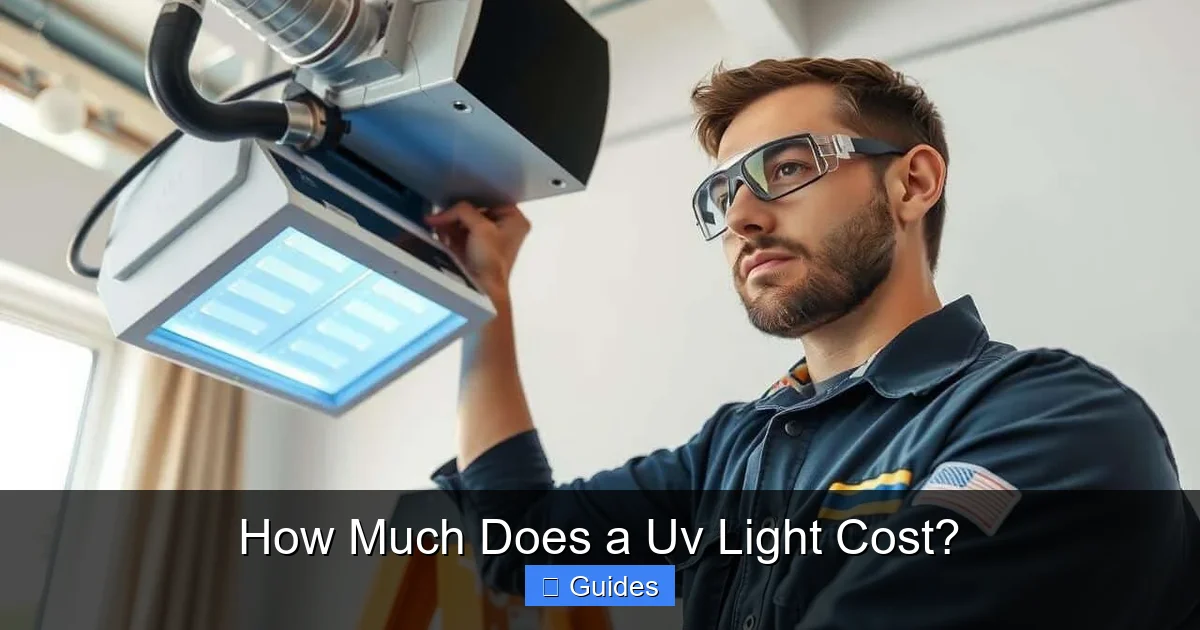
Visual guide about How Much Does a Uv Light Cost?
Image source: cleanairaustinpro.com
- Price Range: $20 – $100
- Examples: Phone sanitizing boxes, small UV wands for keys or remote controls.
- Considerations: Varies by size, battery life, and brand. Effectiveness can be limited by user technique (ensuring proper exposure).
UV Air Purifiers/Room Sanitizers
These are stand-alone units that typically combine a HEPA filter with a UV-C light to clean and sanitize the air in a single room. Some are dedicated UV-C units without filters.
- Price Range: $100 – $500
- Examples: Air purifiers with UV-C for bedrooms, living rooms, or small offices.
- Considerations: Price depends on CADR (Clean Air Delivery Rate), features like smart sensors, and brand reputation.
HVAC UV Lights (In-Duct Systems)
These systems are integrated into your home’s existing HVAC ductwork, purifying air as it circulates throughout your entire house.
- Initial Unit Price Range: $100 – $800
- Professional Installation: $100 – $500+ (depending on complexity and technician rates)
- Total Estimated Cost: $200 – $1300+
- Examples: Single-bulb or dual-bulb systems installed near the coil or in the ductwork.
- Considerations: Installation complexity, whether it’s a single or dual-lamp system, and ease of bulb replacement.
Whole-Home Water Purification UV Systems
Installed at your home’s main water line, these systems disinfect all the water entering your house, protecting against bacteria, viruses, and cysts.
- Initial Unit Price Range: $300 – $1500
- Professional Installation: $200 – $700+ (can be higher for complex plumbing)
- Total Estimated Cost: $500 – $2200+
- Examples: Various flow rates and UV intensity levels for different household sizes and water quality needs.
- Considerations: Flow rate required for your home, need for pre-filters (sediment, carbon) to ensure UV effectiveness, and plumbing modifications.
Commercial/Industrial UV Systems
These are specialized and robust systems for large-scale disinfection. They are not typically purchased by individual homeowners but are important to note for context on the upper end of the spectrum.
- Price Range: Thousands to tens of thousands of dollars, sometimes more.
- Examples: UV systems for municipal water treatment, hospital air sterilization, or industrial surface disinfection.
Beyond the Initial Purchase: Hidden and Ongoing Costs
When asking “how much does a UV light cost?”, it’s vital to look beyond the sticker price. Many UV light systems have ongoing operational and maintenance costs. Overlooking these can lead to surprises down the line.
Replacement UV Bulbs
This is arguably the most significant ongoing expense. UV-C bulbs have a finite lifespan, usually 6 to 12 months, of effective germicidal output. Even if they still glow, their germ-killing power diminishes over time. Replacing them regularly is crucial for maintaining the system’s effectiveness.
- Cost Per Bulb: $20 – $100+ (depending on the system type and wattage)
- Frequency: Typically every 6-12 months.
Professional Installation
As mentioned, for HVAC and whole-home water systems, professional installation is usually recommended, if not required. This ensures the system is installed correctly, safely, and adheres to local codes. The cost of a UV light system can be significantly impacted by these labor charges.
- Cost Range: $100 – $700+
- Factors: Technician’s hourly rate, complexity of the job, and geographic location.
Energy Consumption
While UV lights generally don’t consume a massive amount of electricity, they do use some. Most residential UV-C bulbs use between 10 to 70 watts, which is comparable to a standard light bulb. For systems running 24/7, this adds a small amount to your electricity bill. The energy cost of a UV light is usually quite low in the grand scheme of things.
Maintenance and Cleaning
Some UV water purification systems use a quartz sleeve that protects the UV bulb from the water. This sleeve might need occasional cleaning to prevent mineral buildup, which can block UV light and reduce effectiveness. If your system includes pre-filters (like sediment or carbon filters for water or HEPA filters for air), these will also need regular replacement, adding to the total how much a UV light costs over its lifetime.
- Filter Replacement: $10 – $50+ (depending on type and frequency)
- Cleaning Supplies: Minimal, but can be a factor.
Is a UV Light Worth the Cost? Benefits vs. Investment
So, after looking at all these potential expenses, you might be asking yourself: “Is this really worth it?” For many, the answer is a resounding yes, especially when considering the health benefits and peace of mind. The cost of a UV light should be weighed against its advantages.
Health Benefits
UV-C light is incredibly effective at inactivating a wide range of microorganisms, including bacteria, viruses, molds, and fungi.
- Improved Air Quality: For HVAC and air purifiers, this means fewer airborne pathogens, allergens, and odors circulating in your home, potentially reducing allergy and asthma symptoms.
- Safer Water: For water systems, it provides a chemical-free way to ensure your drinking, cooking, and bathing water is free from harmful microbial contaminants.
- Sanitized Surfaces: Portable devices help keep frequently touched items cleaner, reducing the spread of germs.
Peace of Mind
Knowing that you have an extra layer of defense against invisible threats can significantly reduce anxiety, especially during flu season or for individuals with compromised immune systems. This intangible benefit is often priceless.
Long-Term Value
While there’s an initial cost and ongoing maintenance, the longevity of well-maintained UV systems (excluding bulbs) can be many years. When compared to the cost of illnesses, medical bills, or buying bottled water, a UV light system can offer significant long-term value.
Ultimately, whether a UV light is worth the cost depends on your personal priorities, health concerns, and budget. For those seeking enhanced indoor air quality, safer drinking water, or better personal hygiene, the investment often pays off in better health and comfort.
Tips for Choosing a UV Light System
Ready to invest in a UV light? Here are some practical tips to help you choose the right system and understand how much a UV light costs for your specific situation.
- Identify Your Need: What do you want to sanitize? Air, water, surfaces, or specific items? This will narrow down the type of system you need.
- Research Brands and Models: Look for reputable manufacturers with good customer reviews and product warranties. Not all UV light systems are created equal.
- Check for Certifications: For air and water systems, look for certifications like UL (Underwriters Laboratories) for electrical safety or EPA registration for germicidal effectiveness. This assures you’re getting a reliable product.
- Consider Ongoing Costs: Always factor in the cost and availability of replacement bulbs. Some proprietary bulbs can be expensive or hard to find.
- Evaluate Power and Coverage: Ensure the system’s UV-C output or flow rate is appropriate for the area or volume it’s intended to treat. A low-power unit won’t be effective in a large space.
- DIY vs. Professional Installation: Decide if you’re comfortable with a DIY installation for simpler units, or if professional help is necessary for integrated systems like HVAC or whole-home water purifiers. Factor in those labor costs.
- Read Reviews: Customer experiences can provide valuable insight into a product’s real-world performance and durability.
Conclusion
The journey to understanding “how much does a UV light cost?” reveals a diverse landscape of options, each with its own price point and benefits. From affordable portable sanitizers to comprehensive whole-home purification systems, the investment can range from a few dollars to well over a thousand.
The key is to consider your specific needs, research the various types and their features, and factor in not just the initial purchase price but also the ongoing costs of replacement bulbs and potential installation. When viewed through the lens of improved health, enhanced safety, and greater peace of mind, a UV light system can be a valuable addition to your home. Make an informed decision, and you’ll find a UV light solution that fits both your budget and your desire for a cleaner, healthier living environment.
🎥 Related Video: How Much Does An HVAC UV Light Cost??
📺 Advantage Heating & Air Conditioning
A typical range for UV lights designed for HVAC systems is $800 – $1200. At Advantage, We Got You. Visit our website: …
Frequently Asked Questions
What is the primary factor affecting how much a UV light costs?
The primary factor affecting the cost of a UV light is its intended application and type. For instance, a small, portable UV wand for sanitizing personal items will be significantly cheaper than a large, whole-home UV system designed for air or water purification.
Do UV lights increase electricity bills significantly?
No, UV lights generally do not significantly increase electricity bills. Most residential UV-C bulbs consume a relatively low amount of wattage, similar to a standard light bulb, so their impact on your overall energy consumption is usually quite minimal, even when running continuously.
Is professional installation always required for UV light systems?
Professional installation is not always required. Small, portable UV sanitizers or some room air purifiers are plug-and-play. However, integrated systems like HVAC UV lights or whole-home UV water purifiers typically require professional installation by a qualified technician to ensure safety, proper function, and adherence to codes.
What certifications should I look for when buying a UV light?
When purchasing a UV light, especially for air or water purification, look for certifications such as UL (Underwriters Laboratories) for electrical safety. For germicidal effectiveness, some products may be EPA registered or have third-party validation, which indicates they meet certain performance standards.
Are cheaper UV lights as effective as more expensive ones?
Cheaper UV lights may not be as effective as more expensive ones, particularly for integrated systems. Higher-priced units often feature more powerful UV-C bulbs, better build quality, advanced features, and come from reputable brands with proven effectiveness and safety standards. Always research product specifications and reviews.
What is the lifespan of a UV-C bulb, and why does it need replacement?
A UV-C bulb typically has an effective germicidal lifespan of 6 to 12 months, though it may continue to glow beyond this period. It needs replacement because its germ-killing intensity diminishes over time, even if it still emits visible light, making it less effective at disinfecting without a fresh bulb.
