


As an Amazon Associate, We earn from qualifying purchases.
When a light bulb explodes, it can pose immediate dangers from shattered glass, electrical hazards, and potential chemical exposure, especially with fluorescent bulbs containing mercury. While typically not life-threatening, understanding the causes and knowing the correct cleanup procedures for different bulb types is crucial to ensure safety and prevent injury. Taking preventative measures can significantly reduce the risk of an explosion.
Have you ever experienced that sudden, startling “pop!” followed by the sound of tinkling glass? It’s a jolt, isn’t it? One moment, your room is bathed in warm light, and the next, you’re in semi-darkness, staring at a shattered light bulb. Beyond the surprise, a common question immediately springs to mind: “Is it dangerous if a light bulb exploded?”
It’s a valid concern. While often more startling than truly life-threatening, an exploding light bulb isn’t entirely harmless. There are indeed risks involved, from sharp glass fragments scattering across your floor to potential chemical exposure and even electrical hazards. Understanding these dangers, knowing why bulbs explode, and — most importantly — learning how to safely handle the aftermath can turn a moment of alarm into a manageable situation. This guide will walk you through everything you need to know to stay safe and prevent future incidents.
Key Takeaways
- Immediate Dangers: The primary risks from an exploding light bulb are shattered glass fragments, potential electrical shock or short circuits, and in some cases, exposure to harmful chemicals like mercury (from CFLs).
- Causes Vary: Bulbs explode due to various reasons, including manufacturing defects, incorrect wattage, overheating, loose connections, electrical surges, or physical impact. Understanding the cause can help prevent future incidents.
- Bulb-Specific Risks: Different bulb types carry unique dangers. Incandescents mostly present glass and electrical risks, while CFLs require specific mercury cleanup protocols. Halogen bulbs can explode if touched by bare hands.
- Prioritize Safety First: If a bulb explodes, immediately cut power to the fixture. This is the most critical first step to prevent electrical hazards during cleanup.
- Careful Cleanup is Essential: Never use a bare broom or vacuum cleaner for glass shards, especially with CFLs. Use thick gloves, a stiff cardboard, and damp paper towels, then dispose of waste safely in a sealed container.
- Prevention is Key: Choosing the correct wattage, ensuring proper installation, handling bulbs with care, and addressing any flickering or buzzing promptly can significantly reduce the likelihood of a bulb exploding.
- When to Seek Help: If you experience cuts, burns, or suspect significant chemical exposure (e.g., prolonged mercury inhalation symptoms), seek medical attention.
Quick Answers to Common Questions
Can an exploding light bulb cause a fire?
While rare, an exploding light bulb can potentially cause a fire if the explosion is due to a severe electrical fault (like a short circuit) that creates intense heat or sparks, especially if flammable materials are nearby. However, this is not a common occurrence.
Is it safe to vacuum up broken light bulb glass?
No, it is generally not safe to vacuum broken light bulb glass, especially from CFLs. Sharp glass can damage your vacuum cleaner. For CFLs, vacuuming can also spread mercury vapor throughout your home. Manual cleanup with gloves, stiff paper, and damp paper towels is recommended.
What should I do if the bulb base is stuck in the socket after an explosion?
First, cut the power to the fixture at the circuit breaker. Then, wearing thick gloves and eye protection, use needle-nose pliers or a potato half (for grip) to carefully twist out the broken base. If it’s too difficult or you’re unsure, call a qualified electrician.
Are LED bulbs dangerous if they explode?
LED bulbs rarely “explode” in the same way as incandescents or halogens. They usually just stop working or fizzle. If an LED casing breaks, it’s typically due to physical impact. The internal components are generally not toxic, so cleanup mostly involves glass/plastic shards, similar to an incandescent.
How far can glass fly when a light bulb explodes?
The distance glass can fly varies greatly depending on the type of bulb, the force of the explosion, and the surrounding environment. While most fragments will fall directly below or nearby, tiny, sharp shards can sometimes travel several feet, so it’s always wise to clear a wide area.
📑 Table of Contents
The Immediate Dangers of an Exploding Light Bulb
When a light bulb decides to spectacularly fail, the immediate aftermath can present several hazards that you should be aware of. It’s not just a mess; it can be dangerous if a light bulb exploded without proper precautions.
Shattered Glass Hazards
The most obvious and universal danger from an exploding light bulb is the shattered glass. When a bulb shatters, tiny, sharp fragments can fly surprisingly far, landing on carpets, hard floors, furniture, and even in bedding. These shards pose a significant risk:
- Cuts and Punctures: Walking barefoot or handling the debris without thick gloves can lead to painful cuts or punctures.
- Eye Injury: If you are too close when a bulb explodes, tiny glass particles can potentially get into your eyes, causing irritation or more serious injury.
- Ingestion Risk: For homes with small children or pets, small glass fragments on the floor present a risk of accidental ingestion.
Chemical Exposure (Mercury, Phosphor)
While not all bulbs contain harmful chemicals, some do, and their explosion can release these substances into your environment.
- Mercury (CFLs): Compact Fluorescent Lamps (CFLs) contain a small amount of mercury vapor. If a CFL explodes, this mercury can be released as a gas. While the amount is typically very small and unlikely to cause acute poisoning from a single event, it’s still a neurotoxin. Proper ventilation and cleanup are crucial to minimize exposure.
- Phosphor Powder: Both CFLs and traditional fluorescent tubes are coated with phosphor powder inside. This powder isn’t as toxic as mercury, but it can be an irritant if inhaled or if it comes into contact with skin.
- Other Elements: Some older bulbs or specialized bulbs might contain trace amounts of other heavy metals, though these are less common in standard household bulbs.
Electrical Risks
An exploding bulb can sometimes be more than just a physical hazard; it can signify or create electrical problems.
- Short Circuits: The event that causes the bulb to explode might be an electrical fault, like a short circuit, which can lead to further damage to the fixture or even a power surge in your home.
- Live Wires: If the base of the bulb breaks off in the socket, there’s a risk of touching live wires if the power isn’t immediately cut, leading to potential electric shock.
- Fire Hazard: While rare, an extreme electrical fault causing the explosion could potentially spark a fire, especially if there’s combustible material nearby.
Thermal Burns
Light bulbs get hot, especially traditional incandescent and halogen bulbs. If a bulb explodes due to overheating or while it’s still very hot, there’s a minor risk of a thermal burn if you are directly touching or very close to the fixture at that exact moment. The heat itself can also contribute to the sudden failure.
Why Do Light Bulbs Explode Anyway? Common Causes Explained
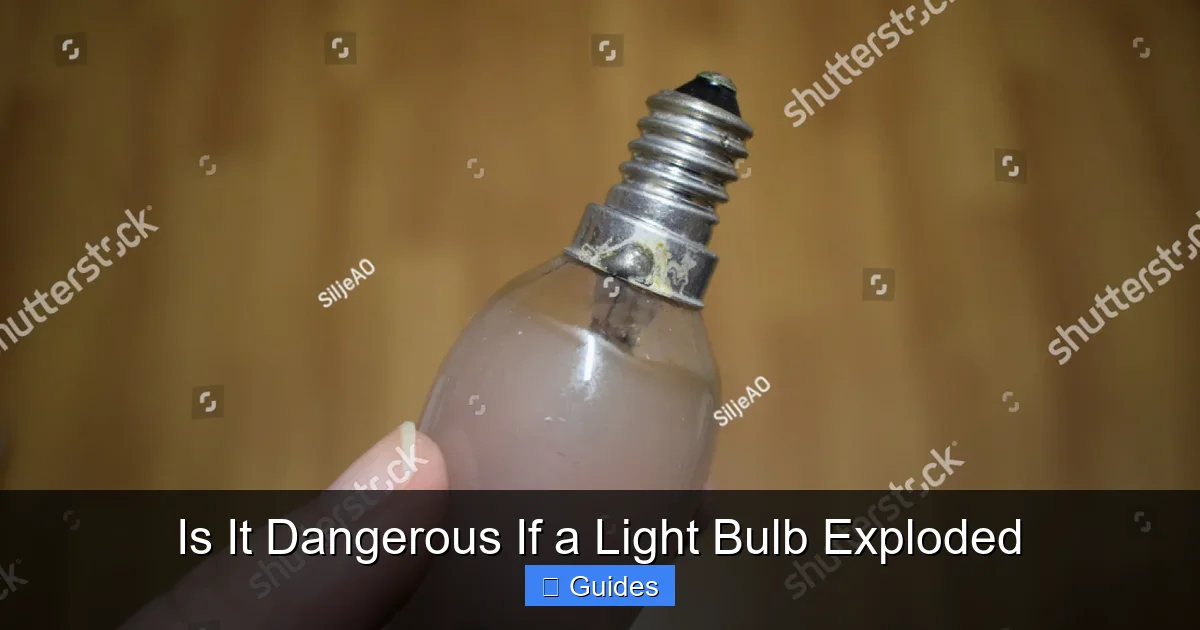
Visual guide about Is It Dangerous If a Light Bulb Exploded
Image source: image.shutterstock.com
Understanding *why* a light bulb explodes is the first step in preventing it. It’s not usually a random act; there’s often a reason behind the dramatic failure. Knowing these causes can help you identify potential risks in your home.
Manufacturing Defects
Sometimes, the problem lies with the bulb itself.
- Weak Glass: Microscopic cracks or imperfections in the glass casing during manufacturing can weaken the bulb. When heated, the stress on these weak points can cause the glass to shatter.
- Poor Filaments/Components: Internal components that are not perfectly sealed or are faulty can lead to arcs or shorts inside the bulb, generating excessive heat and pressure that the glass cannot withstand.
Overheating Issues (Wrong Wattage, Poor Ventilation)
Heat is a major factor in bulb explosions.
- Incorrect Wattage: Using a bulb with a wattage higher than what the fixture is rated for can cause excessive heat buildup. The fixture might not be able to dissipate this heat effectively, leading to overheating of both the bulb and the fixture components.
- Poor Ventilation: Enclosed fixtures or those with inadequate air circulation can trap heat. This is especially true for incandescent bulbs, which convert most of their energy into heat. Over time, the internal pressure from this trapped heat can cause the bulb to burst.
- Touching Halogen Bulbs: Halogen bulbs operate at extremely high temperatures. The oils from your skin, even a fingerprint, can create a “hot spot” on the glass. This hot spot heats up unevenly, causing a localized expansion and eventual shattering when the bulb is on.
Loose Connections or Electrical Surges
Electrical instability can put stress on a bulb.
- Loose Connections: A bulb that isn’t screwed in tightly enough or has a loose connection within the fixture can cause arcing. This arcing generates intense localized heat, which can weaken the bulb’s base or glass, leading to an explosion.
- Electrical Surges: Sudden spikes in voltage, like those caused by lightning strikes, power grid fluctuations, or faulty wiring, can overwhelm a bulb’s delicate filament or electronics, causing it to burn out spectacularly or explode.
Impact or Physical Damage
Sometimes, the cause is simple and external.
- Dropping or Bumping: Any physical impact, even a slight bump when installing or removing a bulb, can create hairline cracks that become weak points when the bulb heats up.
- Vibration: In areas prone to vibrations (e.g., near heavy machinery, ceiling fans), continuous shaking can gradually loosen connections or weaken the bulb’s structure.
End of Life for Certain Bulbs
Some bulbs are simply designed to fail more dramatically at the end of their lifespan.
- Incandescent Bulbs: As the filament thins and breaks, it can sometimes create an arc that causes the glass to explode.
- CFLs: Towards the end of their life, the ballast inside a CFL can overheat, causing internal pressure to build up, leading to a pop or shatter.
- Halogen Bulbs: The high temperatures at which halogens operate make them more susceptible to exploding as they age and their internal components degrade.
Specific Bulb Types and Their Unique Risks
Not all light bulbs are created equal, and neither are their explosion risks or the hazards they present. Understanding the specific dangers associated with each type of bulb is crucial for safety. It truly matters which type of bulb exploded when assessing if it is dangerous.
Incandescent Bulbs
These are the traditional bulbs with a filament.
- Primary Dangers: Mostly glass shards and potential electrical risks if the base breaks off in the socket. They also produce significant heat.
- Explosion Causes: Filament breaking with an arc, overheating in enclosed fixtures, manufacturing defects, or physical impact.
- Cleanup: Standard glass cleanup.
Fluorescent Bulbs (CFLs and Tubes)
These energy-efficient bulbs have unique chemical risks.
- Primary Dangers: Shattered glass, electrical risks, and mercury vapor release. CFLs contain a small amount of mercury.
- Explosion Causes: Overheating of the ballast (especially at end-of-life), manufacturing defects, or physical damage.
- Cleanup: Requires special mercury cleanup protocols (ventilation, no vacuuming, sealing debris).
Halogen Bulbs
Known for their bright, crisp light and high operating temperatures.
- Primary Dangers: Intense heat leading to severe burns if touched, shattered glass (which can be very fine), and potential fire risk due to heat.
- Explosion Causes: Touching the bulb with bare hands (oils create hot spots), physical impact, manufacturing defects, or excessive vibration.
- Cleanup: Standard glass cleanup, but be mindful of potentially finer glass particles.
LED Bulbs
The most modern and energy-efficient option.
- Primary Dangers: LEDs are far less likely to “explode” in the dramatic sense. They typically fail by flickering or dimming rather than shattering. If one does crack or break, it’s usually due to physical impact. The internal components are generally not toxic.
- Explosion Causes: Extremely rare. Usually, a violent failure would be due to a significant electrical surge or a very severe manufacturing defect in the driver/power supply. More likely to just smoke or make a popping sound without glass shattering.
- Cleanup: Mostly standard cleanup for plastic/glass if outer casing breaks.
Immediate Steps to Take After a Bulb Explodes
When a bulb explodes, acting quickly and correctly is key to minimizing danger. Your response should prioritize safety above all else. If a light bulb exploded, take these steps immediately.
Prioritize Safety: Cut the Power
This is the most critical first step.
- Turn Off the Switch: Immediately flip the light switch to the “off” position.
- Kill the Breaker: For added safety, especially if you suspect an electrical issue or the bulb base is stuck, go to your home’s electrical panel and switch off the circuit breaker that controls the light fixture. This completely de-energizes the circuit.
Clearing the Area and Ventilation
Once the power is off, focus on the immediate environment.
- Evacuate the Area: Clear children and pets from the room to prevent them from stepping on glass or being exposed to fumes.
- Ventilate: If a CFL or fluorescent bulb exploded, open windows and doors to air out the room for at least 15 minutes before beginning cleanup. This helps dissipate any mercury vapor.
Safe Cleanup for Different Bulb Types
Never use your bare hands. Always wear thick, cut-resistant gloves and eye protection.
For Incandescent, Halogen, and LED Bulbs (Glass/Plastic Shatter)
- Collect Large Pieces: Carefully pick up the largest glass pieces with gloved hands and place them into a sturdy container (like a cardboard box or thick plastic bag) that won’t be punctured.
- Sweep Small Shards: Use a stiff broom and dustpan to sweep up smaller fragments. Don’t use a vacuum cleaner immediately, as fine glass can damage it or blow around fine particles.
- Damp Wipe: Use a damp paper towel or sticky tape (like duct tape) to pick up any tiny, almost invisible glass shards from hard surfaces and carpets. Roll the tape over the area.
- Vacuum (Optional, After Manual Cleanup): If you must vacuum, only do so *after* you’ve manually collected most of the glass. Use a vacuum with a HEPA filter if possible, and empty it outside immediately.
- Dispose Safely: Place all debris (glass, paper towels, tape) into a thick, sealed plastic bag or a sturdy container and dispose of it according to your local waste regulations. Label it “Broken Glass” if possible.
For CFL or Fluorescent Bulbs (Mercury Cleanup)
This requires extra care due to mercury.
- Follow Basic Steps (Power Off, Ventilate, Evacuate): As above, immediately turn off power, open windows for 15 minutes, and clear the room.
- DO NOT Use a Vacuum Cleaner: Vacuuming can spread mercury vapor and powder throughout your home and damage the vacuum.
- Wear Protective Gear: Put on thick gloves (nitrile or rubber) and eye protection.
- Collect Debris: Carefully scoop up all glass fragments and powder using stiff paper or cardboard. Use sticky tape (duct tape, packing tape) to pick up smaller shards and powder from surfaces.
- Wipe Surfaces: Use damp paper towels or wet wipes to clean the area where the bulb broke.
- Contain Everything: Place all collected materials (glass, paper, tape, wipes, gloves) into a sealable plastic bag. Place *that* bag inside another sealable bag or a rigid, airtight container (like a glass jar with a lid).
- Dispose Properly: Take the sealed container to a local household hazardous waste facility. Do *not* put it in your regular trash. Check with your local waste management for specific guidelines on mercury-containing bulb disposal.
- Wash Hands: Thoroughly wash your hands with soap and water after cleanup.
Preventing Light Bulb Explosions: Best Practices
While you can’t prevent every bulb from failing, you can significantly reduce the risk of a dangerous explosion by following some simple best practices. If you’re concerned about “is it dangerous if a light bulb exploded,” these tips are for you.
Choose the Right Bulb and Wattage
- Match Wattage: Always use a bulb with a wattage that matches or is lower than the maximum wattage specified for your fixture. Exceeding this limit causes overheating.
- Consider Enclosed Fixtures: For fully enclosed light fixtures, use bulbs specifically rated for enclosed spaces. These are designed to withstand higher temperatures. Look for markings on the bulb or packaging.
- Right Bulb Type for the Job: Don’t use a halogen bulb in a fixture not designed for its high heat output. Consider switching to LEDs, which produce very little heat and rarely “explode.”
Ensure Proper Installation
- Screw in Firmly, But Not Too Tight: Screw bulbs in until they are snug, but avoid overtightening. Overtightening can stress the bulb base and glass, and make it difficult to remove later. Loose connections can also cause arcing and heat.
- Clean Sockets: Occasionally, wipe out dust and debris from inside the light socket to ensure a good connection.
Regular Inspection and Maintenance
- Check for Damage: Before installing a new bulb, visually inspect it for any cracks, chips, or manufacturing defects.
- Address Flickering/Buzzing: If a light bulb starts flickering, buzzing, or dimming inconsistently, it’s often a sign of impending failure. Replace it before it has a chance to explode.
- Clean Fixtures: Dust and dirt can act as insulators, trapping heat. Regularly clean your light fixtures to ensure proper ventilation.
Handle Bulbs with Care
- Use Gloves for Halogens: Always handle halogen bulbs with a cloth or gloves to avoid transferring skin oils onto the glass, which can lead to premature failure and explosion.
- Avoid Physical Impact: Be gentle when installing, removing, or cleaning around light bulbs. Even a small bump can create a weak point.
- Store Safely: Keep spare bulbs in their original packaging or a protective container to prevent damage before use.
Address Electrical Issues Promptly
- Flickering Lights (Beyond the Bulb): If multiple lights in an area flicker, or you notice dimming when appliances turn on, it could indicate a broader electrical issue. Consult a qualified electrician.
- Overloaded Circuits: Avoid plugging too many high-power devices into a single circuit. This can lead to surges and voltage fluctuations that stress bulbs.
- Surge Protectors: While not directly for bulbs, surge protectors can safeguard your entire electrical system, including light fixtures, from dangerous voltage spikes.
Long-Term Health Concerns and Disposal
While the immediate cleanup is crucial, it’s also important to consider any longer-term implications, particularly concerning certain bulb types and proper disposal.
Mercury Exposure and Cleanup (CFLs)
As mentioned, CFLs contain a small amount of mercury. The immediate release after a bulb explodes is generally low and disperses quickly with ventilation. However, repeated exposure or significant exposure from a large spill (like multiple bulbs breaking) can be concerning.
If you suspect prolonged exposure or experience symptoms like headaches, dizziness, or tremors after a major break, consult a medical professional. The key is to follow the strict cleanup guidelines for CFLs to minimize any health risks.
Proper Disposal of Exploded Bulbs
How you dispose of a broken bulb matters, not just for safety but for environmental reasons.
- General Waste: Incandescent, halogen, and LED bulb debris (after careful containment in sealed, sturdy bags) can generally go into regular household trash, but always double-check local regulations.
- Hazardous Waste for CFLs: CFLs and other fluorescent bulbs (even when intact) should *never* go into regular trash due to their mercury content. They are considered household hazardous waste. Many hardware stores, retail chains, and municipal waste centers offer free recycling programs for these bulbs. Proper disposal prevents mercury from contaminating landfills and groundwater.
When to Seek Medical Attention
Most bulb explosions don’t require medical attention, but there are exceptions:
- Deep Cuts or Puncture Wounds: Any cut that is deep, bleeding profusely, or won’t stop bleeding needs immediate medical care.
- Eye Injury: If glass fragments get into your eye, seek emergency medical help. Do not rub your eye.
- Burns: For severe burns (blistering, charred skin), seek medical attention.
- Symptoms of Chemical Exposure: If you suspect significant mercury exposure (especially after a large number of CFLs broke) and experience unusual symptoms, contact your doctor or a poison control center.
In conclusion, “is it dangerous if a light bulb exploded?” The answer is yes, to some extent, but the level of danger is manageable with the right knowledge and immediate action. Most light bulb explosions are more startling than truly hazardous, but the potential for cuts, electrical issues, and chemical exposure (especially with CFLs) makes careful handling and cleanup essential. By understanding the causes, implementing preventive measures, and knowing how to respond, you can keep your home safe and minimize the risks associated with these fiery, albeit infrequent, electrical events. Always prioritize safety, and when in doubt, consult a professional.
Frequently Asked Questions
What causes a light bulb to explode?
Light bulbs can explode for several reasons, including manufacturing defects, using a bulb with a wattage too high for the fixture, poor ventilation leading to overheating, loose electrical connections causing arcing, or physical impact. Sometimes, it can also happen at the end of a bulb’s lifespan.
Do all types of light bulbs contain mercury?
No, not all light bulbs contain mercury. Compact Fluorescent Lamps (CFLs) and older fluorescent tubes contain a small amount of mercury vapor, which is why they require special cleanup and disposal. Incandescent, halogen, and most LED bulbs do not contain mercury.
What are the immediate steps after a light bulb explodes?
Immediately turn off the power to the light fixture, preferably at the circuit breaker. Then, clear children and pets from the area. If it was a fluorescent bulb, open windows to ventilate the room for 15 minutes before beginning cleanup.
How should I clean up broken glass from an exploded light bulb?
Wear thick gloves and eye protection. Use stiff paper or cardboard to scoop up large pieces, and sticky tape (like duct tape) or a damp paper towel to pick up smaller shards. Never use a bare broom or vacuum cleaner for initial cleanup, especially with CFLs.
Can I throw an exploded CFL bulb in the regular trash?
No, an exploded CFL bulb should not be thrown in the regular trash. Due to its mercury content, it’s considered hazardous waste. After careful cleanup and sealing in an airtight container, it should be taken to a local household hazardous waste facility or a participating recycling center.
Is it dangerous if an LED light bulb explodes?
It is far less dangerous if an LED light bulb explodes because they rarely shatter. LED failures are typically less dramatic, often just a pop or smoke without glass fragments. While any broken glass poses a risk, LEDs don’t contain mercury or get hot enough to pose significant burn risks from an explosion.
