


As an Amazon Associate, We earn from qualifying purchases.
Navigating the world of UV light for plants can be tricky, but understanding the right duration is crucial. Leaving UV light on plants for too long can cause damage, while proper, controlled exposure offers immense benefits like enhanced growth, stronger defenses, and improved flavor. This guide will help you determine the optimal exposure times based on plant type, light intensity, and growth stage, ensuring your green friends thrive without harm.
Ah, the quest for the perfect grow setup! If you’re a plant enthusiast, whether you’re growing vibrant flowers, luscious herbs, or your own bountiful vegetables indoors, you’ve probably dabbled in grow lights. But what about UV light? It’s a topic that often sparks curiosity, a bit of excitement, and sometimes, a lot of confusion. We all know that plants need sunlight, and sunlight contains UV rays, so naturally, we wonder: can adding UV light to our indoor setup be beneficial? And if so, the big question looms: how long to leave UV light on plants?
It’s a crucial question because, while UV light offers some amazing advantages for plant health and development, it’s also a double-edged sword. Just like humans, plants can get a “sunburn” from too much UV exposure. The key, as with many things in gardening, lies in balance and understanding. This comprehensive guide will demystify UV light for plants, helping you harness its power safely and effectively, ensuring your green companions flourish without stress.
Let’s dive in and uncover the secrets to optimizing UV light exposure, turning a potential hazard into a powerful tool for your indoor garden.
Key Takeaways
- UV Light Benefits: Controlled UV light exposure can enhance plant growth, increase essential oil production, improve stress resistance, boost pigmentation, and deter pests.
- Risks of Overexposure: Too much UV light can cause leaf burn, stunted growth, DNA damage, and overall plant stress, leading to irreversible harm.
- Type of UV Matters: UVA is generally safer and beneficial for longer durations, while UVB needs careful, limited exposure due to its higher intensity and potential for harm. UVC is rarely used directly on plants due to its highly germicidal and damaging properties.
- Start Low and Go Slow: Always introduce UV light gradually, starting with short durations (e.g., 1-2 hours) and low intensity, then slowly increasing as plants adapt and show positive responses.
- Consider Plant Species and Growth Stage: Different plants have varying tolerances to UV. Young seedlings and delicate plants require less exposure than mature, sun-loving varieties. Adjust duration based on the plant’s current life cycle.
- Mimic Natural Cycles: Aim to replicate natural UV exposure times, typically during the peak sun hours (late morning to early afternoon), rather than leaving UV lights on continuously.
- Monitor Plant Response: Regularly observe your plants for any signs of stress or damage (yellowing, curling, browning leaves) and adjust UV light duration or intensity immediately if adverse effects are noticed.
Quick Answers to Common Questions
Question 1?
What types of UV light are beneficial for plants?
Answer 1?
UVA is generally beneficial for longer durations, influencing morphology and pest resistance. UVB, in controlled, short bursts, can boost essential oils and potency but needs careful management due to its intensity.
Question 2?
Can too much UV light harm my plants?
Answer 2?
Absolutely. Overexposure to UV light, especially UVB, can cause leaf burn, stunted growth, DNA damage, and overall plant stress, leading to irreversible harm.
Question 3?
How do I start introducing UV light to my plants?
Answer 3?
Begin with short durations, like 1-2 hours per day, during the middle of their light cycle. Place the UV light a safe distance away (e.g., 2-3 feet) and gradually increase duration over several weeks while monitoring for stress.
Question 4?
What are the common signs of UV overexposure in plants?
Answer 4?
Common signs include yellowing, browning, crisping, or bleaching of leaves, stunted growth, and visible spots on the foliage. These indicate your plants are receiving too much UV.
Question 5?
Do all plants benefit from UV light?
Answer 5?
While many plants can benefit from controlled UV exposure, especially those producing secondary metabolites, some delicate or shade-loving plants may be more sensitive and require minimal to no supplemental UV.
📑 Table of Contents
Understanding UV Light and Your Plants
Before we talk about duration, it’s essential to grasp what UV light actually is and how it interacts with plants. UV stands for Ultraviolet, and it’s a part of the electromagnetic spectrum that’s invisible to the human eye. Sunlight contains different types of UV radiation, primarily UVA and UVB, with a tiny amount of UVC that’s mostly filtered out by the Earth’s atmosphere.
UVA, UVB, and UVC: What’s the Difference for Plants?
- UVA (315-400 nm): This is the least energetic and generally safest type of UV for plants. It penetrates deeper into plant tissues and is known to influence plant morphology, pest resistance, and the production of certain beneficial compounds. Many grow lights that claim to have “UV” primarily offer UVA.
- UVB (280-315 nm): More energetic than UVA, UVB can significantly impact plants. In controlled doses, it’s known to boost the production of essential oils, terpenes, and flavonoids – compounds responsible for a plant’s aroma, flavor, and medicinal properties. However, too much UVB can cause DNA damage and cellular stress.
- UVC (100-280 nm): This is the most energetic and dangerous type of UV light. It’s germicidal and extremely harmful to living organisms, including plants and humans. UVC is rarely, if ever, used directly on growing plants. It’s sometimes used for sterilizing grow spaces or tools, but never on the plants themselves. So, when considering how long to leave UV light on plants, we are almost exclusively talking about UVA and UVB.
Plants have evolved over millions of years to adapt to the UV radiation in natural sunlight. They have built-in protective mechanisms, much like our skin produces melanin, to cope with UV exposure. These mechanisms often involve producing pigments like anthocyanins or compounds that act as natural sunscreens. By understanding these interactions, we can better determine the optimal duration for our artificial UV sources.
The Benefits and Risks: Why and Why Not?
So, why bother with UV light at all if it can be harmful? The answer lies in its potential to enhance several aspects of plant life that traditional grow lights (which often lack sufficient UV) might miss.
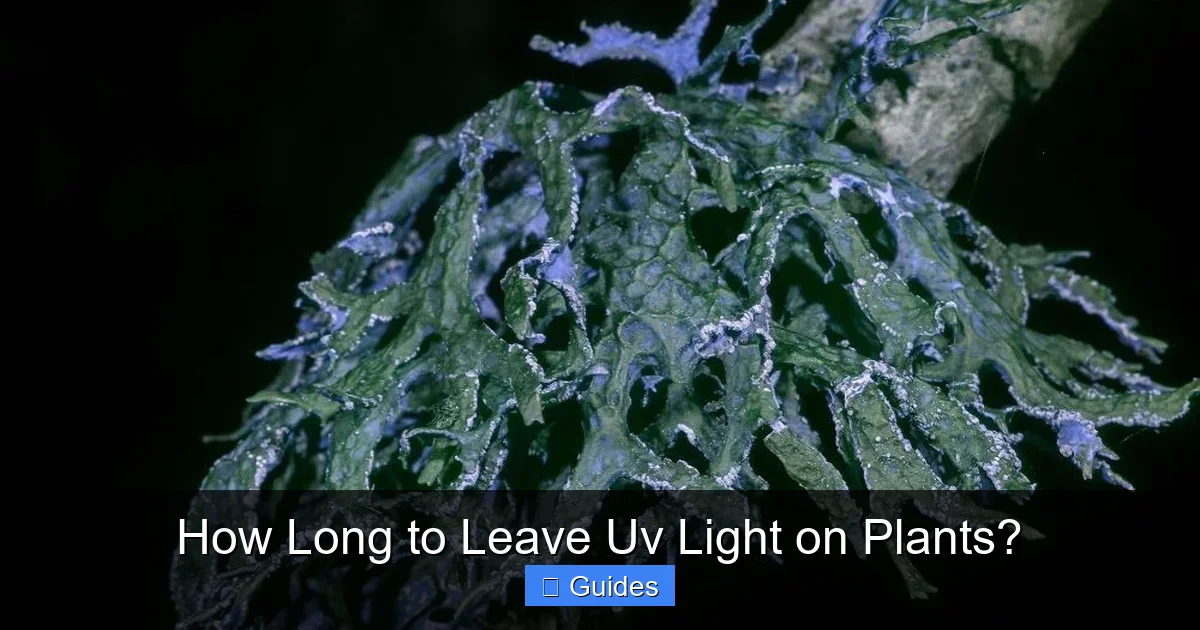
Visual guide about How Long to Leave Uv Light on Plants?
Image source: cdn.shopify.com
Advantages of Controlled UV Exposure
- Enhanced Potency and Flavor: For many aromatic and medicinal plants, UVB light can significantly increase the production of secondary metabolites like terpenes, essential oils, and cannabinoids, leading to stronger aromas, richer flavors, and increased potency. This is often a primary reason growers ask how long to leave UV light on plants for specific crops.
- Improved Pest Resistance: UV exposure can trigger a plant’s natural defense mechanisms, making it more resilient to certain pests and diseases. It encourages the production of protective compounds that act as deterrents.
- Stronger Growth and Structure: UVA light, in particular, can influence plant morphology, leading to more compact, sturdier plants with thicker stems and smaller, more resilient leaves. This is especially beneficial for indoor plants that might otherwise become leggy.
- Increased Pigmentation: UV can stimulate the production of anthocyanins and other pigments, leading to more vibrant colors in flowers and foliage.
- Stress Adaptation: A small amount of beneficial stress from UV can “harden” plants, preparing them for more challenging conditions and making them generally more robust.
The Dangers of Overexposure
On the flip side, too much of a good thing can be disastrous. Overexposure to UV light, especially UVB, can lead to:
- Leaf Burn: This is the most common and visible sign. Leaves may develop bleached spots, yellowing, browning, or even crisp up at the edges.
- Stunted Growth: Plants may divert too much energy into repair and protection, leading to slower overall growth and smaller yields.
- DNA Damage: Severe UV exposure can damage plant DNA, disrupting cellular processes and potentially leading to mutations or plant death.
- Chlorosis: A reduction in chlorophyll production, causing leaves to turn yellow and diminishing the plant’s ability to photosynthesize efficiently.
- Reduced Photosynthesis: When protective mechanisms are overwhelmed, the photosynthetic machinery itself can be damaged, directly impacting growth.
This is precisely why understanding how long to leave UV light on plants is paramount.
Determining the Optimal Duration: The Core Question
Now, let’s get to the heart of the matter: the duration. There’s no one-size-fits-all answer, as it depends on several factors. However, we can establish some practical guidelines.
Factors Influencing UV Exposure Time
- Plant Species: Different plants have varying tolerances. Desert plants or those accustomed to high altitudes naturally receive more UV and can handle longer exposure. Tropical plants or shade-loving varieties are more sensitive.
- UV Intensity: Not all UV lights are created equal. Some emit low levels of UVA, while others might include more intense UVB. Always check the specifications of your UV light source. A higher intensity means shorter exposure times.
- Growth Stage:
- Seedlings/Young Plants: Are highly vulnerable. They generally need very minimal to no direct UV light initially, or extremely short durations (e.g., 30 minutes to 1 hour, a few times a week) if introduced very gently.
- Vegetative Stage: Plants are growing foliage rapidly. They can typically handle more UV exposure than seedlings, but still need moderation.
- Flowering/Fruiting Stage: This is often when growers want to maximize secondary metabolite production. This stage can often tolerate the longest, most intense UV exposure, but still within limits. This is often the prime time for asking how long to leave UV light on plants for specific benefits.
- Existing Light Environment: If your plants are already under very bright, full-spectrum LED lights that include some UV, you might need less supplemental UV. If your main lights lack UV, you’ll need to add it.
- Distance from Light Source: UV intensity decreases rapidly with distance. A light closer to the plant will deliver more intense UV than one further away, requiring shorter durations.
General Guidelines for How Long to Leave UV Light on Plants
Given the variables, here’s a framework to help you decide:
- Start Low, Go Slow: This is the golden rule. Begin with very short exposure times and gradually increase.
- Initial Introduction (A Week or Two): Start with 1-2 hours per day, typically during the middle of your plant’s “daylight” cycle. Place the UV light at a reasonable distance, perhaps 2-3 feet away, depending on its intensity. Observe your plants daily for any signs of stress.
- Gradual Increase (Weeks 3-4 and Beyond): If plants show no signs of stress, you can slowly increase the duration by 30-60 minutes every few days.
- Optimal Range (Vegetative & Flowering): Most growers find success with UV light exposure ranging from 4 to 8 hours per day. Some highly tolerant or specific plants might handle up to 10-12 hours, but this is pushing the limits and requires careful monitoring.
- Timing is Key: Mimic natural sunlight. The strongest UV radiation occurs around midday. So, integrate your UV lights to run during the middle 4-8 hours of your plant’s light cycle (e.g., if your lights are on for 18 hours, run UV from hour 5 to hour 13).
- Consider Cycling: Some growers prefer to cycle UV light, using it for a few days, then resting for a day, or using it only during specific growth stages (e.g., only during flowering for potency).
Practical Example: For a cannabis plant in its flowering stage, aiming for increased terpene production, you might start with 2 hours of UVB for the first week, slowly increasing to 4-6 hours daily over the next few weeks, always monitoring for signs of stress. This duration would be during the peak 4-6 hours of its 12-hour light cycle.
Practical Application and Best Practices
Implementing UV lighting correctly involves more than just flicking a switch. Here are some best practices to ensure success.
Choosing the Right UV Light Source
- UVB Specific Bulbs: These are often fluorescent or LED bulbs designed to emit a specific percentage of UVB (e.g., reptile UVB bulbs can sometimes be repurposed, but research their exact spectrum carefully).
- Full-Spectrum Grow Lights with UV: Many modern LED grow lights now include dedicated UV diodes. These are often a safer bet as they integrate UV into a balanced spectrum.
- Avoid UVC: Reiterate – never use UVC bulbs on living plants.
Positioning and Distance
The inverse square law applies here: light intensity decreases significantly with distance. A general starting point for most supplemental UV lights is 2 to 3 feet above the plant canopy. However, always refer to the manufacturer’s recommendations for your specific UV light. If you notice any signs of stress, increase the distance first, before reducing duration.
Safety First: For You and Your Plants
- Eye Protection: ALWAYS wear UV-protective glasses when working under UV lights. UV can cause eye damage (photokeratitis, cataracts).
- Skin Protection: Avoid prolonged skin exposure. Consider long sleeves if you’re spending significant time in the grow area with UV lights on.
- Ventilation: Ensure good airflow in your grow space. Some UV bulbs can generate heat, and plants under stress (from UV or anything else) benefit from good air circulation.
- Monitoring: Regularly inspect your plants for signs of distress (yellowing leaves, curling edges, bleaching). Early detection allows for adjustments before irreversible damage occurs.
When to Introduce UV Light
It’s generally recommended to introduce UV light during the vegetative or early flowering stages. Giving plants time to establish themselves under regular grow lights first allows them to build up their natural defenses before additional stress from UV is introduced.
Common Mistakes to Avoid
To ensure your journey with UV light is successful, steer clear of these common pitfalls:
- Too Much, Too Soon: The most frequent mistake is introducing UV light at full intensity or for long durations right away. This almost always leads to plant stress or burn. Remember to start low and go slow when determining how long to leave UV light on plants.
- Ignoring Plant Signals: Plants communicate! Yellowing, browning, crisping, or unusually pale leaves are all signs that your UV exposure might be too high. Pay attention and adjust immediately.
- Assuming All UV is Good UV: Not distinguishing between UVA and UVB, or worse, accidentally using UVC, can be detrimental. Be aware of the specific spectrum your UV light emits.
- Lack of Eye Protection: Seriously, protect your eyes. It’s not worth the risk.
- Using Household UV Lamps: Some “UV lamps” sold for disinfection are UVC and incredibly dangerous for plants (and people). Always use horticultural-specific UV lights or full-spectrum grow lights that include safe levels of UV.
Conclusion: Finding Your Plant’s UV Sweet Spot
Adding UV light to your indoor growing environment can be a game-changer for plant health, potency, and resilience. However, it’s not a set-and-forget solution. The key to success lies in understanding the nuances of UV radiation, respecting its power, and tailoring the exposure to your specific plants and their needs.
By starting with short durations, gradually increasing exposure, carefully monitoring your plants for any signs of stress, and prioritizing safety, you’ll soon discover the optimal answer to how long to leave UV light on plants for your unique garden. Experiment patiently, observe diligently, and enjoy the robust, vibrant results of your well-tuned growing environment. Your plants will thank you for the thoughtful care, rewarding you with healthier growth and enhanced characteristics!
🎥 Related Video: How Long Should Your Grow Lights Be ON Each Day For Best Results
📺 MIgardener
We do more than, JUST, YouTube! Check more MIgardener below: Start growing! Visit our online store for $2 heirloom seeds, …
Frequently Asked Questions
How does UV light increase plant potency?
UVB light, in particular, acts as a mild stressor, prompting plants to produce more secondary metabolites like terpenes, essential oils, and cannabinoids. These compounds are often responsible for a plant’s aroma, flavor, and medicinal properties, thereby increasing its overall potency.
Is UVC light safe for plants?
No, UVC light is generally not safe for direct exposure to living plants. It is highly germicidal and can cause severe cellular and DNA damage to plant tissues, leading to immediate harm and even death. UVC is typically reserved for sterilizing tools or grow spaces, never for plant illumination.
Should I use UV light during the entire growth cycle?
It’s not usually necessary or recommended to use UV light during the entire growth cycle. Seedlings and very young plants are often too delicate for direct UV. Most growers introduce UV during the vegetative stage and increase exposure during the flowering or fruiting stages to maximize specific benefits like potency and pest resistance.
Can UV light replace regular grow lights?
No, UV light cannot replace regular grow lights. Plants primarily need visible light (the full spectrum from blue to red) for photosynthesis and overall growth. UV light is a supplemental light source used to enhance specific plant characteristics, not to provide the main energy for growth.
How far should UV lights be from plants?
The ideal distance varies greatly depending on the intensity of your UV light and the plant’s sensitivity. A common starting point is 2-3 feet (60-90 cm) above the canopy. Always consult the manufacturer’s recommendations and carefully monitor your plants, adjusting the distance if signs of stress appear.
What are the safety precautions when using UV lights for plants?
When using UV lights, always wear UV-protective eyewear to shield your eyes from potential damage. It’s also wise to minimize prolonged direct skin exposure. Ensure good ventilation in your grow area, and regularly check your plants for any signs of stress or damage, adjusting light duration or distance as needed.
