


As an Amazon Associate, We earn from qualifying purchases.
Finding the correct brake light bulb for your vehicle is crucial for safety and legal compliance. This comprehensive guide demystifies the process, helping you understand different bulb types, decode part numbers, and confidently determine what brake light bulb you need using your owner’s manual, the old bulb, or online resources. Get ready to illuminate your driving with the right choice!
What Brake Light Bulb Do I Need? Your Ultimate Guide
Picture this: you’re driving along, enjoying the road, when a friendly motorist pulls up beside you and points to the rear of your car. “Hey, your brake light is out!” they shout. Instantly, a small wave of panic hits. Not only is it a safety hazard, but it’s also illegal to drive with a non-functioning brake light. Now you’re faced with the task of replacing it, but then the big question looms: what brake light bulb do I need?
Navigating the world of automotive light bulbs can feel like deciphering a secret code. There are so many numbers, types, and confusing terms that it’s easy to feel overwhelmed. But don’t worry, you’re not alone, and finding the right brake light bulb doesn’t have to be a headache. This comprehensive guide is designed to walk you through everything you need to know, from understanding bulb types to identifying the exact one your vehicle requires, making you a confident bulb-chooser in no time.
Replacing a brake light bulb is a relatively simple DIY task that can save you money and ensure your safety on the road. A working brake light is paramount for signaling your intentions to drivers behind you, preventing rear-end collisions, and keeping you compliant with traffic laws. So, let’s dive in and figure out exactly what brake light bulb do I need to get your vehicle safely back in full working order!
Key Takeaways
- Consult Your Owner’s Manual First: This is the most reliable source for identifying the specific brake light bulb type and number your vehicle requires.
- Understand Bulb Types: Brake light bulbs primarily come as incandescent (halogen) or LED. LEDs offer brighter, longer-lasting performance but may require additional components (like load resistors) in older vehicles.
- Decode Bulb Numbers: Common bulb numbers like 1157, 3157, and 7443 indicate specific characteristics such as single or dual filaments, and base types, which are vital for proper function.
- Inspect the Old Bulb: If available, the old brake light bulb itself often has a part number printed on its base, providing a direct reference.
- Utilize Online Tools: Auto parts store websites and online vehicle databases are excellent resources for looking up the correct brake light bulb by your car’s year, make, and model.
- Safety and Compliance: Using the wrong brake light bulb can compromise your safety on the road and may lead to legal penalties, making correct identification essential.
- Consider Replacing in Pairs: For consistent brightness and to avoid future issues, it’s often wise to replace both brake light bulbs at the same time.
Quick Answers to Common Questions
What is the most common brake light bulb type?
The most common brake light bulb types are incandescent (often halogen) and LED. Incandescent bulbs like the 1157, 3157, and 7443 are very prevalent, especially in older vehicles, while LEDs are gaining popularity in newer cars due to their efficiency and longevity.
Can I put an LED bulb where an incandescent bulb was?
Yes, you can often replace an incandescent brake light bulb with an LED equivalent. However, you might need to install load resistors or use CAN bus compatible LEDs in older vehicles to prevent “hyper flash” or error messages because LEDs draw less power.
Where can I find my brake light bulb number?
The most reliable places to find your brake light bulb number are your vehicle’s owner’s manual, printed on the base of the old bulb itself, or by using online parts finders on auto parts store websites with your car’s year, make, and model.
What do dual filament bulb numbers like 1157 or 3157 mean?
Dual filament bulb numbers like 1157 or 3157 indicate that the bulb has two filaments, allowing it to serve two functions (e.g., a dimmer tail light and a brighter brake light) within the same bulb. The numbers also specify the base type (bayonet for 1157, wedge for 3157).
Do I need to replace both brake light bulbs if only one is out?
While not strictly necessary, it’s often recommended to replace both brake light bulbs at the same time. This ensures consistent brightness, and since bulbs usually have similar lifespans, the other one is likely to burn out soon anyway.
📑 Table of Contents
- Why Getting the Right Brake Light Bulb Matters
- Understanding Brake Light Bulb Types
- How to Identify the Correct Brake Light Bulb for Your Car
- Decoding Bulb Numbers and Codes
- The Replacement Process: Tips and Tricks
- When to Seek Professional Help and Common Issues
- Conclusion: Drive Safely, Drive Smart
Why Getting the Right Brake Light Bulb Matters
Choosing the correct brake light bulb isn’t just about making your car look good; it’s fundamentally about safety and legality. Using the wrong bulb can lead to a host of problems that you definitely want to avoid.
Safety First, Always
Your brake lights are one of your vehicle’s most critical safety features. They tell drivers behind you that you’re slowing down or stopping, giving them precious time to react. If your brake light bulb is dim, flickering, or simply not working, it significantly increases the risk of a rear-end collision. The right brake light bulb ensures maximum visibility, especially in adverse weather conditions or at night, allowing others to clearly see your actions. A properly functioning brake light is your voice to the cars behind you.
Legal Compliance and Avoiding Fines
Driving with a malfunctioning brake light is illegal in most places. Traffic laws typically require all brake lights to be in proper working order. If a police officer notices a faulty brake light bulb, you could face a traffic citation, a fine, and potentially even points on your driving record. It’s an easy fix that prevents unnecessary legal hassles and keeps you on the right side of the law. Knowing what brake light bulb do I need helps you avoid these issues.
Preventing Electrical Issues and Damage
Using a brake light bulb with incorrect wattage or an incompatible base can cause electrical problems within your vehicle. An incorrectly specified bulb might draw too much current, potentially blowing fuses or, in more severe cases, damaging your car’s wiring or lighting control module. Conversely, a bulb with insufficient wattage might not be bright enough, compromising safety, or it might not even fit properly in the housing.
Understanding Brake Light Bulb Types
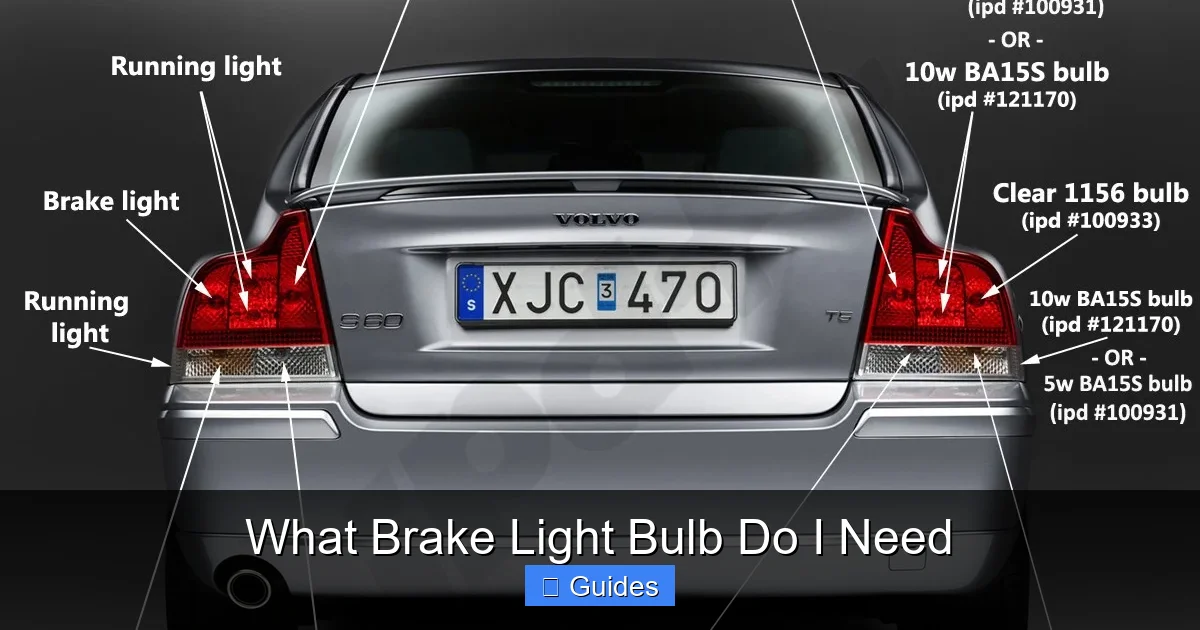
Visual guide about What Brake Light Bulb Do I Need
Image source: ipdusa.com
Before you can identify what brake light bulb do I need, it’s helpful to understand the basic types available. The two main categories you’ll encounter are incandescent (which includes halogen) and LED.
Incandescent (Halogen) Bulbs
These are the traditional brake light bulbs found in most older vehicles and many newer entry-level models. They work by heating a tungsten filament until it glows, producing light. Halogen bulbs are a type of incandescent bulb that contains halogen gas, allowing the filament to burn brighter and last longer than standard incandescent bulbs.
- Pros: Inexpensive, widely available, easy to replace, and generally compatible with older electrical systems without modification.
- Cons: Shorter lifespan compared to LEDs, less energy-efficient, produce heat, and aren’t as bright or instant-on as LEDs.
LED (Light Emitting Diode) Bulbs
LED brake light bulbs are becoming increasingly popular due to their efficiency and performance. Instead of a filament, they use semiconductors to produce light when an electric current passes through them.
- Pros: Much longer lifespan (often outlasting the car), more energy-efficient, brighter light output, instant illumination (which can provide an extra foot or two of stopping distance for the car behind you), and cooler operation.
- Cons: Generally more expensive upfront, may require load resistors or CAN bus compatible bulbs in older vehicles to prevent “hyper flash” (rapid blinking, as the car’s system thinks the bulb is out) or error messages.
Which Type is Right for You?
If your car came with incandescent bulbs, you can usually stick with them for a straightforward replacement. However, if you’re looking for an upgrade in brightness, longevity, and efficiency, LED brake light bulbs are an excellent choice. Just be prepared to check for compatibility and potential additional components for a seamless transition. This is an important consideration when asking “what brake light bulb do I need?”.
How to Identify the Correct Brake Light Bulb for Your Car
This is the core of the problem: figuring out the exact specification. Thankfully, there are several reliable methods to determine what brake light bulb do I need.
Method 1: Consult Your Vehicle Owner’s Manual
Your car’s owner’s manual is an invaluable resource, often overlooked. It contains a wealth of information about your specific vehicle, including detailed diagrams and lists of all the light bulbs used, their types, and part numbers. Look for sections on “Maintenance,” “Lighting,” or “Bulb Replacement.” It will tell you precisely what brake light bulb do I need.
- Tip: If you’ve lost your physical manual, many car manufacturers provide digital versions on their official websites, often searchable by your VIN (Vehicle Identification Number).
Method 2: Inspect the Old Bulb
If you can safely remove the faulty brake light bulb, it will often have the part number printed or stamped directly onto its metal or plastic base. This is a direct, foolproof way to identify the exact replacement needed.
- Steps:
- Turn off your car and engage the parking brake.
- Access the tail light assembly (usually from inside the trunk or by removing screws/clips from the outside).
- Carefully twist or unclip the bulb socket from the housing.
- Gently pull the old bulb straight out of its socket (some may twist and pull).
- Look for numbers like 1157, 3157, 7443, or similar codes on the bulb’s base.
- Caution: Wear gloves if possible to avoid transferring oils from your skin to the new bulb, which can shorten its lifespan. This is especially true for halogen bulbs.
Method 3: Utilize Online Auto Parts Finders
Most major auto parts retailers (e.g., AutoZone, O’Reilly Auto Parts, Advance Auto Parts, NAPA) have robust online tools on their websites. You simply input your car’s year, make, and model, and they will present you with a list of compatible parts, including the correct brake light bulb.
- Example Search: “2015 Honda Civic brake light bulb” or “what brake light bulb do I need for a Ford F-150.”
- Benefit: These tools often cross-reference multiple brands and types, giving you options.
Method 4: Visit a Dealership or Reputable Auto Parts Store
If all else fails, or if you prefer professional assistance, visit your local dealership parts department or a trusted auto parts store. Provide them with your vehicle’s year, make, model, and preferably your VIN, and they will be able to look up the exact brake light bulb you need.
Decoding Bulb Numbers and Codes
Once you find a number like 1157, 3157, or 7443, what do these codes actually mean? These numbers aren’t arbitrary; they tell you critical information about the brake light bulb.
Single vs. Dual Filament Bulbs
This is one of the most important distinctions:
- Single Filament Bulbs (e.g., 1156, 3156, 7440): These bulbs have only one filament and perform a single function. For example, they might be used for turn signals or reverse lights, or sometimes as dedicated brake lights if the tail light is separate.
- Dual Filament Bulbs (e.g., 1157, 3157, 7443): These bulbs have two filaments inside the same glass casing, allowing them to perform two functions. In a brake light application, one filament is typically for the dimmer tail light (on when headlights are on), and the brighter filament illuminates when you press the brake pedal. These are extremely common for brake lights.
Knowing whether you need a single or dual filament bulb is critical for ensuring proper functionality when you ask “what brake light bulb do I need”.
Base Types and Shapes
Bulb numbers also indicate the base type, which determines how the bulb fits into its socket.
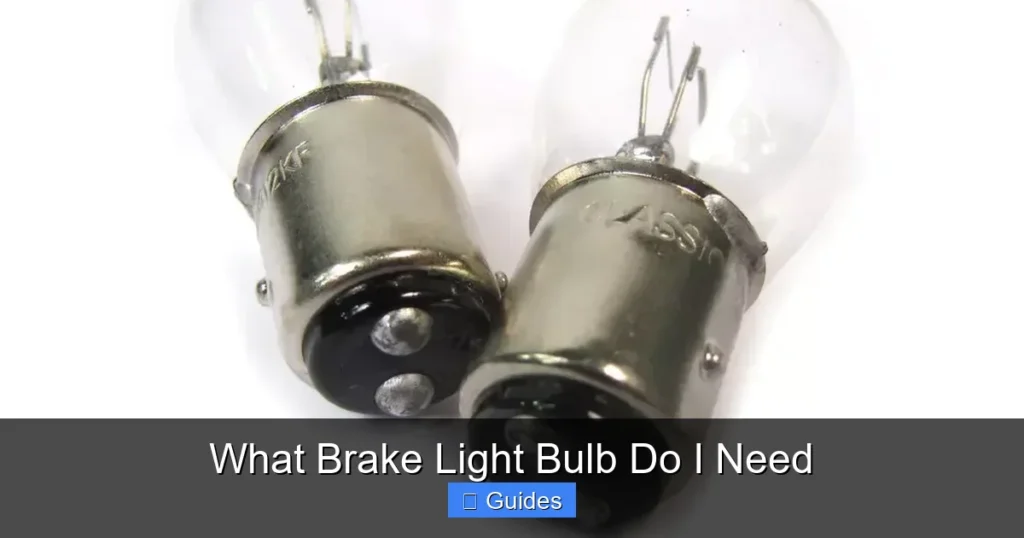
- Bayonet Base (e.g., 1156, 1157): These bulbs have a metal base with two small nubs (bayonets) that twist and lock into the socket. The 1156 is a single-contact (SC) bayonet, while the 1157 is a dual-contact (DC) bayonet for dual-filament applications.
- Wedge Base (e.g., 3156, 3157, 7440, 7443): These bulbs have a plastic or glass base that simply pushes into the socket. The shape of the wedge and the position of the contacts are specific. The 3156/3157 series is common in North American vehicles, while the 7440/7443 series is prevalent in Asian and some European cars.
Color and Wattage
While less common for brake lights, some bulbs might specify color (e.g., amber for turn signals) or wattage. For brake lights, you generally want a clear or red bulb, and the wattage should always match the vehicle’s specification to avoid electrical issues.
The Replacement Process: Tips and Tricks
Once you’ve confidently determined what brake light bulb do I need, replacing it is usually a straightforward process.
Tools You Might Need
- Screwdriver set (Phillips head, flathead, Torx)
- Panel removal tool (plastic pry tool) if dealing with interior trim
- Gloves (latex or nitrile)
- New brake light bulb(s)
- A friend to help test (optional but very helpful!)
General Steps for Replacing a Brake Light Bulb
- Park Safely and Turn Off Engine: Engage the parking brake.
- Access the Tail Light Assembly:
- From the Trunk/Hatch: Many vehicles allow access to the back of the tail light assembly from inside the trunk or cargo area. You might need to remove a carpeting panel, plastic trim, or unscrew a cover.
- From the Outside: For some vehicles, you’ll need to remove screws or clips holding the tail light assembly to the exterior of the car. Carefully pull the entire assembly away from the vehicle.
- Locate the Bulb Socket: Once you have access, you’ll see a wiring harness leading to one or more bulb sockets. The brake light socket is usually the one in the middle or top, but check your manual if unsure.
- Remove the Old Bulb:
- Twist the socket counter-clockwise to unlock it from the tail light housing.
- Pull the socket out.
- Depending on the bulb type (bayonet or wedge), either twist the bulb counter-clockwise and pull (bayonet) or simply pull it straight out (wedge).
- Insert the New Bulb:
- Handle the new brake light bulb with gloves to avoid touching the glass.
- Align the bulb with the socket and push it in firmly (wedge) or push and twist clockwise until it locks (bayonet).
- Reinstall the Socket and Test:
- Insert the socket back into the tail light housing and twist clockwise to lock it.
- Before fully reassembling everything, have a friend stand behind the car and confirm the brake light is working when you press the brake pedal. Also, check the tail lights and turn signals.
- Reassemble Everything: Once confirmed working, put back any covers, trim, or screws you removed.
Pro Tip: Replace in Pairs
If one brake light bulb has burned out, its counterpart on the other side is likely not far behind. Bulbs from the same batch, installed at the same time, tend to have similar lifespans. Replacing both brake light bulbs at once ensures even brightness and saves you the hassle of having to do the job again soon. It’s a smart move once you figure out what brake light bulb do I need.
When to Seek Professional Help and Common Issues
While replacing a brake light bulb is often a DIY task, there are times when professional help is advisable, or you might encounter issues beyond a simple bulb swap.
Persistent Issues After Bulb Replacement
If you replace the brake light bulb and it still doesn’t work, or if other lights are also out, it could indicate a deeper electrical problem.
- Blown Fuse: Check your vehicle’s fuse box (locations vary, check manual) for a blown fuse related to your tail lights or brake lights. Replacing a fuse is another easy DIY fix.
- Faulty Socket: Over time, the bulb socket itself can corrode or become damaged, preventing good electrical contact. In this case, the socket might need to be cleaned or replaced.
- Wiring Problems: Damaged wiring can interrupt the power supply to the bulb. This is usually more complex and might require diagnostic tools.
- Brake Light Switch: If both brake lights are out and the fuse is fine, the problem might be with the brake light switch, located near your brake pedal. This switch activates the brake lights when the pedal is pressed.
LED Conversion Complications
If you’re upgrading from incandescent to LED brake light bulbs, you might encounter issues like “hyper flash” (the turn signals blink too fast) or “bulb out” error messages on your dashboard. This happens because LEDs draw much less power than incandescent bulbs, and your car’s computer thinks the bulb is burned out.
- Solution: These issues can usually be resolved by installing load resistors or using “CAN bus” compatible LED bulbs, which are designed to mimic the electrical load of traditional bulbs. However, installing load resistors can be a bit more involved and might be best left to a professional if you’re uncomfortable with electrical work.
Difficult Access or Complex Assemblies
Some modern vehicles have very complex tail light assemblies that require special tools or extensive disassembly to access the bulbs. If you’re struggling to reach the bulb or feel like you might damage something, it’s always better to take your car to a trusted mechanic or dealership. They have the right tools and expertise to handle it efficiently.
By understanding what brake light bulb do I need and being prepared for potential issues, you can confidently address your brake light problems, whether you tackle them yourself or know when to call in the pros.
Conclusion: Drive Safely, Drive Smart
So, what brake light bulb do I need? The answer, as we’ve seen, hinges on a few key pieces of information: your car’s specific make, model, and year, and an understanding of basic bulb types and codes. By consulting your owner’s manual, inspecting the old bulb, or using online lookup tools, you can confidently identify the correct replacement.
Remember, a functioning brake light is not just a convenience; it’s a critical safety device that communicates your intentions to other drivers and helps prevent accidents. Taking the time to ensure your brake lights are in top condition is an act of responsible driving that protects you, your passengers, and everyone else on the road.
Don’t let a simple burned-out bulb compromise your safety or lead to an unnecessary fine. With the knowledge you’ve gained from this guide, you’re now equipped to answer the question “what brake light bulb do I need” with confidence and get back on the road safely illuminated. Drive smart, drive safe!
Frequently Asked Questions
How do I know if my brake light bulb is out?
You can usually tell if your brake light bulb is out by having a friend stand behind your car while you press the brake pedal. Alternatively, some newer vehicles have a “bulb out” indicator on the dashboard. If your car is parked facing a wall or garage door at night, you can sometimes see the reflection of your brake lights.
Is it safe to drive with a broken brake light?
No, it is not safe to drive with a broken brake light. It severely compromises your ability to signal your intentions to drivers behind you, significantly increasing the risk of a rear-end collision. Additionally, driving with a non-functioning brake light is illegal in most jurisdictions and can result in fines.
Can I use any red bulb for my brake light?
No, you cannot use just any red bulb. The bulb must match the specific type, base, and wattage required by your vehicle’s brake light assembly. Using an incorrect bulb could lead to improper fit, insufficient brightness, or even electrical issues. Always ensure the bulb number matches your vehicle’s specifications.
How long do brake light bulbs typically last?
The lifespan of a brake light bulb varies depending on its type and usage. Incandescent bulbs typically last around 500-2,000 hours, which can translate to 1-5 years for most drivers. LED brake light bulbs, however, have a much longer lifespan, often exceeding 10,000-50,000 hours, potentially lasting for the entire life of the vehicle.
What if my brake lights still don’t work after replacing the bulb?
If your brake lights still don’t work after replacing the bulb, the issue likely lies elsewhere. You should check the fuse associated with your brake lights in your car’s fuse box. Other potential causes include a faulty bulb socket, damaged wiring, or a malfunctioning brake light switch located near your brake pedal.
Do I need special tools to change a brake light bulb?
Generally, changing a brake light bulb is a simple task that requires minimal tools. You might need a screwdriver (Phillips or flathead) to remove screws holding the tail light assembly or interior trim. For some vehicles, a plastic panel removal tool can be helpful. Otherwise, your hands and a pair of gloves are usually sufficient.
