


As an Amazon Associate, We earn from qualifying purchases.
A dimmable light bulb is specifically designed to work with a dimmer switch, allowing you to adjust its brightness level. Unlike standard bulbs, these bulbs contain special circuitry or filaments that can handle varying electrical currents without damage or erratic behavior. Understanding the compatibility between your dimmable bulb and dimmer switch is essential for optimal performance, preventing issues like flickering or buzzing, and unlocking benefits such as energy savings and customizable room ambiance.
Have you ever walked into a room and wished you could just dial down the intensity of the lights? Perhaps you’re trying to set a cozy mood for dinner, or maybe you just need a softer glow for late-night reading. This is where the magic of a dimmable light bulb comes into play, transforming your lighting experience from a simple on-off function to a nuanced art form.
But what exactly does “dimmable light bulb” mean? It’s more than just a fancy term; it signifies a light bulb engineered with specific capabilities that allow it to safely and effectively reduce its light output when paired with the right control system. Understanding this concept is key to unlocking the full potential of your home’s lighting, ensuring both functionality and aesthetic appeal without encountering frustrating issues like flickering or premature bulb failure. Let’s shine a light on everything you need to know about what a dimmable light bulb truly means.
Key Takeaways
- Dimmable vs. Standard Bulbs: A dimmable light bulb is engineered with components that can safely and effectively reduce light output when connected to a compatible dimmer switch, unlike standard bulbs which can be damaged or fail when dimmed.
- Compatibility is Crucial: For successful dimming, the light bulb, the dimmer switch, and sometimes even the fixture must all be compatible. Using a non-dimmable bulb with a dimmer, or incompatible dimmable components, can lead to flickering, buzzing, or permanent damage.
- Technology Varies by Bulb Type: The method a dimmable light bulb uses to dim differs. Incandescent and halogen bulbs dim by reducing voltage, while dimmable LEDs and CFLs require specialized internal drivers and often specific types of dimmers (e.g., leading-edge or trailing-edge for LEDs).
- Benefits Beyond Ambiance: While creating mood is a primary benefit, dimmable lighting also contributes to energy savings by reducing power consumption at lower brightness levels, and can extend the lifespan of some bulbs by operating them at reduced power.
- LEDs Require Special Attention: Dimmable LED bulbs offer excellent dimming capabilities but generally require “LED-compatible” or “universal” dimmer switches. Standard incandescent dimmers often won’t work correctly with LEDs due to their lower wattage and different electrical load requirements.
- Look for Clear Labeling: Always check the packaging of a light bulb for explicit “dimmable” labeling or a dimmable symbol (often a circle with a diagonal line ending in an arrow) to ensure it’s designed for dimming applications.
Quick Answers to Common Questions
Can I use a dimmable light bulb in a regular switch?
Yes, a dimmable light bulb will work perfectly fine in a regular, non-dimming light switch. It will simply operate at its full brightness, as the switch does not have the mechanism to alter power delivery.
What happens if I put a non-dimmable light bulb in a dimmer switch?
Using a non-dimmable light bulb in a dimmer switch can lead to various problems, including flickering, buzzing, reduced bulb lifespan, or even damage to the bulb or dimmer. The bulb may also not dim at all or fail completely.
Do dimmable LED bulbs save more energy when dimmed?
Yes, dimmable LED bulbs consume less electricity when dimmed to lower brightness levels. This contributes to additional energy savings beyond their inherent efficiency at full brightness.
How do I know if my light bulb is dimmable?
Always check the bulb’s packaging or the base of the bulb itself. Dimmable light bulbs will typically be clearly labeled with the word “dimmable” or a specific dimmable symbol (often a circle with a diagonal line ending in an arrow).
Can I mix different types of dimmable bulbs on one dimmer circuit?
While technically possible in some cases (e.g., incandescent and halogen), it’s generally not recommended to mix different bulb types, especially LEDs with other technologies, on the same dimmer circuit. Different bulb types have different electrical loads and dimming requirements, which can lead to unpredictable performance, flickering, or incomplete dimming for some bulbs.
📑 Table of Contents
- Understanding the Basics: What a Dimmable Light Bulb Is (and Isn’t)
- How Dimming Technology Works: The Science Behind the Glow
- Types of Dimmable Light Bulbs
- The Crucial Role of Compatibility: Bulb, Dimmer, and Fixture
- Benefits of Using Dimmable Lighting
- Common Issues and Troubleshooting with Dimmable Light Bulbs
- Choosing the Right Dimmable Setup for Your Home
- Conclusion
Understanding the Basics: What a Dimmable Light Bulb Is (and Isn’t)
At its core, a dimmable light bulb is a light source designed to vary its brightness when you send less power to it. Sounds simple, right? But the devil is in the details. Standard, non-dimmable light bulbs are built to operate at a fixed voltage and current. If you try to reduce that power with a dimmer switch, they can behave erratically, flicker, hum, or even burn out quickly. A dimmable light bulb, on the other hand, contains special components or a design that can gracefully handle these power fluctuations.
Think of it like this: A regular car is designed to go at a certain speed range. If you try to make it go extremely slowly, or accelerate it erratically with an incompatible control system, it might sputter and stall. A high-performance car with precise throttle control, however, can handle a much wider range of speeds smoothly. A dimmable light bulb is the high-performance equivalent in the world of lighting.
Why Can’t All Bulbs Be Dimmed?
The reason not all bulbs are dimmable comes down to their internal workings. Older incandescent and halogen bulbs are relatively simple; they dim by merely reducing the voltage to their filament, which then glows less brightly. However, modern energy-efficient bulbs like Compact Fluorescent Lamps (CFLs) and Light Emitting Diodes (LEDs) rely on complex electronic circuitry (drivers) to convert AC power into the form they need. This circuitry is very sensitive to changes in power input.
If a CFL or LED bulb isn’t specifically designed as a dimmable light bulb, its internal driver won’t be able to handle the chopped-up waveform of electricity that a dimmer switch sends. This can lead to various problems, from the bulb simply not dimming at all to flickering violently, buzzing loudly, or failing completely within a short period. Hence, the “dimmable” label isn’t just a feature; it’s a critical specification.
How Dimming Technology Works: The Science Behind the Glow
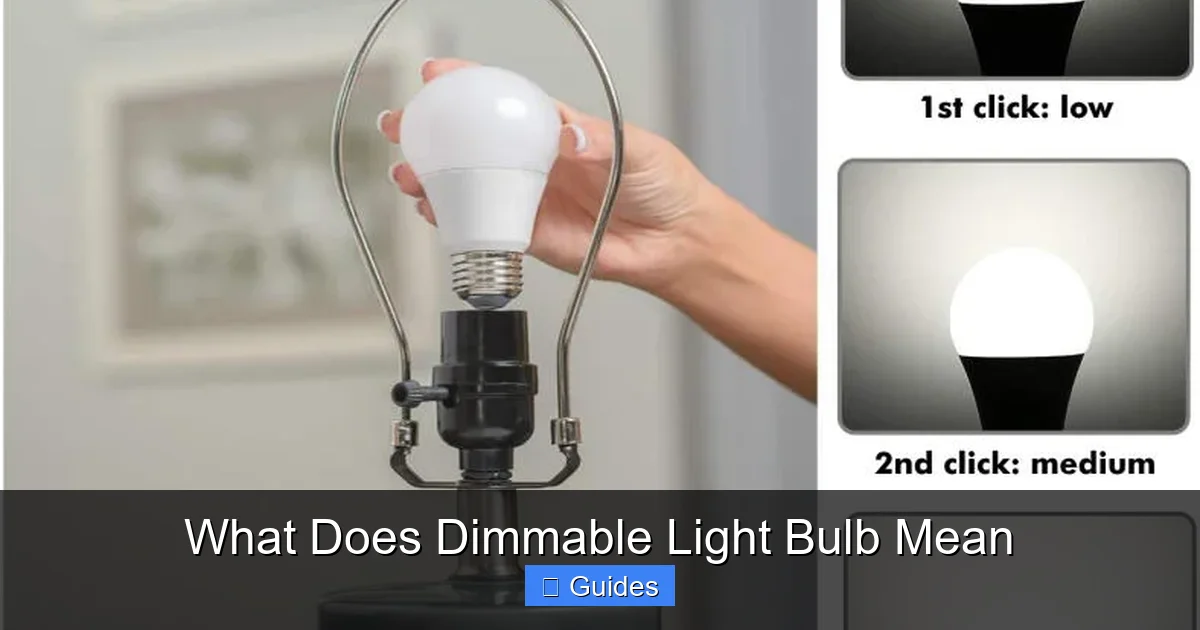
Visual guide about What Does Dimmable Light Bulb Mean
Image source: homeupward.com
The magic behind dimming isn’t just in the bulb; it’s also heavily reliant on the dimmer switch itself. These two components work in tandem, and understanding their interaction is crucial to appreciating what a dimmable light bulb truly entails.
Incandescent and Halogen Dimming
For traditional incandescent and halogen bulbs, dimming is relatively straightforward. These bulbs produce light by heating a filament. A standard dimmer switch for these bulbs (often called a “leading-edge” dimmer) works by rapidly turning the power on and off at the beginning of each AC cycle. By cutting off a portion of the electrical current before it reaches the bulb, it effectively reduces the average power supplied. Less power means the filament gets less hot, and thus glows less brightly. Since the filament’s response time is slow, you don’t perceive the rapid on-off cycles as flicker, just a smooth reduction in light.
The Complexity of LED Dimming
Dimmable LED bulbs are far more sophisticated. LEDs don’t have filaments; they produce light through semiconductors. To dim an LED, its internal driver must be able to adjust the current flowing to the LEDs in a controlled manner. Most dimmable LED bulbs are designed to work with “phase-cut” dimmers, which are the same type used for incandescents but optimized for the unique load characteristics of LEDs.
There are two main types of phase-cut dimmers relevant to dimmable LED light bulbs:
- Leading-Edge Dimmers: These are the older, simpler type, originally designed for incandescent bulbs. They “chop” the leading edge of the AC waveform. Some dimmable LED bulbs can work with these, but often not perfectly, leading to flickering, buzzing, or a limited dimming range.
- Trailing-Edge Dimmers: These are newer, more sophisticated dimmers that chop the trailing edge of the AC waveform. They are generally more compatible with dimmable LED light bulbs, offering smoother dimming, quieter operation, and a wider dimming range. They often employ a technology called “reverse phase control.”
Beyond phase-cut dimmers, some advanced dimmable LED systems use other methods like 0-10V dimming (common in commercial settings) or Digital Addressable Lighting Interface (DALI) protocols, which use control wires separate from the power wires to send dimming commands. However, for most residential applications, you’ll be dealing with phase-cut dimmers and ensuring your dimmable light bulb is compatible with them.
Types of Dimmable Light Bulbs
Not all light bulbs are created equal, and their dimming capabilities vary significantly by technology.
Incandescent and Halogen Bulbs
As mentioned, almost all incandescent and halogen bulbs are inherently dimmable. They offer a warm dimming experience, often shifting to a warmer color temperature as they dim (a phenomenon known as “warm dim”). They are straightforward to dim with standard leading-edge dimmers.
Compact Fluorescent Lamps (CFLs)
Most CFLs are *not* dimmable. If a CFL is dimmable, it will be clearly labeled as a “dimmable light bulb” and will require a specific type of dimmer switch designed for CFLs or universal dimmers. Attempting to dim a non-dimmable CFL will almost certainly lead to flicker, reduced lifespan, or complete failure.
Light Emitting Diodes (LEDs)
This is where the term “dimmable light bulb” is most critical today. While many LEDs on the market are dimmable, a significant number are not. For a dimmable LED light bulb to work correctly, it needs specialized internal electronics (a dimmable driver) that can interpret the dimmer’s signals. Furthermore, these dimmable LED bulbs often require an LED-compatible dimmer switch to function optimally. Always check the packaging for the “dimmable” symbol or explicit text.
The Crucial Role of Compatibility: Bulb, Dimmer, and Fixture
Understanding what a dimmable light bulb means is only half the battle. The other half is ensuring that your entire dimming setup is compatible. This trifecta—the bulb, the dimmer switch, and sometimes the light fixture itself—must all work together harmoniously.
Bulb and Dimmer Compatibility
This is the most critical pairing.
- Non-Dimmable Bulb + Dimmer Switch: This is a recipe for disaster. Expect flickering, buzzing, greatly reduced bulb life, or no dimming at all.
- Dimmable Bulb + Non-Dimmable Switch: The bulb will likely just operate at full brightness, as the switch isn’t designed to alter power output.
- Dimmable Bulb + Incompatible Dimmable Switch: This is a common pitfall with LEDs. Even if both are technically “dimmable,” if the dimmer is an old leading-edge model designed for incandescents and the LED requires a trailing-edge or universal dimmer, you might still experience issues like:
- Limited dimming range (e.g., only dims to 50% instead of 10%).
- Flickering or strobing at certain dimming levels.
- Audible buzzing from the bulb or switch.
- The bulb not turning off completely at the lowest setting (“ghosting”).
Always refer to the manufacturer’s compatibility list, which many dimmable light bulb brands provide, listing dimmer switches that have been tested and verified to work well with their bulbs.
Fixture Compatibility
While less common, some specialized light fixtures, particularly those with integrated LEDs or unique transformers, might have specific dimming requirements. For example, low-voltage lighting systems often use transformers, and these transformers must also be dimmable and compatible with the chosen dimmer switch and dimmable light bulb. Always check the fixture’s specifications, especially for recessed lighting or track lighting systems.
Benefits of Using Dimmable Lighting
Beyond just having the ability to turn the lights down, opting for a dimmable light bulb system brings a host of advantages to your home and your wallet.
Enhanced Ambiance and Mood Control
This is often the primary reason people choose dimmable lighting. The ability to adjust brightness allows you to transform the mood of any room. Bright lights for tasks like cooking or cleaning, a medium glow for general living, and a low, soft light for relaxing or entertaining. A dimmable light bulb offers unparalleled flexibility in creating the perfect atmosphere for any occasion.
Energy Efficiency and Cost Savings
While dimmable LED light bulbs are already highly energy-efficient at full brightness, dimming them further reduces their power consumption. When you dim a bulb, you are directly reducing the amount of electricity it uses. This translates to lower energy bills over time. It’s an easy way to save a little extra on electricity without sacrificing comfort or convenience.
Extended Bulb Lifespan
For most bulb types, running them at reduced power through a dimmer switch can actually extend their operational life. For incandescent and halogen bulbs, less heat stress on the filament means it lasts longer. For quality dimmable LED light bulbs, operating at lower power means their internal components, especially the driver, run cooler and are under less strain, potentially prolonging the bulb’s overall lifespan.
Increased Comfort and Health
Harsh, bright lighting can cause eye strain and even disrupt natural sleep cycles, especially in the evening. Dimmable lighting allows you to reduce blue light exposure as the day winds down, promoting better melatonin production and a more restful night’s sleep. It also provides comfort for sensitive eyes or during tasks that don’t require intense illumination.
Common Issues and Troubleshooting with Dimmable Light Bulbs
Even with the best intentions, you might run into some snags when setting up or using your dimmable lighting. Knowing what to look for can save you a lot of frustration.
Flickering or Strobing
This is perhaps the most common issue. If your dimmable light bulb is flickering, the primary culprit is usually incompatibility between the bulb and the dimmer switch.
- Solution: Ensure your dimmer is specifically rated for LED or universal dimming if you’re using LED bulbs. Check the bulb manufacturer’s compatibility list for recommended dimmers. If the dimmer is old, consider upgrading it. Sometimes, a minimum load requirement for the dimmer isn’t met (e.g., if you only have one or two low-wattage LED bulbs on a dimmer designed for 600W incandescents). Adding more compatible bulbs or using a dimmer with a lower minimum load can help.
Buzzing or Humming
A buzzing sound can come from either the dimmable light bulb itself or the dimmer switch.
- Solution: Again, incompatibility is often to blame. Older leading-edge dimmers sometimes produce audible noise when trying to dim modern LED loads. Try a different, LED-compatible trailing-edge dimmer. If the bulb itself is buzzing, it might be a lower-quality dimmable light bulb or simply incompatible with your specific dimmer.
Limited Dimming Range
Your dimmable light bulb might only dim down to 30-50% brightness instead of the advertised 5-10%.
- Solution: Many modern dimmers have adjustable trim settings (sometimes a small dial or lever under the faceplate) that allow you to fine-tune the minimum and maximum dimming levels for optimal performance with your specific bulbs. Consult your dimmer’s manual. Otherwise, it points to an incompatibility issue.
Bulbs Not Turning Off Completely (Ghosting)
This is when your dimmable light bulb glows faintly even when the dimmer is set to “off” or its lowest setting.
- Solution: This often happens because the LED driver is still receiving a small amount of residual current (leakage current) from the wiring or an incompatible dimmer. An LED-compatible dimmer is key. Sometimes, installing a “load resistor” or a specific “ghosting reducer” accessory can resolve this by providing a slight load for the dimmer.
Choosing the Right Dimmable Setup for Your Home
Now that you understand what a dimmable light bulb means, here’s how to put that knowledge into practice.
1. Identify Your Bulb Type (and Existing Setup)
If you’re replacing existing bulbs, note their type (incandescent, halogen, LED). If you have a dimmer already installed, try to identify its type or age. If it’s an old dimmer with a prominent heat sink, it’s likely a leading-edge dimmer designed for incandescents.
2. Select Dimmable Light Bulbs
Always choose bulbs clearly labeled “dimmable.” For LEDs, look for reputable brands known for good dimming performance. Consider the color temperature (CCT) and brightness (lumens) you desire. Some dimmable LED light bulbs also offer “warm dim” features, mimicking the color shift of incandescents as they dim.
3. Choose a Compatible Dimmer Switch
This is critical. For dimmable LED light bulbs, always opt for an “LED-compatible,” “universal,” or “trailing-edge” dimmer. These dimmers are designed to handle the low wattage and unique electrical characteristics of LEDs, preventing most common dimming issues. Ensure the dimmer’s wattage rating matches or exceeds the total wattage of all bulbs connected to it, while also respecting its minimum load requirements for LEDs.
4. Test Your Setup
Before committing to buying many bulbs, test one dimmable light bulb with your chosen dimmer switch in the actual fixture. Observe its behavior: Does it dim smoothly? Is the range acceptable? Is there any flickering or buzzing? This small test can save you headaches and money.
5. Consider Professional Installation for Complex Setups
If you’re dealing with whole-house lighting systems, low-voltage lighting, or multiple circuits, consider consulting a qualified electrician. They can ensure your wiring and dimmer choices are safe and optimized for your specific needs.
Conclusion
What does dimmable light bulb mean? It means flexibility, ambiance, energy savings, and a greatly enhanced lighting experience. It signifies a bulb that has been thoughtfully engineered to integrate with dimmer switches, offering you precise control over the illumination in your space. No longer are you limited to “on” or “off”; with dimmable light bulbs, you gain a spectrum of brightness, allowing you to tailor your environment to your exact needs and mood.
By understanding the importance of compatibility—between your dimmable light bulb, your dimmer switch, and sometimes even your fixture—you can avoid common frustrations and unlock the full potential of modern lighting technology. So, next time you’re browsing for bulbs, remember to look for that crucial “dimmable” label. It’s not just a feature; it’s an invitation to transform your home into a more dynamic, comfortable, and energy-efficient haven.
Frequently Asked Questions
What is the difference between a dimmable and a non-dimmable light bulb?
A dimmable light bulb contains specialized internal components or design features that allow it to safely and effectively reduce its light output when less power is supplied by a dimmer switch. A non-dimmable bulb lacks these features, and attempting to dim it can cause flickering, buzzing, damage, or premature failure.
Do I need a special dimmer switch for dimmable LED bulbs?
Yes, generally you need a specific “LED-compatible” or “universal” dimmer switch for dimmable LED bulbs. Older dimmer switches designed for incandescent bulbs may not work correctly with LEDs due to their lower wattage and different electrical load characteristics, leading to issues like flickering or limited dimming range.
Why is my dimmable light bulb flickering even with a dimmer switch?
Flickering often occurs due to incompatibility between the dimmable light bulb and the dimmer switch. The dimmer might be an older model not designed for LEDs, or the dimmer’s minimum load requirement might not be met by the low wattage of the LED bulbs. Ensure both components are compatible and consider upgrading your dimmer to an LED-specific model.
Can a dimmable light bulb extend the life of my bulbs?
Yes, for most types of dimmable light bulbs, operating them at reduced brightness can extend their lifespan. For incandescent and halogen bulbs, less heat means less wear on the filament. For quality dimmable LED bulbs, running at lower power reduces stress on their internal electronics, potentially increasing their longevity.
Are all LED bulbs dimmable?
No, not all LED bulbs are dimmable. It is crucial to check the packaging for a “dimmable” label or symbol before purchasing. If an LED bulb is not explicitly stated as dimmable, it should only be used with a standard on/off switch to avoid damage and performance issues.
What does “warm dim” mean for dimmable light bulbs?
“Warm dim” refers to a feature in some dimmable LED light bulbs that mimics the behavior of incandescent bulbs. As you dim these specific LEDs, their color temperature shifts from a brighter white to a warmer, more amber glow, creating a cozier and more traditional dimmed lighting effect.
