


As an Amazon Associate, We earn from qualifying purchases.
If you’re asking, “why does my light bulb flicker,” you’re not alone. This common household annoyance can stem from various sources, ranging from a faulty bulb or loose connection to more serious electrical wiring issues. Understanding the underlying cause is the first step towards a steady, bright home.
You settle in for a relaxing evening, maybe reading a book or watching your favorite show, when suddenly – a subtle dance of light and shadow begins. Your light bulb flickers, just enough to be annoying, perhaps even concerning. It’s a common household mystery, often prompting the question, “why does my light bulb flicker?” This seemingly small issue can be anything from a minor inconvenience to a sign of a larger, more serious electrical problem in your home. Don’t worry, you’re not alone in facing this illuminating enigma.
A flickering light isn’t just irritating; it can interrupt your concentration, strain your eyes, and even hint at potential electrical hazards. Pinpointing the exact cause can feel like detective work, but understanding the usual suspects will empower you to either fix the problem yourself or know when it’s time to call in a professional. Let’s shed some light on why your light bulb flickers and what you can do about it.
Key Takeaways
- Start Simple: Often, the reason why your light bulb flickers is a faulty bulb itself, especially with older incandescent or incompatible LED/CFL bulbs. Try replacing it first.
- Check Connections: A loose bulb in its socket or a loose connection in the light fixture, switch, or outlet can cause intermittent power, leading to flickering.
- Identify Overloaded Circuits: When too many high-power appliances share a circuit, they can draw excessive current, causing voltage dips and making your lights flicker.
- Consider Wiring Issues: Older homes, DIY electrical work, or pest damage can lead to damaged or degraded wiring, which is a serious safety concern and a common reason why a light bulb flickers.
- Appliance Interference: Large appliances with motors (refrigerators, HVAC units) can cause momentary voltage drops when they cycle on, sometimes making lights flicker.
- Voltage Fluctuations: Issues with your home’s main electrical supply or even the utility grid can manifest as inconsistent voltage, leading to widespread flickering.
- Call a Pro: For persistent flickering, especially across multiple lights, or if you suspect wiring problems, always consult a qualified electrician to ensure safety and proper repair.
Quick Answers to Common Questions
Can a new LED bulb flicker?
Yes, a new LED bulb can flicker. This is often due to incompatibility with a dimmer switch, a faulty bulb from the manufacturer, or a low-quality internal driver within the LED itself.
Is light flickering dangerous?
Light flickering can be a sign of a dangerous underlying electrical problem, such as loose wiring, an overloaded circuit, or a faulty electrical panel, which could pose a fire risk. Minor flickering from a dying bulb is usually not dangerous.
Why do my lights flicker only when an appliance turns on?
This usually indicates a temporary voltage dip caused by a large appliance (like a refrigerator or AC unit) drawing a lot of power when its motor starts. It can also signal an overloaded circuit or, less commonly, a loose main neutral connection.
Why does my light bulb flicker even when it’s off?
An LED bulb might flicker faintly when off due to residual current in the wiring (often from dimmer switches or complex circuits), static electricity, or very slight voltage induction from nearby live wires. This is usually harmless but can be annoying.
How can I test if a circuit is overloaded?
To test for an overloaded circuit, note which lights flicker when certain high-power appliances (heaters, vacuums, microwaves) turn on. Then, unplug some devices from outlets on that circuit and see if the flickering stops. If it does, you’re likely overloading it.
📑 Table of Contents
Understanding Light Bulb Flickering: More Than Just Annoyance
When we talk about a light bulb flickering, we’re referring to an inconsistent output of light. It might be a quick flash, a slow pulsing, or a continuous, irritating shimmer. While some flicker is imperceptible to the human eye, particularly with certain types of lighting like LEDs operating on a low-quality driver, the kind of flickering that bothers you is usually a visible fluctuation in brightness. The reason why your light bulb flickers can range from something as simple as the bulb itself to complex issues within your home’s electrical system or even the utility grid.
The Spectrum of Flickering
- Intermittent Flickering: Comes and goes without a clear pattern.
- Consistent Flickering: Always present when the light is on.
- Flickering on Demand: Only occurs when another appliance turns on.
- Flickering with Dimming: Happens when trying to dim lights, or when lights automatically dim and brighten.
Each type of flicker can be a clue to its origin. Our goal here is to help you understand these clues so you can effectively troubleshoot and resolve the issue. So, let’s dive into the most common reasons why your light bulb flickers.
Bulb-Specific Issues: The Simplest Solutions
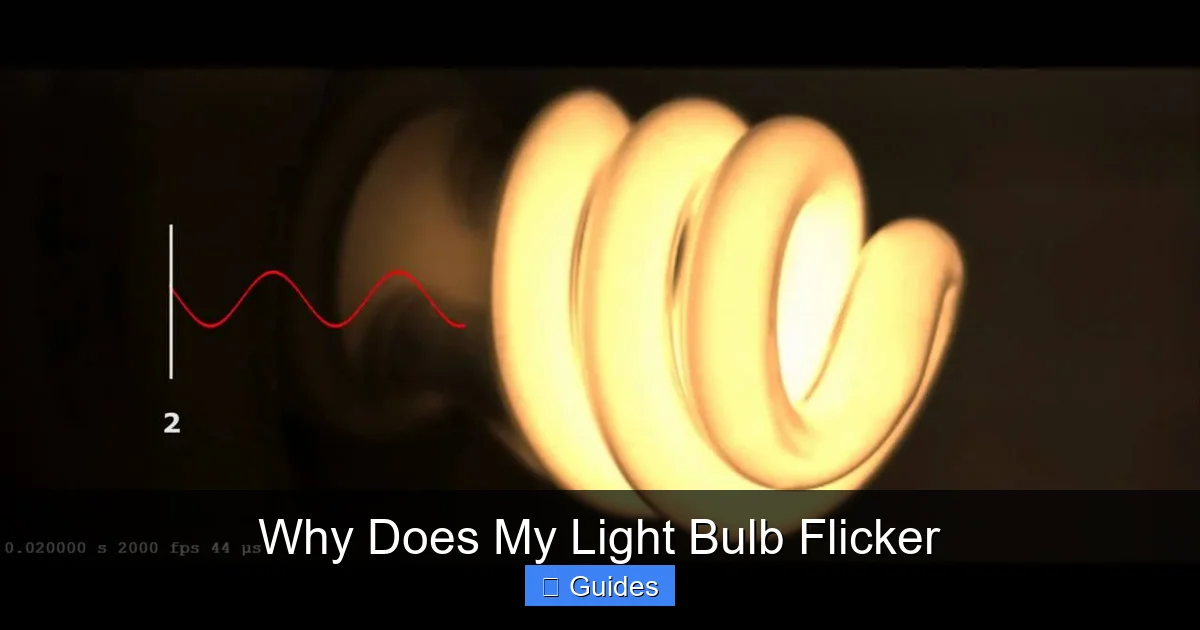
Often, the answer to “why does my light bulb flicker” lies right in the bulb itself. Before you start pulling apart your walls or calling an electrician, begin with the easiest fix: checking the light bulb.
Visual guide about Why Does My Light Bulb Flicker
Image source: i.ytimg.com
Old or Faulty Bulbs
Incandescent bulbs, with their delicate filaments, are prone to flickering as they near the end of their life. The filament can become fragile and break contact intermittently before finally burning out. If you have an old incandescent bulb that flickers, simply replacing it is usually the quick and easy solution. Similarly, even newer bulbs can be faulty from the factory. A new bulb that flickers right out of the box should be exchanged.
Incompatible LED or CFL Bulbs
LEDs (Light Emitting Diodes) and CFLs (Compact Fluorescent Lamps) are energy-efficient, but they have more complex internal electronics. If you’re wondering why your light bulb flickers and it’s an LED or CFL, consider these points:
- Dimmer Switch Incompatibility: Not all LEDs or CFLs are designed to work with traditional dimmer switches. Using a non-dimmable LED/CFL with a standard dimmer can cause flickering, humming, or premature failure. Always use “dimmable” rated bulbs with compatible dimmer switches (often requiring LED-specific dimmers).
- Low-Quality Bulbs: Cheaply made LED or CFL bulbs might have low-quality drivers (the internal component that converts AC to DC for LEDs, or regulates current for CFLs). These can lead to noticeable flickering, especially at lower light levels. Investing in reputable brands can prevent this.
- Aging LED Drivers: Just like any electronic component, the driver in an LED bulb can degrade over time, leading to inconsistent power delivery and flickering.
Practical Tip: If only one light bulb flickers, try swapping it with a known good bulb from another fixture. If the problem moves with the bulb, you’ve found your culprit!
Loose Connections: A Common Culprit
If replacing the bulb doesn’t stop the flickering, the next place to investigate is the connections. Loose connections are a very common reason why a light bulb flickers, as they disrupt the consistent flow of electricity.
Loose Bulb in Socket
This is often overlooked but incredibly simple to fix. Over time, or with vibration, a bulb can slightly unscrew from its socket. This creates an intermittent connection. Before doing anything else, turn off the power to the fixture at the switch and/or circuit breaker. Then, carefully tighten the bulb by twisting it clockwise. Do not overtighten.
Loose Wiring in the Fixture
The light fixture itself has wiring connecting the socket to the house’s electrical circuit. These connections can become loose due to vibrations, age, or improper installation. If you’re comfortable, and after turning off the power at the circuit breaker:
- Carefully remove the light fixture’s cover.
- Inspect the wires connecting to the bulb socket and the main supply wires.
- Look for any discolored, frayed, or visibly loose wires.
- Gently test if any wires pull easily from their connectors (wire nuts).
Caution: If you find loose wires and are unsure how to properly re-secure them, it’s best to call a qualified electrician. Improper wiring can be dangerous.
Faulty Light Switches or Outlets
If your light fixture is controlled by a wall switch or plugged into an outlet, the issue could be there. A worn-out switch or a loose wire inside the switch or outlet can cause inconsistent power. Over time, the internal components of a switch can degrade, leading to poor contact. Similarly, a loose wire in an outlet can prevent a steady current. If the flickering only happens when the light is controlled by a specific switch, or when plugged into a specific outlet, investigating that component might reveal why your light bulb flickers. Again, always turn off the power at the circuit breaker before attempting to inspect or replace a switch or outlet.
Circuit Overload and Voltage Fluctuations
Sometimes, the problem isn’t with a single bulb or connection but with the overall electrical supply to that circuit or even your entire home. This is where the question “why does my light bulb flicker” can point to more systemic issues.
Overloaded Circuits
Every electrical circuit in your home is designed to handle a certain amount of current. When you plug in too many high-power appliances (heaters, hair dryers, microwaves, vacuums, etc.) into outlets on the same circuit, you can draw more current than the circuit is designed for. This causes a temporary drop in voltage, which can manifest as lights flickering or dimming, especially when an appliance cycles on. Your circuit breaker might trip if the overload is severe enough, but minor overloads can just cause flickering.
Troubleshooting: Notice if the flickering starts when a particular appliance turns on. Try unplugging some devices from the suspected circuit and see if the flickering stops. If it does, you might need to redistribute your appliances to different circuits.
Voltage Fluctuations from Large Appliances
Even without overloading a circuit, large appliances with powerful motors (like refrigerators, air conditioners, furnaces, washing machines, or well pumps) can cause momentary voltage dips when they kick on. This sudden surge of power draw can briefly affect the lights on the same or even adjacent circuits, causing them to flicker. This is often a normal occurrence, but if it’s severe or constant, it could indicate an issue with your home’s main electrical service or the appliance itself.
Issues with the Utility Grid
In rare cases, the problem why your light bulb flickers might originate outside your home, from the local utility grid. Power surges, brownouts, or general instability in the grid can lead to voltage fluctuations that affect all homes in an area. If your neighbors are experiencing similar issues, or if the flickering is widespread across multiple circuits in your home, contacting your power company is a good next step.
Deeper Electrical Wiring Problems: When to Call a Pro
If you’ve checked the bulbs, connections, and looked for circuit overloads, and the flickering persists, the problem might be deeper within your home’s electrical wiring. These issues are typically more serious and require the expertise of a licensed electrician.
Degraded or Damaged Wiring
Especially in older homes, wiring can degrade over time. Insulation can crack, wires can become brittle, and connections can loosen deep within the walls or junction boxes. Pests (like rodents) can also chew through wiring, causing intermittent shorts or open circuits. Damaged wiring is a significant fire hazard and should be addressed immediately by a professional.
Faulty Breaker or Electrical Panel
The circuit breaker panel is the heart of your home’s electrical system. A faulty breaker that isn’t tripping but isn’t making a solid connection can cause flickering. Issues with the main service wires entering your home or with the entire electrical panel itself can also lead to widespread and persistent flickering. These are complex problems that only a qualified electrician should diagnose and repair.
Loose Service Neutral Connection
This is a particularly dangerous and complex issue. The neutral wire provides the return path for electricity. If the main neutral connection coming into your home from the utility pole becomes loose, it can cause severe and random voltage fluctuations across different circuits. Lights might flicker erratically, sometimes getting brighter, sometimes dimmer. This condition can damage appliances and is a fire risk. If you suspect this, call your utility company and an electrician immediately.
Warning: Do NOT attempt to investigate or repair your main electrical panel or service wires yourself. These carry extremely high voltage and are incredibly dangerous. Always defer to professionals for these types of issues.
When to Call an Electrician
You’ve done your troubleshooting, checked the easy fixes, and you’re still asking, “why does my light bulb flicker?” Here are clear indicators that it’s time to bring in a licensed professional:
- Widespread Flickering: If multiple lights in different rooms or on different circuits are flickering, it points to a problem with your home’s main electrical system or the utility supply.
- Persistent Flickering After Basic Checks: If replacing bulbs and tightening connections don’t solve the problem.
- Flickering Accompanied by Other Issues: If you notice burning smells, buzzing sounds from outlets/switches, tripping breakers, or warm switch plates/outlets along with the flickering, these are serious warning signs.
- Old Home Wiring: If you live in an older home with original wiring, flickering can be a sign of aging or inadequate electrical infrastructure.
- Uncertainty or Discomfort: If you’re not comfortable working with electricity, or if you can’t identify the cause, it’s always safer to call an expert.
A qualified electrician has the tools and expertise to safely diagnose and repair complex electrical issues, ensuring the safety and reliability of your home’s power system.
Conclusion: From Flicker to Fix
The mystery of “why does my light bulb flicker” can be solved, usually with a bit of systematic investigation. From the simplest fix of replacing a worn-out bulb to the more complex diagnosis of an overloaded circuit or faulty wiring, understanding the potential causes is the first step toward a steady, reliable light source. Remember to always prioritize safety when dealing with electricity. Start with the easiest solutions, ensure the power is off before checking connections, and don’t hesitate to call a licensed electrician if the problem persists or if you suspect a more serious underlying issue. Your peace of mind, and the safety of your home, are well worth the effort.
Frequently Asked Questions
What’s the most common reason why a light bulb flickers?
The most common reason for a flickering light bulb is often the bulb itself, especially if it’s an old incandescent nearing its end, or an LED/CFL bulb that’s incompatible with its dimmer switch or has a low-quality internal driver. Swapping out the bulb is always the first troubleshooting step.
Should I be concerned if all the lights in my house flicker?
Yes, if all or most of the lights in your house flicker, it’s a significant concern. This often points to a problem with your home’s main electrical service, a loose connection at the electrical panel, or even an issue with the utility company’s power supply to your home. Contact a licensed electrician immediately.
Can a loose light switch cause flickering?
Absolutely. A loose connection within the light switch itself or a faulty switch mechanism can interrupt the consistent flow of electricity to the light fixture, leading to noticeable flickering. This is a common cause, and investigating the switch is a good step after checking the bulb.
Are flickering LED lights bad for your eyes?
Yes, prolonged exposure to flickering lights, especially those with a low flicker frequency, can cause eye strain, headaches, and even contribute to fatigue. While some LED flicker is imperceptible, visible flickering should be addressed for comfort and health.
Does extreme weather affect light bulbs and cause them to flicker?
Extreme weather, such as heavy storms or strong winds, can certainly affect your home’s electrical supply, leading to voltage fluctuations that cause lights to flicker. Power lines can be damaged, or the utility grid may experience instability, resulting in temporary or intermittent flickering across multiple fixtures.
When should I call an electrician for a flickering light?
You should call an electrician if the flickering persists after you’ve tried replacing the bulb and tightening connections, if multiple lights in different rooms are flickering, if you smell burning, hear buzzing, or see sparks, or if you have an older home with potentially outdated wiring. Safety first!
