


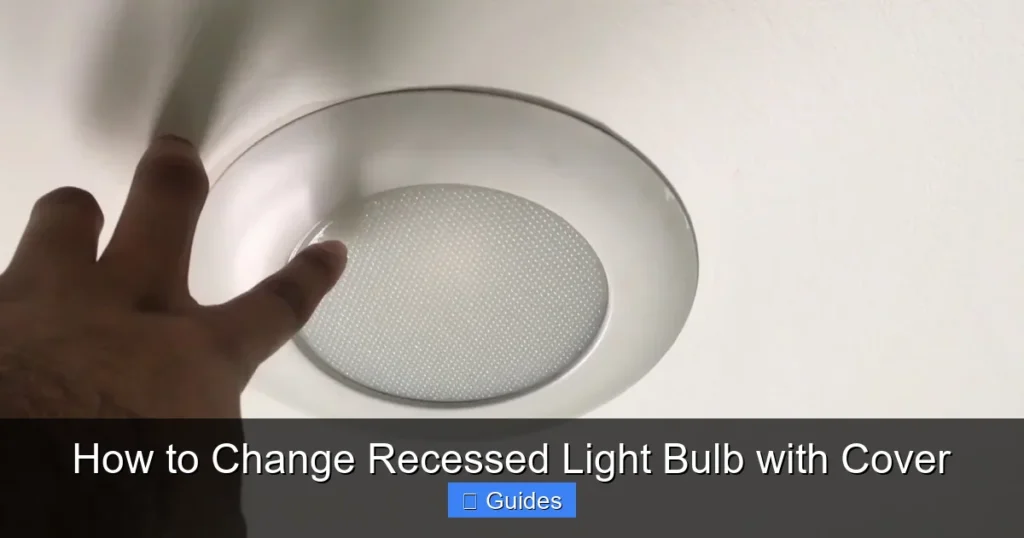
As an Amazon Associate, We earn from qualifying purchases.
Mastering recessed light bulb changes, especially with a cover, starts with crucial safety: always turn off the power first. Then, carefully detach the fixture’s cover, which typically involves twisting, gentle prying, or releasing spring clips, to access and replace the old bulb with a new, compatible one before reassembling and restoring power.
Ever found yourself staring up at a flickering recessed light, a wave of dread washing over you? You know it’s time to change the bulb, but those sleek, integrated fixtures with their mysterious covers can feel like a formidable challenge. It’s not like your grandma’s lamp where you just twist and pull! The thought of prying off a delicate cover, potentially damaging the ceiling or the fixture itself, can be enough to make anyone postpone the task indefinitely, living under a dimmer-than-desired glow.
You̱re not alone in this struggle. Many homeowners find recessed lighting a bit intimidating, especially when it comes to maintenance. They’re designed to blend seamlessly into your ceiling, which often means their working parts are cleverly concealed. But here’s a little secret: changing a recessed light bulb with a cover isn’t nearly as daunting as it seems. With the right approach, a few simple tools, and a bit of confidence, you’ll have that room bathed in brilliant light again in no time.
Consider this your friendly, step-by-step guide – like having an experienced friend walk you through it. We’ll cover everything from getting prepared and staying safe to tackling different cover types and making sure your new bulb shines brightly. So, let’s banish those flickering lights and embrace the bright side of DIY home maintenance. Changing that recessed light bulb with its cover is about to become your newest superpower!
Key Takeaways
- Always turn off power at the breaker first for safety.
- Identify your cover type (twist, spring clips, friction fit).
- Gently twist or pull covers; avoid excessive force.
- Use a suction cup for GU10 or MR16 bulb removal.
- Match bulb type and wattage for correct replacement.
- Securely reattach the cover after bulb installation.
Quick Answers to Common Questions
How do I safely remove the cover from my recessed light?
First and foremost, always turn off the power to the light at the circuit breaker! Most recessed light covers either unscrew counter-clockwise or have spring clips you can gently pull down to release them. A gentle twist or pull should reveal its mechanism.
What tools will I need to change a recessed light bulb with cover?
You’ll typically only need a sturdy stepladder for reach and perhaps a pair of gloves to protect your hands and prevent fingerprints on the new bulb. For very tight covers, a rubber gripper can offer extra leverage.
How do I know what kind of replacement bulb to get for my recessed light?
Always check the existing bulb or the inside of the fixture itself for wattage and bulb type (e.g., BR30, PAR20, LED). Matching these specifications ensures proper fit, brightness, and safety for your recessed light bulb with cover.
Are all recessed light covers removed the same way?
Not quite! While many screw off, some are held by tension springs you gently squeeze and pull, or friction clips that require a firm, straight pull down. Take a moment to inspect for visible clips or a threaded edge.
Is it difficult to put the recessed light cover back on after changing the bulb?
Usually not! If your cover unscrews, simply align it and twist clockwise until it’s snug. For spring-clip covers, compress the springs and push the cover back into the housing until it sits flush.
📑 Table of Contents
- Gathering Your Tools: Preparation is Key to Success
- Prioritizing Safety: Before You Touch Anything
- The Art of Removing the Recessed Light Cover
- Safely Changing the Old Bulb
- Installing the New Bulb and Reassembling the Fixture
- Common Pitfalls and Pro Tips for Recessed Light Maintenance
- Understanding Recessed Light Bulb Types and Removal Methods
- Bask in the Glow of Your DIY Success!
Gathering Your Tools: Preparation is Key to Success
Before you even think about touching that light fixture, a little preparation goes a long way. Think of it as setting the stage for a smooth, safe, and successful operation. Having the right tools at hand means you won’t be climbing up and down the ladder repeatedly, which can be both frustrating and risky.
Essential Safety Gear
Safety first, always! Especially when working with electricity and at heights. Trust me, a little caution now can prevent a lot of headaches later.
- Work Gloves: A good pair of work gloves will protect your hands from dust, sharp edges, and, most importantly, the heat from a recently used bulb. They also provide a better grip, which is crucial when trying to twist or pull a cover.
- Safety Glasses: Dust, debris, or even small fragments from an old, brittle bulb cover can fall when you’re working overhead. Safety glasses are a non-negotiable item to protect your eyes.
The Right Ladder for the Job
Don’t try to balance on a wobbly chair or a stack of books. A stable ladder is your best friend here. If your ceiling is particularly high, consider borrowing or renting an extension ladder. Always make sure the ladder is placed on a firm, level surface and that you have someone to spot you if possible, especially for higher ceilings.
Identifying the Right Replacement Bulb
This is where many people get stuck. There are so many types of recessed light bulbs! Before you remove the old one, try to figure out what kind of bulb you’re dealing with. If the light is completely out, you might need to remove the cover first to identify it. Look for:
- Wattage: Crucial for safety and performance. Never exceed the maximum wattage listed on your fixture.
- Base Type: Common types include E26 (standard screw-in), GU10 (twist-and-lock bi-pin), and MR16 (push-in bi-pin).
- Lumens: This indicates brightness. Don’t just rely on wattage anymore; lumens tell you how much light you’ll actually get.
- Color Temperature (Kelvin): Do you prefer warm, soft light (around 2700K-3000K) or cooler, daylight-like illumination (around 4000K-5000K)?
- Bulb Type: LED, Halogen, Incandescent. If you’re replacing an older halogen or incandescent bulb, switching to an LED is a smart move for energy efficiency and longevity. Just ensure the new LED bulb is compatible with any dimmer switches you might have.
A good tip is to take a photo of the old bulb’s markings once you remove it, or even take the bulb itself to the store to ensure a perfect match for your recessed lighting.
Handy Helper Tools
Sometimes, those recessed light covers can be stubborn. These tools can make life much easier:
- Flathead or Phillips Screwdriver: Many recessed light covers are held in place with small screws.
- Suction Cup: For glass or smooth plastic diffusers, a specialized light bulb changing suction cup can be incredibly useful for grip and leverage.
- Plastic Prying Tool (Spudger): Great for gently nudging out stubborn covers or trim rings without scratching the fixture or ceiling.
- Small Towel or Cloth: Provides extra grip when twisting or pulling, especially if the cover is dusty or slippery.
Prioritizing Safety: Before You Touch Anything
I can’t stress this enough: safety is paramount. You’re dealing with electricity, and neglecting a few simple precautions can lead to nasty shocks or burns. Don’t rush this step; it’s the most important part of successfully changing a recessed light bulb with a cover.
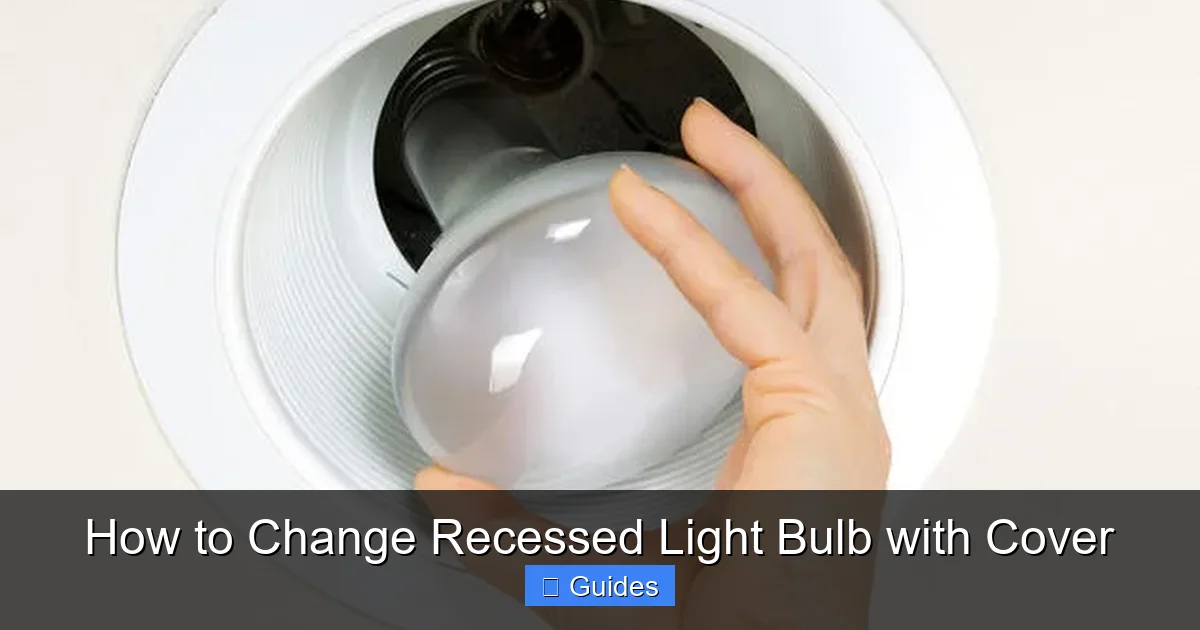
Visual guide about How to Change Recessed Light Bulb with Cover
Image source: luxuryhomestuff.com
Locating and Turning Off the Power
This is the golden rule of any electrical work. You absolutely must turn off the power to the fixture before you begin. Here’s how:
- Find Your Breaker Box: It’s usually in a utility closet, basement, garage, or even outdoors.
- Identify the Correct Breaker: Look for labels that indicate “Living Room Lights,” “Kitchen,” etc. If labels aren’t clear, you might need to flip breakers one by one until the light you’re working on goes out.
- Flip the Breaker to “Off”: Once you’ve identified the right one, firmly switch it off.
- Double-Check: Go back to the light switch for that room and try turning it on. If the light doesn’t come on (which it shouldn’t), you’ve successfully cut the power. This quick verification step is incredibly important for your safety when you’re about to remove the recessed light cover.
Allowing the Bulb to Cool Down
If the light has been on recently, especially if it’s an older halogen or incandescent bulb, it will be incredibly hot. Trying to remove a hot bulb can lead to serious burns. Give it at least 15-20 minutes to cool down completely before you attempt any work. Even LED bulbs can get warm, so it’s always best to be cautious.
Assessing the Fixture Type and Cover Design
Recessed lights come in a variety of styles, and the way you remove the cover will depend on its design. Take a moment to look closely at your specific fixture. Is it a simple glass diffuser? A metal trim ring with springs? Or something else entirely?
- Diffusers: These are often made of frosted glass or plastic and might twist on, screw on, or be held by small clips.
- Trim Rings: Many recessed lights feature a decorative metal or plastic trim ring that holds the bulb and sometimes the cover in place. These are frequently secured by spring clips.
- Gimbals/Eyeballs: Some recessed lights have adjustable “eyeball” or “gimbal” trims that can be angled. These often twist or pull out directly.
Understanding the cover design is the first step in figuring out how to remove it without causing damage. Don’t assume all recessed light covers are the same!
The Art of Removing the Recessed Light Cover
This is often the trickiest part of the whole process – getting that cover off without breaking it or scratching your ceiling. Approach it with patience and a gentle touch, and you’ll master how to change a recessed light bulb with a cover in no time.
Twist-and-Pull Covers
Many simple glass or plastic diffusers are designed to twist off. These are often flush with the ceiling and have a slightly textured or ridged edge for grip.
- Grip Firmly: Use your gloved hands or a cloth for better grip.
- Rotate Counter-Clockwise: Apply steady, gentle pressure and rotate the cover counter-clockwise, just like unscrewing a jar lid.
- Pull Down Gently: Once you feel it loosen, it should pull straight down. Sometimes a gasket might make it stick a little, requiring a bit more effort.
Spring-Loaded Trim Rings
These are very common, especially for older recessed lights. The decorative trim ring is held in place by two or more spring clips.
- Locate the Springs: Look for two wire springs, usually on opposite sides, tucked into clips inside the housing.
- Pull Down Gently: Grasp the trim ring firmly and pull it straight down from the ceiling. You’ll feel resistance from the springs.
- Release the Springs: As you pull the trim ring down a few inches, you should be able to see and access the springs. Gently pinch the spring wires together where they enter the housing to release them from their clips. Be careful; they can snap back quickly. Some designs have springs that simply unhook from a notch in the housing.
- Lower the Trim: Once both springs are detached, the entire trim ring and often the bulb will lower, giving you full access.
Screw-In Diffusers and Covers
Some recessed lights, particularly those in damp locations like bathrooms, might have a cover secured by small screws to ensure a tight seal.
- Locate the Screws: These are usually small, often Phillips-head, screws around the perimeter of the cover.
- Unscrew Carefully: Use the appropriate screwdriver and turn counter-clockwise. Be extra careful not to strip the screw heads. Keep track of these screws, as they are often tiny and easily lost.
- Remove the Cover: Once all screws are removed, the cover should come straight down.
Suction Cup Method for Glass Covers
If your recessed light has a smooth glass cover or lens without any visible screws or a clear twisting mechanism, a suction cup designed for light bulbs can be a lifesaver.
- Clean the Surface: Ensure the glass surface is clean and dry for optimal suction.
- Attach the Suction Cup: Press the suction cup firmly onto the center of the glass cover.
- Pull and Twist: With a secure grip, try gently pulling down or twisting counter-clockwise to see if the cover releases. This method is common for “twist-and-lock” glass diffusers.
Dealing with Gaskets and Seals
Certain recessed fixtures, especially those rated for wet or damp locations (like showers), will have a rubber or foam gasket around the cover to seal out moisture. When removing the cover, be mindful of this gasket. Try to keep it intact, as it’s crucial for maintaining the fixture’s water resistance. If it tears or is damaged, you might need to find a replacement to ensure the fixture remains compliant with its rating.
Safely Changing the Old Bulb
With the cover out of the way, you finally have access to the culprit! This step is usually straightforward, but again, a little care goes a long way, especially if the bulb is old or broken. This is the heart of how to change a recessed light bulb, now that the cover is off.
Unscrewing Standard Bulbs (Edison Base)
Most common household bulbs (A-type, BR, PAR) have an Edison screw base (E26 in North America). These are the easiest to change.
- Grip the Bulb: Hold the bulb firmly but gently, ensuring you don’t squeeze too hard, especially if it’s glass.
- Rotate Counter-Clockwise: Turn the bulb counter-clockwise until it detaches from the socket.
- Careful Lowering: Once loose, gently lower the bulb.
Removing Bi-Pin (GU10, MR16) Bulbs
Bi-pin bulbs have two pins that connect to the socket, rather than a screw base. The removal method depends on the specific bi-pin type.
- GU10 Bulbs (Twist-and-Lock): These have a fatter, “bayonet” style base. Gently push the bulb further into the socket, twist it counter-clockwise about a quarter turn, and then pull it straight out.
- MR16 Bulbs (Push-In): These have two thinner pins. Simply pull the bulb straight out from the socket. Sometimes, a spring clip or wire retainer might hold it in place; you’ll need to gently unclip or bend that away first.
Handling Hot or Shattered Bulbs (Safety First!)
Sometimes, things don’t go as planned. If the bulb is still hot (despite your best efforts to cool it) or shatters while you’re removing it:
- If Hot: Use extra thick gloves or a cloth to handle it. If it’s too hot, step away and let it cool longer. Patience is a virtue here.
- If Shattered: Do NOT touch broken glass with bare hands. Use thick work gloves and, if necessary, pliers to grip the remaining base. If the base is stuck in the socket, use needle-nose pliers to carefully twist the metal base counter-clockwise, ensuring the power is OFF! Use a vacuum cleaner to pick up any tiny glass shards.
Inspecting the Socket
Before installing the new bulb, take a quick peek into the socket. Look for:
- Corrosion: Any green or white powdery residue indicates corrosion, which can interfere with electrical contact.
- Debris: Dust, dead insects, or even bits of the old bulb can be inside.
- Cleanliness: A clean socket ensures a good connection. A quick blast of compressed air (after ensuring power is off and any dust won’t fall onto you) can help. If you see significant corrosion or damage, it might be time to call an electrician.
Installing the New Bulb and Reassembling the Fixture
You’re on the home stretch! Installing the new bulb and putting everything back together is essentially the reverse of the removal process. This is where your hard work to remove the recessed light cover pays off.
Inserting the New Bulb Correctly
Make sure you’ve got the right type of bulb you identified earlier. Handle new bulbs by their base or edges to avoid getting fingerprints on the glass, which can lead to hot spots and premature failure, especially for halogen bulbs. For LEDs, it’s less of an issue, but still good practice.
- Standard Screw-In (E26): Carefully align the base of the new bulb with the socket and twist it clockwise until it’s snug. Don’t overtighten; just a gentle snugness is enough to make electrical contact.
- Bi-Pin (GU10): Align the pins with the holes in the socket, push gently, and twist clockwise a quarter turn until it locks into place.
- Bi-Pin (MR16): Align the pins and push the bulb straight into the socket. If there was a retaining clip, secure it back around the bulb.
Reattaching the Cover and Trim Ring
Now, it’s time to put that recessed light cover back where it belongs.
- Spring-Loaded Trim Rings: Hold the trim ring close to the housing. Reinsert the spring clips into their respective slots or notches inside the housing. Gently push the trim ring up until it sits flush against the ceiling. You’ll feel the springs compress.
- Twist-On Covers: Align the cover with the fixture opening and twist clockwise until it’s snug. Don’t force it; if it’s not turning easily, it might not be properly aligned.
- Screw-In Diffusers: Carefully align the cover and reinsert the small screws. Tighten them just enough so the cover is secure and sealed, but avoid overtightening, which can strip the screws or crack plastic covers.
Testing the Light
The moment of truth! Go back to your breaker box and flip the circuit breaker back to the “On” position. Then, return to the room and flip the light switch. If all went well, your new recessed light bulb should illuminate beautifully! If you’ve done all the steps for changing a recessed light bulb with a cover correctly, this should be a moment of triumph.
Final Touches and Troubleshooting
Take a final look. Is the cover seated properly? Is it flush with the ceiling? If your light isn’t working, don’t panic. Here are a few things to check:
- Breaker: Is the breaker definitely on?
- Bulb: Is the new bulb screwed in tightly (but not overtightened) or properly seated? Maybe the new bulb is a dud – it happens!
- Connection: If it’s a bi-pin, ensure the pins are fully inserted.
- Switch: Is the wall switch functional? (Though usually, if it worked before, it should work now).
Common Pitfalls and Pro Tips for Recessed Light Maintenance
Even with a clear guide on how to change a recessed light bulb with a cover, a few common mistakes can trip up DIYers. Knowing these ahead of time can save you a lot of hassle.
Over-Tightening Bulbs and Covers
There’s a natural tendency to want to make things “extra secure” by tightening them as much as possible. However, with light bulbs and plastic covers, this can lead to:
- Stripped Threads: For screw-in bulbs and covers, making removal next time much harder.
- Cracked Glass/Plastic: Over-tightening can easily crack delicate materials.
- Stuck Bulbs: Bulbs can “weld” themselves into the socket, becoming incredibly difficult to remove safely later.
The rule of thumb is: snug, not strained. Once you feel resistance, give it just a quarter-turn more.
Matching Bulb Specifications Exactly
While an LED replacement is almost always a good idea, ensure it matches the original bulb’s specifications as closely as possible, especially the base type and wattage equivalent (or lower actual wattage for LEDs). Using a bulb with too high a wattage can overheat the fixture, creating a fire hazard. Using an incompatible LED with an older dimmer can cause flickering or buzzing. Always check for “dimmable” on the LED packaging if you have a dimmer.
Cleaning While You’re Up There
Since you’ve gone through the effort of removing the recessed light cover, take an extra minute to clean it! Dust, dead insects, and cobwebs love to accumulate inside these covers, dimming your light and making it look dingy. A quick wipe-down with a damp cloth (and ensuring it’s completely dry before reinstallation) will make a noticeable difference in light quality.
When to Call a Professional
While changing a recessed light bulb with a cover is a straightforward DIY task, there are times when it’s best to call in an expert:
- Persistent Flickering: If the new bulb flickers, and you’ve confirmed it’s not the bulb itself or a loose connection, there might be a wiring issue or a problem with the fixture’s internal components.
- Burning Smell or Smoke: Any sign of burning or smoke immediately warrants turning off the power at the breaker and calling an electrician. Do not try to investigate yourself.
- Damaged Wiring: If you notice frayed wires or exposed conductors when removing the bulb or cover, don’t proceed. An electrician should inspect and repair it.
- Water Leaks: If you find water inside the recessed light housing, it indicates a roof or plumbing leak that needs immediate attention, likely from a professional.
- Unusual Electrical Behavior: If other lights or outlets on the same circuit are behaving strangely after you change a bulb, it’s a sign of a deeper electrical problem.
Your safety and the integrity of your home’s electrical system are always worth the cost of professional help.
Understanding Recessed Light Bulb Types and Removal Methods
To help you better identify and handle your specific recessed light, here’s a handy table outlining common bulb types, their characteristics, and typical removal methods.
| Bulb Type | Common Applications | Base Type | Typical Removal Method | Key Considerations |
|---|---|---|---|---|
| A19/A21 (Standard) | General lighting, older recessed fixtures, enclosed fixtures | E26 (standard screw-in) | Unscrew counter-clockwise | Very common, easily replaced. LED versions are highly energy-efficient. |
| BR30/BR40 (Bulged Reflector) | Floodlights for general room illumination, often in kitchens/living rooms | E26 (standard screw-in) | Unscrew counter-clockwise | Wider beam spread. Ensure correct bulb length to avoid sticking out. |
| PAR20/PAR30/PAR38 (Parabolic Aluminized Reflector) | Spotlights or floodlights, accent lighting, directional lighting | E26 (standard screw-in) | Unscrew counter-clockwise | More focused beam than BR bulbs. Often used in adjustable gimbal trims. |
| GU10 | Track lighting, directional spot lighting, newer recessed fixtures | Bi-pin, twist-and-lock | Push in, twist counter-clockwise & pull out | Often found in small, modern recessed fixtures. Common in LED format. |
| MR16 | Accent lighting, display lighting, older low-voltage recessed fixtures | Bi-pin, push-in | Pull straight out (often with a retaining clip) | Typically low voltage (12V) requiring a transformer in the fixture. Ensure new bulb matches voltage. |
| G24q/Gx24q (CFL) | Commercial or utility recessed lighting (older energy-efficient options) | 4-pin plug-in | Push in, twist, or press release button and pull out | Specific to compact fluorescent (CFL) bulbs. Less common now due to LED. |
This table should give you a clearer idea of what you’re dealing with once you’ve successfully removed the recessed light cover!
Bask in the Glow of Your DIY Success!
There you have it! What once seemed like a daunting task – how to change a recessed light bulb with a cover – is now a skill you’ve conquered. By following these steps, prioritizing safety, and using the right tools, you’ve not only replaced a bulb but also gained confidence in tackling common household repairs. No more living with dim corners or flickering lights!
The next time a recessed light goes out, you’ll approach it with a calm assurance, knowing exactly what to do. This little victory is more than just a changed bulb; it’s a testament to your growing DIY prowess. So, enjoy the bright, clear illumination of your newly revived fixture, and remember: with a little knowledge and patience, you can tackle almost anything your home throws your way. What’s the next project on your list?
Frequently Asked Questions
How do I remove the cover from a recessed light fixture?
Most recessed light covers can be removed by gently pulling straight down, twisting counter-clockwise, or by carefully squeezing clips. Some covers may have tension springs that need to be compressed before the cover detaches.
What safety precautions should I take before changing a recessed light bulb with a cover?
Always turn off the power to the light fixture at your circuit breaker before you begin to prevent electrical shock. Also, allow the old bulb to cool down completely, as they can get very hot and cause burns.
What type of replacement recessed light bulb should I use?
Check the specifications of your existing bulb or the fixture itself for the correct wattage, base type (e.g., E26, GU10), and bulb type (e.g., LED, halogen). Using a bulb with higher wattage than recommended can pose a fire hazard.
What if my recessed light cover or bulb is stuck and difficult to remove?
If the recessed light cover is stuck, try applying gentle, even pressure while twisting or pulling. For a stuck bulb, a rubber glove can provide extra grip, or consider using a suction cup bulb changer, especially for smooth-faced bulbs.
Do I need any special tools to change a recessed light bulb with a cover?
Generally, you won’t need special tools beyond a sturdy step ladder for reaching high fixtures. For very tight bulbs, a rubber glove for grip or a bulb changer tool can be helpful when changing a recessed light bulb with cover.
How do I properly reattach the cover after changing the recessed light bulb?
Align any clips, springs, or grooves on the cover with the corresponding parts of the recessed light fixture housing. Push or twist gently until the cover is securely in place and flush with the ceiling, ensuring it won’t fall down.
