


As an Amazon Associate, We earn from qualifying purchases.
Ever wondered what all those numbers and symbols on a light bulb mean? Our guide on how to read a light bulb breaks down everything you need to know, from wattage and lumens to color temperature and base types. Understanding these labels empowers you to choose the perfect lighting for any space, ensuring efficiency, comfort, and compatibility with your fixtures.
Have you ever stood in the lighting aisle, staring at a wall of light bulbs, feeling completely overwhelmed? You’re not alone! Gone are the days when picking a light bulb was as simple as choosing a 60-watt or a 100-watt incandescent. With the advent of LEDs, CFLs, and a myriad of specialized options, light bulbs now come with a wealth of information printed on their packaging – and often right on the bulb itself. Learning how to read a light bulb is no longer just a handy skill; it’s essential for making smart, energy-efficient, and aesthetically pleasing lighting choices for your home.
Understanding these labels can transform your experience, helping you save money on energy bills, create the perfect ambiance in every room, and ensure compatibility with your existing fixtures. This guide is designed to demystify the numbers, letters, and symbols, making you a confident light bulb shopper. So, let’s peel back the layers and learn exactly how to read a light bulb, turning confusion into clarity!
Key Takeaways
- Wattage vs. Lumens: Wattage measures energy consumption, while lumens indicate brightness. Always prioritize lumens for brightness when reading a light bulb.
- Color Temperature (Kelvin): This tells you the light’s warmth or coolness. Lower Kelvin numbers (e.g., 2700K) mean warmer, yellowish light, while higher numbers (e.g., 5000K) produce cooler, bluer light.
- Base Type is Crucial: The base type (e.g., E26, E12, GU10) must match your fixture’s socket to ensure proper fit and function.
- Lifespan and Dimmability: Check the estimated lifespan in hours and whether the bulb is dimmable to align with your usage and fixture requirements.
- CRI (Color Rendering Index): A higher CRI (closer to 100) means colors will appear more natural and vibrant under the light, important for spaces like kitchens or art studios.
- Voltage Compatibility: Ensure the bulb’s voltage matches your electrical supply (usually 120V in North America) for safe and optimal performance.
- Energy Efficiency: Look for Energy Star ratings or compare lumens-per-watt to choose bulbs that save energy and reduce utility bills.
Quick Answers to Common Questions
What is the most important number to look for when buying a light bulb for brightness?
The most important number for brightness is lumens (lm). Higher lumens mean a brighter light, regardless of wattage.
What does “2700K” mean on a light bulb?
“2700K” refers to the color temperature in Kelvin. 2700K indicates a “warm white” or yellowish light, similar to traditional incandescent bulbs, creating a cozy atmosphere.
Can I use a non-dimmable bulb with a dimmer switch?
No, you should not use a non-dimmable bulb with a dimmer switch. It can cause flickering, buzzing, shorten the bulb’s lifespan, or even damage the bulb or the dimmer switch itself.
What is the standard screw-in base type for most household light fixtures in North America?
The standard screw-in base type for most household light fixtures in North America is E26, also known as the medium or standard Edison screw base.
Why are some LED bulbs labeled with “60W Equivalent”?
LED bulbs are labeled with “60W Equivalent” to help consumers transitioning from incandescent bulbs understand their brightness. It means the LED bulb produces a similar amount of light (lumens) as a traditional 60-watt incandescent bulb, but consumes far less actual wattage (e.g., 9W).
📑 Table of Contents
The Basics: Essential Information on Every Bulb
When you pick up a light bulb, there are several fundamental pieces of information you should immediately look for. These are the cornerstones of understanding how to read a light bulb and will guide your initial selection.
Wattage: Not Just About Brightness Anymore
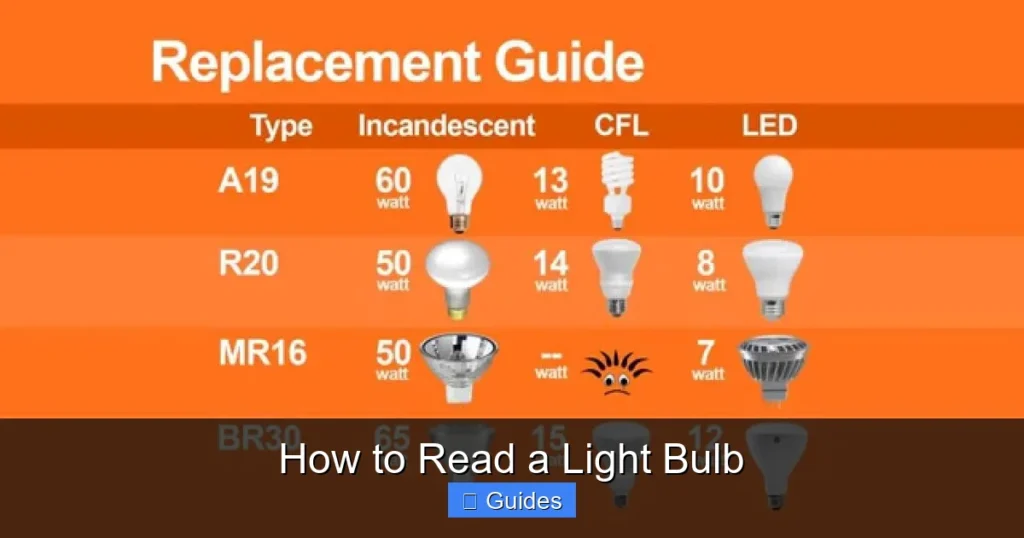
For decades, wattage was synonymous with brightness. A 100-watt bulb was brighter than a 60-watt bulb. While wattage still represents the *power consumption* of a bulb, with energy-efficient LED and CFL technologies, it no longer directly correlates to brightness in the same way. An LED bulb might produce the same amount of light as an old 60-watt incandescent while only consuming 8-10 watts.
* What to look for: The wattage is typically a prominent number followed by “W” (e.g., “9W” or “60W Equivalent”).
* Why it matters: Always ensure the bulb’s wattage does not exceed the maximum wattage rating of your fixture. Overloading a fixture can create a fire hazard. When learning how to read a light bulb, remember that lower wattage for the same brightness means more energy savings.
Lumens: The True Measure of Brightness
If you want to know how bright a bulb truly is, forget wattage and look for lumens. Lumens (lm) are the industry standard for measuring light output. The higher the lumen number, the brighter the light.
* What to look for: A number followed by “lm” (e.g., “800 lm”).
* Why it matters: This is the most critical factor for determining if a bulb will provide enough light for your space. For reference, an old 60-watt incandescent bulb produced about 800 lumens. When you’re trying to figure out how to read a light bulb for brightness, lumens are your best friend.
Voltage: Ensuring Compatibility
Voltage refers to the electrical potential difference required to power the bulb. In North America, standard household voltage is 120 volts (V). Most bulbs are designed for this voltage, but it’s still important to check, especially for specialty lighting.
* What to look for: A number followed by “V” (e.g., “120V” or “100-240V”).
* Why it matters: Using a bulb with incorrect voltage can lead to poor performance, premature failure, or even safety issues. Always match the bulb’s voltage to your electrical supply. This is a fundamental step in how to read a light bulb correctly.
Base Type: The Right Fit for Your Fixture
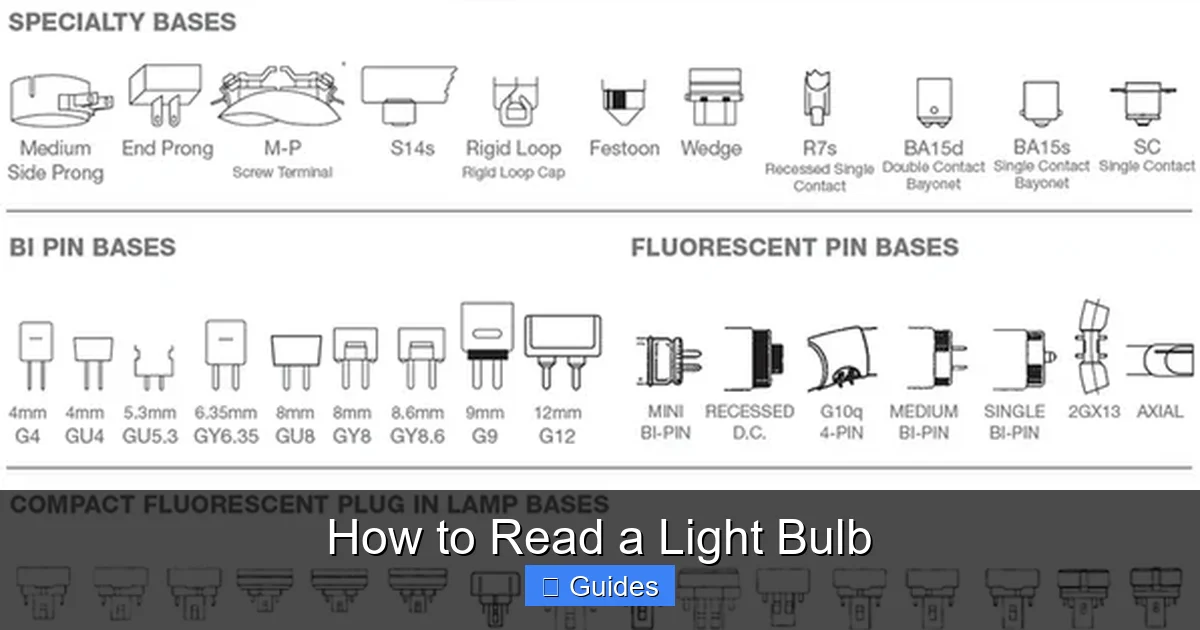
The base of the light bulb is the part that screws into or plugs into your light fixture. There are many different types, and selecting the correct one is crucial for installation.
* What to look for: A letter-number combination (e.g., “E26,” “E12,” “GU10,” “MR16”).
* Edison Screw Bases (E): “E” stands for Edison, followed by a number indicating the diameter in millimeters. E26 is the standard medium screw base in North America. E12 is a candelabra base, common for smaller decorative fixtures.
* Bi-Pin Bases (GU, G): “G” or “GU” followed by a number indicating the distance between pins in millimeters. GU10 is common for track lighting and recessed lights.
* Why it matters: An incompatible base means the bulb won’t fit into your fixture. Always check your fixture’s requirements before purchasing. Knowing how to read a light bulb’s base type saves you a trip back to the store.
Shape and Size: Aesthetics and Functionality
Light bulbs come in a vast array of shapes and sizes, each designed for specific aesthetic and functional purposes.
* What to look for: A letter-number code (e.g., “A19,” “BR30,” “PAR38,” “C7,” “G25”).
* A: Standard “A-shaped” bulb, like the traditional incandescent. A19 is the most common.
* B or C: Candelabra or blunt-tip shapes, often used in chandeliers.
* G: Globe-shaped bulbs, often used in vanity lights or open fixtures (e.g., G25).
* BR: Bulged Reflector, commonly used for recessed downlights, offering a wide beam spread (e.g., BR30).
* PAR: Parabolic Aluminized Reflector, also for recessed or track lighting, providing a more focused beam (e.g., PAR38).
* MR: Multi-faceted Reflector, small halogen or LED bulbs often used in track or display lighting (e.g., MR16).
* Why it matters: The shape affects how the light is distributed and how the bulb looks in the fixture. A bulb that’s too large might not fit into an enclosed fixture, or it might stick out in an undesirable way. This aesthetic and practical consideration is an important part of how to read a light bulb.
Diving Deeper: Understanding Advanced Metrics
Visual guide about How to Read a Light Bulb
Image source: cdn.shopify.com
Beyond the basics, modern light bulbs offer a lot more information that can significantly impact the quality of light and your overall experience.
Color Temperature (Kelvin): Setting the Mood
Color temperature, measured in Kelvin (K), describes the warmth or coolness of the light emitted by a bulb. This is crucial for setting the ambiance of a room.
* What to look for: A number followed by “K” (e.g., “2700K,” “3000K,” “5000K”).
* Why it matters:
* Warm White (2700K-3000K): Creates a cozy, inviting atmosphere, similar to traditional incandescents. Ideal for bedrooms, living rooms, and dining areas.
* Cool White/Bright White (3500K-4100K): A more neutral, energetic light, good for kitchens, bathrooms, offices, and workspaces.
* Daylight (5000K-6500K): Mimics natural daylight, very bright and crisp. Excellent for task lighting, reading, garages, or areas where true color representation is important.
* When learning how to read a light bulb, understanding Kelvin helps you match the light to the activity and mood of the space.
Color Rendering Index (CRI): How True Colors Appear
CRI is a measure of how accurately a light source renders colors compared to natural daylight. It’s rated on a scale from 0 to 100, with 100 being perfect color rendering.
* What to look for: A number, usually “CRI 80+” or “CRI 90.”
* Why it matters:
* High CRI (90+): Essential in areas where color accuracy is vital, such as art studios, retail displays, kitchens, or bathrooms where applying makeup. It makes objects look vibrant and true to their natural colors.
* Lower CRI (below 80): Colors might appear dull or distorted. Adequate for utility areas like closets or garages.
* If you’re particular about how colors look under your lighting, this is a key factor when you want to know how to read a light bulb effectively.
Dimmability: Adjusting the Brightness
Not all light bulbs are dimmable. If you want to control the light intensity with a dimmer switch, you need to ensure the bulb is compatible.
* What to look for: “Dimmable,” “Not Dimmable,” or a dimmer symbol (a circle with a diagonal line).
* Why it matters: Using a non-dimmable bulb on a dimmer switch can lead to flickering, buzzing, reduced lifespan, or even damage to the bulb or dimmer. Always check this specification when learning how to read a light bulb for specific applications.
Lifespan: How Long Will It Last?
The estimated lifespan of a bulb is usually measured in hours and can vary dramatically between different bulb types. LEDs, for example, have significantly longer lifespans than incandescents.
* What to look for: A number followed by “hours” (e.g., “15,000 hours,” “25,000 hours”).
* Why it matters: A longer lifespan means fewer bulb replacements, saving you time and money, especially for hard-to-reach fixtures. This is a great indicator of value when you’re looking at how to read a light bulb’s long-term benefits.
Energy Star Rating: For Efficiency and Savings
The Energy Star label indicates that a product meets strict energy efficiency guidelines set by the U.S. Environmental Protection Agency.
* What to look for: The blue Energy Star logo.
* Why it matters: Energy Star certified bulbs consume less energy, which translates to lower electricity bills and a reduced carbon footprint. Always look for this label when learning how to read a light bulb for energy savings.
Decoding Special Features and Technologies
Modern light bulbs aren’t just about light; they often come with integrated technology and specific design features.
Smart Bulbs and Connectivity
Many LED bulbs today offer smart capabilities, allowing them to be controlled via smartphone apps, voice assistants, or smart home hubs.
* What to look for: Indications like “Wi-Fi enabled,” “Bluetooth,” “Smart Home Compatible,” or specific brand ecosystem labels (e.g., “Works with Alexa,” “Google Assistant”).
* Why it matters: Smart bulbs offer convenience, automation, and advanced features like scheduling, color changing, and remote control. If you’re building a smart home, knowing how to read a light bulb for these features is key.
Specialty Applications and Ratings
Some bulbs are designed for specific environments or uses, which will be indicated on their packaging.
* What to look for: “Damp Rated,” “Wet Rated,” “Outdoor Use,” “Enclosed Fixture Rated,” “Bug Light,” “Grow Light,” etc.
* Why it matters:
* Damp Rated: Suitable for areas with moderate moisture, like bathrooms or covered porches.
* Wet Rated: Can be directly exposed to water, ideal for outdoor fixtures without cover.
* Enclosed Fixture Rated: Important for bulbs going into fully sealed fixtures, as they dissipate heat differently. Using a non-rated bulb in an enclosed fixture can shorten its lifespan significantly.
* Specialty Lights: Designed for specific functions, like repelling insects or promoting plant growth.
* Paying attention to these specific labels when figuring out how to read a light bulb ensures safety and optimal performance in diverse settings.
Bulb Technology: LED, CFL, Halogen, Incandescent
While incandescents are largely phased out, you might still encounter halogen, CFL (Compact Fluorescent Lamp), and the dominant LED (Light Emitting Diode) technologies. The type of technology will often be stated and will influence many of the metrics discussed above.
* LED: Most energy-efficient, long lifespan, instant-on, available in various color temperatures, often dimmable.
* CFL: More efficient than incandescent but less than LED. Slower warm-up time, contains mercury, some are dimmable.
* Halogen: An improved form of incandescent, slightly more efficient, good color rendering, dimmable. Shorter lifespan than LED/CFL.
* Understanding the basic technology helps you grasp the context of the other specifications when you’re learning how to read a light bulb.
Practical Application: Matching the Bulb to Your Needs
Now that you know how to read a light bulb, let’s put that knowledge into action!
Replacing an Old Bulb: The Simplest Approach
The easiest way to find a replacement bulb is to simply match the specifications of the old one.
1. Check the old bulb: Carefully remove the old bulb (after it’s cooled down) and look for printed information on its base or glass. You’ll often find wattage, voltage, and sometimes lumens or color temperature.
2. Check the fixture: Many fixtures have a sticker indicating the maximum wattage or recommended bulb type.
3. Take a photo: Snap a picture of the old bulb and any fixture labels with your phone. This makes shopping much easier!
4. Prioritize lumens: If you’re switching from incandescent to LED, use the old bulb’s wattage as a reference for *equivalent* LED brightness, but always look for the lumen rating to ensure you get the desired light output. For example, if you had a 60W incandescent, look for an LED with “60W Equivalent” and around 800 lumens.
Choosing for a New Fixture or Different Ambience
When selecting a bulb for a new fixture or trying to change the mood of a room, consider:
* Desired Brightness (Lumens): How much light do you need?
* Ambient lighting (general room light): 800-1500 lumens per fixture, depending on room size.
* Task lighting (reading, cooking): 450-800 lumens directed at the task.
* Accent lighting (highlighting artwork): 200-400 lumens.
* Desired Mood (Color Temperature): Warm for cozy spaces, cool for task areas.
* Fixture Compatibility (Base Type, Shape, Size, Wattage): Does it fit? Is the wattage below the fixture’s maximum?
* Special Features (Dimmability, Smart Features, CRI): Do you need to dim the light? Do you want smart controls or excellent color accuracy?
Energy Saving Tips
Mastering how to read a light bulb also empowers you to make energy-conscious choices:
* Choose LED: Always opt for LED bulbs over CFLs or halogens for the best energy efficiency and lifespan.
* Check Lumens per Watt: Divide the lumens by the actual wattage consumed (not the incandescent equivalent). A higher number means greater efficiency.
* Look for Energy Star: As mentioned, this label ensures you’re getting a top-tier energy-saving product.
Conclusion
Congratulations! You’ve just unlocked the world of light bulb terminology and functionality. Learning how to read a light bulb is a simple yet powerful skill that puts you in control of your home’s lighting. No more guessing games or buying the wrong bulb! You can now confidently select bulbs that are not only compatible with your fixtures but also create the perfect ambiance, save energy, and enhance the visual comfort of your living spaces. So, next time you’re in the lighting aisle, approach those labels with confidence – you’ve got this!
🎥 Related Video: How to Choose a Lightbulb | Lowe's How-to
📺 Lowe’s Home Improvement
There are so many lightbulbs to choose from, so how do you know which one will work for you? Join DIY expert Caroline as she …
Frequently Asked Questions
What’s the difference between wattage and lumens?
Wattage measures the amount of electricity a bulb consumes, indicating its energy efficiency. Lumens, on the other hand, measure the actual brightness or light output of the bulb. When buying new bulbs, focus on lumens for brightness and wattage for energy consumption.
How do I know if a light bulb will fit my lamp?
To ensure a light bulb fits, check its base type (e.g., E26, E12, GU10) and its physical shape and size (e.g., A19, BR30). The base must match your fixture’s socket, and the bulb’s dimensions must allow it to fit without touching shades or enclosures.
What does a high CRI mean for my lighting?
A high Color Rendering Index (CRI), typically 90 or above, means the light bulb accurately renders colors, making objects appear vibrant and true to their natural hues. This is important for areas where color accuracy is crucial, like kitchens, art studios, or retail displays.
Can I put any LED bulb into an enclosed fixture?
No, not all LED bulbs are suitable for enclosed fixtures. Enclosed fixtures trap heat, which can shorten an LED bulb’s lifespan. Always look for “enclosed fixture rated” on the bulb’s packaging if you intend to use it in such a fixture.
How often should I replace my light bulbs?
The replacement frequency depends entirely on the bulb’s rated lifespan (in hours) and how often it’s used. LED bulbs can last 15,000 to 50,000 hours, meaning they might not need replacing for 10-20 years in typical household use, while older incandescent bulbs only last around 1,000 hours.
Why do some bulbs say “Damp Rated” or “Wet Rated”?
“Damp Rated” bulbs are designed for areas with moderate moisture exposure, like bathrooms or covered porches. “Wet Rated” bulbs can withstand direct exposure to water or rain, making them suitable for uncovered outdoor fixtures or shower stalls. These ratings ensure safety and durability in specific environments.
