


As an Amazon Associate, We earn from qualifying purchases.
Is your oven dark? Don’t fret! Learning how to change your oven light bulb is a simple DIY task that can make cooking much easier. This guide walks you through essential safety precautions, helps you identify the correct bulb type, and provides clear, step-by-step instructions for replacing both screw-in and halogen bulbs, ensuring your oven is bright again in no time.
Have you ever tried to peek at your masterpiece baking in the oven, only to be met with a dark, shadowy interior? It’s frustrating, isn’t it? A properly working oven light bulb isn’t just a convenience; it’s a crucial tool for monitoring your food’s progress without opening the door and letting out precious heat. Whether you’re baking a cake, roasting a chicken, or simply reheating leftovers, being able to see clearly inside makes all the difference.
The good news is that learning how to change your oven light bulb is one of those wonderfully straightforward DIY tasks that almost anyone can tackle. You don’t need to call a technician, and you certainly don’t need to buy a new oven! With a few simple tools, a little patience, and this comprehensive guide, you’ll have your oven shining brightly again in no time. We’ll walk you through every step, from ensuring your safety to identifying the right bulb and getting it installed correctly. Let’s bring some light back to your kitchen adventures!
Key Takeaways
- Safety First: Always unplug your oven or turn off the circuit breaker and let the oven cool completely before attempting to change the oven light bulb.
- Identify Bulb Type: Oven light bulbs come in various types (screw-in, halogen) and sizes. Check your owner’s manual or the old bulb itself to ensure you buy the correct replacement.
- Gather Tools: You’ll likely need a screwdriver (flathead or Phillips), a clean cloth, gloves, and, of course, the new oven light bulb.
- Screw-in Bulbs are Common: Many ovens use a standard screw-in bulb, often with a protective glass cover that needs to be unscrewed or unlatched first.
- Halogen Bulbs Need Care: Halogen oven light bulbs are typically G9 capsule bulbs. Avoid touching them directly with bare hands, as oils can shorten their lifespan. Use a cloth or gloves.
- Troubleshooting is Key: If your new oven light bulb still doesn’t work, check for loose connections, a faulty socket, or a tripped circuit breaker.
- Extend Bulb Life: Using oven-specific, high-temperature-resistant bulbs and avoiding direct contact with bare hands during installation can help your new oven light bulb last longer.
Quick Answers to Common Questions
Can I use a regular LED bulb in my oven?
No, you should not use a regular LED bulb in your oven. Standard LED bulbs are not designed to withstand the extreme high temperatures inside an oven and will quickly fail or even melt.
Why did my oven light bulb burn out so quickly?
Oven light bulbs can burn out quickly if they are not specifically rated for high temperatures, if there’s excessive vibration, or if they were handled with bare hands (for halogen bulbs, due to oil residue).
What temperature should an oven light bulb withstand?
An oven light bulb should be rated to withstand temperatures of at least 300°C (572°F), but many are designed for even higher temperatures, typically up to 500°F or more.
Do I need to turn off the main power to my house to change the oven bulb?
No, you usually only need to unplug the oven from its wall outlet or turn off the specific circuit breaker that powers the oven, not the entire house’s main power.
How do I know what wattage oven light bulb to buy?
Check your oven’s owner’s manual, or look at the old bulb itself for wattage information. Always match the wattage specified to ensure proper function and safety.
📑 Table of Contents
Safety First: Essential Precautions Before You Begin
Before you even think about touching that old, burnt-out oven light bulb, safety must be your top priority. Working with electricity and hot appliances requires a few non-negotiable steps to prevent accidents, injuries, or damage to your oven. Think of these as your golden rules for a successful and safe oven light bulb replacement.
Unplug It or Trip the Breaker
This is the most critical step. You absolutely must disconnect power to your oven. Even if the light isn’t working, there’s still electricity flowing to the socket, posing a risk of electric shock.
- For Electric Ovens: The easiest way is usually to pull the oven away from the wall and unplug it directly from the outlet. If your oven is hardwired or too heavy to move, locate your home’s main electrical panel (often in a basement, garage, or utility closet) and flip the circuit breaker labeled for your kitchen or oven. If labels are unclear, you might have to temporarily shut off the main breaker, but ensure you know which one it is before doing so.
- For Gas Ovens: While gas ovens use gas for heating, they still require electricity for the control panel, light, and igniter. You’ll still need to unplug it or trip the circuit breaker.
Once you’ve cut the power, it’s a good idea to try turning the oven light switch on and off a few times to confirm that there’s no power. If the oven light bulb flickers briefly or if any other part of the oven (like the display) remains active, double-check your power disconnection.
Let It Cool Down Completely
Your oven gets incredibly hot during operation, and even after being turned off, it retains heat for a significant period. Attempting to change an oven light bulb in a warm oven is a recipe for burns and discomfort.
- Patience is a Virtue: Give your oven plenty of time to cool down. Depending on how recently it was used and at what temperature, this could take anywhere from 30 minutes to a few hours.
- Test the Temperature: Before reaching inside, touch the oven racks or the glass door to ensure they are cool to the touch. You want the interior of the oven, especially around the light fixture, to be completely cool.
Gather Your Tools
Having everything you need within arm’s reach will make the process smooth and efficient. For most oven light bulb replacements, you’ll need:
- New Oven Light Bulb: The right type, size, and wattage (we’ll cover this next!).
- Screwdriver: Either a Phillips-head or a flathead, depending on how your oven light cover is secured.
- Clean Cloth or Paper Towels: Essential for handling halogen bulbs (to avoid skin oils) and for wiping down the cover.
- Gloves (Optional but Recommended): Heat-resistant work gloves can offer an extra layer of protection, especially if you’re uncertain about residual heat or if the old bulb has shattered.
- Safety Glasses (Optional): If there’s a risk of glass shards from a broken bulb or cover.
Identifying Your Oven Light Bulb Type
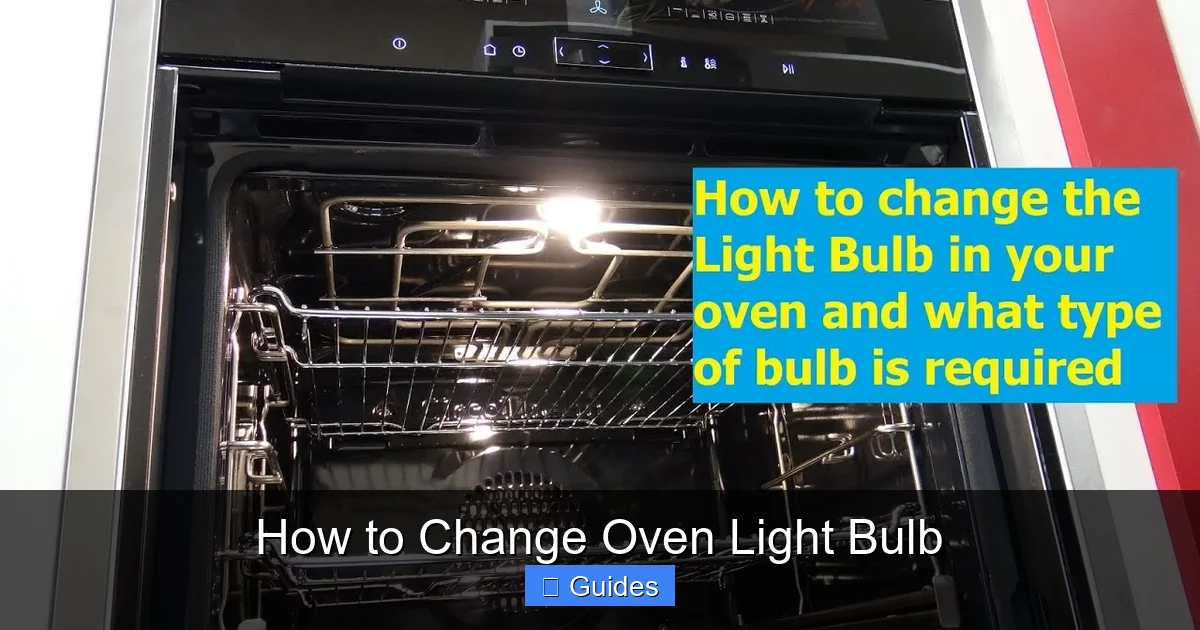
Visual guide about How to Change Oven Light Bulb
Image source: i.ytimg.com
This is where many DIYers get tripped up! Not all oven light bulbs are created equal. Using the wrong type can lead to poor performance, a short lifespan, or even damage to your oven. Oven light bulbs are designed to withstand extremely high temperatures, so you can’t just use a standard household bulb.
Checking Your Owner’s Manual
The absolute best source of information for finding the correct oven light bulb is your oven’s owner’s manual. It will specify the exact bulb type, wattage, and sometimes even the part number. If you can’t find your physical manual, most manufacturers offer digital versions on their websites by simply searching for your oven’s model number.
Types of Oven Light Bulbs
If the manual isn’t available, you’ll need to examine the existing oven light bulb. Once you’ve safely removed the cover and the old bulb, note its characteristics.
Screw-in Bulbs (Edison Screw)
These are very common, resembling miniature versions of traditional incandescent bulbs.
- Appearance: They have a threaded metal base that screws into a socket.
- Sizes: The most common sizes for oven light bulbs are E14 (often called “small Edison screw” or SES) or sometimes E27 (“Edison screw” or ES), though E14 is more prevalent for compact spaces.
- Wattage: Typically ranging from 15W to 40W. It’s crucial to match the wattage to avoid overheating or underpowering.
- High-Temperature Rating: Always look for bulbs specifically labeled as “oven bulbs” or “high-temperature bulbs” that can withstand temperatures up to 300°C (572°F) or more. Standard bulbs will quickly burn out or even shatter.
When you replace oven light bulb of this type, you’ll simply twist it counter-clockwise to remove and clockwise to install.
Push-in/Halogen Bulbs (G9)
These are becoming increasingly popular in modern ovens due to their compact size and bright light output.
- Appearance: Halogen oven light bulbs typically look like small glass capsules with two wire loops at the base that push into two small holes in the socket. The most common type is a G9 capsule bulb.
- Wattage: Often 25W or 40W. Again, match the wattage.
- High-Temperature Rating: Like screw-in bulbs, these must be specifically designed for oven use and high temperatures.
- Handling Precaution: It’s critical *not* to touch halogen bulbs with bare hands. The oils from your skin can create hot spots on the glass, leading to premature failure or even explosion when heated. Always use a clean cloth or gloves when handling a new halogen oven light bulb.
This type of oven light bulb needs to be gently pulled straight out of its socket and then pushed straight back in.
LED Bulbs
While LED technology is fantastic for energy efficiency, finding an LED oven light bulb that can withstand the extreme internal temperatures of an oven is challenging. Some newer, high-end ovens might come with integrated LED lighting, but replacing them is often a job for a professional or requires a specific, expensive OEM part. For most home ovens, screw-in or halogen bulbs are the standard.
Once you know the type, wattage, and temperature rating, you can purchase the correct replacement oven light bulb from hardware stores, appliance parts stores, or online retailers. Always keep the old bulb (if intact) to match it perfectly.
Step-by-Step Guide: Replacing a Screw-in Oven Light Bulb
Most ovens feature a screw-in type of oven light bulb, protected by a glass cover. This is a very common scenario, and here’s how to handle it.
Locating the Bulb Cover
The oven light bulb is usually located at the back wall of the oven cavity, often slightly to one side. It will be protected by a clear or frosted glass cover, which can be round, oval, or rectangular. This cover is there to protect the oven light bulb from splashes, grease, and high heat.
Removing the Cover
The cover for a screw-in oven light bulb is typically attached in one of a few ways:
- Screw-on: Many covers simply screw on. Turn it counter-clockwise to unscrew it. It might be tight due to heat cycles and accumulated grease. If it’s stubborn, a little force or even some penetrating oil (applied sparingly and carefully *away* from the oven interior, then wiped clean) might be needed.
- Clip-on/Spring-loaded: Some covers are held in place by metal clips or a spring mechanism. You might need to gently pry them off with a flathead screwdriver or push a tab to release them.
- Bolted: Less common, but some covers might be secured with small screws. If so, use the appropriate screwdriver to remove them.
Once the cover is off, place it aside carefully. This is a good opportunity to clean the cover with soapy water and a cloth before reinstalling it.
Unscrewing the Old Bulb
With the cover removed, you’ll see the old oven light bulb.
- Grip and Twist: Grasp the old oven light bulb firmly but gently. Turn it counter-clockwise to unscrew it from its socket. If it’s tight, you might need a little more force.
- Dealing with Stuck Bulbs: If the bulb is stuck, try using a rubber glove or a piece of rubber mat for better grip. If it’s still not budging, apply gentle, steady pressure. Avoid twisting too hard, as this can break the bulb in the socket, creating a more complicated and dangerous situation. (More on this in troubleshooting).
Once removed, set the old bulb aside for disposal.
Installing the New Bulb
Now for the exciting part – bringing light back!
- Match the Type: Double-check that your new oven light bulb matches the old one in type, wattage, and high-temperature rating.
- Screw it In: Carefully insert the base of the new oven light bulb into the socket. Turn it clockwise, gently at first, ensuring it catches the threads correctly. Tighten it until it’s snug, but don’t overtighten, as this can damage the bulb or the socket.
Reattaching the Cover
- Clean First: Before putting the cover back, ensure it’s clean and dry.
- Align and Secure: Reattach the cover by screwing it clockwise, clipping it back into place, or re-securing its screws. Make sure it’s snug and properly sealed to protect the new oven light bulb from heat and debris.
Finally, push your oven back into place if you moved it, plug it back in, or flip the circuit breaker back on. Test your new oven light bulb by turning on the oven light. It should glow brightly!
Step-by-Step Guide: Replacing a Halogen (G9) Oven Light Bulb
Replacing a halogen G9 capsule oven light bulb is a bit different from a screw-in type, primarily due to how it’s secured and the handling precautions required.
Locating and Accessing
Similar to screw-in bulbs, the halogen oven light bulb will be at the back of the oven, behind a protective glass cover. This cover might screw off, pry off, or be held by clips. Remove it using the method appropriate for your oven, as described in the previous section. Remember to let the oven cool and disconnect power first!
Gently Pulling Out the Old Bulb
Halogen G9 bulbs don’t screw in; they plug in.
- Grip with Care: Take your clean cloth or wear gloves. Gently grasp the ceramic base (not the glass capsule) of the old oven light bulb.
- Pull Straight Out: Pull the bulb straight out from its socket. It might require a gentle but firm tug, as the pins are designed to fit snugly. Avoid wiggling excessively, as this could damage the socket or break the glass.
Discard the old bulb. If it was already broken, be extra careful to remove any remaining glass shards or pin fragments from the socket using tweezers or needle-nose pliers, ensuring no power is connected.
Inserting the New Halogen Bulb
This is the most critical step for halogen bulbs.
- Use a Cloth or Gloves: Again, *do not touch the glass part of the new halogen oven light bulb with your bare hands*. Use a clean cloth, paper towel, or gloves to handle it.
- Align the Pins: Look at the two wire loops (pins) at the base of the new bulb. Align these pins with the two small holes in the socket.
- Push Gently and Firmly: Gently push the bulb straight into the socket until it’s fully seated. You should feel it click or firmly settle into place. Don’t force it, but ensure it’s secure.
Once the bulb is in, take a moment to ensure it looks straight and fully inserted.
Reattaching and Testing
- Clean and Replace Cover: Clean the glass cover, ensure it’s dry, and then carefully reattach it to protect the new oven light bulb. Make sure it’s securely fastened.
- Restore Power and Test: Reconnect power to your oven. Turn on the oven light. You should now have a bright, clear view of your culinary creations!
Troubleshooting Common Issues and Pro Tips
Sometimes, things don’t go exactly as planned. Here are some common problems you might encounter when learning how to change your oven light bulb, along with solutions and tips to keep your light shining longer.
What If the Bulb is Stuck?
A common problem, especially with screw-in bulbs, is that they can become fused to the socket due to heat and time.
- Better Grip: Try a rubber glove or a rubber jar opener to get a better grip.
- Penetrating Oil (Carefully!): If it’s very stubborn, you can try applying a tiny amount of penetrating oil (like WD-40) around the base of the screw-in bulb, *ensuring the oven is completely cold and unplugged*. Let it sit for a few minutes, then try again. Wipe away all residue afterward.
- Broken Bulb: If the glass bulb breaks off, leaving the metal base in the socket, you’ll need needle-nose pliers to grip the edges of the metal base and twist it out counter-clockwise. Be extremely careful of glass shards and ensure absolutely no power is connected. Safety glasses are a good idea here.
Cover Won’t Budge?
Grease and heat can also fuse the light cover.
- Gentle Leverage: For screw-on covers, use a rubber grip. For clip-on types, a flathead screwdriver can be used as a lever, but be gentle to avoid scratching the oven finish or breaking the glass.
- Heat it Up (Carefully!): Sometimes, gently warming the oven for a very short period (e.g., 5 minutes at 150°F / 65°C, then immediately turning it off and unplugging) can expand the metal slightly and loosen the cover. *Wait for it to cool enough to handle safely before trying to remove it.*
Light Still Not Working?
You’ve replaced the oven light bulb, but it’s still dark. Don’t despair!
- Check Power: Double-check that the oven is indeed plugged in or that the circuit breaker hasn’t tripped again.
- Bulb Integrity: Is the new bulb defective? It happens. Try another new oven light bulb if you have one, or test the new bulb in a different compatible fixture (if safe to do so).
- Socket Issue: The socket itself might be faulty. Look for signs of corrosion or damage. This usually requires a technician to replace.
- Loose Connections: Sometimes, the wire connections to the socket can become loose. This is generally a job for a qualified appliance repair person.
- Oven Light Switch: Less common, but the oven light switch itself could be faulty. Again, a technician can diagnose and replace this.
Maximizing Your Oven Light Bulb’s Life
A few simple practices can help your new oven light bulb last longer:
- Buy High-Quality Bulbs: Invest in bulbs specifically designed for ovens with high-temperature ratings. Cheap alternatives might save a dollar but will burn out much faster.
- Avoid Overtightening: When installing, tighten until snug, but don’t overtighten. This can damage the bulb’s base or the socket.
- Cleanliness: Keep the light cover clean. Grease buildup can insulate the oven light bulb, causing it to run hotter and shorten its life.
- Handle Halogen Bulbs with Care: Always use a cloth or gloves when installing halogen oven light bulbs to prevent skin oils from causing hot spots.
Changing your oven light bulb might seem like a small task, but it brings a significant amount of convenience and joy back to your cooking experience. By following these steps and keeping safety in mind, you’ve not only fixed a minor household issue but also empowered yourself with a valuable new DIY skill. Enjoy the bright view of your culinary creations!
🎥 Related Video: How To Replace Oven Light Bulb Easy Simple
📺 StatUpBox
In today’s video we are taking a look at how to replace a oven light bulb easy and simple. things used in the video: oven halogen …
Frequently Asked Questions
What kind of light bulb goes in an oven?
Ovens require special high-temperature light bulbs, usually incandescent screw-in types (like E14 or E27) or halogen capsule bulbs (like G9). These bulbs are designed to withstand the extreme heat within the oven cavity, unlike standard household bulbs.
How often should I change my oven light bulb?
The lifespan of an oven light bulb varies, but a quality high-temperature bulb can last for hundreds of hours of use. You only need to change it when it burns out, which could be every few years or more, depending on oven usage.
Can I clean the inside of the oven light cover?
Yes, it’s a great idea to clean the inside of the oven light cover when you change the bulb. Use warm, soapy water and a soft cloth to remove grease and food splatters, then dry it completely before reattaching.
My new oven light bulb is too dim. What’s wrong?
If your new oven light bulb is too dim, it’s likely you’ve installed one with a lower wattage than recommended for your oven. Always ensure the replacement bulb’s wattage matches the original or your oven’s specifications for optimal brightness.
Is it safe to use my oven if the light bulb is out?
Yes, it is generally safe to use your oven even if the light bulb is out. The light bulb is for convenience and visibility, and its failure does not typically affect the oven’s heating elements or overall safety functions.
Where can I buy a replacement oven light bulb?
You can purchase replacement oven light bulbs at most hardware stores, home improvement centers, appliance parts stores, or online retailers. Make sure to buy a bulb specifically labeled as an “oven bulb” with the correct type, wattage, and temperature rating.
