


As an Amazon Associate, We earn from qualifying purchases.
Prepare to be amazed as you explore what glows blue under UV light! This guide dives into the captivating phenomenon of fluorescence, where certain materials absorb invisible ultraviolet light and re-emit it as a visible blue glow. From everyday household items and security features to incredible natural marvels and critical scientific applications, understanding this effect reveals a hidden world of vibrant luminosity.
Have you ever walked into a room with a blacklight, seen something ordinary suddenly burst into an ethereal blue glow, and wondered, “What glows blue under UV light?” It’s a moment of pure magic, a glimpse into a hidden world that our eyes can’t normally perceive. That unseen light, ultraviolet (UV) light, has the power to transform the mundane into the magnificent, revealing secret patterns and vibrant hues.
This isn’t just a party trick; it’s a fascinating scientific phenomenon called fluorescence. It’s the reason why your white shirt looks super bright at a club, why security features on banknotes become visible, and why certain natural objects display a stunning, otherworldly luminescence. Join us on an exciting journey to explore the captivating world of blue glows under UV light, uncovering the science, practical applications, and surprising things you might already have around you that exhibit this dazzling effect.
Key Takeaways
- The Science of Fluorescence: Blue glows under UV light are primarily due to fluorescence, where an object absorbs invisible UV radiation and then re-emits it as visible light, often in the blue spectrum, almost instantaneously.
- Common Household Items: Many everyday items, such as laundry detergents (due to optical brighteners), tonic water (quinine), certain papers, and some plastics, exhibit a distinct blue glow under a blacklight.
- Natural Wonders: Nature is full of blue-glowing surprises, including various minerals (like fluorite), scorpions, some corals, and even a few fungi, revealing hidden beauty under UV light.
- Practical Applications: The phenomenon of “what glows blue under UV light” is vital in many fields, from forensic science (identifying bodily fluids), counterfeit detection (currency, documents), and medical diagnostics, to industrial inspections and artistic displays.
- Safety Precautions: While fascinating, it’s crucial to use UV lights responsibly. Always protect your eyes from direct exposure and be mindful of prolonged skin exposure to strong UV sources.
- Distinction from Phosphorescence: Unlike phosphorescence, which glows for a period after the light source is removed, fluorescence only glows while the UV light is actively shining on the object.
- The Role of Phosphors: Many manufactured items that glow blue contain phosphors or optical brightening agents that are specifically designed to fluoresce when exposed to UV light, enhancing their visual appeal or functionality.
Quick Answers to Common Questions
What is the main reason something glows blue under UV light?
The main reason is fluorescence, where an object absorbs invisible UV light and then re-emits that energy as visible blue light almost immediately.
Are all blue glows under UV light safe to touch?
The glowing object itself is generally safe to touch, but direct or prolonged exposure to the UV light source itself, especially strong ones, should be avoided for your eyes and skin.
What common drink glows blue under UV light?
Tonic water glows blue under UV light because it contains quinine, a compound that is naturally fluorescent.
Why do laundry detergents make clothes glow blue under UV light?
Laundry detergents often contain optical brightening agents (OBAs) that absorb UV light and re-emit blue light, making white fabrics appear whiter and brighter by canceling out yellowing.
Is fluorescence the same as glow-in-the-dark?
No, fluorescence is different from glow-in-the-dark (phosphorescence). Fluorescence glows only while the UV light is actively shining on it, while phosphorescence continues to glow for a period after the light source is removed.
📑 Table of Contents
The Science Behind the Blue Glow: What is Fluorescence?
The mystery of what glows blue under UV light begins with understanding fluorescence. It’s a type of photoluminescence, which simply means “light produced by light.” When a substance fluoresces, it’s essentially performing a clever trick with energy.
How UV Light Works
First, let’s talk about UV light itself. UV light is part of the electromagnetic spectrum, just like visible light, radio waves, and X-rays. What makes it special is its shorter wavelength and higher energy compared to visible light. Our human eyes can’t see UV light, which is why we call it “blacklight” – it’s light that appears black to us. However, many animals can see it, and certain materials interact with it in a very particular way. When a UV lamp shines, it emits this invisible light, which then interacts with specific molecules.
The Fluorescence Phenomenon Explained
When UV light hits certain materials, known as fluorescent substances or fluorophores, something interesting happens at the atomic level. The electrons in these materials absorb the energy from the UV photons. This absorbed energy temporarily boosts the electrons to a higher energy state. However, this excited state is unstable. To return to their stable, lower energy state, these electrons must release that absorbed energy.
They do this by emitting light, but crucially, they don’t emit the same UV light they absorbed. Instead, they lose a small amount of energy as heat, and then emit the remaining energy as light with a longer wavelength, which falls within the visible spectrum. Often, this re-emitted light is blue! This process is almost instantaneous; the glow stops as soon as the UV light source is removed. This quick emission is what defines fluorescence and is why so many things glow blue under UV light.
Common Household Items That Glow Blue Under UV Light
Visual guide about What Glows Blue Under Uv Light?
Image source: c8.alamy.com
You might be surprised by just how many things in your home glow blue when hit with a blacklight. It’s not just for special effects; many everyday items have fluorescent properties, either naturally or due to additives.
Everyday Objects with a Blue Shine
One of the most common examples of what glows blue under UV light can be found in your laundry room. Many laundry detergents and fabric softeners contain “optical brightening agents” (OBAs). These chemicals are designed to absorb UV light and re-emit blue light. Why? Because the blue light cancels out any yellowish tinge in fabrics, making your whites appear whiter and brighter. It’s a clever trick to make your clothes look cleaner!
Similarly, many papers, especially those used for printing or certain packaging, contain OBAs. If you shine a UV light on a white piece of printer paper, you’ll likely see a strong blue glow. This is why older, untreated paper might look duller under UV light compared to modern, brightened paper.
Some plastics also fluoresce blue. Think about clear plastic containers, certain toothbrushes, or even some toys. The specific type of plastic or additives used during manufacturing can determine if it will glow. Highlighter pens are also famous for their vibrant glows, and while some are yellow or green, many blue highlighters really pop under UV light.
Food and Drink Surprises
Believe it or not, some of your favorite snacks and drinks can also reveal a hidden blue luminescence. The most famous example is tonic water. This is because tonic water contains quinine, a chemical compound naturally fluorescent in the blue spectrum. Next time you’re having a party, put a glass of tonic water under a blacklight – it’s a simple yet impressive trick!
Certain vitamins, particularly some B vitamins (like B2, riboflavin), can also fluoresce. If you crush a vitamin B tablet and put it in water, then shine a UV light on it, you might observe a blue or yellowish-green glow, showcasing another instance of what glows blue under UV light. Even some food dyes used in candies can glow, though the color might vary.
Nature’s Blue Marvels: Animals, Plants, and Minerals
Beyond human-made objects, the natural world is full of incredible examples of what glows blue under UV light. From the depths of the ocean to ancient rocks, fluorescence adds a layer of secret beauty to our planet.
The Animal Kingdom’s Secret Blues
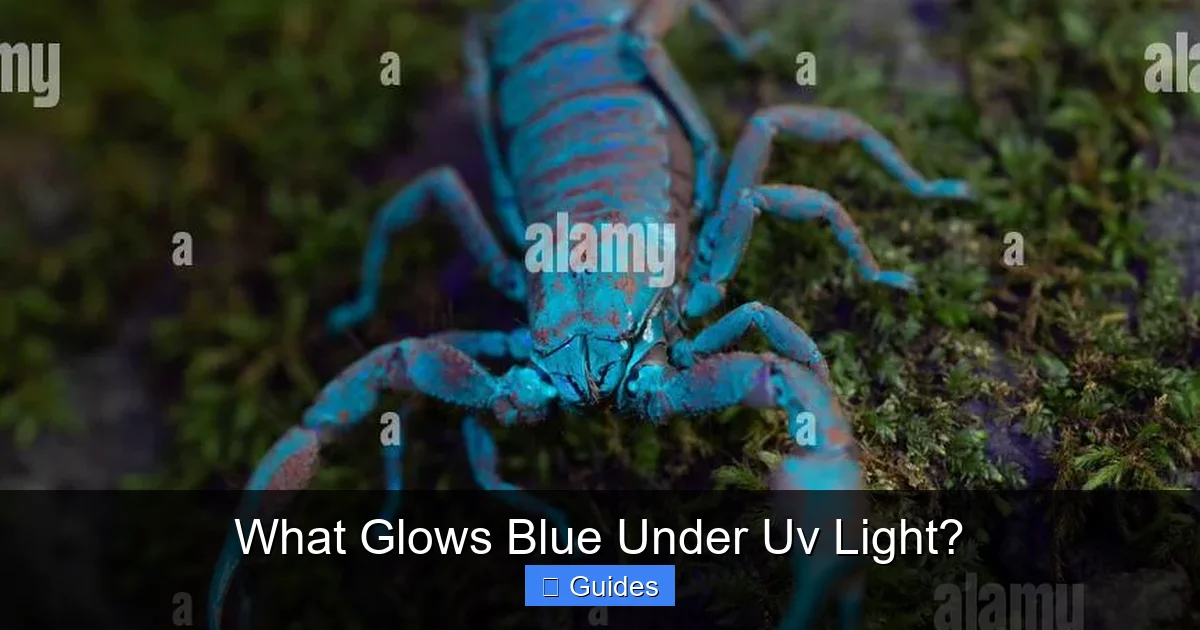
Perhaps one of the most famous examples in the animal kingdom is the scorpion. Almost all species of scorpions glow a vivid blue-green under UV light, even after they’ve died! Scientists aren’t entirely sure why they do this, but theories range from acting as a UV sunscreen to attracting prey or even signaling to other scorpions. Whatever the reason, finding a scorpion with a blacklight in the desert is an unforgettable sight.
Marine life also holds many fluorescent wonders. Various species of corals, jellyfish, and even some fish exhibit stunning blue, green, or red fluorescence. These animals often use fluorescent proteins for various biological functions, such as protection from harsh sunlight, camouflage, or even communication in the dim ocean depths. What glows blue under UV light in the ocean truly represents a spectacular display of nature’s artistry.
Botanical and Geological Wonders
While less common than in animals, certain plants can also fluoresce. Some tree sap, especially from horse chestnut trees, can glow blue. This phenomenon is often due to coumarins, naturally occurring compounds within the sap. Even some fungi have been observed to fluoresce, adding to their mystical appearance in dark forests.
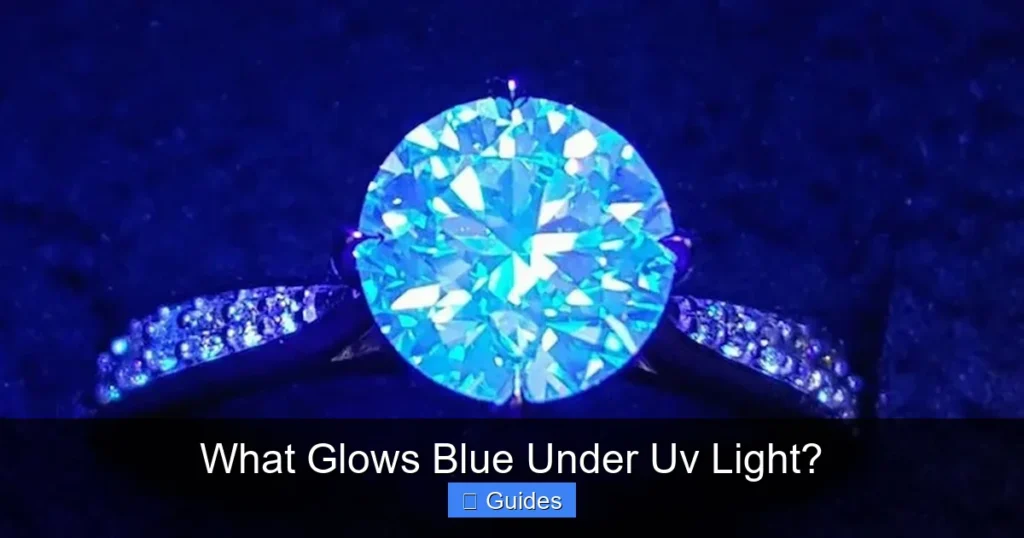
In the geological world, minerals are a treasure trove of fluorescence. Fluorite is one of the most well-known examples, often glowing blue, green, or purple under UV light. Its name actually gave fluorescence its name! Other minerals like calcite, aragonite, and sometimes even diamonds can exhibit blue fluorescence, though the intensity and color can vary greatly depending on impurities and crystal structure. Visiting a mineral exhibit with a UV light is a fantastic way to appreciate the hidden beauty of these geological formations.
Practical Applications and Fun Uses of Blue Fluorescence
The phenomenon of “what glows blue under UV light” isn’t just a curiosity; it has incredibly important practical applications in various fields, as well as providing endless fun and entertainment.
Unmasking the Invisible: Forensics, Security, and Diagnostics
In forensic science, UV light is an indispensable tool. Bodily fluids like blood, semen, and saliva, though often invisible to the naked eye, contain fluorescent compounds that glow under UV light, making them easier to detect at crime scenes. This helps investigators gather crucial evidence. Fingerprints treated with fluorescent powders also become visible, aiding in identification.
Counterfeit detection is another major application. Many currencies worldwide incorporate fluorescent inks and fibers as security features. When a UV light is shone on a genuine banknote, specific symbols, threads, or patterns will glow blue (or other colors), immediately distinguishing it from a fake that lacks these features. Passports, driver’s licenses, and other official documents also use similar UV-reactive security elements, providing quick verification of authenticity. Understanding what glows blue under UV light in these contexts is vital for security professionals.
In medical diagnostics, fluorescent dyes are used to highlight specific cells or structures in the body, helping doctors detect diseases or abnormalities. For instance, in ophthalmology, a fluorescent dye called fluorescein is used to stain the surface of the eye to detect scratches or foreign bodies. Certain skin conditions can also be made visible under UV light due to fluorescent metabolites.
Beyond the Lab: Art, Entertainment, and Education
The dazzling effect of blue fluorescence has also found its way into art and entertainment. Glow-in-the-dark parties often utilize blacklights to make white clothing and special decorations pop with vibrant blues and other fluorescent colors, creating an immersive and exciting atmosphere. Many artists use UV-reactive paints to create dynamic artworks that transform under different lighting conditions, revealing hidden layers and designs.
For educational purposes, demonstrating what glows blue under UV light is a fantastic way to introduce concepts of light, energy, and chemistry. It makes scientific principles tangible and exciting for students of all ages, sparking curiosity about the unseen world around us. Hobbyists and collectors also use UV lights to identify unique minerals, antique glassware (like Vaseline glass), or even certain postage stamps.
Safety First: Using UV Light Responsibly
While exploring the fascinating world of blue glows under UV light is exciting, it’s important to remember that UV light, especially stronger sources, can pose risks if not used properly. Safety should always be your top priority.
Protecting Your Eyes from UV Exposure
The most vulnerable part of your body to UV light is your eyes. Direct or prolonged exposure to strong UV light sources, especially those with shorter wavelengths (UVC), can damage the retina and cornea. This can lead to painful conditions like photokeratitis (essentially a sunburn of the eye) or, in the long term, contribute to cataracts and other eye disorders.
When using a UV lamp, particularly a powerful one, always avoid looking directly into the bulb. It’s a good practice to wear UV-protective eyewear, especially if you’ll be using the light for an extended period or in a professional setting. Regular sunglasses that block UV rays can offer some protection, but specialized UV safety glasses are best for industrial or laboratory-grade UV lamps.
Skin Exposure and Other Precautions
Just like sunlight, UV light can also affect your skin. While low-power UV lamps (like small blacklight flashlights) used for short durations are generally safe, prolonged exposure to stronger UV sources can lead to skin damage, including sunburn, accelerated skin aging, and an increased risk of skin cancer. Think of it like spending too much time in the sun without protection.
It’s advisable to limit direct skin exposure to powerful UV lights. If you’re working with a strong UV lamp, consider wearing long sleeves and gloves. Always ensure proper ventilation, especially when using mercury vapor lamps that might produce ozone. Keep UV lamps away from children and pets, and always follow the manufacturer’s instructions for safe operation and disposal. By being mindful and taking simple precautions, you can safely enjoy the incredible phenomenon of what glows blue under UV light.
The world truly holds a secret glow, constantly waiting to be revealed by the invisible spectrum of ultraviolet light. From the dazzling whites of your laundry to the ancient secrets of rocks and the crucial insights of forensic science, the ability of certain substances to glow blue under UV light is a testament to the wonders of physics and chemistry. So grab a blacklight, explore your surroundings, and prepare to be amazed by the hidden luminescence that surrounds us every day. The next time you witness that ethereal blue glow, you’ll know exactly what’s happening and appreciate the hidden magic it brings to life.
🎥 Related Video: 💡LEARN: When to use a UV light
📺 Geocaching
shorts #geocaching #learn.
Frequently Asked Questions
What causes the blue color specifically, rather than other colors?
The specific color of fluorescence, including blue, depends on the molecular structure of the fluorescent substance. Each molecule has unique energy levels, and when electrons drop back down from an excited state, they emit photons of a specific energy, corresponding to a particular color like blue in the visible spectrum.
Can all UV lights make things glow blue?
Not all UV lights are equally effective. “Blacklights” (long-wave UV-A) are generally best for revealing fluorescence. Shorter wavelength UV-B and UV-C lights can also cause fluorescence but are more hazardous and less commonly used for general display.
Do real diamonds glow blue under UV light?
Some, but not all, natural diamonds can fluoresce blue under UV light due to trace amounts of nitrogen in their crystal structure. The intensity of the blue glow varies, and some diamonds may not fluoresce at all, or might glow other colors.
Why do scorpions glow blue-green under UV light?
Scorpions glow due to fluorescent chemicals in their cuticle, the outer layer of their exoskeleton. The exact biological purpose is still debated, but it’s a consistent trait across most species, making UV lights a useful tool for finding them.
Is there a difference between UV-A, UV-B, and UV-C light for blue glowing effects?
Yes, UV-A (long-wave UV, or blacklight) is generally the safest and most effective for observing the blue glow of common fluorescent materials. UV-B and UV-C (medium and short-wave UV) are higher energy, more dangerous, and while they can also cause fluorescence, they are typically used for sterilization or specialized scientific purposes due to their hazardous nature.
Are the chemicals that make laundry detergent glow blue harmful?
Optical brightening agents (OBAs) in laundry detergents are generally considered safe for use in consumer products and are regulated. They are designed to bond to fabric and rinse away without causing harm, though individuals with very sensitive skin might rarely react to residues.
