


As an Amazon Associate, We earn from qualifying purchases.
Bringing the unique warmth and elegance of a copper bulb into your home or office can transform any space. This guide walks you through everything you need to know, from understanding the various types of copper bulbs and their ideal light sources to safe installation and clever design tricks. Learn how to choose the right color temperature, ensure proper wattage, and maintain your beautiful copper lighting for lasting appeal, creating an inviting and stylish ambiance.
Welcome, lighting enthusiast! Have you fallen in love with the timeless charm of copper? There’s something truly special about the warm, inviting glow that copper-toned lighting brings to a space. It’s elegant, rustic, and incredibly versatile, fitting into industrial, modern, and even classic decor styles. But when it comes to “how to light a copper bulb,” it’s not always as straightforward as screwing in a regular bulb.
This guide is designed to help you navigate the world of copper lighting. We’ll explore what makes a copper bulb unique and how to get the very best out of it. Whether you’re aiming for a cozy reading nook, a stylish kitchen island, or a dramatic entryway, understanding the nuances of copper bulbs will empower you to create the perfect ambiance. Let’s get ready to illuminate your world with that distinctive copper glow!
What Exactly is a “Copper Bulb”? Defining Your Lighting Element
The term “copper bulb” can refer to a few different things, and understanding which one you have (or want) is the first step. It’s crucial for selecting the right approach to lighting. Let’s break down the common interpretations:
Copper-Finished Light Bulbs
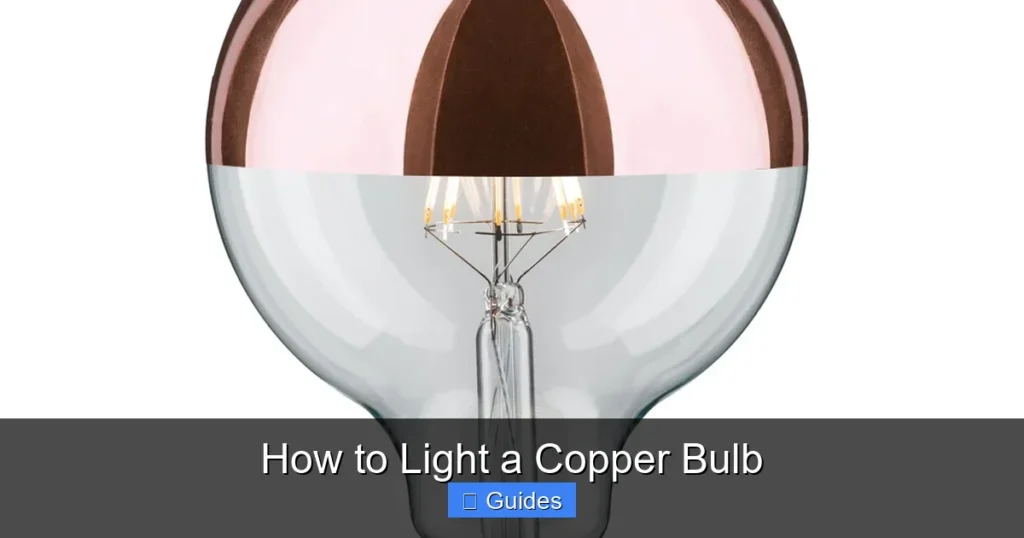
Often, a “copper bulb” refers to a light bulb that has a special copper-colored finish on its glass. These are typically designed to offer a vintage or industrial aesthetic even when unlit. When lit, the copper tint often casts an incredibly warm, almost amber glow. These bulbs are mostly decorative. They are usually LED versions designed to mimic old incandescent Edison bulbs.
Exposed Filament Bulbs with Copper Elements
Many popular Edison-style bulbs, while not entirely copper, feature exposed filaments that are often seen through clear or lightly tinted glass. Sometimes, the internal structure or base elements of these bulbs might have copper accents. These bulbs celebrate the beauty of the filament itself. The light emitted interacts beautifully with any copper in the fixture.
Bulbs Used in Copper Light Fixtures
Perhaps you have a beautiful pendant lamp, sconce, or chandelier made entirely of copper. In this case, “how to light a copper bulb” means choosing the right *type* of bulb to go *into* that copper fixture. Here, the bulb’s light quality will interact directly with the copper material of the fixture, creating unique reflections and enhancing the overall aesthetic. This is a very common scenario.
For the rest of this guide, we’ll cover all these interpretations. We want to ensure you get the best lighting experience, no matter what kind of “copper bulb” you’re working with.
Choosing the Right Light Source for Your Copper Aesthetic
Once you know what kind of “copper bulb” you’re dealing with, the next step is to pick the perfect light source. This choice significantly impacts the look and feel of your space.
LED vs. Incandescent: Efficiency Meets Charm
- LED Copper Bulbs: Modern LED technology has embraced the vintage aesthetic. You can find LED bulbs with copper finishes or filament designs that mimic old Edison bulbs. These are incredibly energy-efficient, last a very long time, and produce less heat. They are a fantastic choice for areas where lights are on for extended periods. The drawback is that they sometimes don’t dim as smoothly as incandescents unless you use a compatible dimmer.
- Incandescent Copper Bulbs: For the purest vintage look and feel, traditional incandescent bulbs, especially those with real carbon filaments, are still popular. They offer a uniquely warm, soft glow that many find irreplaceable. However, they consume more energy and have a shorter lifespan. They also generate more heat. If you’re going for absolute authenticity and don’t mind the higher energy use, they are an option.
Color Temperature: Enhancing Copper’s Warmth
Color temperature, measured in Kelvins (K), is incredibly important when working with copper. Copper naturally has warm, reddish-brown tones. You want your light to complement this.
- Warm White (2200K-2700K): This is your best friend for copper lighting. Bulbs in this range emit a soft, yellowish-white light, much like a traditional candle or an old incandescent bulb. This color temperature beautifully enhances the copper’s natural warmth, making it glow and feel incredibly inviting. It’s perfect for creating a cozy, intimate atmosphere.
- Neutral White (3000K-3500K): If you need a slightly brighter, less yellow light that still feels warm, this range can work. It’s good for task lighting in a kitchen with copper accents, where you need a bit more clarity but still want to retain a warm feel.
- Cool White (4000K+): Generally, avoid cool white or daylight bulbs with copper. The bluish-white light can make copper appear flat, dull, or even greenish. It strips away the inherent warmth that makes copper so appealing.
Brightness (Lumens): The Right Amount of Light
Don’t just think about wattage; think about lumens! Lumens measure the actual brightness of a bulb. For decorative copper bulbs, you might not need incredibly high lumen output. Often, the goal is ambiance over intense illumination. If your copper bulb is the primary light source for a room, you’ll need higher lumens. For accent lighting or mood setting, lower lumens are perfect.
Installation & Safety: Powering Your Copper Lighting Properly
Proper installation and safety precautions are paramount when you light a copper bulb. This ensures both functionality and peace of mind.
Matching the Base Type and Size
Before buying any bulb, check the base type of your fixture. The most common in North America is the E26 (medium or standard base). Smaller fixtures might use E12 (candelabra base) or E17 (intermediate base). European fixtures often use E27 (slightly larger standard) or E14 (smaller). Always double-check! A mismatched base means the bulb won’t fit or won’t make proper electrical contact.
Understanding Wattage and Wattage Equivalent
Every light fixture has a maximum wattage rating. This is a crucial safety limit. Exceeding it can lead to overheating, electrical fires, and damage to the fixture’s wiring. Always respect this limit.
- For Incandescent Bulbs: Make sure the bulb’s actual wattage (e.g., 60W) does not exceed the fixture’s maximum rating.
- For LED Bulbs: LEDs use far less power. A 9W LED might be “60W equivalent” in terms of brightness. Always check the *actual wattage* of the LED bulb (e.g., 9W) and ensure it’s below the fixture’s maximum rating. Since LED wattage is so low, this is rarely an issue, but it’s good practice.
Electrical Safety Tips
- Turn Off Power: Always turn off the power at the circuit breaker before changing any light bulb or working on a fixture. Don’t just rely on the wall switch.
- Secure Connections: Ensure the bulb is screwed in firmly but not overly tight. Over-tightening can damage the socket or the bulb.
- Inspect Fixture: Before installing a new bulb, quickly inspect the fixture’s socket for any signs of damage, corrosion, or frayed wires. If you see any, consult a qualified electrician.
- Proper Ventilation: While copper bulbs (especially LEDs) don’t get as hot as older incandescents, ensure your fixture allows for some airflow, especially if the bulb itself has a thick copper finish that might trap heat.
- Use Right Tools: For recessed lighting or hard-to-reach fixtures, use appropriate tools like suction cups or bulb changers to avoid drops and breakage.
Optimizing the Glow: Design Tips for Copper Bulbs
Lighting a copper bulb effectively goes beyond just turning it on. It’s about enhancing its beauty and integrating it seamlessly into your home’s design.
Placement is Key
Where you place your copper bulb or fixture dramatically impacts its effect.
- Focal Points: Use a single copper pendant lamp over a kitchen island or a dining table to create a stunning focal point. The unique shape and material will draw the eye.
- Ambient Lighting: For a softer, overall glow, consider multiple copper sconces or a chandelier with copper elements. Their warm light will fill the room with a welcoming atmosphere.
- Accent Lighting: Use smaller copper bulbs in table lamps or floor lamps to highlight specific areas, artwork, or architectural features. This creates layers of light.
- Reflections: Position copper bulbs near reflective surfaces like mirrors or polished metal to amplify their warm glow and visual interest. The reflections will dance beautifully.
Dimming for Ambiance
A dimmer switch is an absolute must-have for copper lighting. It allows you to adjust the brightness and, in turn, the mood of the room. Dimming can transform a bright task-oriented space into a cozy, intimate setting with just a flick of a switch.
- Compatibility: Ensure your bulbs are “dimmable” (especially critical for LEDs) and that your dimmer switch is compatible with the bulb type (e.g., LED dimmers for LED bulbs).
- Mood Setting: Fully bright for functional tasks, dimmed low for relaxed evenings. Copper bulbs look especially stunning when softly dimmed.
Complementary Materials and Colors
The beauty of copper is how well it pairs with other materials and colors. Think about your surrounding decor.
- Natural Materials: Wood (especially darker tones like walnut or oak), concrete, exposed brick, and stone all beautifully complement copper’s earthy tones.
- Cooler Tones: Pair copper with deep blues, forest greens, or charcoal grays for a sophisticated contrast that makes the copper pop.
- Metallics: A touch of black metal or even brushed brass can work, but be careful not to overdo it with too many competing metals.
- Texture: Rough textures (like linen or wool) soften the metallic sheen of copper, creating a balanced and inviting space.
Styling with Filament Shapes
If you’re using exposed filament copper bulbs, the filament shape itself becomes part of the design. Consider these options:
- Squirrel Cage: A classic, intricate look with looping filaments. Great for vintage appeal.
- Spiral: A more uniform, elegant spiral that offers a consistent glow.
- Quad Loop: A strong, geometric look perfect for industrial styles.
Choose a filament that matches the overall aesthetic you’re aiming for.
Maintaining Your Copper Bulb’s Luster and Longevity
To keep your copper lighting looking its best and performing optimally, a little maintenance goes a long way.
Cleaning Copper Bulbs and Fixtures
Dust and grime can dull the appearance of both the copper finish on a bulb and a copper fixture, and can even reduce light output.
- For Bulbs: Ensure the bulb is off and cool. Gently wipe it with a soft, dry, lint-free cloth. For stubborn spots, a slightly damp cloth with plain water can be used, followed immediately by a dry wipe. Avoid harsh chemical cleaners as they can damage the bulb’s finish or glass.
- For Copper Fixtures: Regular dusting with a soft cloth is usually enough. For actual tarnish, you can use a dedicated copper cleaner according to product instructions, or a homemade paste of lemon juice and salt/baking soda. Always test on an inconspicuous area first. For lacquered copper (which resists tarnish), simply dust and wipe.
Troubleshooting Common Issues
- Bulb Not Lighting: First, ensure the power is on. Check if the bulb is screwed in properly. If it’s still not working, try the bulb in another working fixture to see if the bulb itself is faulty. If the bulb works elsewhere, the issue might be with the fixture or the wiring.
- Flickering Bulb: This can happen with dimmable LEDs if the dimmer switch isn’t compatible or if the bulb is nearing the end of its life. Also, check for loose connections in the socket.
- Dim Light: If the light seems weaker than usual, it could be dust buildup, a faulty bulb, or an issue with the voltage supply (less common).
Maximizing Longevity
- Avoid Frequent On/Off Cycles: While LEDs handle this better than older incandescents, minimizing rapid switching can still contribute to longer life.
- Proper Wattage: As mentioned, always respect the fixture’s maximum wattage to prevent overheating, which can shorten bulb life.
- Handle with Care: Especially with exposed filament or decorative copper bulbs, handle them gently during installation to avoid damaging the delicate internal components.
Lighting a copper bulb isn’t just about functionality; it’s about creating an atmosphere. By understanding the types, choosing the right light, ensuring safe installation, and applying smart design principles, you can transform your space with the unique, warm glow that only copper can provide. Go ahead, illuminate your world with style and confidence!
Key Takeaways
- Define “Copper Bulb”: Understand whether you’re referring to a bulb with a copper finish, an exposed filament Edison style, or a bulb integrated into a copper fixture. This clarifies your lighting needs.
- Select the Right Light Source: Opt for LEDs for efficiency and longevity, or traditional incandescents for a classic, warm glow. Consider filament style, such as squirrel cage or spiral, for aesthetic impact.
- Choose Appropriate Color Temperature: Warm white (2200K-2700K) enhances copper’s natural warmth, while cooler temperatures might diminish its effect.
- Ensure Compatibility and Safety: Always match the bulb’s base type (E26, E12, etc.) and wattage to your fixture’s specifications to prevent electrical issues.
- Optimize for Aesthetic Impact: Utilize dimmers to control ambiance, position copper bulbs to highlight their unique design, and consider surrounding materials that complement copper’s metallic sheen.
- Consider Bulb Placement: Strategically place your copper bulbs to create focal points or ambient lighting, enhancing the overall room design.
- Maintenance is Key: Regularly clean your copper bulbs and fixtures to maintain their luster and ensure optimal light output and lifespan.
Quick Answers to Common Questions
What is the best color temperature for a copper bulb?
The best color temperature is warm white, typically between 2200K and 2700K. This range enhances the natural warm tones of copper, creating a cozy and inviting ambiance.
Can I use any dimmer with an LED copper bulb?
No, you need a “dimmable” LED bulb and a dimmer switch that is specifically designed for LED lights. Using an incompatible dimmer can cause flickering or damage the bulb.
Do copper bulbs get very hot?
It depends on the type. Traditional incandescent copper bulbs can get quite hot. LED copper bulbs, however, generate much less heat, making them a safer and more energy-efficient choice.
How do I clean a copper-finished light bulb?
Ensure the bulb is off and cool. Gently wipe it with a soft, dry, lint-free cloth. Avoid harsh chemical cleaners, as they can damage the bulb’s delicate finish.
Why is my copper bulb flickering?
Flickering can be due to a loose connection, an incompatible dimmer switch (for LED bulbs), or the bulb nearing the end of its lifespan. Check the bulb’s seating and dimmer compatibility first.
Frequently Asked Questions
What types of “copper bulbs” are commonly available?
Common types include LED bulbs with a copper-colored finish, exposed filament Edison-style bulbs that might have copper accents, and regular bulbs designed to be used within a copper light fixture. The term broadly refers to a bulb chosen to complement a copper aesthetic.
Are copper-finished LED bulbs efficient?
Yes, copper-finished LED bulbs are highly energy-efficient. They consume significantly less electricity and have a much longer lifespan compared to traditional incandescent bulbs, making them a cost-effective and eco-friendly lighting option.
How do I choose the right brightness for my copper bulb?
Choose brightness based on the room’s function and desired ambiance. For ambient or decorative lighting, lower lumens (e.g., 200-400 lumens) are often sufficient. For task lighting or primary illumination, you’ll need higher lumens (e.g., 800+ lumens).
Can I use a copper bulb outdoors?
Only if the copper bulb and its fixture are specifically rated for outdoor use, meaning they are weather-resistant and sealed against moisture. Check the IP (Ingress Protection) rating of both the bulb and fixture to ensure suitability for outdoor environments.
What is the significance of the filament style in a copper bulb?
For exposed filament “copper bulbs” (like Edison styles), the filament style (e.g., squirrel cage, spiral) is a significant decorative element. It contributes greatly to the bulb’s visual appeal and the overall vintage or industrial aesthetic, especially when the bulb is visible.
How does copper color affect the light emitted by a bulb?
If the bulb itself has a copper tint or finish, it will impart a very warm, often amber or orange hue to the light, even if the internal light source is a standard LED. This enhances the cozy and vintage feel, but it also reduces the overall brightness and can alter true color rendering in the room.
